 Haaland Has Seven Goals and Norway Runs Entirely Through Him
⚽️2026 FIFA WORLD CUP
How Does East Boston's Salvadoran Bakery Display the World Cup Qualifiers Schedule Inside?
Laminated printouts taped above the pastry case let regulars plan their pupusa orders around upcoming qualifier kick-off times.
The Pastry Case Doubles as Match Calendar
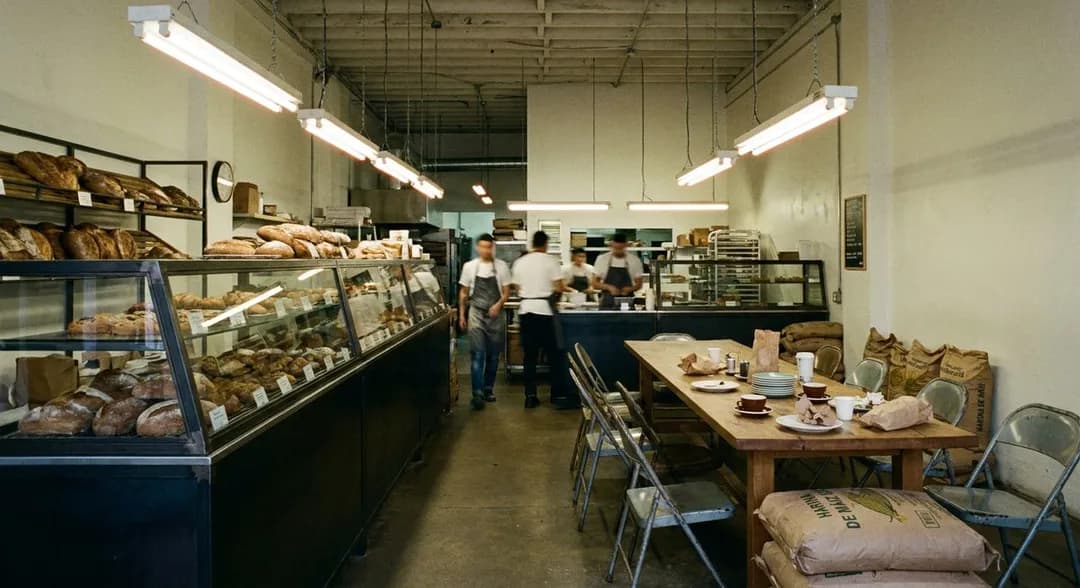
You walk into a Salvadoran bakery on Meridian Street and the first thing you notice isn't the smell of quesadilla salvadoreña baking or the hiss of the griddle flipping pupusas. It's the laminated sheets taped above the glass pastry case, each one printed with match schedules, kickoff times converted to Eastern, and little handwritten notes in blue pen about which games draw the biggest crowds. This is how regulars at this East Boston spot plan their weeks during World Cup qualifying season—not by checking their phones, but by scanning the fixture list while they wait for their order, calculating whether they can swing by for curtido and a seat before Honduras faces off against whoever's next.
The system works because everyone here already knows the rhythm. You don't need to ask when to show up. The laminated sheets tell you everything, and the bakery adjusts its prep schedule around the high-traffic windows when Central American qualifiers kick off.
Morning Pastries Under Fluorescent Fixture Lists
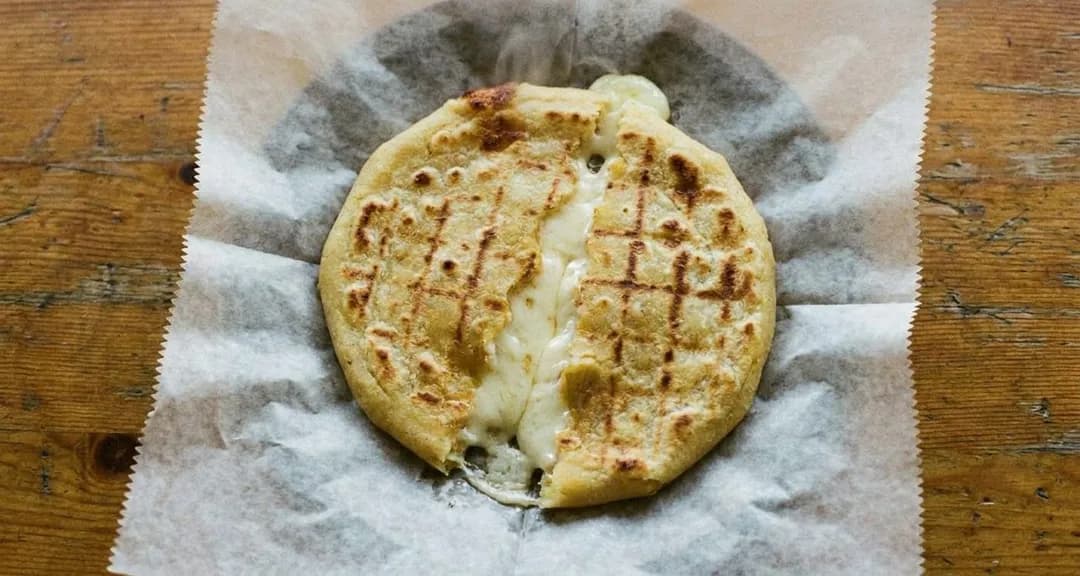
The bakery opens early, and by mid-morning the counter staff are already fielding questions about evening matches. You point at the schedule taped just above the semitas and ask if they'll have extra pupusas ready by the time El Salvador plays. The woman at the register nods without looking up from the griddle. She's heard this question six times already today. The laminated printouts aren't decorative—they're operational documents. Someone updates them every few weeks when new fixtures get announced, peeling off the old tape residue and smoothing down fresh sheets with the heel of their hand.
The pastry case sits directly below this makeshift bulletin board, so you're reading match times while you decide between a pineapple empanada and a slice of tres leches. The fluorescent lights overhead wash out some of the ink, but the times are legible enough. Someone's circled a few matches in red marker. Those are the ones that matter here, the ones that'll pack the narrow dining area with families who normally take their food to go.
How the Griddle Tempo Shifts Before Kickoff
You come back on a match evening and the whole energy has changed. The griddle is working double-time, that low sizzle-and-steam sound layering over itself as three different orders cook simultaneously. The smell is sharper now—masa, cheese, loroco—and there's a line forming near the register that wasn't there this morning. Everyone's ordering pupusas by the half-dozen, sometimes more, because they know they won't want to leave once the match starts. The laminated schedule above the pastry case has a few greasy fingerprints on it now. Someone leaned over the counter to double-check the kickoff time and left evidence.
The staff move faster but not frantically. This is rehearsed. They know exactly how many orders they can turn around in the thirty minutes before kickoff, and they know which regulars will show up at the last possible second, slightly out of breath, asking if there's still time. There usually is. The pupusas come off the griddle wrapped in foil, stacked in paper bags that go translucent with steam by the time you carry them to a table.
Where Regulars Claim Their Sight Lines
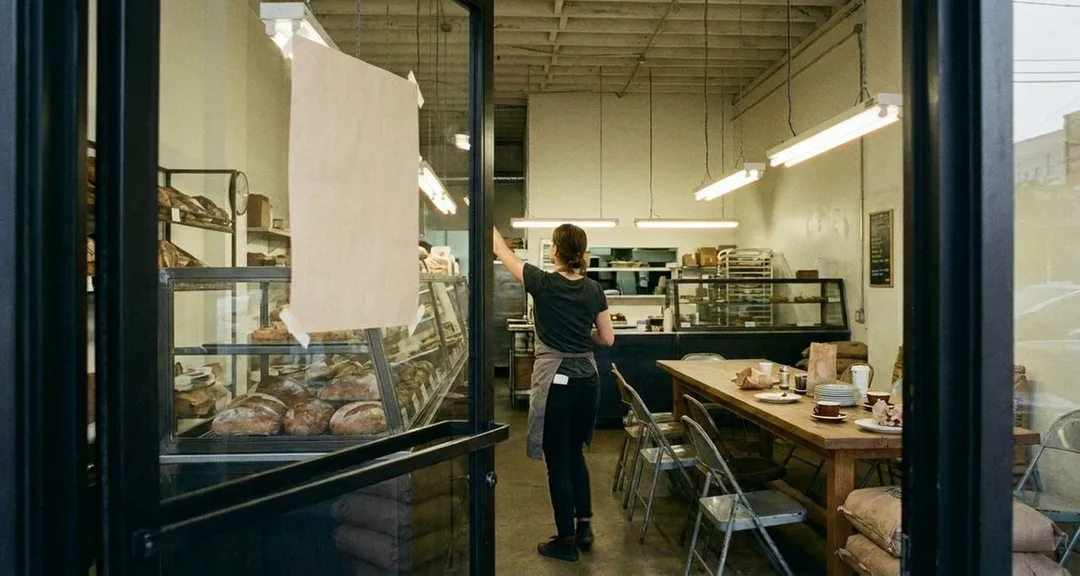
The dining area isn't large—maybe a dozen small tables, most of them two-tops pushed together when groups arrive. But on match nights, people stake out positions early. You learn quickly that the tables nearest the television mounted in the corner are claimed by mid-afternoon, sometimes just by a jacket draped over a chair or a half-finished horchata marking territory. The regulars know each other by sight if not by name. They nod when they arrive, shuffle chairs to make room, share bottles of hot sauce without asking.
The television itself is nothing special, just a flat screen that's been there long enough to have a faint yellow tint in one corner. But the sound is always up, and during qualifiers the commentary—usually in Spanish—becomes the room's ambient soundtrack. You hear the announcer's voice spike during near-misses, and the entire bakery reacts in unison, a collective intake of breath or a groan that vibrates through the tables. Between those moments, conversations happen in low tones, people leaning across tables to debate lineups or complain about referees from previous matches. The laminated schedule gets referenced mid-conversation, someone pointing at next week's fixture to make a point about momentum or revenge matchups.
What the Handwritten Notes Actually Mean
If you look closely at the laminated sheets, you'll notice the handwritten annotations aren't random. Next to certain matches, someone's scribbled "busy" or "call ahead" or occasionally a small star. These are internal codes, reminders for the staff about inventory and prep. A star means they'll need to make extra curtido that morning. "Call ahead" means the dining area will be full and takeout orders might get backed up. "Busy" is self-explanatory but also a warning—if you want a table, you need to arrive at least an hour before kickoff, maybe more if it's a rivalry match.
You ask the woman at the register what the blue pen marks mean, and she just smiles and says it helps them remember. But you watch over the course of a few visits and the pattern becomes clear. The annotations aren't for customers. They're for the staff, a shared language developed over multiple qualifying cycles. When a new sheet goes up, someone transfers the relevant notes from the old one, preserving institutional knowledge about which matches draw which crowds.
The Post-Match Window When Everyone Lingers
After the final whistle, people don't immediately leave. You'd think they would—the match is over, the result is set—but instead the dining area stays full for another thirty or forty minutes. This is when the real conversations happen, the post-mortems and the what-ifs. Someone's always got a take on a substitution that came too late or a defensive lapse that cost a goal. The television switches to post-match coverage, but half the room isn't watching anymore. They're leaning back in their chairs, finishing the last of their pupusas, scrolling through their phones to see what other results came in.
The staff start cleaning the griddle but they don't rush anyone out. This is part of the rhythm too. The bakery knows that match nights aren't just about feeding people quickly—they're about holding space for the collective experience. You see the same faces here that you saw two weeks ago during the last qualifier, and you'll see them again when the next laminated sheet goes up with fresh fixtures and fresh annotations. The pastry case gets restocked for the morning shift, and someone wipes down the glass, careful not to disturb the taped schedules above.
Practical Notes
The bakery operates on a typical schedule for the neighborhood, opening early enough to catch the breakfast crowd and staying open into the evening, especially on match days. You can reach East Boston via the Blue Line—Airport or Maverick stations both work, followed by a short walk through residential blocks where you'll pass other Salvadoran and Latin American businesses. Parking is street-only and competitive on match nights, so public transit makes more sense. No reservations, no table holds—it's purely first-come seating. Pupusas run a few bucks each, empanadas and pastries even less. Cash is easiest though they take cards. The match schedule updates are irregular, tied to official FIFA qualifier announcements, so the laminated sheets might show different fixtures depending on when you visit. If you want to guarantee a table for a specific match, the unwritten rule is to arrive hungry and early.
Tags: #EastBoston #SalvadoranFood #Pupusas #WorldCupQualifiers #FIFA2026 #BostonEats #ImmigrantCuisine #NeighborhoodSpots #SoccerCulture #QualifyingRounds #CentralAmericanFood #LocalBakery #MatchDayRituals #BostonNeighborhoods #DiasporaDining
Sources consulted: fifa.com · espn.com · timeout.com
All trademarks are the property of their respective owners.
Ask Karpo for more information.
Keep reading
- Haaland Has Seven Goals and Norway Runs Entirely Through Him
 World Cup Trophy Ceremony Timing Medals and Postmatch Celebrations
 Olise and France's Attack: The Semifinal Tactical Question