A Storefront Where Prestige TV Fans and Tournament Crowds Share the Same Folding Chairs
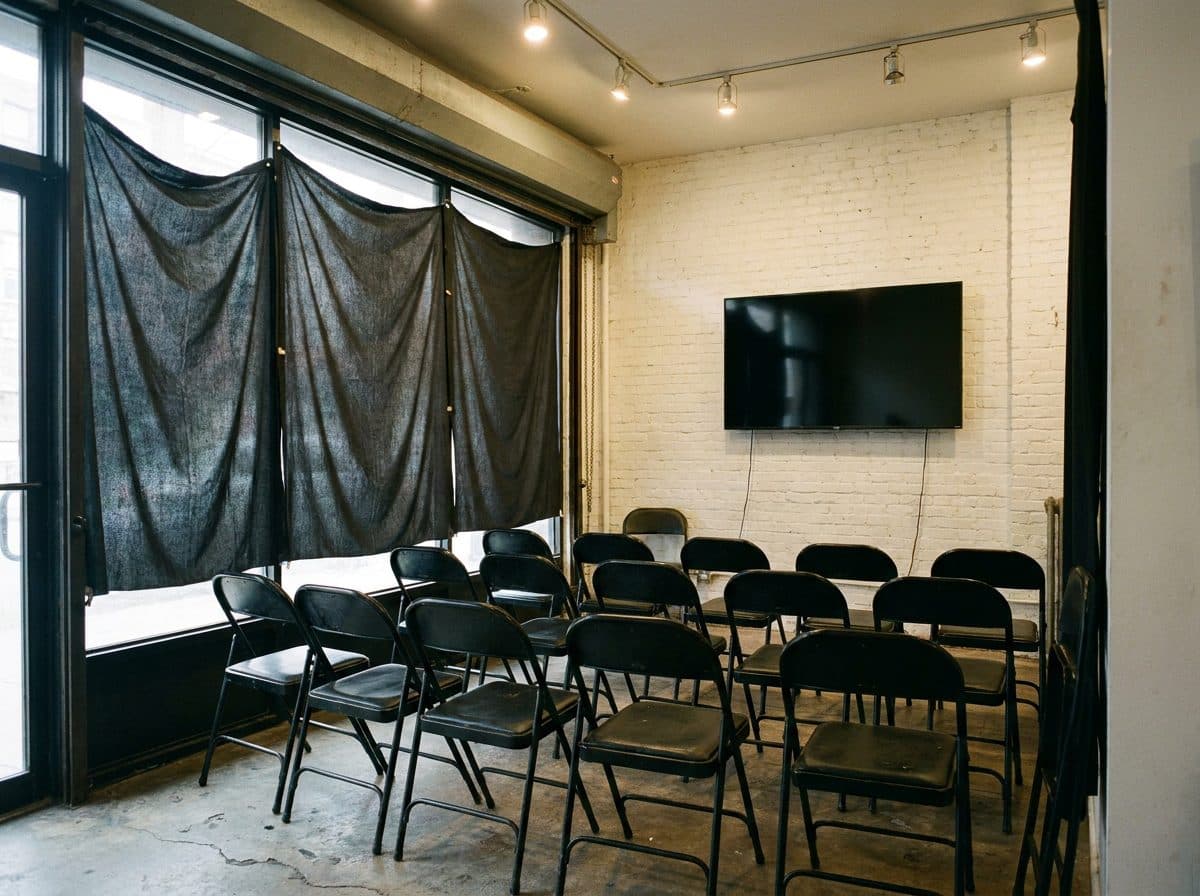
You walk into a narrow storefront on Capitol Hill where the same folding chairs host both prestige TV watch parties and World Cup screenings, sometimes within the same week. The space smells faintly of coffee grounds and old popcorn, with a projector humming against one brick wall and mismatched curtains pulled tight against the afternoon sun. During spring, you're surrounded by fans dissecting every frame of The Last of Us. Come summer, those same seats fill with tournament crowds who've memorized every player's number and shout at the screen in three languages.
The transition happens gradually, then all at once. One week you're watching fungal horror unfold in a hushed room where someone gasps at a plot twist. The next, you're pressed shoulder-to-shoulder with supporters wearing replica jerseys, the air thick with the smell of someone's homemade empanadas wrapped in foil. The projector doesn't care what it's showing. The folding chairs don't discriminate.
The Rhythm Changes But the Room Stays the Same
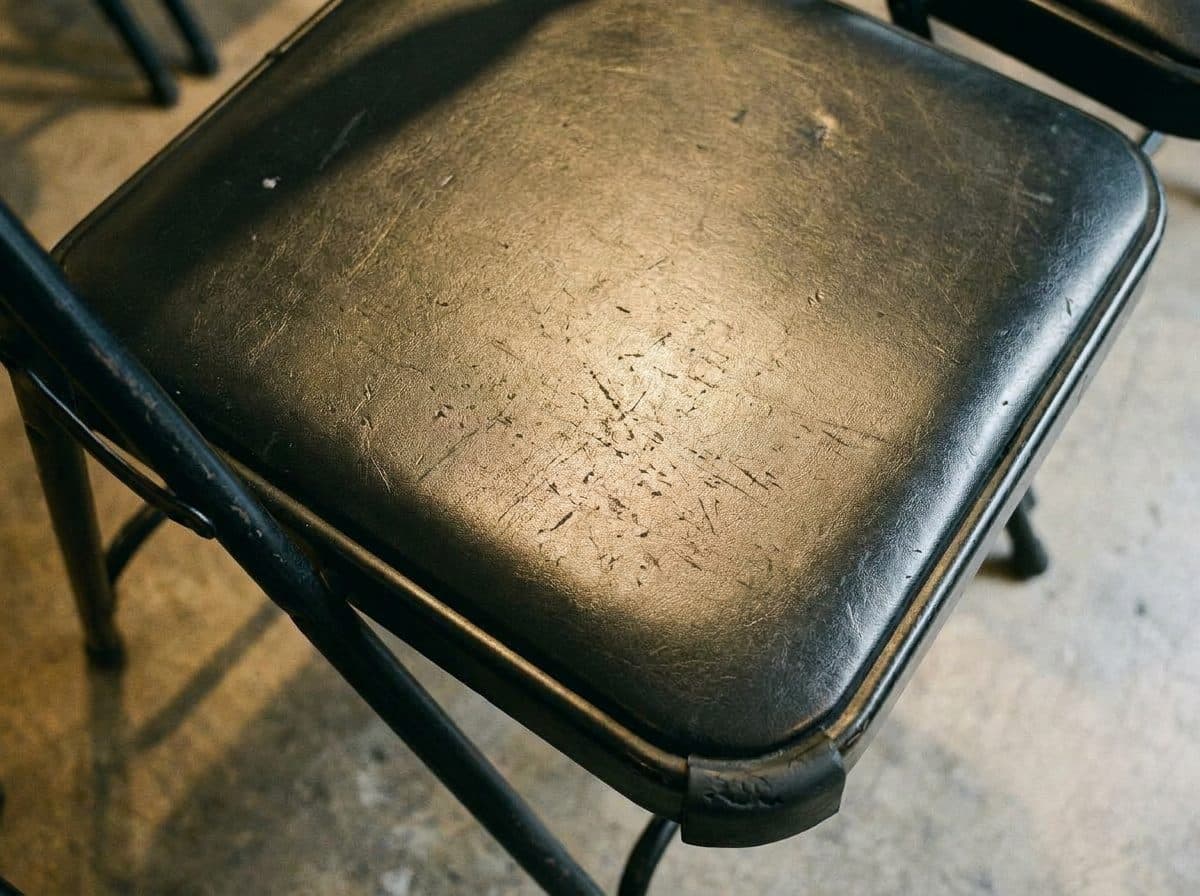
Walk in during a prestige TV night and the energy runs quiet and tense. People lean forward. Someone always shushes the person who arrived late and scraped their chair too loud. The projector light catches dust particles suspended in the air, and you can hear every breath during the heavy scenes. There's a particular type of regular here: the person who brings their own cushion because these chairs weren't designed for two-hour episodes, the one who always sits in the back left corner, the couple who whisper theories during the opening credits.
World Cup screenings flip that script entirely. The same room becomes a standing-room situation where nobody stays seated past the first ten minutes. You smell beer and coffee competing for dominance. Someone's aunt brought pastries from her country's bakery and they're getting passed around in a plastic container with a cracked lid. The volume stays cranked high enough that you feel the announcer's voice in your chest. Between halves, the conversations splinter into rapid-fire debates about tactics, about what should have happened, about the ref's eyesight.
Where the Projector Meets the Pavement
The storefront sits tucked between a vintage clothing shop and a place that sells overpriced succulents, the kind of block where you've walked past a hundred times without noticing the door. Inside, the space runs deep and narrow like a railroad apartment turned sideways. The brick wall opposite the entrance holds the projection screen, actually just a painted white rectangle that's gone slightly yellow at the edges. Folding chairs arrange themselves in loose rows that shift depending on crowd size and who showed up early enough to claim the good sight lines.
The projector itself lives on a wheeled cart someone can push into the corner when the space converts back to whatever it does during off-hours. You'll spot the same coffee-ringed table near the entrance where people drop their bags and coats, the same extension cords taped to the floor in a pattern that suggests multiple people have tripped over them. The bathroom situation involves a single-occupancy setup in the back with a door that doesn't quite latch, so you learn to knock loudly and wait for a response.
The Overlap Crowds Who Show Up for Both
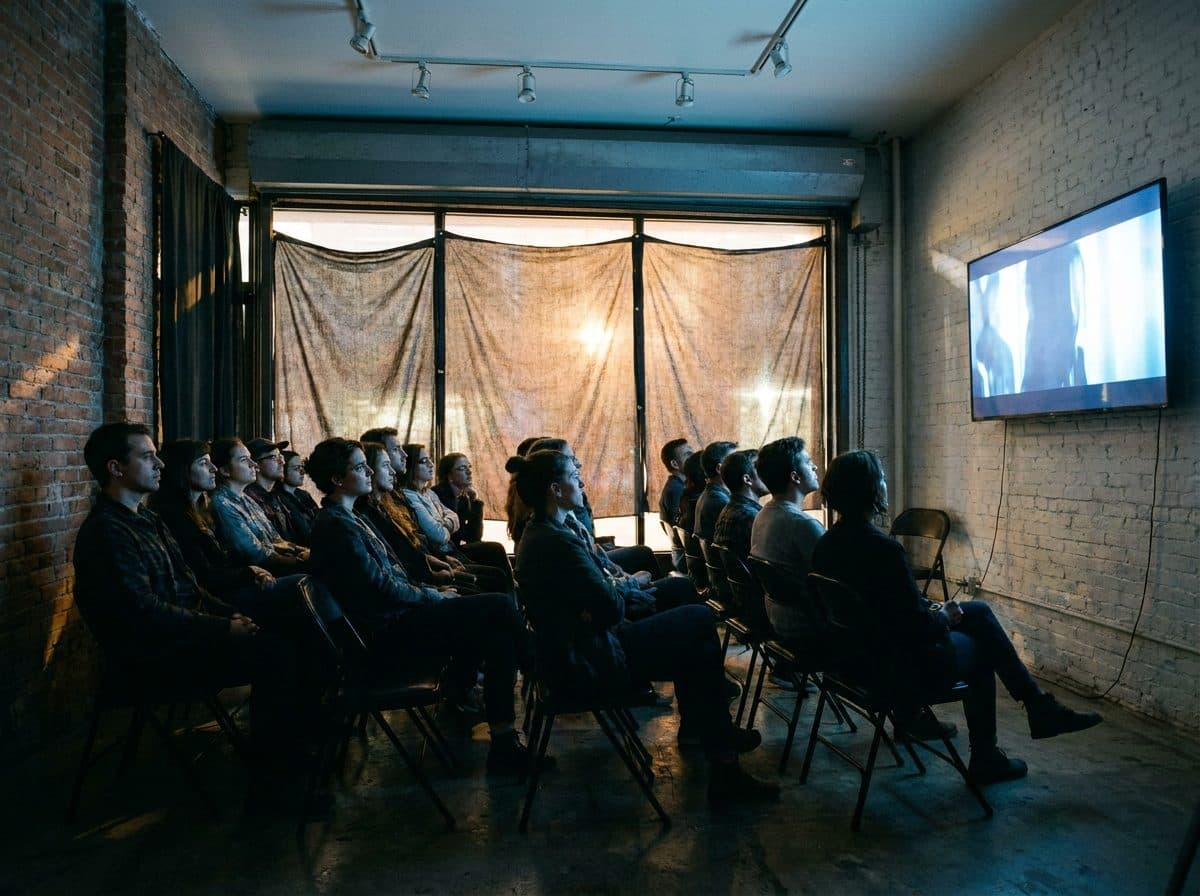
Some faces appear for both the prestige TV sessions and the tournament screenings, and they're easy to spot. They're the ones who know exactly which chair has the wobbly leg, who've figured out the projector's sweet spot where the image doesn't blur at the edges, who bring their own snacks because they've learned the available options run limited. During The Last of Us watch parties, they're analyzing cinematography and costume design. During World Cup matches, they're explaining offside rules to newcomers and tracking substitution patterns.
You'll recognize the person who always sits in the third row with their notebook, scribbling observations that might be for a blog or might just be for themselves. The group of friends who claim the back corner and provide running commentary quiet enough not to disrupt but loud enough to make people laugh. The regular who brings their dog, a patient creature who's learned to sleep through both zombie apocalypses and penalty shootouts. These overlap crowds create a strange continuity, a through-line that makes the space feel like a living room that happens to be semi-public.
What You're Actually Watching Beyond the Screen
The real show happens in the margins, in the moments between episodes or during halftime. You watch someone try to explain a complex plot point to their friend who missed last week, using hand gestures that make no sense to anyone else. You see the tournament crowds divide themselves by allegiance, not hostile but distinct, little clusters of jerseys and scarves that represent different hopes. Someone always brings food that smells too good not to ask about, and then you're learning about a grandmother's recipe while trying to keep your eyes on the action.
The light changes throughout the screening. Early matches catch afternoon sun that bleeds through the curtain gaps, creating stripes across people's faces. Evening games settle into artificial light from the projector and a couple of floor lamps with mismatched shades. You notice how people's postures shift with the tension on screen, the collective lean forward during crucial moments, the slumped relief or disappointment when something resolves. The temperature rises as more bodies pack in, and someone always props the door open despite the street noise it introduces.
The Practical Geography of Finding Your Seat
Getting here means navigating Capitol Hill's particular brand of density, where storefronts change purposes but the bones stay the same. You're looking for a door that might have a hand-written sign taped inside the window, the kind of announcement that assumes you already know what's happening. Arrive early for tournament matches if you want a chair instead of wall space. The prestige TV crowds run smaller but more ritualistic, with people claiming the same spots week after week.
The space doesn't advertise much beyond word-of-mouth and whatever gets posted on neighborhood message boards. You find out about screenings from a friend who heard from a coworker who saw a flyer at the coffee shop two blocks down. The informality runs intentional, keeping crowds manageable and maintaining the living-room atmosphere that would evaporate with too much organization. Cash works better than cards for any small purchases, and bringing your own water bottle saves you from the single-serve options that run out quickly.
Practical Notes
The storefront operates on a flexible schedule that adapts to whatever's screening, with most events starting in late morning for early tournament matches or evening for prestige TV. Getting there involves standard Capitol Hill transit options, with the neighborhood's walkability making most approaches straightforward. No reservations exist because no formal system exists, just the understanding that arriving early matters for popular screenings. The space stays free or asks for minimal contributions to cover costs, keeping the barrier to entry low. Check neighborhood boards and local social media for screening announcements, usually posted a few days ahead. Bringing your own cushion makes sense for longer viewing sessions, and the folding chairs appreciate any padding you can provide.
Tags: #2026FIFAWorldCup #SeattleWorldCup #CapitolHillSeattle #TheLastOfUs #WatchParties #PrestigeTV #TournamentScreening #SeattleNeighborhoods #HiddenSeattle #PopUpCinema #CommunityScreening #SeattleCulture #CapitolHillFinds #WorldCupSeattle #SeattleInsider
Sources consulted: fifa.com · espn.com · timeout.com
All trademarks are the property of their respective owners.