 Haaland Has Seven Goals and Norway Runs Entirely Through Him
⚽️2026 FIFA WORLD CUP
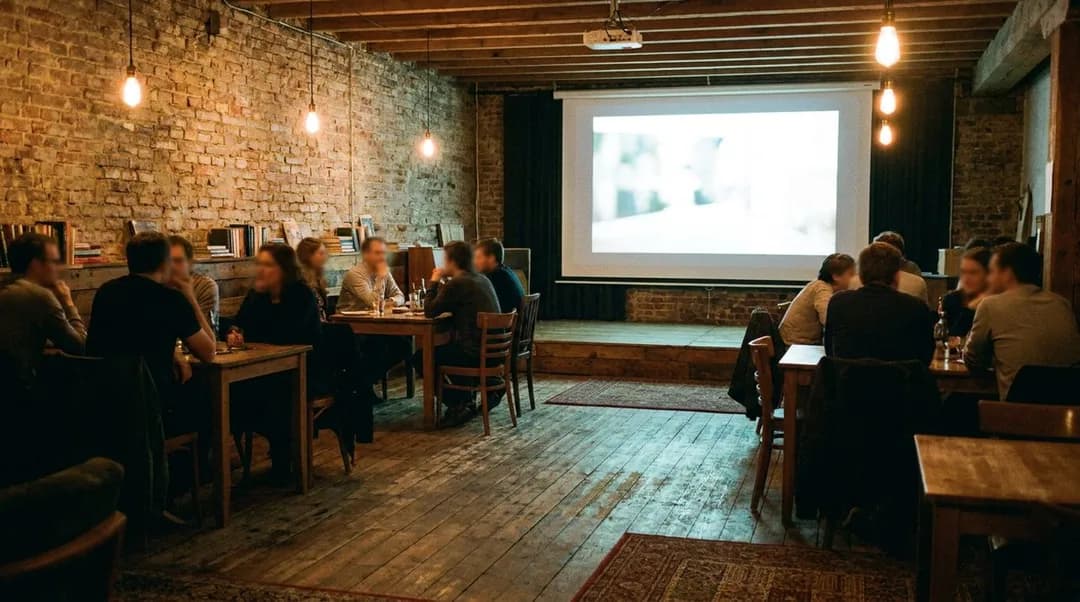
How Do Knicks vs Spurs Playoff Fans Find World Cup Watch Parties in Allston Basements in Allston?
A below-street venue where basketball diehards and fútbol faithful share projector screens and the same worn booth vinyl.
You find the door halfway down a Cambridge Street stairwell, tucked between a Thai place and a laundromat where the dryer heat fogs the sidewalk even in winter. The venue doesn't announce itself with neon or sandwich boards—just a vinyl sticker on smoked glass and the muffled thrum of voices that swells every time someone props the door open to vape. Inside, the ceiling pipes are painted flat black, the booths are patched with duct tape in three different shades of gray, and the projector screens flicker to life for whatever matters that day: a playoff push in April or a World Cup group stage match that kicks off before most of Allston finishes breakfast.
The Booth Geography and Who Sits Where
You learn the unwritten seating chart fast. Basketball people claim the left side, closest to the bar and the better sightline to the main screen. They arrive in Celtics gear even when it's Knicks-Spurs, because tribal loyalty runs deeper than the matchup itself. Fútbol crowds take the right, where the second projector angles toward a wall someone painted matte white years ago. The vinyl on these booths has split along every seam, exposing yellow foam that's gone hard as stale bread. On tournament mornings, you'll find entire families wedged into four-tops meant for two, grandmothers in team scarves next to teenagers scrolling highlights between glances at the screen. The middle booths stay neutral territory—couples on dates who didn't realize what they were walking into, freelancers nursing cold brew through extra time, the occasional lost soul who thought this was still the pierogi bar that closed in 2019.
Projector Light and Cigarette Ghosts
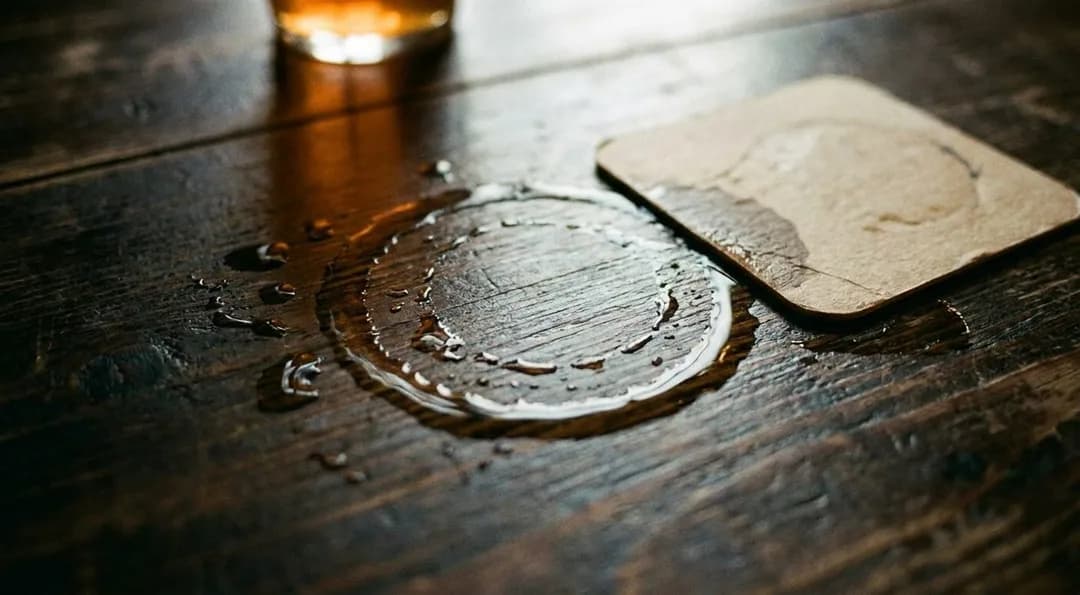
The screens wash everything in that specific blue-white glow that makes everyone look slightly unwell. You notice it most during day games, when the World Cup schedule forces early kickoffs and sunlight tries to leak through the transom windows up near the ceiling. Someone always ends up standing on a chair to duct-tape a trash bag over the glass. The projectors themselves are older models, the kind that hum loud enough to hear during free throws or penalty kicks, and they throw shadows across the room that shift with every camera angle. The whole place still smells faintly of tobacco even though smoking's been banned for years—it's in the upholstery, the ceiling tiles, the wooden bar rail worn smooth by decades of elbows. On humid nights the scent gets heavier, mixing with fryer oil and the yeasty fog from twenty taps running nonstop.
What the Kitchen Does When the Crowd Splits
The menu pivots harder than any coach's halftime adjustment. Basketball nights mean wings in five heat levels, loaded fries with pulled pork, and a burger that arrives on a metal tray still sizzling. World Cup mornings flip the kitchen into a different mode entirely: breakfast sandwiches on Portuguese rolls, pastel de nata that show up in a bakery box someone's cousin drives in from Cambridge, and a rice-and-beans plate that's never officially on the menu but always available if you ask in Spanish or Portuguese. The cooks work a flat-top grill visible through a cutout behind the bar, and you can watch them code-switch between orders—spatula in one hand, phone in the other, checking scores while they flip eggs. During overlapping events, when playoffs run late and World Cup kickoffs start early, the kitchen just stays open, no gap, no reset, the same apron on the same guy for sixteen hours straight.
The Sound Engineering of Partisan Crowds
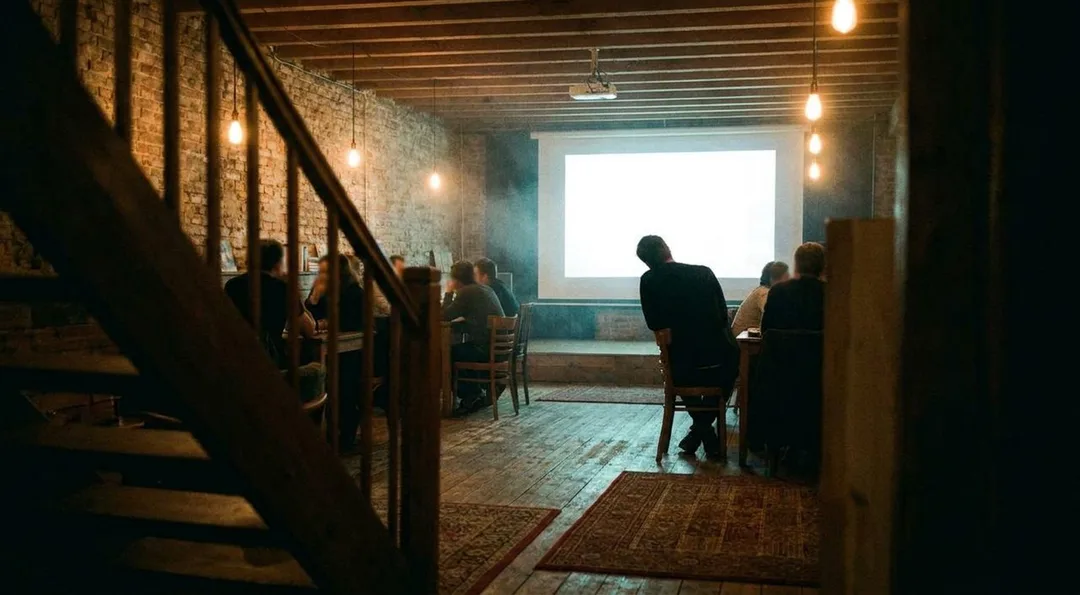
Volume becomes a negotiation. Basketball crowds want the announcers cranked, every foul call and replay audible over the bar noise. Fútbol crowds want the ambient roar, the stadium sound that makes you feel like you're in the stands even though you're in a basement in Allston watching on a screen with a dead pixel cluster in the upper right. Whoever controls the soundboard—usually whoever got there first or whoever tips better—makes the call. You'll hear arguments in three languages about whether the commentary matters, whether the crowd noise is enough, whether we need both screens on the same audio or split feeds. During tense moments, everyone shuts up anyway. The room goes library-quiet for penalty kicks, for final-second shots, for VAR reviews that stretch long enough for someone to sprint to the bathroom and back. Then it erupts, and the ceiling tiles rattle, and someone's beer goes over, and the whole cycle starts again.
Regulars Who Translate the Unspoken Rules
There's a guy in a Spurs jersey from the Duncan era who shows up for every playoff game and sits in the same booth, back left corner, where he can see both the screen and the door. He'll explain the seating politics if you ask, or sometimes if you don't. There's a woman in her sixties who wears a different national team scarf for every World Cup match, even countries that aren't playing, and she keeps a running tally of which teams' fans showed up in a notebook she's been filling since the last tournament. They're the ones who'll wave you over if you're hovering awkwardly near the bar, who'll make space in a packed booth, who'll tell you the bathroom door sticks and you have to lift while you turn the handle. They remember when this space was a punk venue, then a comedy open-mic spot, then briefly a vegan café that lasted four months. They've watched the neighborhood turn over twice but the basement stays the same—different crowds, same worn vinyl, same projector hum.
The Overlap Nights When Everyone Shares
The magic happens when schedules collide. A playoff game tips at seven, a World Cup match kicks at eight, and suddenly the room negotiates a truce. Both screens stay live. The soundboard splits feeds through different speakers. You get basketball on the left, fútbol on the right, and the middle booths swivel their heads like they're watching tennis. Orders fly faster—wings and empanadas on the same tray, beer and coffee side by side, someone's kid eating fries while his dad explains offsides and his uncle explains pick-and-rolls. The crowds start chirping at each other, good-natured trash talk that crosses sports and borders, and by the second half everyone's just cheering for chaos, for overtime, for anything that keeps both games close and both screens worth watching. You lose track of which sport you came for. You stay until last call because the room's too good to leave.
Practical Notes
The venue sits below street level on Cambridge Street in Allston, close enough to the Green Line that you'll hear trains if you step outside. It opens late morning on World Cup match days and stays open until the last basketball game ends, which might be midnight or might be two in the morning depending on the coast. No reservations, no cover, cash tips appreciated but cards accepted. Arrive early for big matches or playoff games—booth space fills fast and standing room gets claustrophobic once the crowd's three-deep at the bar. The bathroom's single-occupancy and the line gets long, so plan accordingly. Street parking's a nightmare; take the T or walk from the neighborhood.
Tags: #WorldCup2026 #BostonSports #AllstonBasement #WatchParty #BasketballAndFútbol #SportsBar #BostonNeighborhoods #KnicksSpurs #WorldCupBoston #ProjectorScreens #BasementVenue #AllstonLife #SportsBarCulture #DiasporaCrowds #BostonWatchParties
Sources consulted: fifa.com · espn.com · timeout.com
Please drink responsibly. Must be of legal drinking age.
All trademarks are the property of their respective owners.
Ask Karpo for more information.
Keep reading
- Haaland Has Seven Goals and Norway Runs Entirely Through Him
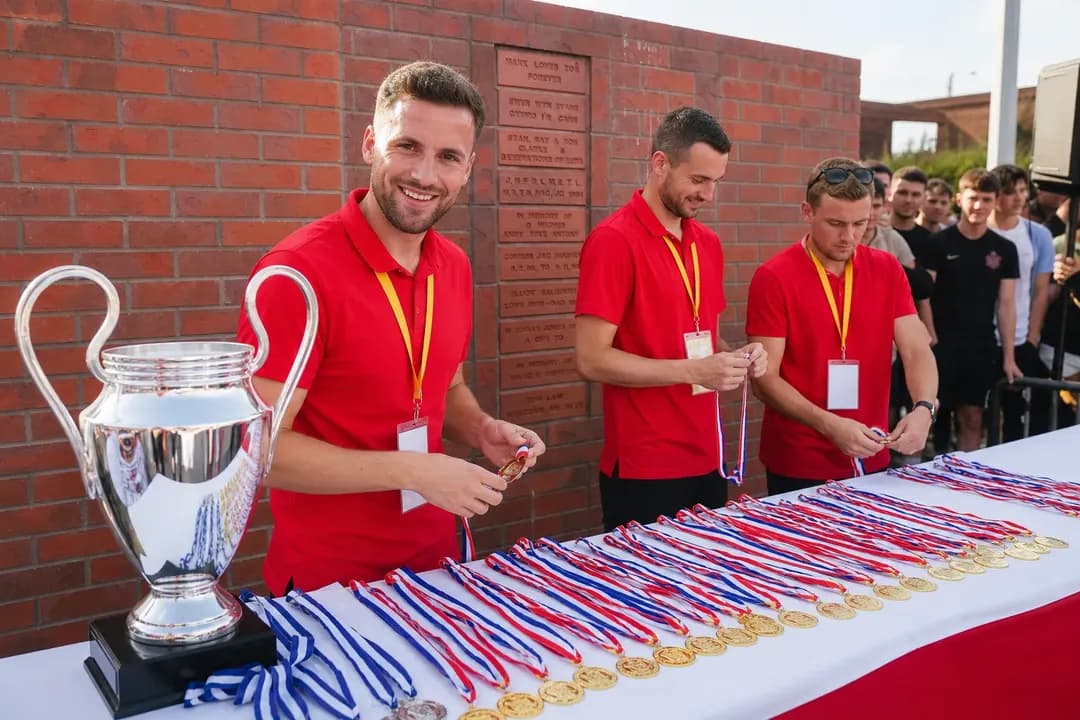 World Cup Trophy Ceremony Timing Medals and Postmatch Celebrations
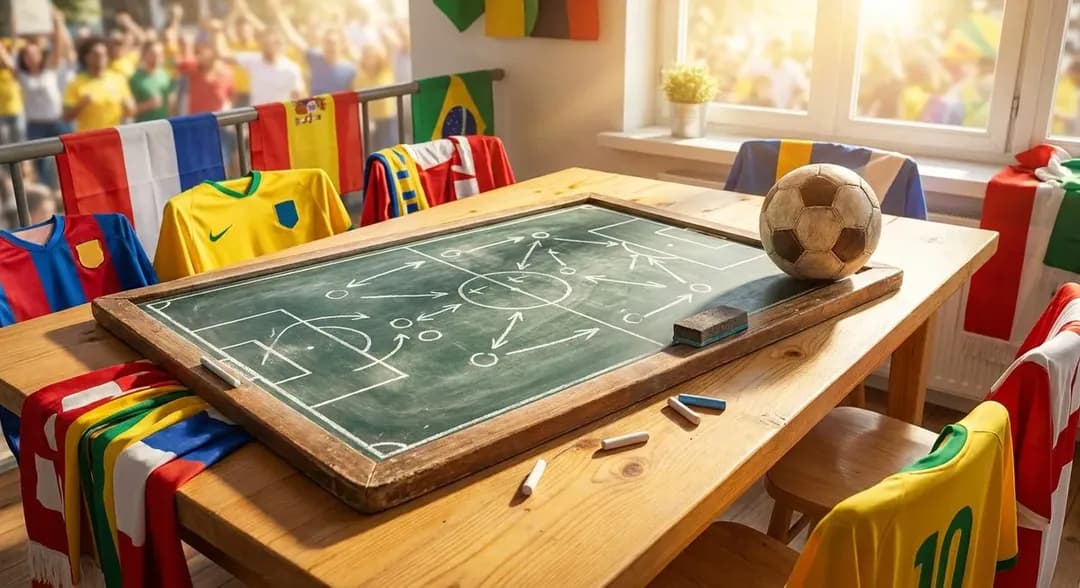 Olise and France's Attack: The Semifinal Tactical Question