 Haaland Has Seven Goals and Norway Runs Entirely Through Him
⚽️2026 FIFA WORLD CUP
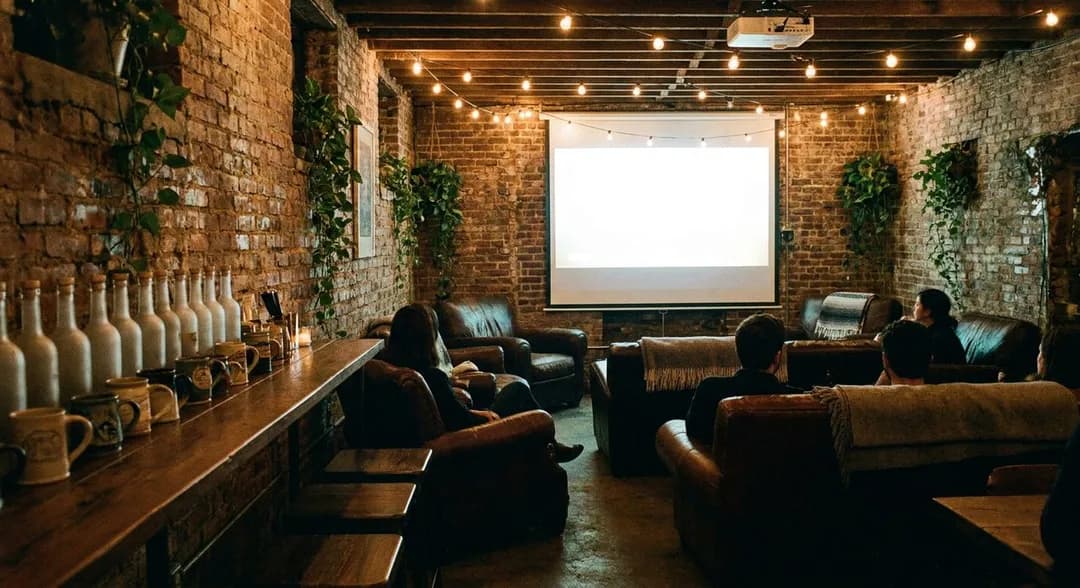
How Do Fans Toast a Legend's Final Match When Senegal vs Saudi Arabia Airs in Harlem?
An uptown gathering spot where West African and Arab diasporas share tables and the bittersweet weight of watching a beloved veteran's last World Cup.
You walk into the low-lit dining room mid-morning and the air already hums with something heavier than pregame energy—it's the kind of quiet buzz that happens when a room knows it's about to witness the end of an era. Harlem's West African and Arab communities don't usually share the same tables for breakfast, but today Senegal faces Saudi Arabia and a beloved veteran is playing his last World Cup match. The room smells like lamb simmering in berbere spice and cardamom-laced coffee, and everyone's dressed like they're going to a funeral that might break into celebration.
The Weight Settles Before the Anthem
You arrive early and the dining room is already half-full, which tells you something. Regulars claim their spots near the projection screen—Senegalese families on the left side near the kitchen, Saudi and Yemeni groups toward the windows where morning light cuts through the blinds in clean geometric lines. The owner doesn't assign sections; people just know. But today there's overlap. A young guy in a green Saudi jersey sits two tables over from a woman wrapped in Senegalese flags, and nobody's staking territory. They're all here for the same reason: to watch someone who changed how the world sees African football take his final bow. The room's energy feels like the last day of school mixed with a wake—bittersweet, nostalgic, bracing for the clock to run out.
What the Kitchen Sends Out Without Asking
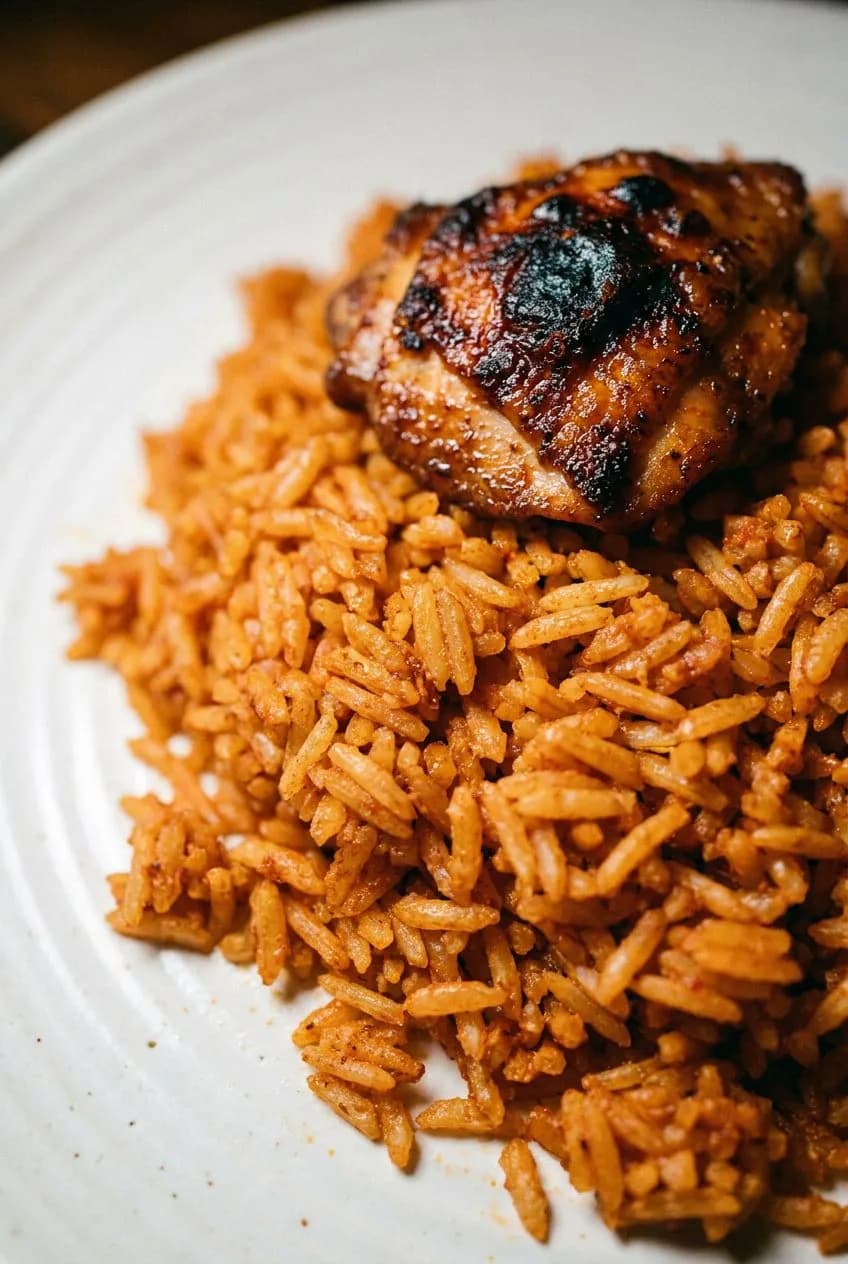
The menu exists but nobody orders from it on match days. The kitchen just starts cooking and plates arrive when they arrive. You'll get thieboudienne—Senegal's national dish of broken rice cooked in tomato and fish stock, studded with cassava and carrots that still have bite. Across the table someone's working through kabsa, the Saudi rice dish fragrant with cloves and black lime, topped with fall-apart lamb shank. The cooks aren't trying to serve both communities separately; they're running two parallel kitchens that happen to share the same stove. You taste the crossover in the small plates that land unannounced—fried plantains next to sambusas, bissap juice in one glass and qamar al-din apricot nectar in another. It's not fusion. It's coexistence plated.
How the Room Reads Every Touch
When the match starts, the volume drops to near-silence for the anthems, then explodes into a layered roar—you hear Arabic and Wolof and French all shouting at the same screen, sometimes at the same player. The veteran touches the ball and the entire room leans forward in their chairs. You feel the floorboards shift. Someone's grandmother near the back mutters prayers in Arabic. A teenager in a Senegal kit films everything on his phone, hands shaking. Every pass he makes gets analyzed in real time by people who've watched him for fifteen years, who remember when he was young and fast and untouchable, who now see him playing deeper, conserving energy, picking his moments. The room doesn't cheer louder for one side—they cheer louder for *him*. It's the strangest thing, watching rival fans applaud the same player for opposite reasons.
The Silence That Replaces Halftime Noise
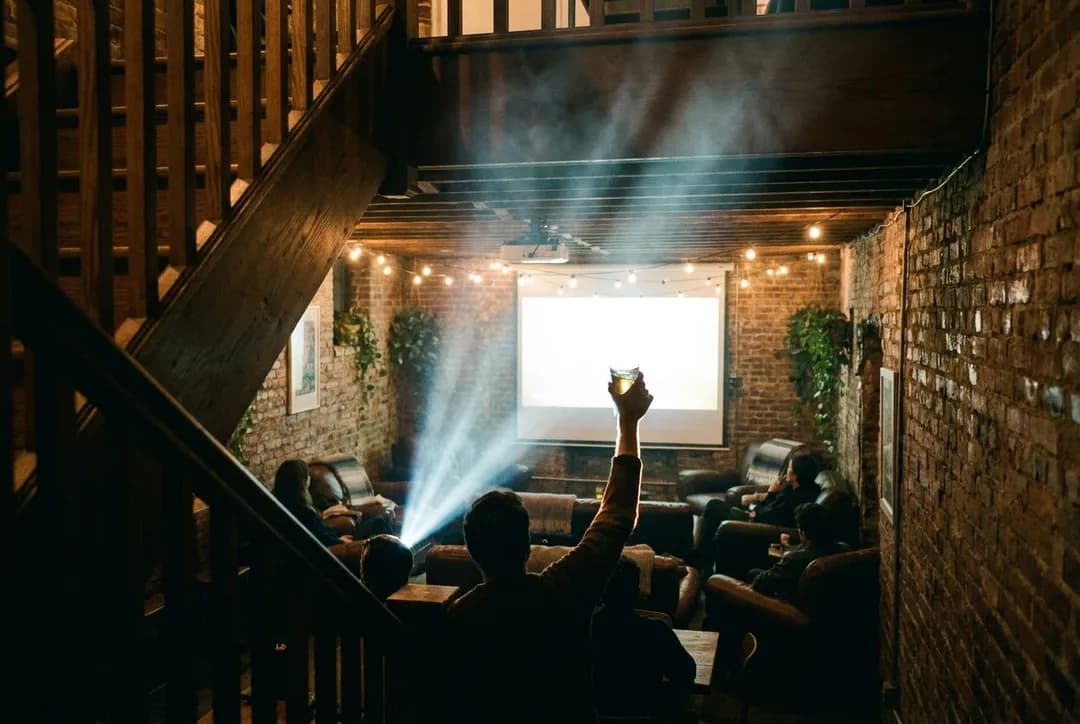
Halftime doesn't bring the usual chaos of people rushing to the bathroom or refilling drinks. Instead, the room stays seated and the conversations turn low and personal. You overhear a Saudi man in his fifties telling a Senegalese kid about watching the veteran play in a different tournament years ago, in a different country, when the world wasn't paying attention yet. The kid nods like he's receiving oral history. At the table behind you, two women—one in a Senegal scarf, one in a Saudi thobe—share a plate of something fried and argue gently about whether this match even matters compared to the legacy already cemented. Nobody's on their phone. The TV stays on, showing replays and commentary nobody's really watching. The room's doing its own halftime ritual: collective processing, pre-grieving, making peace with the clock.
What Happens When the Final Whistle Comes
You can't predict how the match ends, but you know how the room will react—it's not about the score. When the final whistle blows, there's applause that starts scattered and builds into something sustained and solemn, the kind you hear at the end of a theater performance when the audience knows they've witnessed something unrepeatable. People don't leave immediately. They sit and stare at the screen as it cuts to post-match interviews, as the veteran walks off the pitch for the last time in a World Cup. Someone near the front starts a chant and it catches, spreading through both sides of the room in a language that's neither Arabic nor Wolof but purely football. You see strangers shaking hands, taking photos together, jerseys from different nations pressed side by side. The staff doesn't rush anyone out. They just keep refilling tea and coffee, letting the room take its time saying goodbye.
Why This Room, This Morning, This Match
Harlem has plenty of spots to watch football, but this place works because it's never tried to be anything other than what it is—a neighborhood dining room that happens to serve the communities who live here. It's not marketed as a World Cup destination. There's no special event listing. People just know. The projection setup is basic, the chairs are mismatched, the bathrooms require a key attached to a wooden spoon. But the room understands weight. It gets that some matches aren't about winning; they're about witnessing. The kitchen doesn't cut corners when it's busy, the owner doesn't water down the significance by making it a party, and the crowd doesn't perform its grief or joy for anyone's benefit. You come here because watching history end requires being around people who understand what you're losing, even if they're losing it from a different angle.
Practical Notes
The spot sits in central Harlem, a few blocks from the main commercial strips, tucked on a side street you'd walk past if you weren't looking. No reservations for match days—just arrive early, ideally an hour before kickoff, and claim a seat. It fills completely once lineups are announced. The vibe skews all-ages; kids run between tables, elders hold court near the back. Transit-wise, you're close to multiple subway lines that run through Harlem—get off and walk a few minutes east or west depending on the stop. Cash helps, though they take cards. Expect to spend what you'd spend at a decent neighborhood meal, not cheap but not inflated for the occasion. The kitchen runs continuously during matches, so you won't go hungry. Bring your jersey, your flag, your superstitions. Leave your need to pick a side at the door.
Tags: #2026FIFAWorldCup #HarlemEats #SenegalFootball #SaudiArabia #WorldCupNYC #WestAfricanDiaspora #ArabDiaspora #FootballCulture #UptownNYC #DiasporaStories #LastMatch #LegacyMoments #HarlemCommunity #WorldCupViewing #NeighborhoodGathering
Sources consulted: fifa.com · espn.com · timeout.com
Please drink responsibly. Must be of legal drinking age.
All trademarks are the property of their respective owners.
Ask Karpo for more information.
Keep reading
- Haaland Has Seven Goals and Norway Runs Entirely Through Him
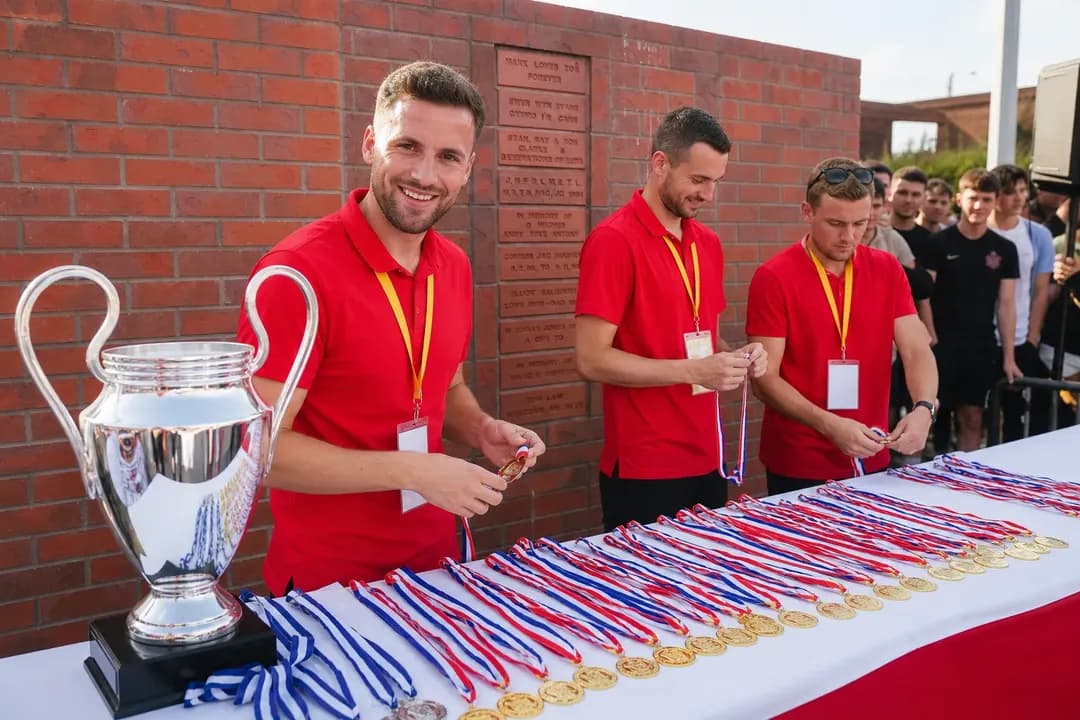 World Cup Trophy Ceremony Timing Medals and Postmatch Celebrations
 Olise and France's Attack: The Semifinal Tactical Question