 Haaland Has Seven Goals and Norway Runs Entirely Through Him
⚽️2026 FIFA WORLD CUP
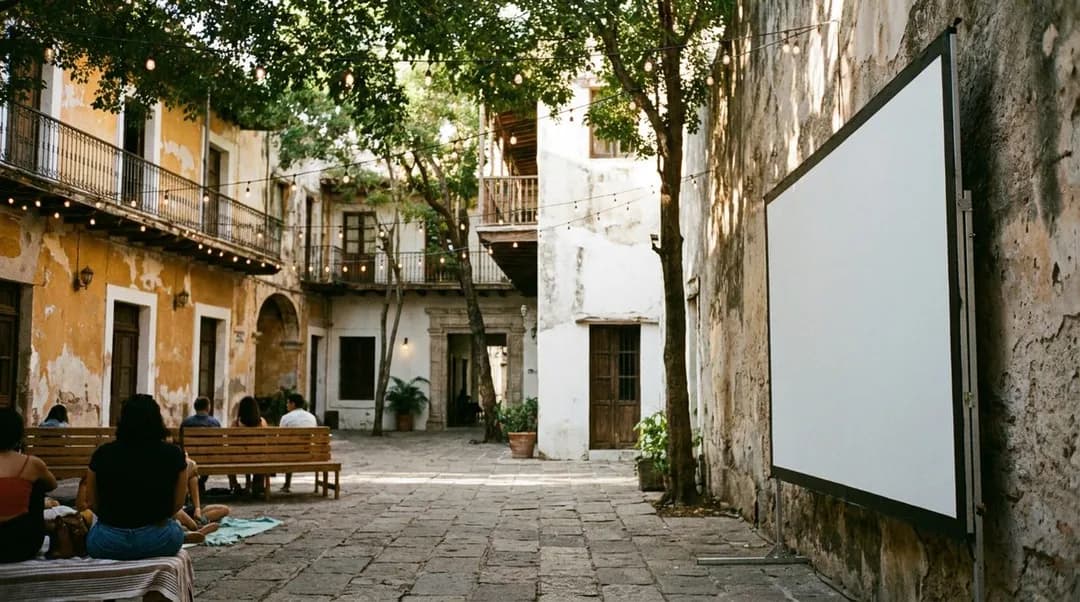
How Do Fans Honor a Legend's Last Match When Senegal vs Saudi Arabia Airs in Barrio Antiguo?
Barrio Antiguo's cobblestone courtyards become reverent gathering spots when an aging great may be stepping onto the World Cup stage one final time.
You slip into Barrio Antiguo on a match morning when the sun hasn't yet burned off the cool shadows between colonial buildings, and already the aluminum chairs are scraping across stone patios. When Senegal faces Saudi Arabia in a group stage fixture that might be someone's farewell—an aging midfielder, a goalkeeper who's carried a continent's hopes—this neighborhood stops pretending it's just another brunch crowd. The cobblestones remember every tournament since they started streaming matches here, and today the air feels different, heavier with the knowledge that greatness doesn't get infinite curtain calls.
The Courtyard That Becomes a Cathedral
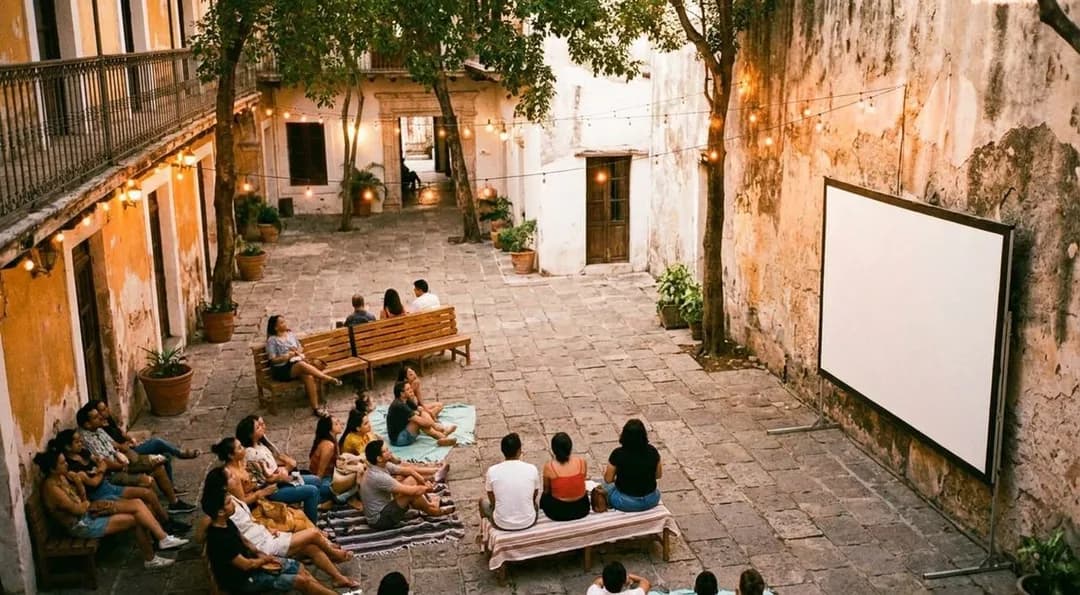
The interior patios tucked behind weathered wooden doors transform completely once the projector hums to life. You're standing on flagstones worn smooth by two centuries of footsteps, surrounded by walls the color of terracotta and cream, but the light from the screen washes everything in that particular blue-white glow that makes strangers into congregants. By the time anthems play, the space has filled with a specific cross-section of Monterrey: West African students from UANL who've claimed the tables nearest the screen, Saudi expats in crisp thobes nursing coffee, locals who've followed the tournament with the obsessive attention of people who understand what it means to watch someone's last dance. The temperature drops five degrees in these enclosed spaces, even as bodies pack tighter. You feel the stone walls holding the morning cool like a secret they're willing to share.
What the Kitchen Sends Out When History Hangs in the Air
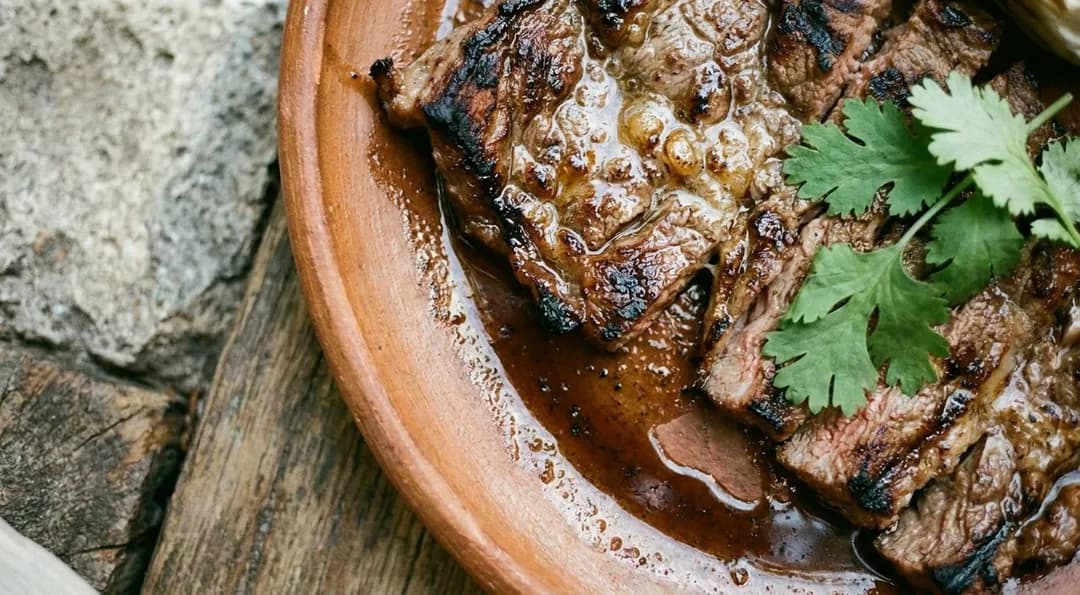
The food that emerges during these matches isn't trying to be authentic to anyone's home country—it's smarter than that. You get breakfast tacos with machaca that the kitchen has been stewing since before dawn, the shredded beef arriving at your table still steaming, wrapped in flour tortillas that leave your fingers slightly greasy in a way that makes you want another immediately. Someone's always ordered the chilaquiles, and you can track the match's tension by watching whether they actually eat or just push the chips around in their salsa verde. The coffee here is strong enough to taste the char, served in clay mugs that hold heat longer than ceramic. Between halves, the kitchen sends out fruit plates—mango, jícama, cucumber spears dusted with chile powder—and you watch people's hands hover over them during dangerous counterattacks, forgetting entirely that they'd reached for food.
How the Crowd Breathes Together
You start noticing the respiratory pattern about twenty minutes in. When possession changes hands, there's this collective inhale that you feel more than hear, then the held breath during the buildup, then the explosive exhale—whether it's relief or disappointment depends on which cluster of tables you're standing near. The Saudi contingent occupies the southwest corner, and they've got a call-and-response thing happening that picks up intensity whenever their team pushes forward. The Senegalese supporters answer back not with volume but with this rhythmic clapping that sounds like a heartbeat amplified. You're caught in the middle, probably cheering for neither side specifically, but you find yourself swaying slightly to the percussion of it all. Someone's brought a djembe—there's always someone with a drum during African team matches—and during stoppages it provides a low pulse that keeps everyone's nervous energy from spilling over into chaos.
The Regular Who Explains Everything to No One in Particular
There's a man who shows up to these matches wearing a different vintage jersey each time—today it's a faded Cameroon kit from the '90s—and he stands rather than sits, positioning himself where he can see both the screen and the crowd's reactions. He narrates the match in a mixture of Spanish and French, offering tactical analysis that's actually insightful, not the obvious commentary you'd get from casual fans. You overhear him explaining why the defensive midfielder's positioning matters, why that particular passing lane stays open, what the body language of a tired player looks like in the seventy-fifth minute. He's not performing for attention; he's simply unable to watch football in silence, the words spilling out like a river that's been flowing too long to stop. Other regulars nod along, occasionally adding their own observations, and you realize this is how knowledge transfers in spaces like this—not through formal teaching but through proximity and repetition and the shared language of people who've spent decades reading the game.
When the Light Changes and Everyone Knows
The match reaches that moment—you can feel it coming—where age shows itself on screen. Maybe it's a step slower recovering on defense, maybe it's the substitution board going up with a legend's number glowing red. The courtyard goes quiet in a way that's different from the normal tension of close matches. This is the hush of recognition, of watching time do what time does to everyone, even the magnificent. The morning sun has climbed high enough now that it's spilling over the eastern wall, cutting the patio into sections of harsh light and deep shadow. Someone near you says a name softly, reverently. You don't catch it clearly but you understand the tone—it's the way people say goodbye to versions of themselves they won't get back. The camera finds the player's face, and on this particular screen in this particular courtyard, you're close enough to see what acceptance looks like. The crowd's applause starts scattered, then builds until even people who walked in not knowing the significance are clapping because the moment demands it.
What Stays After the Final Whistle
The match ends and people don't immediately scatter. They linger in that post-game space where the adrenaline hasn't quite dissipated, ordering one more coffee, replaying key moments with hand gestures that approximate passes and runs. The tables with the most invested fans—the ones who wore national colors, who sang during warmups—are slower to pack up their things. You notice people exchanging social media handles, making plans for the next match, building the temporary community that tournament football creates. The staff starts folding chairs but without urgency, understanding that rushing this part would violate something unspoken. By the time you step back onto the cobblestone street, the neighborhood has returned to its regular rhythm—tourists photographing painted doorways, art galleries opening their shutters—but you carry the weight of what you witnessed. Not just a match, but a moment when strangers gathered to honor something fleeting, something that matters precisely because it doesn't last.
Practical Notes
Most of these courtyard venues open their patios around mid-morning on match days, with screens going live roughly an hour before kickoff. You'll find the concentration of spots along the pedestrian streets in Barrio Antiguo's core, particularly the blocks closest to the Macroplaza. Arrive at least thirty minutes early if you want a seat with a clear sightline—standing room fills up fast but the atmosphere's often better on your feet anyway. No reservations, cash smooths everything, and the food prices stay reasonable enough that you can eat twice and still walk out having spent less than you would at the stadium. The Metro's Zaragoza station puts you within a ten-minute walk. Weekday matches draw smaller crowds than weekend fixtures, but the energy from the die-hards compensates. Wear comfortable shoes; those cobblestones are unforgiving, and you'll be on your feet more than you planned.
Tags: #2026FIFAWorldCup #Monterrey #BarrioAntiguo #SenegalFootball #SaudiArabiaFootball #WorldCupCulture #FootballCommunity #MexicoTravel #CourtyardCinema #DiasporaCulture #LegacyMoments #MonterreyNeighborhoods #TournamentAtmosphere #ColonialMexico #AuthenticTravel
Sources consulted: fifa.com · espn.com · timeout.com
All trademarks are the property of their respective owners.
Ask Karpo for more information.
Keep reading
- Haaland Has Seven Goals and Norway Runs Entirely Through Him
 World Cup Trophy Ceremony Timing Medals and Postmatch Celebrations
 Olise and France's Attack: The Semifinal Tactical Question