 Haaland Has Seven Goals and Norway Runs Entirely Through Him
⚽️2026 FIFA WORLD CUP
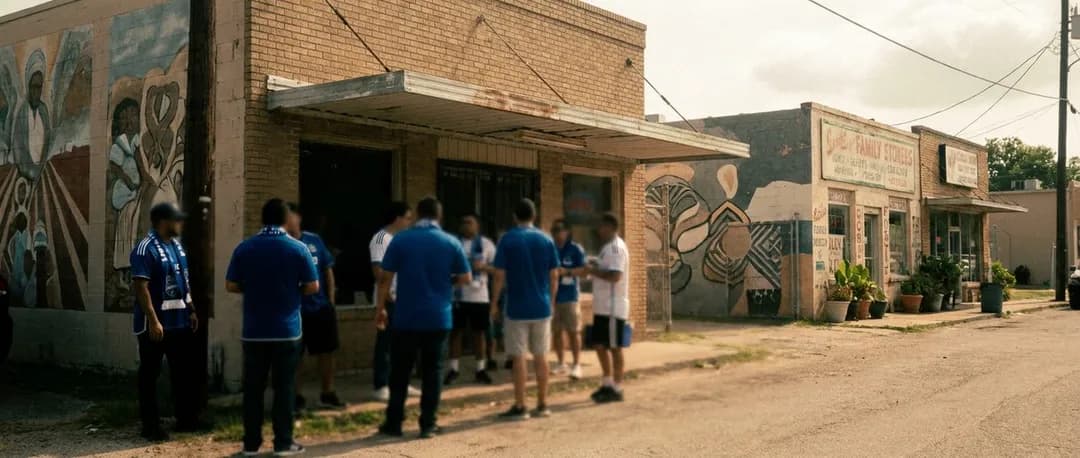
Honduras Supporters Activate Houston's Northside for World Cup Season
Houston's Northside neighborhood, anchored along Fulton Street and the Hardy Toll Road corridor, hosts one of the largest Honduran communities in the United States, and the World Cup is turning the area's existing soccer culture into something more organized, with community viewing events, informal block gatherings, and catrachos fan pride running through the local cafe and restaurant scene.
The blue and white flags multiply along Fulton Street as World Cup season transforms Houston's Northside into something resembling a Central American capital on match days. Honduras supporters have claimed this stretch of the city for decades, but the tournament brings a different energy—organized viewing parties replace informal gatherings, restaurants install projection systems where televisions once sufficed, and the catracho community that typically keeps to itself opens its doors wider. The Hardy Street corridor, running parallel to the tollway, becomes a procession route when Honduras plays, with car horns announcing goals before anyone inside the bars can react. What emerges is a neighborhood turning its everyday soccer devotion into a public celebration, where the World Cup doesn't just arrive—it amplifies what already exists.
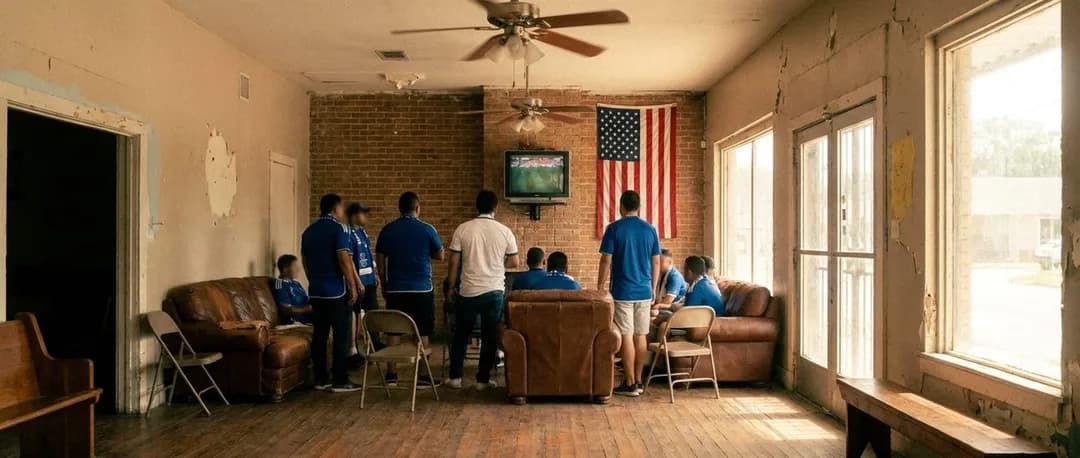
Cafeterías Transform Into Stadium Sections
The cafeterías along Fulton between Tidwell and Crosstimbers have spent weeks preparing for the tournament's intensity. Cafetería Hondureña, anchored near the Little York intersection, removed half its dining tables to accommodate standing-room crowds that now number over a hundred during Honduras matches. The owners installed a second projection screen facing the kitchen, ensuring even the staff preparing baleadas can track the action. Supporters arrive ninety minutes before kickoff, claiming tables with jerseys and scarves, ordering rounds of horchata and Salva Vida beer that keep flowing regardless of the score. The atmosphere builds gradually—conversations in Spanish about lineups and referee assignments, children wearing miniature national team kits weaving between chairs, and the collective tension that settles over the room as anthems play. When Honduras scores, the eruption is total: chairs scrape back, strangers embrace, and the noise spills onto the sidewalk where it merges with similar explosions from the panadería next door and the sports bar across the street. The neighborhood doesn't watch in isolation—it watches as a coordinated organism.
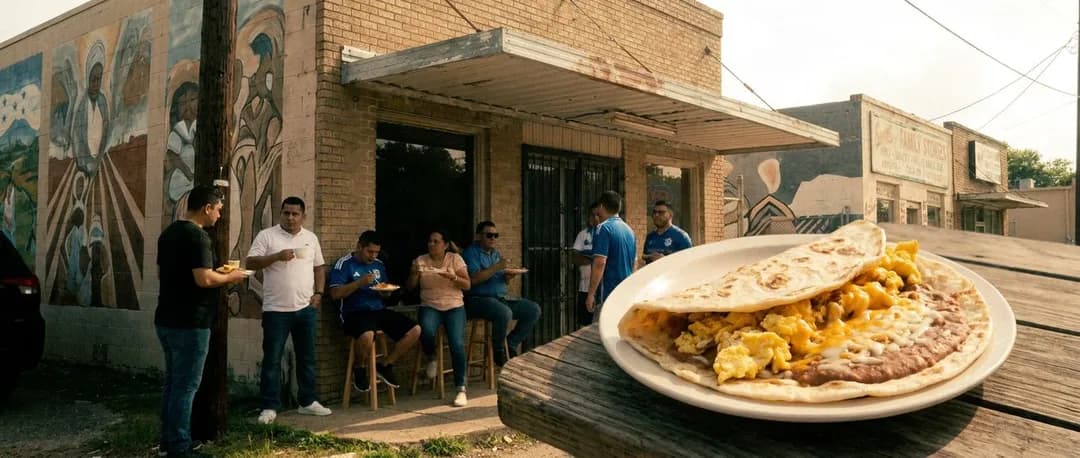
Hardy Corridor Becomes Unofficial Fan Zone
The stretch of Hardy Street between Airline and Irvington transforms on match days into an unofficial fan zone that no city planner designed but everyone understands. Supporters park in the strip mall lots and walk the corridor, moving between viewing locations based on capacity and atmosphere. Los Arrieros Restaurant, a Honduran steakhouse midway down the corridor, opens its patio hours early and sets up folding chairs that extend nearly to the sidewalk. The grill runs continuously, churning out carne asada and pollo con tajadas that fans order between halves. Nearby, smaller businesses—a cell phone repair shop, a money transfer office, a used car lot—all pause operations during matches, their employees joining the crowds at neighboring establishments or watching through propped-open doors. The corridor's rhythm shifts entirely: traffic slows as drivers crane to see scores on visible screens, pedestrians cluster at storefronts with the best viewing angles, and the usual commercial flow gives way to something more festival-like. After matches, win or lose, the corridor stays active—supporters linger outside restaurants, debating referee decisions and replaying key moments, while street vendors appear with pushcarts selling everything from coconut water to team scarves that weren't available an hour earlier.
Residential Blocks Stage Their Own Gatherings
Beyond the commercial strips, Northside's residential blocks host their own viewing traditions that feel more intimate than the restaurant crowds. On streets like Lyerly and Chesterfield, families set up projectors in garages, angling screens toward driveways where neighbors gather with lawn chairs and coolers. These block parties lack the intensity of the cafetería atmosphere but offer something different—children playing pickup games during halftime, older residents sharing stories of watching Honduras qualify decades ago, and the kind of community cohesion that only emerges when everyone's invested in the same outcome. Some blocks organize potlucks where each household contributes a dish, creating spreads of sopa de caracol, pastelitos, and platanos fritos that sustain crowds through extra time. The residential gatherings also serve a practical function: families with young children or older relatives who can't navigate the restaurant crowds find these block setups more accessible. The neighborhood's World Cup experience isn't confined to commercial venues—it spreads into the residential fabric, where support for Honduras feels less like fandom and more like cultural continuity.
Food Vendors Track Tournament Rhythm
The neighborhood's food economy adapts to the tournament's schedule with impressive precision. Baleada vendors who typically work morning shifts extend their hours to capture post-match crowds, setting up carts near the busiest viewing locations and staying until the last supporters disperse. Pupusa makers at Antojitos Catrachos prepare double their usual inventory on Honduras match days, knowing demand will spike regardless of the result—celebration requires food, but so does consolation. The tamale vendors who work the residential blocks adjust their routes based on kickoff times, ensuring they arrive during halftime when families are most likely to buy. Even the eloteros—corn cart operators—modify their offerings, adding Honduran-style toppings and hot sauce varieties that appeal specifically to the catracho crowd. The food scene becomes a real-time indicator of the tournament's impact: vendors who thrive signal strong community engagement, while their inventory choices reflect what supporters actually want during these high-stakes viewing experiences. The economic ripple extends beyond match days too—restaurants report increased weekday traffic as the tournament raises the neighborhood's profile, drawing visitors who discovered the area during World Cup weekends.
Transit Patterns Shift Around Match Schedule
The neighborhood's relationship with Houston's transit system reveals itself during tournament season. The Northline Transit Center, serving multiple bus routes and the Red Line, sees unusual evening surges when Honduras plays night matches. Supporters from other parts of Houston—Spring Branch, Gulfton, even as far as Pasadena—converge on Northside for the communal viewing experience, arriving via bus and rail combinations that typically serve work commutes. The 82 Westheimer bus, which connects to the Red Line, runs fuller than usual with passengers wearing Honduras jerseys. Local supporters who normally drive choose transit on match days to avoid parking headaches and post-match traffic, creating an uncharacteristic reliance on public transportation in a neighborhood where car ownership is standard. The transit patterns also highlight the community's geographic spread: while Northside serves as the cultural anchor, Honduran Houstonians travel from across the metro area to participate in these gatherings, treating the neighborhood as a pilgrimage site during the tournament. Metro's real-time tracking shows these patterns clearly—ridership spikes two hours before kickoff and remains elevated for hours afterward, demonstrating how the World Cup temporarily reshapes the city's transportation flows.
Practical Notes for Visiting Observers
• Transit access: Red Line to Northline Transit Center, then walk west along Fulton (10-15 minutes) or take 56 Airline bus. Parking fills quickly near major viewing venues—arrive two hours early or use transit.
• Timing: Restaurants and cafeterías open early on match days (often 7 AM for afternoon games). Post-match atmosphere continues 2-3 hours after final whistle, longer for Honduras victories.
• Weather consideration: Summer matches mean oppressive heat—outdoor gatherings provide fans and misters, but indoor venues with AC fill fastest. Evening matches are more comfortable for corridor walking.
• Language: Spanish dominates—basic phrases help, though many restaurant staff are bilingual. Menus at major venues include English descriptions.
Tags: #HoustonNorthside #HondurasSoccer #WorldCupHouston #CatrachosCommunity #FultonStreet #HoustonSoccerCulture #HondurasFans #NorthsideHouston #HoustonFoodScene #WorldCupViewing #HoustonNeighborhoods #HondurasinHouston #HTX #SoccerCulture
Sources consulted: fifa.com (https://www.fifa.com) · visithoustontexas.com (https://www.visithoustontexas.com) · houston.culturemap.com (https://houston.culturemap.com)
All trademarks are the property of their respective owners.
Ask Karpo first
Wondering where Houston's Honduran community and catrachos fans are gathering for World Cup matches this summer?
Ask Karpo for the latest on Houston Northside viewing spots, Honduran community event schedules, and the neighborhood scene around Honduras match days.
Ask Karpo for more information.
Keep reading
- Haaland Has Seven Goals and Norway Runs Entirely Through Him
 World Cup Trophy Ceremony Timing Medals and Postmatch Celebrations
 Olise and France's Attack: The Semifinal Tactical Question