 Haaland Has Seven Goals and Norway Runs Entirely Through Him
⚽️2026 FIFA WORLD CUP
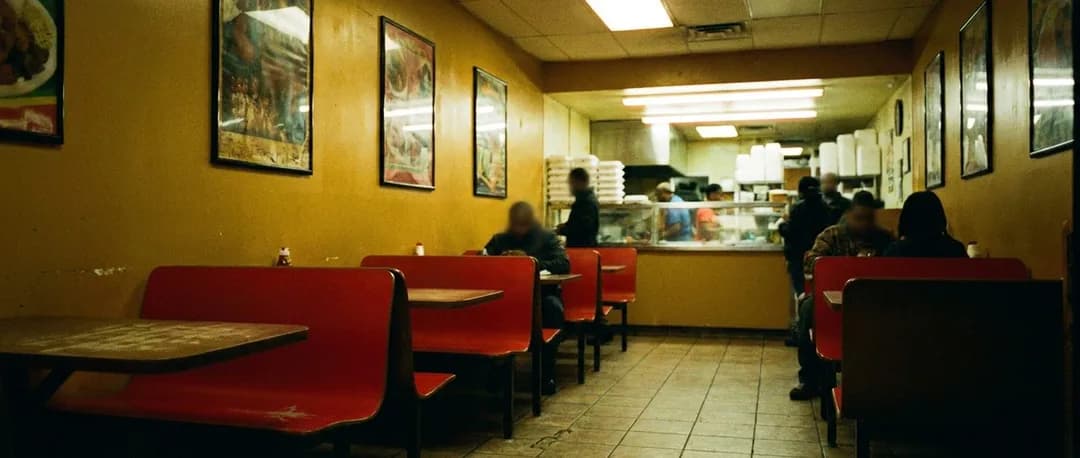
Harlem Jerk Chicken Spots Buzzing Like a Colman Domingo Premiere Night
Harlem's jerk joints hum with the same energy as a film premiere, fans arriving early and dressed for the occasion before heading to the stadium.
You step into Harlem's jerk chicken spots on World Cup match days and the air crackles with the same anticipation you'd find outside a film premiere—people checking their watches, smoothing their jerseys, the low hum of expectation building before the main event. The difference: instead of red carpets, you're navigating clouds of pimento wood smoke, and the stars are the pit masters flipping chicken quarters with the precision of surgeons.
The Pre-Game Ritual Starts Hours Before Kickoff
Walk down Malcolm X Boulevard mid-morning and you'll see it already happening. Fans in national colors queue outside storefronts where jerk smoke drifts through propped-open doors, mixing with summer humidity. The early arrivals know what tourists don't: the first batch off the grill hits different, skin still crackling, meat so hot it steams when you tear into it. You'll spot regulars in full kit—replica jerseys tucked in, matching caps, face paint already applied—ordering doubles and triples to share, wrapping foil packages like precious cargo. The counter staff move in practiced choreography, calling out orders in patois-inflected shorthand, hands never stopping. One woman I watched packed six meals in under ninety seconds, each bundle tight enough to survive a subway ride to the stadium without leaking a drop of marinade.
Smoke Signals and Sidewalk Theater
The sidewalk scene outside these joints becomes its own spectacle. Folding tables appear covered in hot sauce bottles—some homemade, labels handwritten in marker. Someone's always grilling extra plantains on a portable setup, selling them for pocket change. The smoke hangs low between buildings, and you can track the best spots by following your nose three blocks out. Inside, the kitchen windows frame the action: whole chickens butterflied and flattened, getting basted with marinade so dark it looks like motor oil. The pit masters work shirtless sometimes, sweat mixing with smoke, turning birds with long-handled forks that scrape against metal grates in a rhythm that sounds almost musical. You hear laughter, trash talk in multiple languages, someone's aunt loudly critiquing a marinade recipe while her nephew pretends not to hear.
What to Order When You're Ordering Like a Local
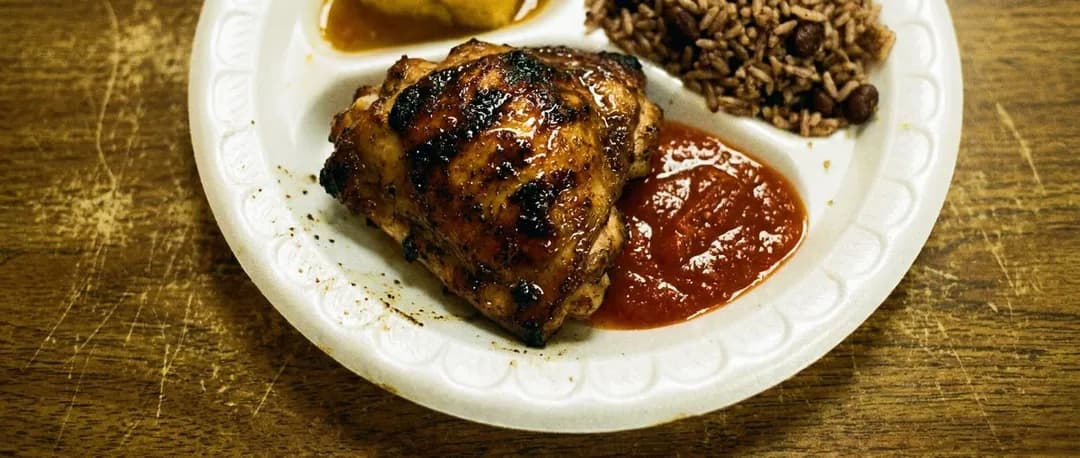
Forget the mild option. The locals go for the burn, the kind that makes your scalp prickle and your eyes water just slightly. You want a quarter chicken—leg and thigh—with extra sauce on the side, not drowning the meat. The rice and peas comes standard, cooked with coconut milk and kidney beans, and it's your fire extinguisher between bites. Festival—those sweet fried dough sticks—are non-negotiable, though purists argue they're Jamaican street food, not traditional jerk accompaniment. The coleslaw here isn't mayonnaise-heavy American deli slaw; it's vinegar-dressed, crisp, cutting through the richness. Watch how people eat: they tear the chicken with their hands, let the bones pile up on the styrofoam, wipe their fingers on napkins that never quite do the job. Nobody's precious about it. You'll see businesspeople in good shirts leaning forward at odd angles to keep the drips off their clothes, completely focused, temporarily forgetting they have a train to catch.
The Diaspora Convergence Point
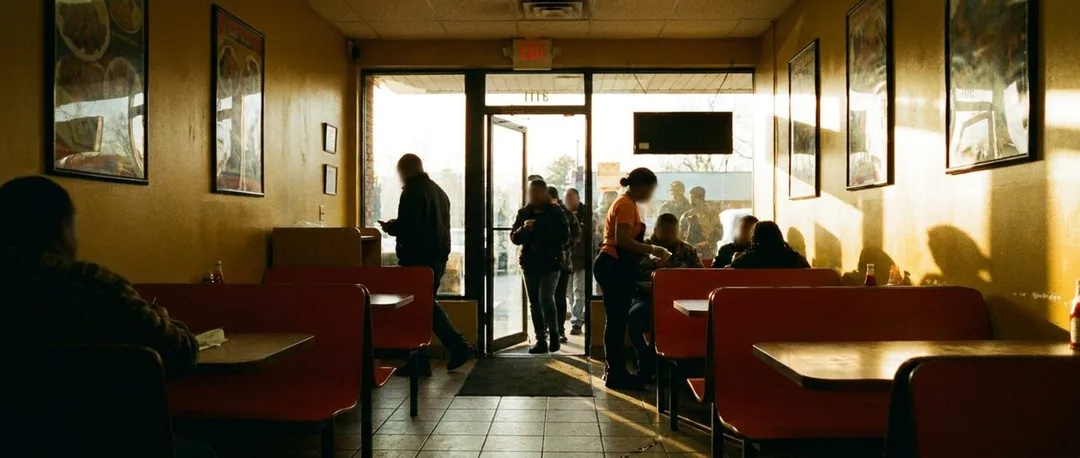
Match days turn these spots into unofficial embassies. You'll hear Spanish, French, Portuguese, patois, and half a dozen African languages bouncing between tables. Someone wearing a Ghana jersey debates tactics with a guy in Colombia colors, both gesturing with chicken bones for emphasis. The TV screens—always multiple, always loud—show pre-match coverage while people shout translations for their friends. The energy shifts depending on who's playing. When a Caribbean nation takes the field, the volume doubles, and suddenly everyone's a cousin or knows someone who knows someone from the team. The owners sometimes switch the music to match the crowd, soca bleeding into highlife into reggaeton, the bass making the windows rattle in their frames. You realize these restaurants function as gathering spaces, living rooms for people whose actual living rooms are too small for this kind of collective joy.
The Science of Timing Your Arrival
Show up ninety minutes before kickoff and you're golden—food's ready, crowd's building but not overwhelming, you can still grab a seat if you want one. Two hours out and you're early enough to watch the preparation, see the marinade going on, but you might wait. Thirty minutes before and you're competing with the procrastinators and the stadium workers who know they can grab something quick. The smart move: call ahead if you're feeding a group, though half these places don't answer their phones during rush because everyone's hands are full. Some joints run out of chicken by halftime, shutting down early or pivoting to whatever's left—oxtail, curry goat, brown stew. The window after the match ends brings a second wave, people either celebrating or needing comfort food, and the vibe shifts from anticipation to processing, everyone talking over everyone else, replaying controversial calls.
Where the Smoke Meets the Street
The best spots cluster in a few key blocks, close enough to subway lines that feed the stadium routes. You're looking for places with outdoor grills visible from the sidewalk, where the smoke is actual wood smoke, not just char from a gas flame. The interiors are usually no-frills: linoleum floors, plastic chairs, walls covered in posters and flags and photographs of Caribbean beaches. The lighting is fluorescent and unflattering, which somehow makes the food look even better, glistening with oil and spices under those harsh bulbs. Some places have a separate takeout window for the sidewalk crowd, a little cut-out in the wall where money and food change hands without anyone going inside. You'll notice the regulars have their own unspoken reserved spots—certain seats, certain positions in line—and newcomers learn quickly not to disrupt the flow.
Practical Notes
Most jerk spots in Harlem open late morning and run until they sell out, which on match days means mid-evening if you're lucky. Expect to pay cash, though some places now take cards with a minimum. Budget accordingly—you're not breaking the bank, but feeding a group adds up. The subway gets you close from anywhere in the city; look for stops along the 2, 3, A, B, C, or D lines that put you in central Harlem. Walking between spots is easy and recommended—the neighborhood reveals itself between destinations. No reservations, no bookings, just show up and join the line. Bring napkins from home if you're picky; the single-ply situation is real. And wear something you don't mind getting sauce on, because you will get sauce on it.
Tags: #HarlemFood #JerkChicken #WorldCupNYC #CaribbeanCuisine #HarlemEats #NewYorkFoodScene #MatchDayRituals #DiasporaDining #StreetFoodCulture #FIFA2026 #AuthenticFlavors #FoodAndFootball #NYCNeighborhoods #CulinaryHarlem #SmokedAndSpiced
Sources consulted: fifa.com · espn.com · timeout.com
All trademarks are the property of their respective owners.
Ask Karpo for more information.
Keep reading
- Haaland Has Seven Goals and Norway Runs Entirely Through Him
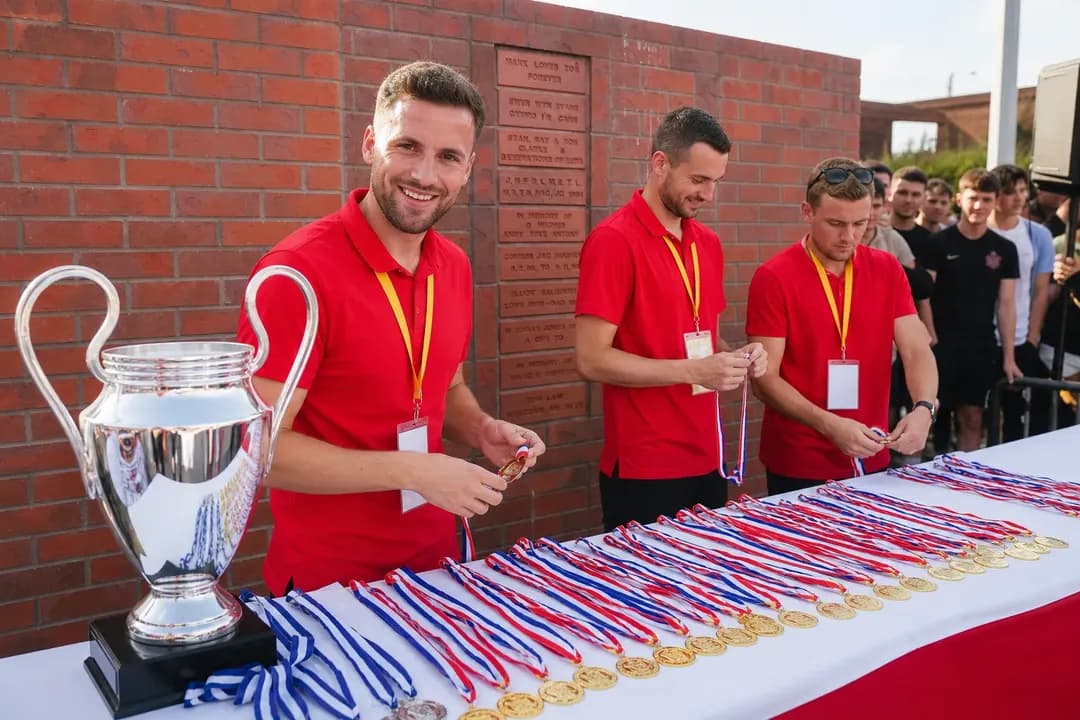 World Cup Trophy Ceremony Timing Medals and Postmatch Celebrations
 Olise and France's Attack: The Semifinal Tactical Question