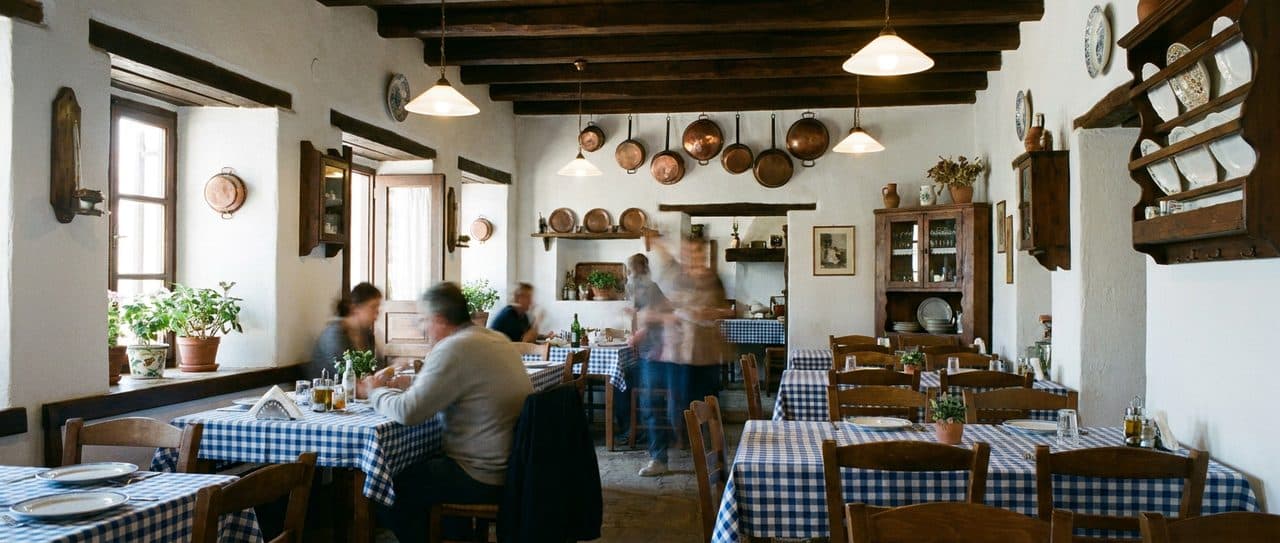
You walk into a Greek taverna in Astoria on match day and the air splits down the middle—half the room locked into a Knicks playoff elimination game, the other half tracking a World Cup group stage decider where Greece isn't even playing but Cyprus might as well be. The kitchen doesn't care. It keeps sending out plates of charred octopus and whipped feta while someone's uncle argues that both tournaments peaked in 1994. The lamb keeps turning on the spit. The tzatziki stays cold. You're here for the overlap, that strange alchemy where basketball timeouts and penalty kicks share the same exhale.
The Corner That Runs on Dual Loyalty
Astoria's Greek dining rooms operate on a specific frequency during tournament season—you'll find flat-screens mounted at angles that let you track two games without turning your head more than thirty degrees. The older men claim the tables nearest the bar, close enough to hear the Greek-language commentary streaming from someone's phone but positioned to catch NBA play-by-play on the house speakers. You order a Mythos and watch the negotiation unfold: volume up for a corner kick, volume down for a jump ball, everyone leaning forward in unison when both clocks wind under two minutes. The waitstaff navigates this choreography without breaking stride, setting down plates during commercial breaks and halftime with the precision of air traffic controllers. You realize the real skill isn't cooking under pressure—it's serving food to people whose attention exists in two time zones simultaneously.
What Arrives When You Stop Watching the Clock
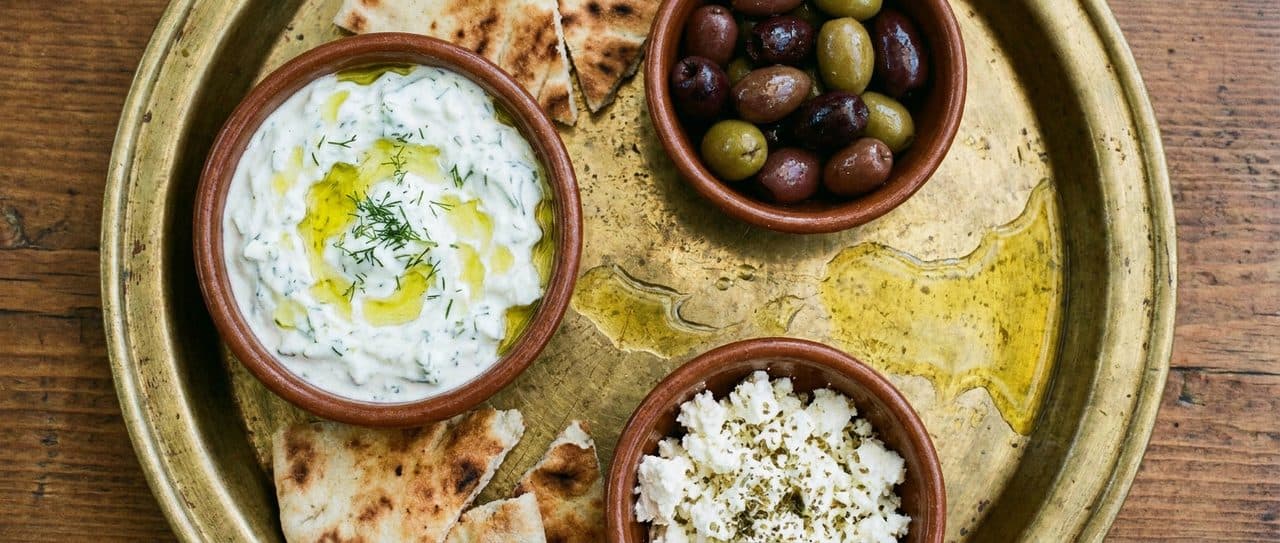
The meze comes out in waves timed to nothing except kitchen rhythm. First the cold spreads—taramosalata the color of sunset, melitzanosalata with char marks still visible in the eggplant's flesh, that htipiti whipped cheese spiked with enough pepper to make you reach for bread before you've finished chewing. Then the warm plates: saganaki that hits the table still crackling, the cheese pulling apart in strings that catch the overhead light. Grilled halloumi with a crust like a basketball court's finish. Somewhere between the second and third round of plates, you lose track of the score in both games. Your hands smell like lemon and oregano. The table's covered in olive pits and crumpled napkins. Someone three tables over shouts at a screen and you don't know which one. It doesn't matter. The food keeps you anchored while the rooms splits its attention between Madison Square Garden and wherever the World Cup's landed this cycle.
The Grill Station That Doesn't Acknowledge Overtime
You can see straight into the kitchen from certain seats, watch the grill cook work the souvlaki station like he's conducting an orchestra with metal skewers. Pork, chicken, lamb—they all get the same treatment, turned at intervals that have nothing to do with the game clock and everything to do with muscle memory. The meat picks up char in stripes, fat rendering onto coals that flare and settle in their own rhythm. During penalty shootouts, the dining room goes silent except for held breath, but the kitchen maintains its steady clatter—tongs on metal, knives on boards, the wet sound of meat hitting hot grates. You order the lamb chops because someone at the next table got them and the smell made you reconsider your entire order. They arrive butterflied and crusted with dried oregano, still pink in the center, with a wedge of lemon that's been grilled until the flesh caramelized. You eat them with your hands. Both games go to overtime. The lamb doesn't wait.
Where the Regulars Keep Their Own Scorecards
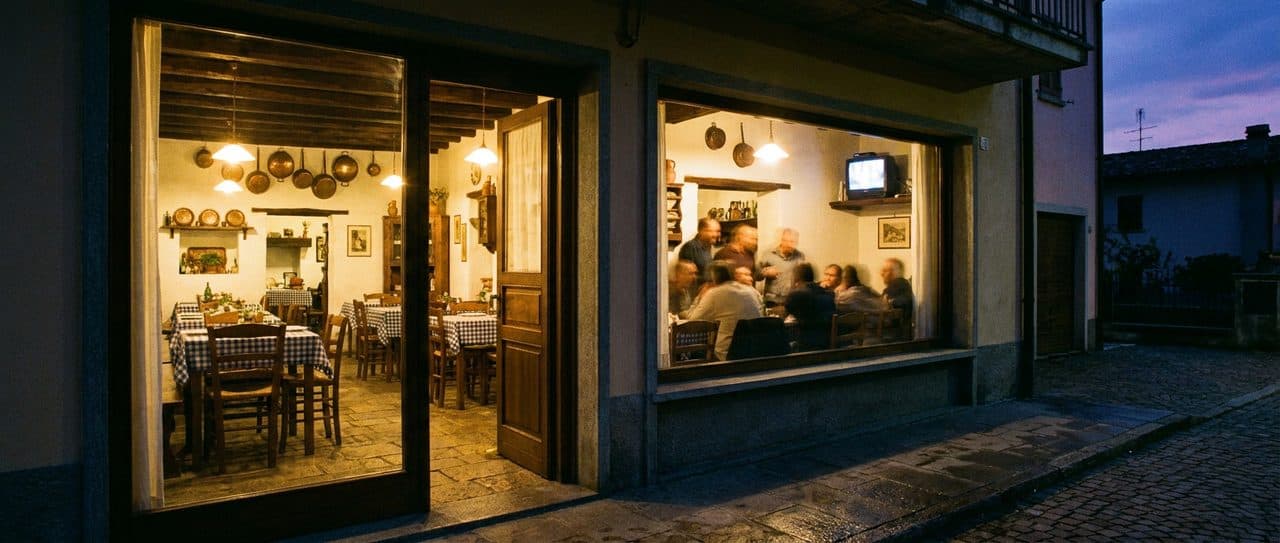
The corner booth near the window holds the same four men every match day—you can tell by the way they don't look at menus, by how the waiter brings their usuals without asking. They keep a running tally of predictions in a notebook with a cracked leather cover, not just final scores but granular bets: who'll draw the first foul, which minute the first substitution happens, whether the Knicks will attempt more three-pointers than Greece's opponent takes shots on goal. Money never changes hands that you can see, but the bragging rights carry over from week to week, tournament to tournament, season to season. One of them always orders the stifado, that wine-braised beef stew with pearl onions that takes three hours to make right, and he eats it slowly enough to last from tip-off through the final whistle of whichever game ends last. You wonder how many tournaments that notebook's survived, how many playoff runs and group stages have been argued over that table's scarred wood surface.
The Bread Basket That Outlasts Both Finals
The bread arrives warm in a plastic basket lined with paper towels, the kind of detail that shouldn't matter but defines the whole experience. It's not fancy—just a good crusty loaf with a soft interior, olive oil on the side, sometimes a small dish of olives that nobody ordered but everyone picks at. You use it to chase the last of the tzatziki, to soak up the lemon-oil puddle left by the grilled fish, to give your hands something to do during tense moments when both games hang in the balance. The basket gets refilled without you asking. By the time both tournaments wind down to their final matches, you've been through enough bread to build a pretty solid carb foundation for the next round of beers. The couple two tables over has been here since the early game started—you watched their bread basket get refilled four times. They're still going, still watching, still reaching for another piece to drag through the taramasalata that somehow hasn't run out.
When the Kitchen Closes But Nobody Leaves
The official close time becomes theoretical during tournament play. The kitchen stops taking orders but the grill stays lit, the fryer keeps its oil hot for one more round of fries if someone asks nicely. The staff starts wiping down tables in the back section while the front remains full, everyone nursing their last drink, watching injury time tick down on one screen while post-game analysis plays on another. You smell cigarette smoke drifting in from the sidewalk where the smokers have gathered, their voices carrying through the propped door, debating calls and fouls in a mix of Greek and English that switches languages mid-sentence. The owner—or maybe just the guy who acts like the owner—makes rounds with a bottle of Metaxa, pouring small glasses for the tables that stayed longest. You didn't order it but you're not refusing it. The brandy tastes like tournament nights that stretch past reasonable hours, like the specific sweetness of watching sports in a room where everyone's invested in different outcomes but the same ritual.
Practical Notes
Most Greek tavernas in Astoria keep flexible hours during major tournaments, opening earlier for morning matches and staying late when games run long. You'll find the densest concentration along Ditmars Boulevard and the streets branching off toward the East River. The subway gets you there—N or W train to Astoria-Ditmars Boulevard—and the walk from the station takes you past enough options to comparison shop by crowd energy and screen placement. Reservations don't really exist for match-day service; you show up, you wait if you need to, you grab a seat when it opens. Expect to spend somewhere in the range of casual neighborhood dining—a few rounds of meze and drinks won't break you, but you're not eating on a food cart budget either. Cash helps, though most places take cards now. The real trick is arriving early enough to claim a table with good screen sightlines but late enough that the kitchen's hit its stride.
Tags: #AstoriaEats #QueensNYC #GreekFood #WorldCup2026 #NYCTavernas #MezePlates #KnicksPlayoffs #AstoriaDining #TournamentWatch #NeighborhoodGems #NYCFood #DitmarsBlvd #SportsBarCulture #GreekTaverna #WorldCupNYC
Sources consulted: fifa.com · espn.com · timeout.com
Please drink responsibly. Must be of legal drinking age.
All trademarks are the property of their respective owners.