 Haaland Has Seven Goals and Norway Runs Entirely Through Him
⚽️2026 FIFA WORLD CUP
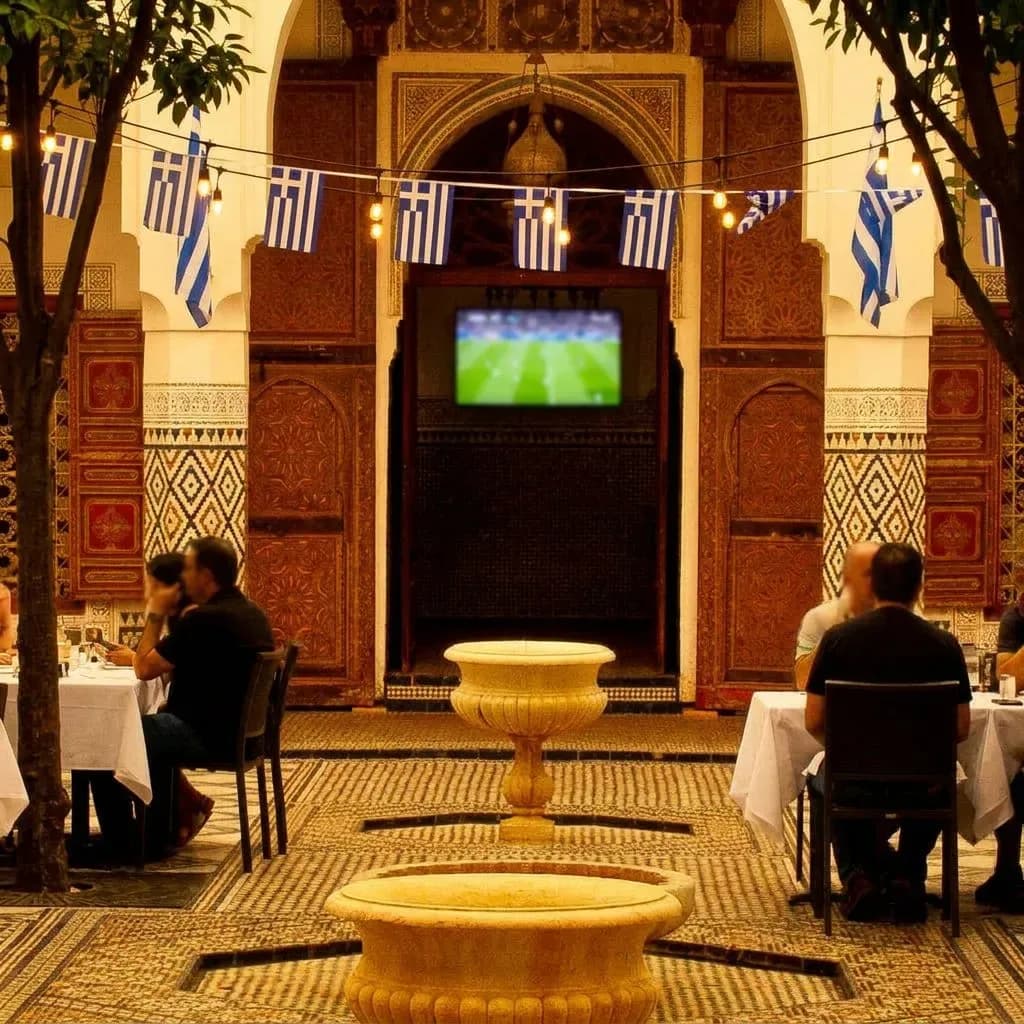
Greece Fans Watch the World Cup in Astoria: Tavernas on 30th Avenue Become Open-Air Stadiums
As the global soccer spectacle unfolds, Astoria's Greek enclaves transform into electric arenas, brimming with impassioned fans who gather to cheer on their beloved teams amidst a vibrant tapestry.
# Greece Fans Watch the World Cup in Astoria: Tavernas on 30th Avenue Become Open-Air Stadiums
The air in Astoria on a World Cup match day for Greece is not just electric; it’s a tangible, pulsating entity. As the global fervor for the beautiful game reaches new heights, nowhere in New York City does it manifest with such an intoxicating blend of tradition and raw passion as on 30th Avenue. Here, the aroma of grilled lamb and roasting coffee mingles with the excited chatter of anticipation, as tavernas drag their televisions onto sidewalks, transforming the bustling thoroughfare into an open-air stadium. The sun glints off the ubiquitous blue and white, and the sense of community is so profound, it feels less like a neighborhood and more like a family reunion.
The Heart of the Action: 30th Avenue's Grand Spectacle
Along 30th Avenue, between Steinway Street and 38th Street, the atmosphere for a Greece World Cup match is less about watching a game and more about participating in a cultural phenomenon. Picture this: flat-screen TVs, some comically large, are wheeled out onto the generous sidewalks, often propped on makeshift stands or directly into the open windows of storefronts. Rows of plastic chairs, sometimes spilling into designated outdoor dining areas, face these screens, filling up hours before kickoff. Patrons, a mix of multi-generational Greek families, hip young Astorians, and curious tourists, clutch glasses of iced coffee or tiny shots of ouzo. The scent of charring souvlaki from a nearby grill house, usually a constant, becomes even more pronounced, a comforting backdrop to the unfolding drama. Here, the experience is communal by design; strangers become temporary allies, high-fiving after a near-miss, groaning in unison at a referee’s call. The roar that erupts for a Greek goal isn't just noise; it’s a release, a collective affirmation of heritage and hope, echoing off the brick facades of the low-rise buildings.
Divergent Displays: The More Intimate Settings of Ditmars Boulevard
While 30th Avenue offers the stadium-like spectacle, a different, more intimate World Cup experience can be found a few blocks north, along Ditmars Boulevard. Here, particularly west of 31st Street, the vibe shifts from a boisterous street party to a series of cozy, yet equally fervent, gatherings within the neighborhood’s smaller, more traditional kafenios and family-run restaurants. The TVs are still prominent, but they’re usually nestled inside, casting a blue glow over checkered tablecloths and framed photos of sun-drenched Greek islands. The crowd here tends to be a bit older, perhaps a little more subdued in their pre-match rituals, but no less passionate. Conversations are in a more hushed, anticipatory tone, often punctuated by the clinking of backgammon pieces or the gentle murmur of Greek television news. When a goal is scored, the cheers are sharp and immediate, contained within the walls of the establishment but radiating an intense energy. It’s less about being seen and more about being *among* fellow enthusiasts, sharing the suspense and joy in a space that feels like an extension of home.
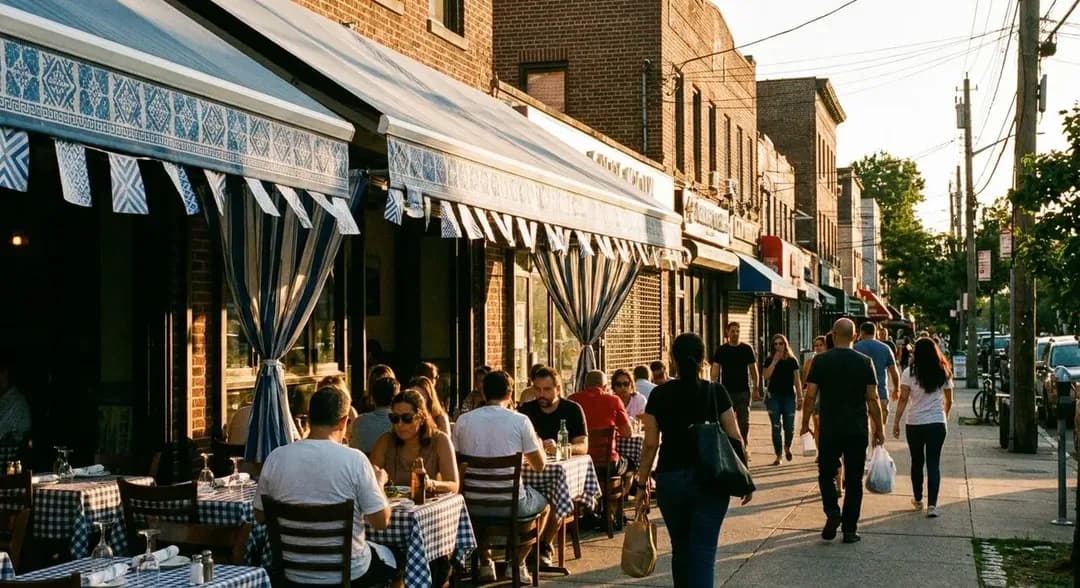
What Match Day Actually Looks Like
The rhythm of a Greece World Cup match day in Astoria begins subtly, hours before kickoff. By late morning, or early afternoon depending on the match schedule, a palpable buzz starts to build. Flag vendors appear near subway exits, hawking small Greek flags and scarves. The sidewalks of 30th Avenue begin to swell with people, many already sporting blue and white jerseys. Tavernas, usually bustling with lunch crowds, extend their outdoor seating, and the familiar whir of espresso machines is soon joined by the clinking of ice in ouzo glasses. As kickoff nears, the energy intensifies. The pre-match national anthem is often sung with a hand over the heart, a moment of solemn pride before the frenzy descends. The first whistle unleashes a torrent of shouts, groans, and fervent encouragement. Every tackle is felt, every pass analyzed, every shot on goal met with a collective intake of breath. When Greece scores, the explosion is instantaneous: ouzo toasts clink, baklava trays are passed around, and strangers embrace. The roar is deafening, a visceral wave of sound that momentarily drowns out the street noise, a testament to the community's deep connection to its team.
The Halftime Ritual
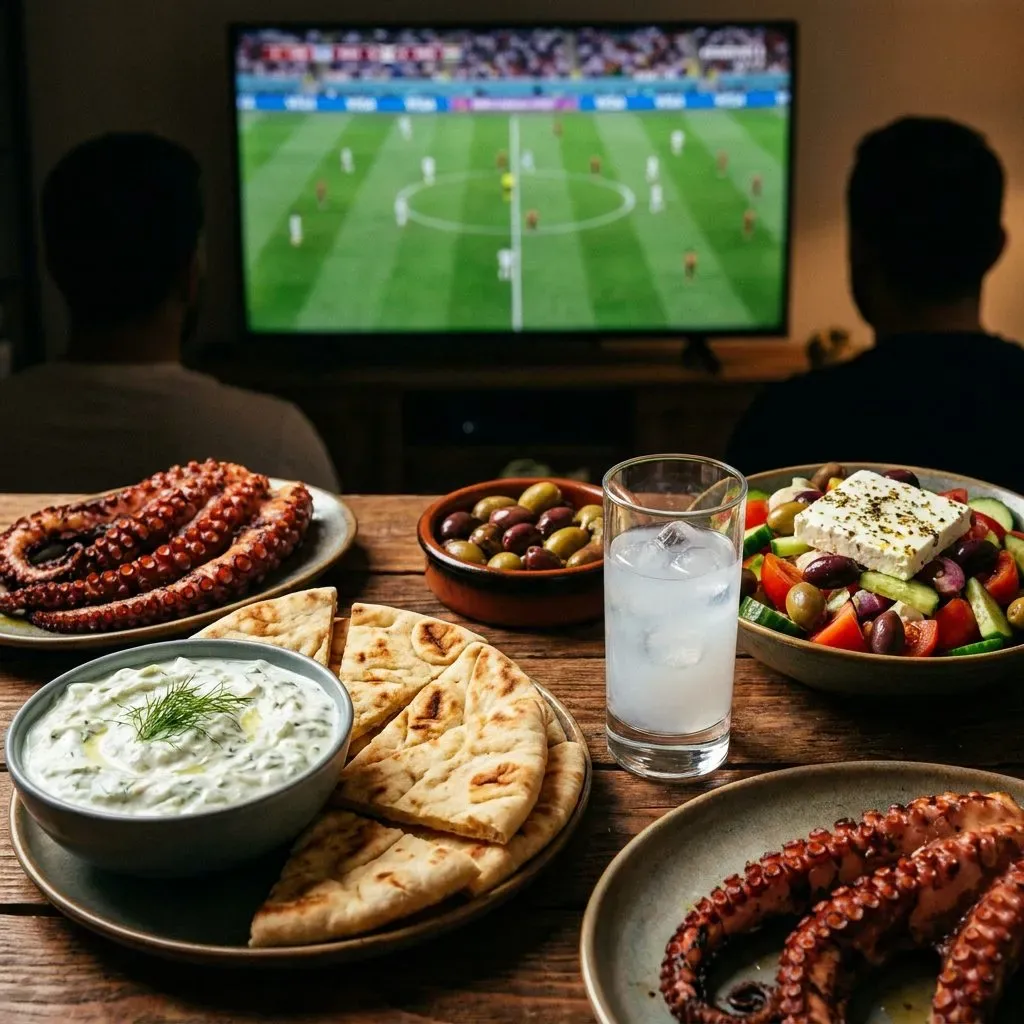
Halftime is a brief, but crucial, interlude in the World Cup drama. The sudden hush after the referee's whistle is almost as striking as the game's peak intensity. This is when the practicalities of a long viewing session come into play. People stretch, chat animatedly about missed opportunities or brilliant plays, and most importantly, refuel. Plates of spanakopita, crispy and warm, make their rounds, alongside generous slices of baklava – sticky, sweet, and layered with nuts and honey. Coffee cups are refilled, and for those who started with ouzo, a shot of Metaxa might be next. It's a social reset, a chance to process the first 45 minutes and prepare for the second. Children, who might have been initially mesmerized, use this break to run around, momentarily escaping the adults' intense focus. The air, thick with the scent of coffee and pastries, becomes a backdrop for strategizing and hopeful predictions for the coming half.
After the Final Whistle
The final whistle signals either an explosion of unbridled joy or a collective sigh of commiseration, but rarely indifference. If Greece wins, the jubilation is immediate and infectious. Car horns blare, flags wave frantically from car windows, and impromptu parades might form along 30th Avenue, with revelers spilling into the street, chanting and singing. Ouzo flows freely, and the celebratory atmosphere can last for hours, well into the night. Friends and family linger at tables, rehashing every goal, every save, every glorious moment. If Greece loses, the mood shifts from despair to a quiet, dignified melancholy. While the initial disappointment is palpable, it quickly morphs into a stoic resolve, a collective "next time." Conversations turn to analysis, to the what-ifs, but always with an underlying pride in their team. The tavernas, though quieter, remain gathering places, where shared commiseration solidifies bonds, and the promise of future victories—or at least future World Cups—is silently understood.
Practical Notes for Visitors
### Transit
The most convenient way to reach the heart of Astoria's World Cup action on 30th Avenue is via the NYC subway. Take the N or W train to the 30th Avenue station. The main viewing areas are just a short walk from there. Ditmars Boulevard is also easily accessible via the N or W train to the Ditmars Boulevard station.
### Timing
For Greece matches, arrive at least 2-3 hours before kickoff, especially for crucial group stage games or knockout rounds. Sidewalk seating at popular tavernas fills up quickly, and the atmosphere builds gradually. For Ditmars Boulevard, arriving 1-1.5 hours ahead should suffice for a good spot inside.
### Etiquette
Embrace the passion! Cheering, clapping, and even a bit of good-natured shouting are all part of the experience. Be respectful of personal space on crowded sidewalks, but don't be afraid to strike up a conversation with a fellow fan. Learn a few basic Greek phrases like "Go Greece!" (Páme Elláda!) or "Goal!" (Gkol!) to really immerse yourself.
### Unique Tip
Bring cash. While many establishments accept cards, having small bills is convenient for quick snack purchases from street vendors or for tipping, especially during peak World Cup chaos. Also, consider wearing blue and white – it’s not mandatory, but it certainly helps you blend into the joyous, fervent crowd.
Tags: #FIFAWorldCup2026 #Greecenationalteam #Astoria #NewYorkCity #WorldCupNYC #WorldCupWatch #WorldCupFans #FanCulture #WorldCupBracket #MatchDay #SoccerCulture #WorldCupStandings #LocalSportsBar #DiasporaCulture #WorldCupViewing
Sources consulted: fifa.com · timeout.com · espn.com · gothamist.com
All trademarks are the property of their respective owners.
Ask Karpo first
Want to know which 30th Avenue taverna sets up the biggest outdoor screen for Greece matches, where the ouzo flows fastest at halftime, and whether Ditmars Boulevard has overflow spots? Ask Karpo for the Astoria Greek fan guide, outdoor viewing locations, and the best souvlaki stops between matches.
Ask Karpo for more information.
Keep reading
- Haaland Has Seven Goals and Norway Runs Entirely Through Him
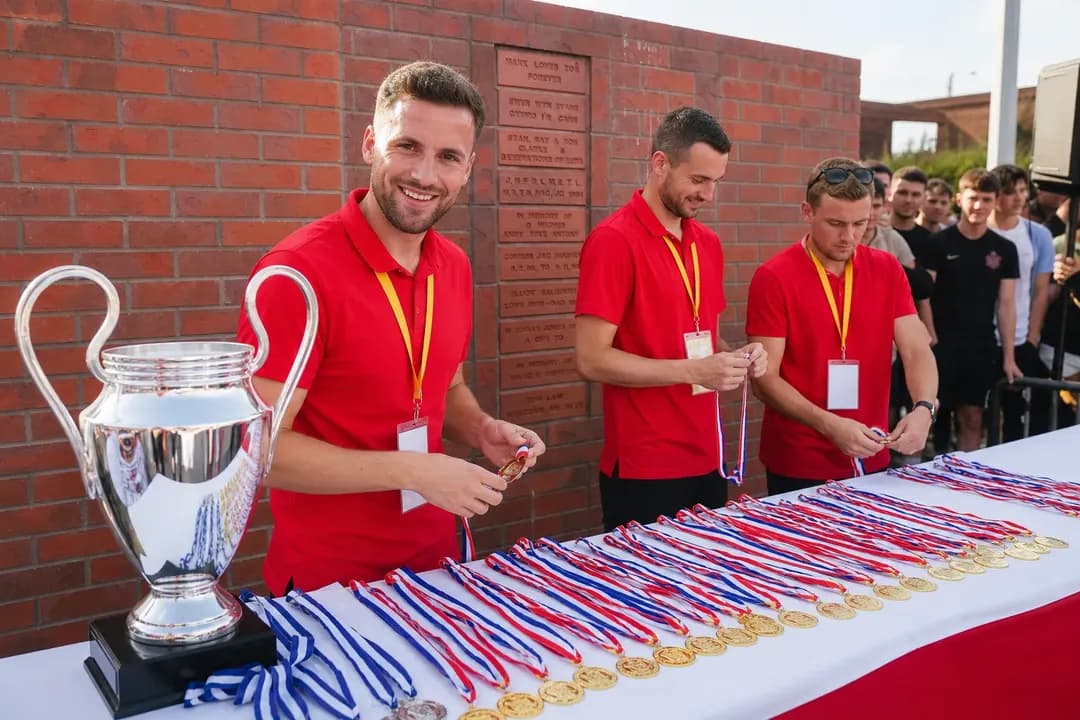 World Cup Trophy Ceremony Timing Medals and Postmatch Celebrations
 Olise and France's Attack: The Semifinal Tactical Question