 Haaland Has Seven Goals and Norway Runs Entirely Through Him
⚽️2026 FIFA WORLD CUP
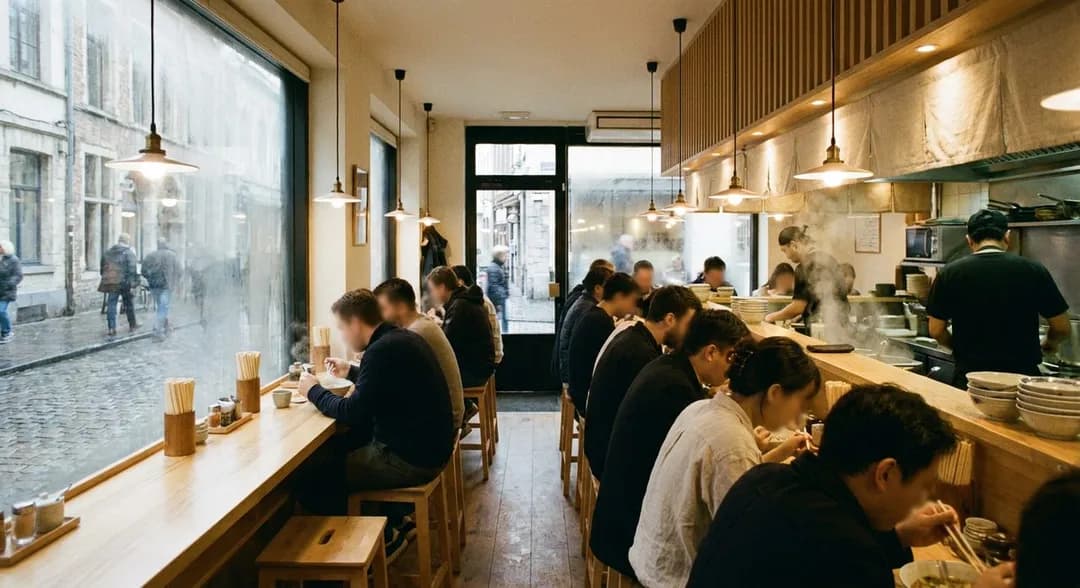
Gastown Ramen Counters Filling Up Like Fable 5 Launch Night Before Kickoff
Gastown ramen spots host gamers and soccer fans in quiet parallel, each group marking time before their respective evening events begin.
The ramen counters in Gastown start filling around five in the evening with two distinct groups who never really acknowledge each other but share the same ritual: eating fast, checking phones, marking time before the real event begins. On one side you've got soccer fans in replica jerseys layering carbs before heading to watch parties. On the other, gamers in hoodies doing the exact same thing before a major game release goes live at midnight. The noodle shops become neutral ground, thick with steam and the smell of pork fat, where both tribes quietly coexist.
The Pre-Event Carb Load Has Its Own Geometry
You can spot the difference in posture before you see the jerseys or the gaming laptops. Soccer fans sit in clusters of three or four, leaning back between bites, talking loudly about lineups and which bar has the best screen setup. Gamers sit alone or in pairs, hunched forward, one earbud in, scrolling through patch notes or Discord channels. Both groups order the same thing: tonkotsu with extra chashu, sometimes an extra egg. The rhythm of the room shifts every twenty minutes as one wave finishes and another slides onto the stools. The staff barely look up anymore—they've seen this pattern repeat for years, just with different events marking the calendar.
The light through the windows turns that particular Vancouver grey-gold around this hour, the kind that makes the whole neighborhood feel like it's holding its breath. You hear the hiss of broth hitting hot bowls, the clatter of ceramic spoons, the low hum of anticipation that has nothing to do with the food itself. The ramen is just fuel. The real hunger is for what comes after.
Steam Clouds and Screen Glow Create the Same Trance
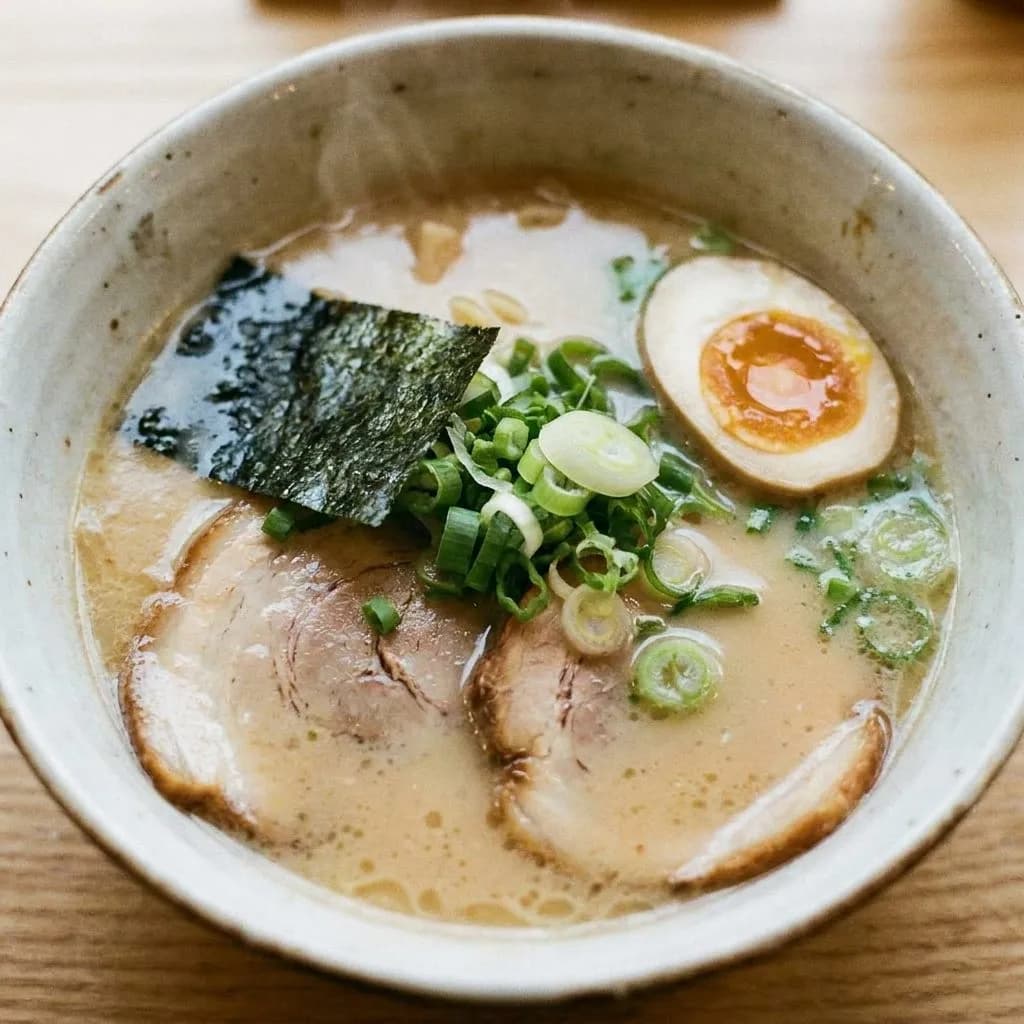
Walk into any of these spots during the pre-event rush and you'll notice how the steam from the kitchen creates a kind of fog that softens everything. People's faces glow blue from phone screens, checking kick-off times or server status updates, and the whole room takes on this dreamlike quality where nobody's fully present. The ramen itself becomes almost meditative—the repetitive motion of lifting noodles, the heat against your face, the way your body temperature rises and you have to shrug off your jacket even though it's cold outside.
There's a regular at one spot who comes in every major release night, orders the same bowl, eats it in twelve minutes flat, and leaves without looking up from his phone once. He's usually gone before the soccer crowd even arrives, but during World Cup season the timelines overlap and you see him sitting two stools down from someone in a scarf and jersey, both of them performing the exact same ritual with different end goals. Neither group lingers. The turnover is fast. Tables that would normally hold a couple on a date for ninety minutes now cycle through six different people in the same span.
The Jerseys Tell You Which Diaspora Is Gathering Where
During tournament season you can read the room by the jerseys. Certain colors cluster at certain counters, and you start to understand which spots have become unofficial gathering points for specific communities. The staff doesn't advertise it, but word travels through group chats and family networks, and suddenly one ramen shop becomes the pre-game spot for a particular fan base while another, three blocks away, fills with a completely different crowd.
The gamers don't have this same visible tribalism, but they have their own codes—certain brands of headphones, specific laptop stickers, the way they position their bags to save a seat for a friend who's still in transit. You overhear fragments of conversation about frame rates and server capacity, the same nervous energy as the soccer fans debating formations and injury reports. Both groups are preparing for something that requires focus and endurance, even if one involves a screen at home and the other involves a packed bar with a hundred strangers.
Timing Windows Close Faster Than You Think
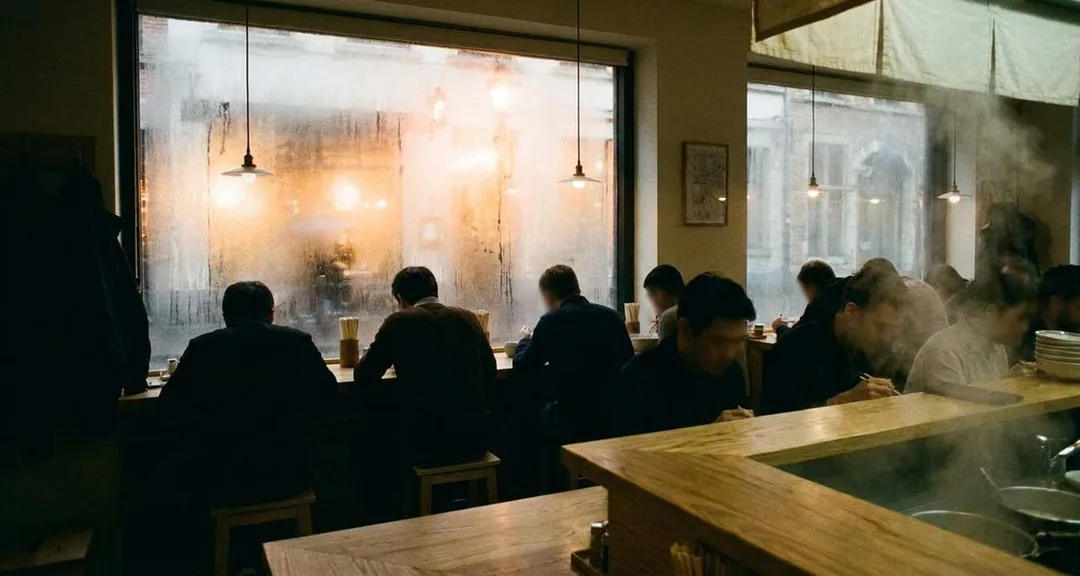
The window between too early and too late is narrow. Show up at four-thirty and you're sitting alone with the day-drinkers who wandered up from the waterfront. Show up at six-fifteen and you're waiting twenty minutes for a stool, standing in the cold with everyone else who miscalculated. The smart move is to arrive right around five, claim your spot, and eat with purpose. The staff moves faster during these rushes, less chat, more efficiency. They know you're not here for the experience—you're here for the fuel.
You can feel the room's energy shift as people start to leave. The first wave heads out around five-forty-five, the soccer fans migrating toward the sports bars in Yaletown or the viewing parties in community centers. The gamers trickle out later, closer to seven or eight, heading home to set up their rigs and wait for the servers to go live. For about twenty minutes the shop goes quiet, almost empty, before the regular dinner crowd starts to filter in—couples, tourists, people who have no idea two completely different subcultures just cycled through.
The Menu Doesn't Change But the Order Patterns Do
On regular nights you see more variety in what people order—tantanmen, miso, the vegetarian options. During these pre-event rushes it's almost exclusively tonkotsu, the richest, heaviest option. People want density. They want something that'll hold them through hours of standing or sitting, through the adrenaline and the noise and the collective experience of watching something unfold in real time.
The kitchen staff can tell when a major event is coming just by the prep they have to do. More pork belly gets braised, more eggs get marinated, more noodle portions get pre-measured. There's a practiced efficiency to how they move during these rushes, a choreography that comes from repetition. You see the same cook working the same station, pulling noodles at the same moment the broth gets ladled, the timing so precise it looks effortless even though you know it's not.
The Quiet After Feels Like a Held Breath Released
Once the rush clears and the regular evening crowd settles in, the shops return to their normal temperature. The staff slows down, starts chatting again, wipes down counters that won't need wiping for another hour. The air clears a bit, the steam dissipates, and you can actually hear the music that's been playing the whole time. This is when the neighborhood people come in, the ones who live above the shops or work late shifts nearby, the ones who treat ramen like dinner instead of fuel.
But even in the quiet you can feel the ghost of the rush, the way the space still holds the energy of all those people moving through with singular focus. The stools are still warm. The floor is still slick from tracked-in rain. And somewhere across the city, both groups are now fully immersed in what they came for—the match, the game, the event that justified the ritual. The ramen shops will do it all again tomorrow, or the next time the calendar marks something worth gathering for, the cycle repeating with different faces and the same hunger.
Practical Notes
Most Gastown ramen spots open late morning and run until late evening, with the pre-event rush hitting hardest between five and seven. Getting there early in that window is your best bet for avoiding waits. Transit-wise, you're steps from Waterfront Station or a short walk from Stadium-Chinatown. Cash helps at some spots though cards work most places now. During tournament season, expect the neighborhood to pulse with foot traffic heading toward various viewing venues—plan your route accordingly if you're trying to catch something specific afterward.
Tags: #GastownEats #VancouverRamen #FIFAWorldCup2026 #GamingCulture #PreGameRitual #VancouverFoodie #NoodleCounter #SportsAndGaming #GastownVancouver #RamenCulture #WorldCupVancouver #VancouverNightlife #FanCulture #EventNightEats #VanCityLife
Sources consulted: fifa.com · espn.com · timeout.com
All trademarks are the property of their respective owners.
Ask Karpo for more information.
Keep reading
- Haaland Has Seven Goals and Norway Runs Entirely Through Him
 World Cup Trophy Ceremony Timing Medals and Postmatch Celebrations
 Olise and France's Attack: The Semifinal Tactical Question