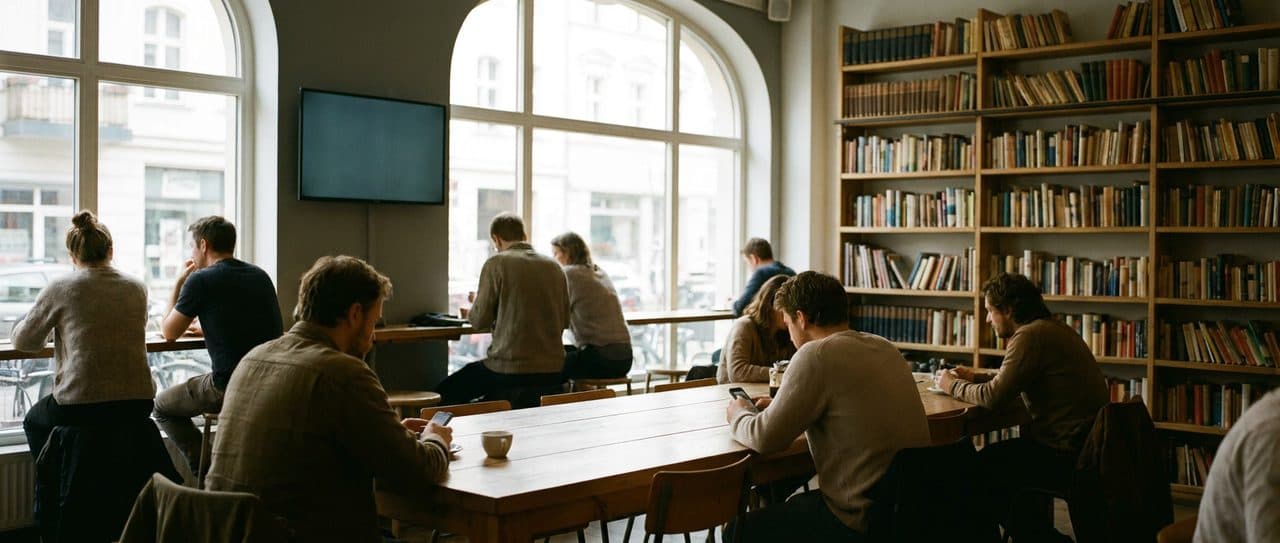
You walk into a Fort Greene cafe on a June afternoon and find half the room debating algorithmic bias in hiring while the other half leans toward a mounted screen showing a World Cup match at two-fifteen. Nobody's shushing anyone. The barista pulls espresso through both conversations, and when a goal goes in, the discussion about restorative justice pauses just long enough for a collective exhale before picking back up. This is how Fort Greene does summer 2026—where the social reckoning doesn't take a break for soccer, it just shares the table.
The Corner Where Morning Panels Become Afternoon Watch Parties
The cafes along DeKalb host monthly community dialogues—criminal justice reform, housing policy, climate action—scheduled for late morning into early afternoon. When World Cup fixtures overlap, organizers don't reschedule. They just angle a projector toward the back wall. You'll see someone with a stack of policy briefs next to their cortado, glancing up every few minutes when the crowd's energy shifts. The sound stays low enough that the facilitator at the front table doesn't need to raise their voice, but high enough that you catch the commentator's cadence during buildup play. The light through the storefront glass hits differently around three—golden and slanted, cutting across both the screen and the circle of folding chairs where someone's mid-sentence about mutual aid networks. The coffee here runs strong and a little bitter, the kind that keeps you alert through two hours of discourse and ninety minutes of extra time.
Where The Regulars Know Both Kickoff Times And Panel Schedules
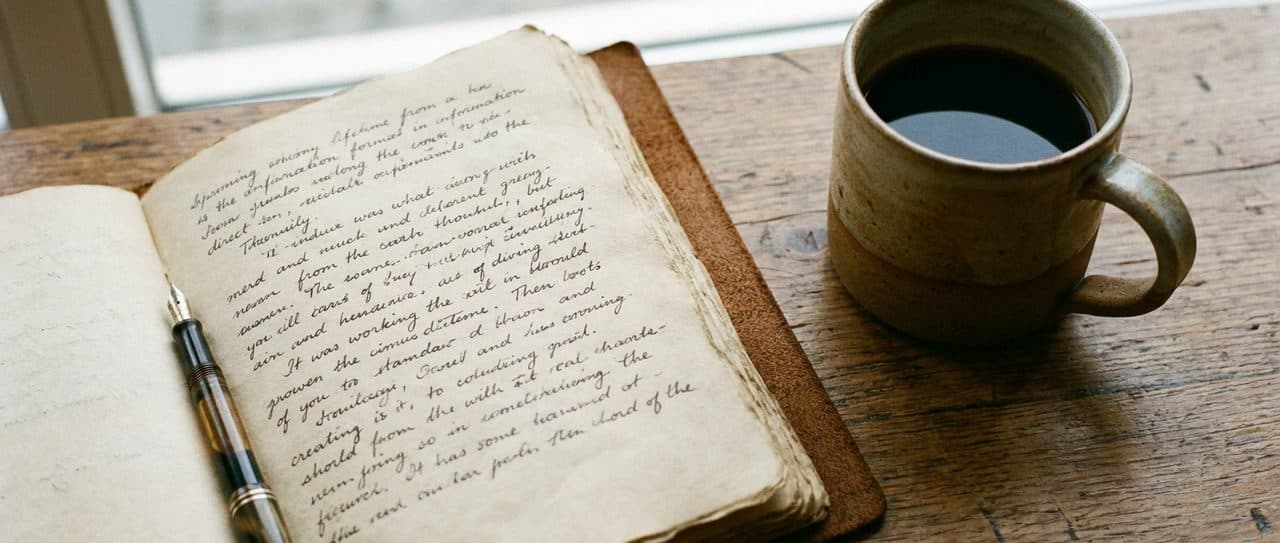
There's a place near the park where the same faces show up whether it's a listening session on education equity or a round-of-sixteen match. You recognize them by their laptops, their tote bags with organization logos, their habit of ordering the same grain bowl every time. When a match starts, they push their work to the side but don't close it. During halftime, the conversation drifts back to whatever was on the agenda—police accountability, tenant rights—without anyone formally calling the room to order. The staff knows this rhythm. They don't rush table turns. They keep the cold brew flowing and the pastry case stocked through the afternoon lull that isn't really a lull anymore. You hear Portuguese and Spanish and Wolof rising and falling with the match momentum, layered over English discussions about policy language and coalition building. The bathroom line gets long around the seventy-minute mark, everyone timing it to avoid missing anything crucial on either front.
The Backyard Setup That Hosts Both Microphones And Match Commentary
One spot has a garden out back—gravel underfoot, string lights overhead, a few picnic tables that get claimed early. They run a speaker series here, usually focused on local activism and cultural preservation. During the tournament, they prop a screen against the back fence. The setup's makeshift but stable, weighted down with sandbags that also hold down the tent corners when summer storms roll through. You sit on benches that still have flyers tucked under the slats from last week's town hall about small business support. Someone's always grilling something—plantains, corn, sausages depending on who's cooking that day—and the smoke drifts through the yard mixing with the smell of jasmine from the neighbor's fence. The moderator for the afternoon's panel on arts funding wraps up their intro right as the national anthems finish, and everyone settles into a strange double focus, half-listening to budget breakdowns while tracking player movement. When the discussion opens for questions, someone inevitably ties their point to what just happened on screen—teamwork, strategy, resource allocation—and it never feels forced.
The Window Counter Where Solo Attendees Become Temporary Neighbors
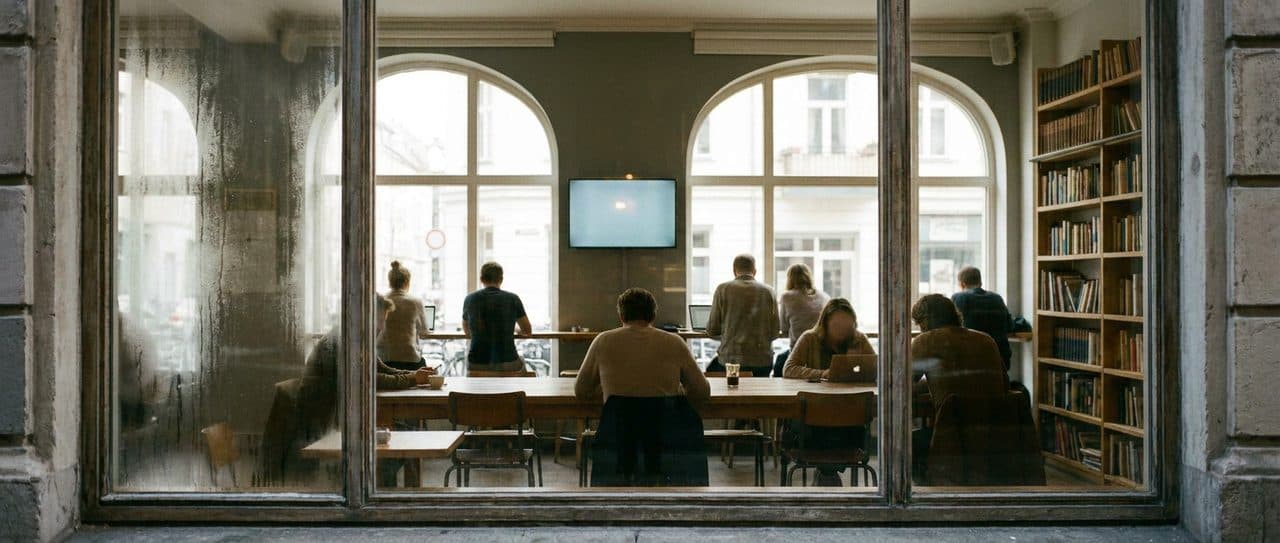
If you're coming alone to either the panel or the match, you end up at the window counter. It's a narrow marble ledge running the length of the front glass, with backless stools that swivel. You're shoulder to shoulder with strangers, all facing outward toward the street but aware of the screen's reflection in the window. The person next to you might be annotating a community survey or they might be wearing a jersey under their linen shirt. Either way, you end up talking. Not the whole time, just in the gaps—between speakers, between halves, when someone needs to stretch their legs. The conversations start specific and drift wider. You learn about a housing co-op proposal, a youth soccer league that practices in the park, a mutual aid fund that's been running since the early pandemic days. The coffee cups accumulate along the ledge, some empty, some nursing the last cold inch. The light changes as the afternoon stretches, and the window becomes a mirror, and you watch the room behind you in the glass—the gestures, the reactions, the way people lean in or sit back depending on what's unfolding.
The Table In The Back That's Always Reserved But Never Exclusive
There's a large communal table in the rear of most of these spots, technically reserved for the organized gatherings but functionally open to anyone who respects the vibe. You can sit there during a panel if you're willing to be part of the conversation, even if you're just listening. Same during a match—you can claim a corner if you're genuinely watching, not just camping for the wifi. The table's scarred wood, marked by years of laptops and water rings and the occasional spilled beer from evening events. Someone usually brings handouts, someone else brings stickers, and they pile up in the center alongside the sugar caddy and the hot sauce bottles. The energy here's different than the window counter—more collective, less anonymous. When a contentious moment happens on screen or in the discussion, you feel it ripple through the whole table. People make space without being asked. They pass the outlet extender, they lower their screen brightness during the match, they hold their applause until the speaker finishes even when they want to react immediately.
The Closing Ritual That Honors Both Clocks
As the match winds down and the panel discussion reaches its final comments, there's a specific choreography that happens. The organizers start stacking chairs but not in a way that rushes anyone. The staff begins wiping tables in the sections that have emptied, but they leave the occupied ones alone. People exchange contact information—for follow-up on action items, for watch parties during the next round, sometimes both. You see phone screens tilted to show group chat invites and community calendar links. The ones who came for the panel stay through the final whistle. The ones who came for the match often linger for the post-discussion debrief. The line between the two groups, which was always porous, dissolves completely in these last fifteen minutes. Someone props the door open and the street noise floods in—kids on bikes, the ice cream truck's jingle, a distant siren—and it all becomes part of the same soundtrack. You leave with your cup, taking it to the dish bin by the door, and you're not entirely sure which event you attended. Maybe that's the point.
Practical Notes
These spaces operate on a drop-in basis for both panels and match viewings—showing up early gets you better seating but isn't required. Most discussions run late morning into early afternoon, which overlaps perfectly with tournament matches scheduled for East Coast viewing. The cafes don't charge cover but expect you to order something if you're staying through multiple hours. Transit-wise, you're looking at several train lines converging on the neighborhood, all depositing you within a short walk of DeKalb or the park edges. Bringing a reusable cup sometimes gets you a small discount, and the bathrooms are single-occupancy, so plan accordingly during high-traffic moments. The outdoor spaces fill faster when weather's good, but the indoor setups have better screen visibility. Most spots are cash-friendly but not cash-only. If you're hoping to participate actively in discussions, arriving at the scheduled start time helps you catch the context.
Tags: #FortGreene #Brooklyn #NYC #WorldCup2026 #CommunitySpaces #SoccerCulture #CivicEngagement #NeighborhoodCafes #PublicDialogue #FIFAWorldCup #BrooklynCoffee #UrbanGathering #SocialJustice #LocalActivism #CoffeeAndSoccer
Sources consulted: fifa.com · espn.com · timeout.com
All trademarks are the property of their respective owners.