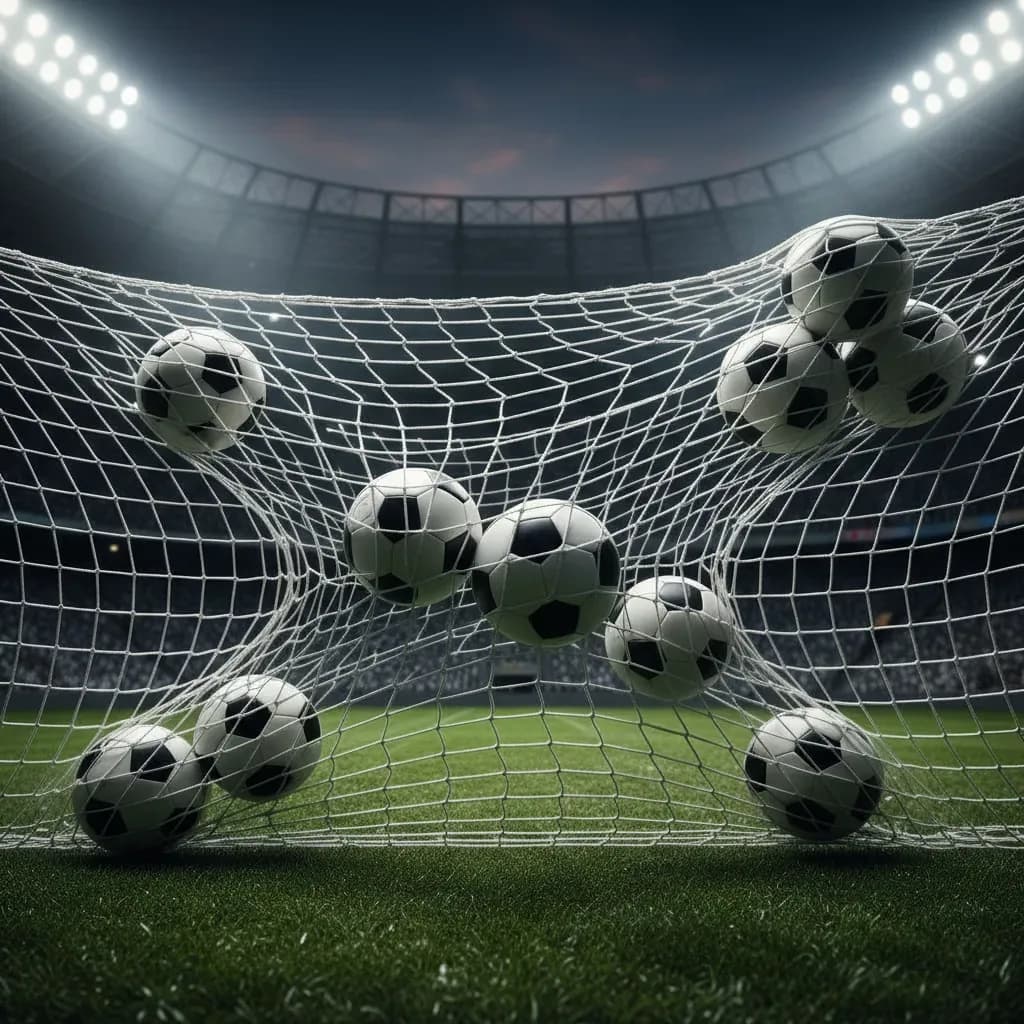
 Haaland Has Seven Goals and Norway Runs Entirely Through Him
⚽️2026 FIFA WORLD CUP
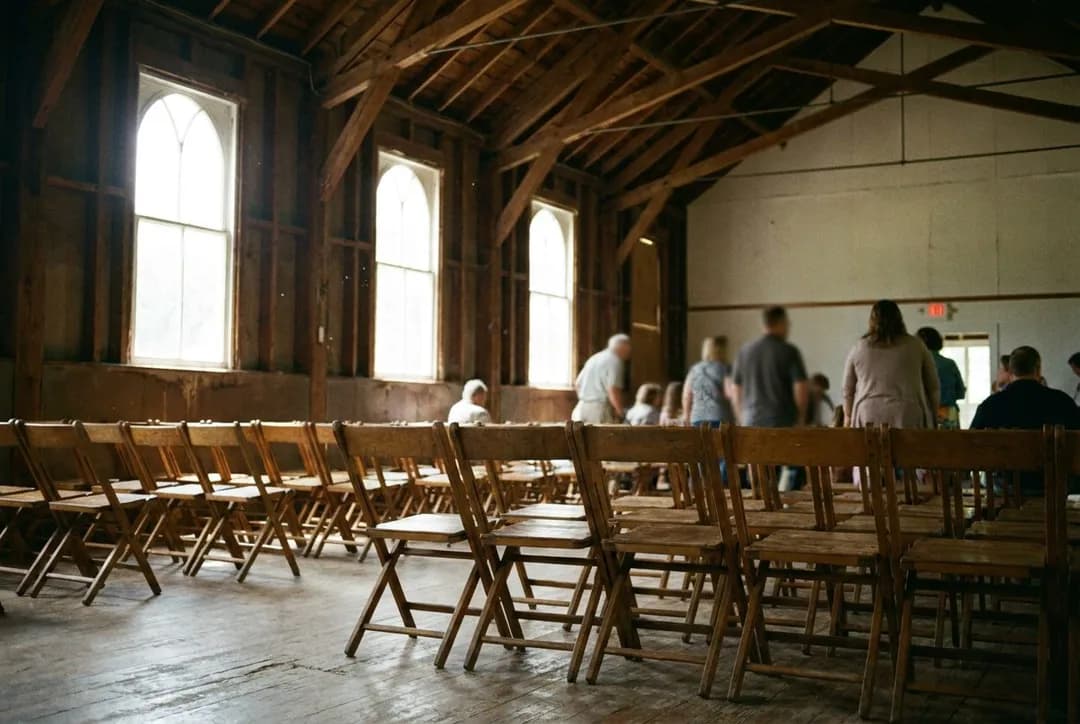
Fishtown Hall Where Croatia vs Slovenia Feels Like a Family Reunion
A former union hall hosts the closest thing to a Balkan living room, where two flags share the same clothesline and the same pastries.
You walk into a former union hall on a Fishtown side street and the first thing you notice is the clothesline. Two flags—Croatian red-and-white checkerboard and Slovenian white-blue-red—hang side by side above the bar, pinned with wooden clips like laundry drying in a Balkan courtyard. The second thing you notice is that nobody thinks this is strange. When Croatia faces Slovenia during the 2026 World Cup, this room becomes the only place in Philadelphia where you can cheer for both teams without getting a single dirty look.
The Room That Remembers Yugoslavia
The hall still has its original pressed-tin ceiling and the kind of wooden floor that creaks differently depending on where you stand. Someone's grandmother crocheted the tablecloths—cream-colored with geometric borders in red thread. The walls hold framed photographs from the eighties, back when these same families gathered here for different reasons, under a different flag. Nobody's taken them down. The light comes in through tall windows facing east, so morning matches get that honey-colored glow that makes everyone look like they're in a Kusturica film. You'll find older men in the corner playing cards between halves, the same game they've been playing here since before the neighborhood turned into craft breweries and brunch spots. The younger crowd stands closer to the projector screen, but they know to keep their voices down when the card players are concentrating.
Pastries That Solve Border Disputes
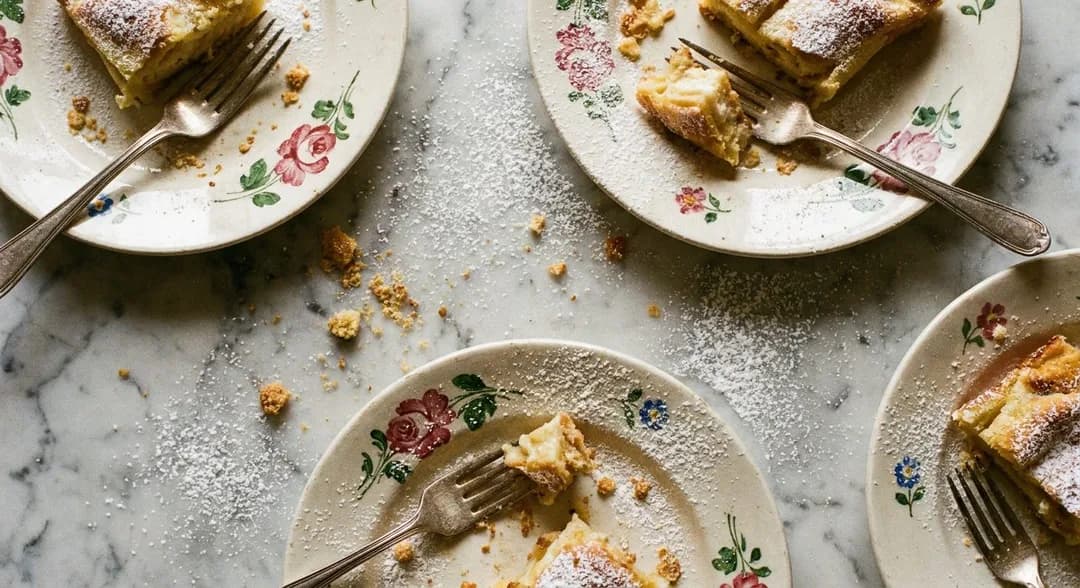
The kitchen window opens at late morning on match days, and what comes out doesn't choose sides. Gibanica sits next to potica on the same tray—Slovenian walnut roll and Croatian cheese pastry sharing real estate like they're making a political statement. The woman working the window has been making both since she was a teenager, and she'll tell you her recipe comes from her Croatian grandmother who married a Slovenian railway worker in 1952. The pastries come out warm, dusted with powdered sugar that gets all over your shirt if you're not careful. There's also a tray of burek—the spiral kind, not the flat kind, because that detail apparently still matters—filled with either cheese or meat. You pay what feels right, dropping bills into an old coffee tin. Nobody's counting. The smell of yeast and butter and cinnamon cuts through the cigarette smoke that still clings to the curtains from decades past, even though nobody's smoked in here since the city ban.
Where the Accent Shifts Mid-Sentence
You'll hear conversations that start in English, slip into Croatian for the important parts, then finish in Slovenian because that's the only language that has the right word for what just happened on screen. The code-switching isn't performative—it's reflexive, the linguistic equivalent of muscle memory. Three generations sit at the same table: grandparents who left in the seventies, parents who were born here but summered in the old country, kids who've never been but somehow know all the words to the songs that play between halves. When someone scores, the room erupts in a language that's not quite any of them, a hybrid cheer that belongs only to this specific diaspora in this specific city. The bartender—a guy in his fifties with a Dinamo Zagreb tattoo on his forearm and a Maribor scarf on the wall behind him—pours rakija for the older crowd and Yuengling for everyone else, because this is still Philadelphia and some things are non-negotiable.
The Projector Setup That Survived Three Decades
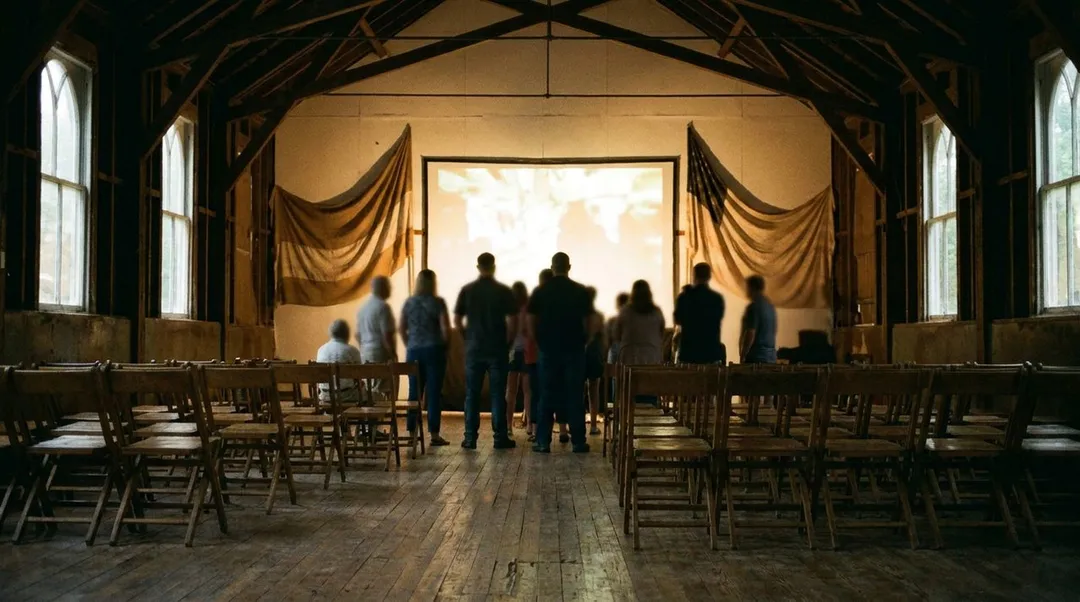
The screen pulls down from the ceiling with a manual crank, the kind you don't see anymore. Someone's nephew rigged up a digital projector last year, but it's mounted on the same bracket that held the old slide projector they used for union meetings. The image isn't perfect—there's a slight warp on the left side where the screen has a permanent wrinkle—but nobody complains. The sound comes through a PA system that was definitely meant for speeches, not sports commentary, so everything has this slightly tinny quality that somehow makes it feel more authentic. During tense moments, you can hear the building itself—the radiators clanking, the floorboards settling, the muffled bass from the bar next door. When a controversial call happens, someone always stands up and addresses the screen directly, as if the referee can hear them through the satellite feed and five thousand miles.
Halftime Means Accordion
There's a guy who brings his accordion to every match. Not for performance—he just has it, the way other people have lucky jerseys. But at halftime, someone always asks, and he always pretends to be reluctant before playing. What comes out are songs that everyone over forty knows by heart and everyone under forty knows half the words to. The younger crowd hums along, checking their phones, but they're still humming. The music fills the space between the first half and the second, a bridge between the tension of what happened and the anxiety of what's coming. The accordion wheezes a little on the low notes—it's older than most people in the room—but that's part of the charm. Someone's toddler tries to dance, stumbling between tables, and nobody minds. This is the part of the match where the room remembers it's a family, not just a crowd.
The Clothesline Philosophy
After the match ends—regardless of who wins—someone takes down both flags, folds them carefully, and puts them in the same drawer behind the bar. They'll go back up for the next match, in the same order, clipped to the same line. This isn't neutrality, exactly. It's something more complicated, a practiced comfort with contradiction. You can be Croatian and Slovenian in the same breath here, the same way you can be from the old country and from Fishtown simultaneously. The room allows for both, insists on both, because the people who gather here have been living in that both-ness their entire lives. When you leave, stepping back out onto a street lined with brewpubs and vintage shops, the cognitive dissonance hits for a second. Then you smell the pastry grease on your jacket and it all makes sense again.
Practical Notes
The hall opens its doors a solid hour before kickoff for World Cup matches, earlier if you want to help set up chairs. Getting there is straightforward—take the Market-Frankford Line and walk north into the residential blocks where Fishtown keeps its old bones. No reservations, no cover charge, though donations for the pastries and the projector electricity fund are appreciated. Street parking is easier than you'd think for this neighborhood, especially during morning matches when the brunch crowd hasn't mobilized yet. Bring cash for the food and drinks. The crowd skews multigenerational, so kids are welcome and commonplace. If you're not part of the diaspora, you're still welcome, but come with the right energy—curious, not touristic. The room can tell the difference.
Tags: #FishtownPhiladelphia #BalkanDiaspora #CroatianCommunity #SlovenianHeritage #WorldCup2026 #PhillyNeighborhoods #UnionHallCulture #DiasporaLife #SoccerCulture #FishtownFinds #ImmigrantStories #PhiladelphiaHidden #YugoslaviaMemory #AuthenticPhilly #LocalGatherings
Sources consulted: fifa.com · espn.com · timeout.com
All trademarks are the property of their respective owners.
Ask Karpo for more information.
Keep reading
- Haaland Has Seven Goals and Norway Runs Entirely Through Him
 World Cup Trophy Ceremony Timing Medals and Postmatch Celebrations
 Olise and France's Attack: The Semifinal Tactical Question