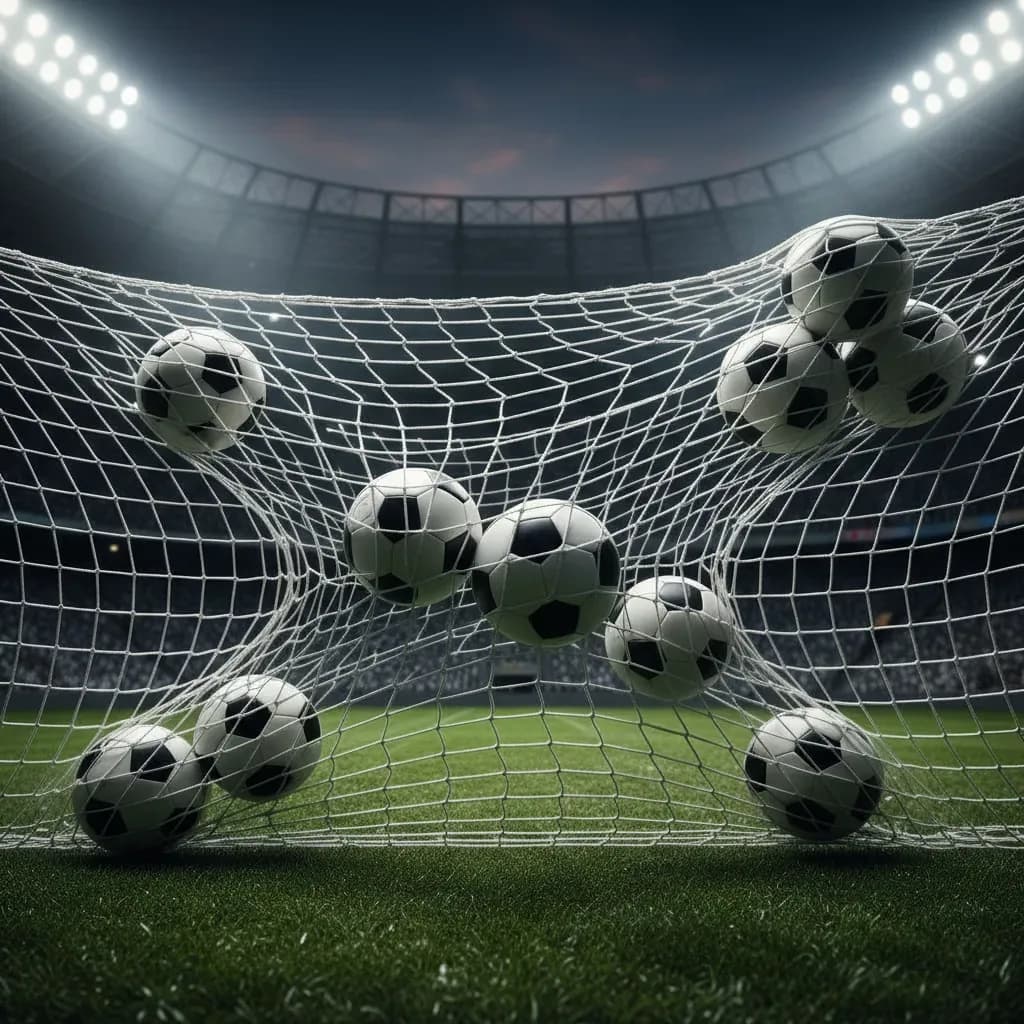
 Haaland Has Seven Goals and Norway Runs Entirely Through Him
⚽️2026 FIFA WORLD CUP
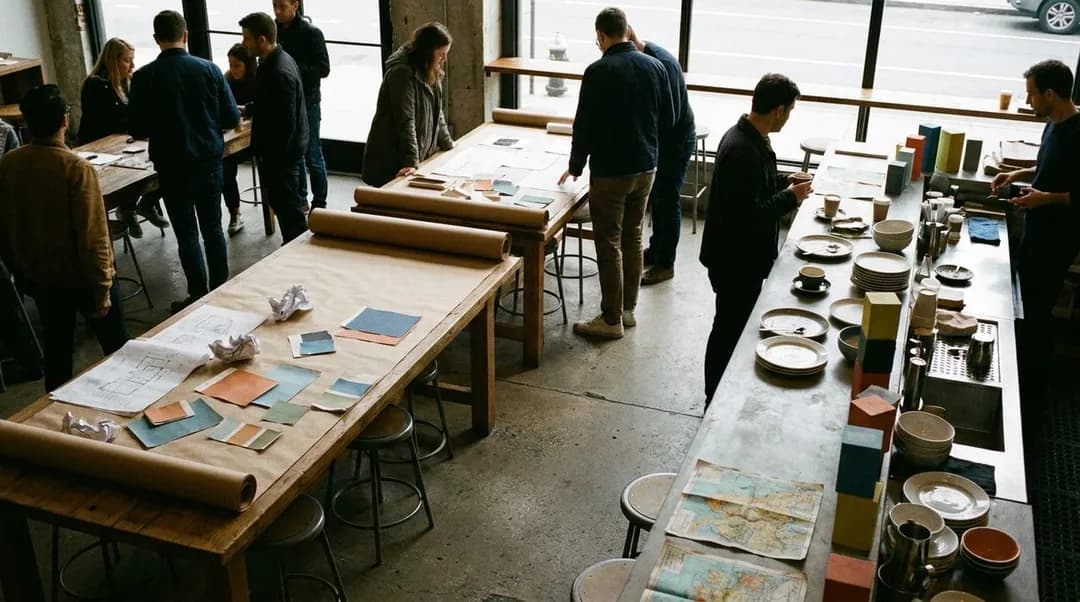
FIFA World Cup 2026 Schedule Planning Around NYC Food Hubs
A World Cup planning guide for mapping watch windows around food neighborhoods, transit-friendly counters and group meals while avoiding unverifiable schedule promises.
You're going to watch a lot of soccer this summer, and New York's food neighborhoods will either amplify the experience or leave you scrambling for a seat when the whistle blows. The key isn't picking a single bar and camping there for six weeks—it's mapping your watch windows around the city's eating corridors, where transit lines converge and the rhythm of service means you can catch a match, eat something memorable, and move on before the next wave arrives.
The Morning Match Window in Flushing
When kickoff hits before noon, Flushing's dumpling counters are already in full stride. You walk into steam-thick rooms where the windows fog over and the sound of pleated wrappers hitting bamboo baskets creates its own percussion. The light through those windows goes soft and diffused, and by the time you're three baskets deep, the first half is wrapping up on whatever screen the kitchen staff has angled toward the counter. The 7 train dumps you right into the center of it all, and you're never more than a two-minute walk from a storefront showing the match. What most people miss: the Malaysian spots along the north side open earlier than the Cantonese places, and their roti canai arrives hot enough that you're still tearing it apart when the second half starts. You want a corner seat near the door where the cold air cuts through every time someone enters—it keeps you alert through extra time.
Jackson Heights and the Diaspora Advantage
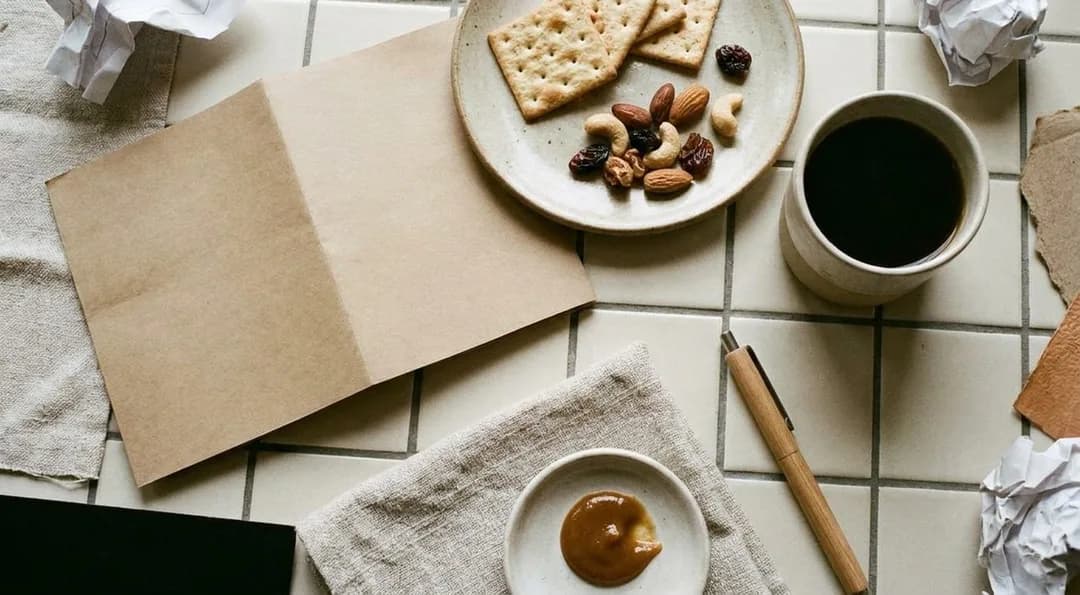
Jackson Heights doesn't just show the matches—it *becomes* them. When a South American team plays, the entire Roosevelt Avenue corridor shifts into a different gear. You hear the commentary in Spanish from three different storefronts, each slightly out of sync, creating this layered echo that follows you down the block. The Colombian bakeries start frying empanadas an hour before kickoff, and the smell of that oil—hot, slightly sweet from the dough—pulls people off the sidewalk. What you don't get from Google: the Bangladeshi tea stalls on 74th Street stay open through every match, and their cha comes in small glass cups that warm your hands between goals. The crowds here don't just watch—they narrate, argue, and reconstruct every play in real time. Sit near the window in any of the Ecuadorian spots and you'll catch both the screen and the street reaction, which is often more entertaining than the match itself.
Koreatown's Late-Night Reset
The evening matches that stretch past regulation become a different animal in Koreatown. You're looking at spots that don't hit their stride until most of the city is winding down, and that timing works perfectly when a match goes deep. The basement restaurants along 32nd Street have this specific quality after 9 PM—the air goes thick with garlic and sesame oil, the overhead lights dim slightly, and everyone's voice drops half a register. You want the kind of place where the banchan keeps coming and nobody's rushing you out even though the match ended twenty minutes ago. The trick most visitors miss: the 24-hour spots aren't the move for match-watching because they're too bright, too transactional. You want the joints that close at 2 AM, where the staff is watching the same screen you are and someone's aunt is refilling the kimchi without being asked. The N/R/W lines run frequent enough that you're never stranded, even after a penalty shootout pushes everything past midnight.
Chinatown's Counter Culture
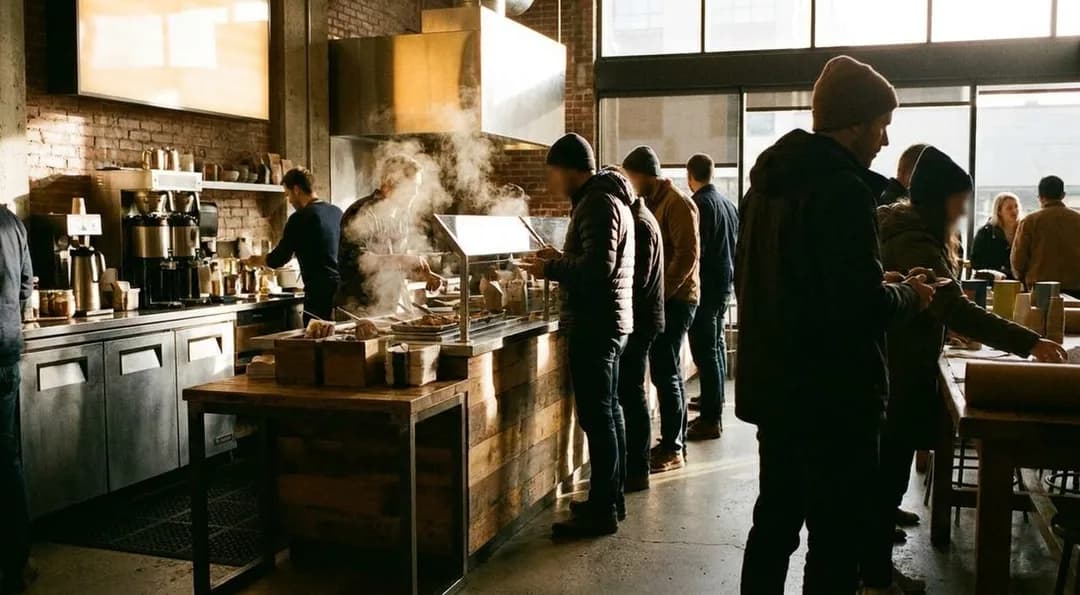
Chinatown's lunch counters operate on a rhythm that syncs oddly well with mid-afternoon matches. You're wedged into a seat that's still warm from the previous person, your bowl arrives before you've fully settled, and the TV mounted in the corner is always on but never loud enough to hear. The beauty is in the efficiency—you can watch an entire half while working through roast pork over rice, and the turnover is fast enough that you're not blocking someone's lunch rush. What the guides don't tell you: the spots on the east side of Baxter have better sightlines to their screens, and the Fujianese places keep their TVs tuned to international channels that don't cut to commercial every six minutes. The soup dumplings at the Canal Street places are the wrong move during a tense match—too much concentration required. You want something one-handed: a bun, a skewer, something that doesn't demand your full attention when a counter-attack develops.
The Group Meal Calculation in Astoria
Astoria solves the problem of feeding six people who all want something different while still watching the same screen. The Greek and Egyptian places along Steinway have this figured out—long tables, family-style platters, and TVs positioned so nobody's craning their neck. You smell the charcoal from the grills half a block away, and inside, the smoke hangs just below the ceiling fans. The rhythm here is slower, more conversational, which works when you're watching a match that doesn't matter as much or when you're gathering before a crucial evening kickoff. The insider detail that matters: the spots with outdoor seating set up portable screens when weather permits, and those tables book up days in advance for weekend matches. You want to arrive right as they're setting up, claim a corner of a communal table, and let the meal stretch across both halves. The N/W lines make it easy to pull people from Manhattan, and there's enough parking that the Long Island contingent can actually make it work.
The Transit-Hub Scramble in Midtown
Midtown isn't where you'd choose to watch if you had unlimited options, but it's where you end up when you're between obligations and need to catch thirty minutes of a match. The Korean spots in the west 30s have small TVs, fast service, and a tolerance for people who order one thing and stay through two commercial breaks. You're looking at standing-room situations, counters with barely enough space for your elbows, and the constant flow of delivery drivers creating a strange ambient energy. What you won't read elsewhere: the Japanese curry spots near Penn Station have the best screen-to-seat ratio for solo watchers, and their lunch specials run late enough that you can catch an early-afternoon match without feeling like you're gaming the system. The subway access is unmatched—you're never more than three minutes from a train in any direction—which matters when you need to move fast after the final whistle.
Practical Notes
Most food-focused spots showing matches don't take reservations, so your arrival timing matters more than planning. Transit-wise, the 7 train connects Flushing to Jackson Heights to Koreatown in one straight shot. The N/R/W lines link Astoria to Midtown to Chinatown. Weekend matches pull bigger crowds, and any spot near a major transit hub fills up thirty minutes before kickoff. For group meals, aim for late-morning or mid-afternoon slots when the restaurant rhythm is slower. Cash still moves faster than cards in Flushing and Chinatown. Most neighborhood spots don't advertise their match-showing plans—you just walk in and the TV is on. Check MTA service alerts before committing to a specific neighborhood, especially for evening matches when weekend construction kicks in.
Tags: #FIFAWorldCup2026 #NYCFoodScene #WorldCupWatching #FlushingQueens #JacksonHeights #KoreatownNYC #ChinatownManhattan #AstoriaQueens #NYCNeighborhoods #SoccerCulture #TransitFriendlyEating #FoodHubs #NYCInsider #DiasporaDining #MatchDayEats
Sources consulted: fifa.com · espn.com · timeout.com
All trademarks are the property of their respective owners.
Ask Karpo for more information.
Keep reading
- Haaland Has Seven Goals and Norway Runs Entirely Through Him
 World Cup Trophy Ceremony Timing Medals and Postmatch Celebrations
 Olise and France's Attack: The Semifinal Tactical Question