 Haaland Has Seven Goals and Norway Runs Entirely Through Him
⚽️2026 FIFA WORLD CUP

FIFA Ordered Egypt to Remove Seven Stars From Their Jersey and Egypt Played Angry
FIFA's rule that only World Cup winners can display stars on their crest forced Egypt to strip their seven Africa Cup of Nations stars, and the team channeled the insult into their best tournament performance in a century.
The seven stars that FIFA took away
Before the 2026 World Cup began, FIFA informed the Egyptian Football Association that the seven stars displayed above the national team's crest on their jerseys would have to be removed. The stars represent Egypt's seven Africa Cup of Nations titles — the most of any nation on the continent, won between 1957 and 2010. FIFA's position was unambiguous: under tournament regulations, only stars representing World Cup victories are permitted on national team crests during FIFA competitions. Egypt, having never won a World Cup, would have to play without their stars.
The decision was communicated administratively, through official correspondence, as if it were a routine compliance matter. In Egypt, it was received as an insult.
The outrage and what it revealed
Egyptian social media erupted. The hashtag defending the stars trended for three consecutive days in Arabic-speaking countries. Former players issued public statements. The Egyptian Football Association released a formal protest note to FIFA, arguing that Africa Cup of Nations titles are a legitimate source of national pride and that FIFA's policy unfairly privileges one competition — the World Cup — over all others.
The argument has merit. The Africa Cup of Nations is the oldest continental football competition in the world, predating the European Championship by three years. Egypt's seven titles represent 63 years of continental dominance. To require their removal because they do not represent World Cup victories implies a hierarchy of achievement that many African football administrators and fans reject.
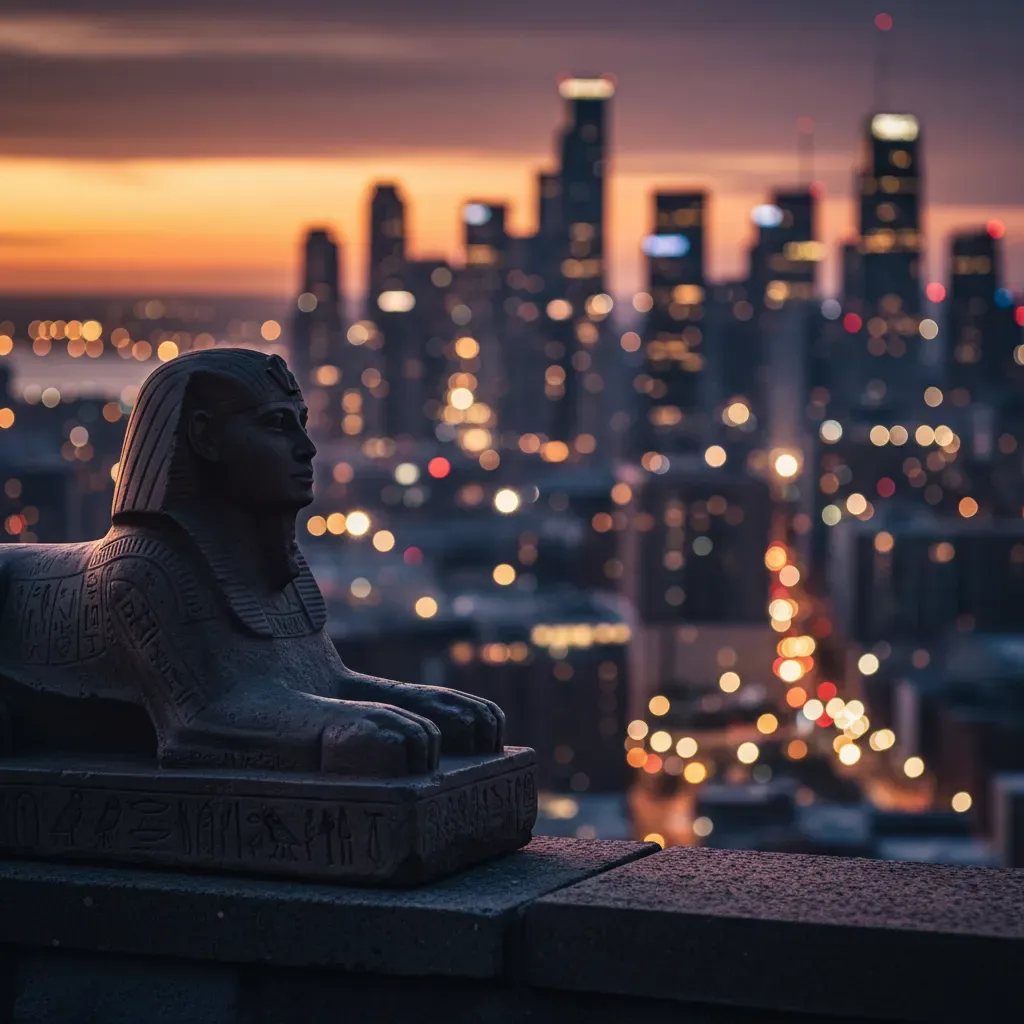
How the controversy fueled the team
Athletes routinely manufacture motivation from perceived slights — it is one of sport's oldest psychological tools. But the stars controversy provided Egypt's squad with something more potent than manufactured grievance: genuine anger. The players felt that their footballing heritage had been disrespected by an organization that claims to promote global football equality.
The result was Egypt's best World Cup performance in 92 years. The 3-1 victory over New Zealand — their first World Cup win since 1934 — was played with an intensity that went beyond tactical preparation. Mohamed Salah, who scored twice, said after the match: "We play for our country, for our history, and for every star they told us we could not wear." The quote was shared millions of times and became a rallying cry for African football fans across the continent.
The broader FIFA jersey rules debate
FIFA's star policy has been a source of low-level controversy for years but had not previously generated significant public attention. The rule is applied consistently — only World Cup victories earn a star on the crest — but the consistency does not address the underlying inequity. Nations like Uruguay, who display four stars on their crest (two World Cups plus two pre-War Olympic football titles that FIFA has retrospectively recognized), benefit from a rule interpretation that is more generous than the one applied to continental tournament victories.
The Egypt case has prompted calls for reform from several national football associations, particularly in Africa and Asia. The African Football Confederation has formally requested that FIFA review the policy and consider allowing stars for continental championship victories. FIFA has acknowledged the request but has not committed to any timeline for policy review.

The pride-match scheduling controversy
The stars controversy was not the only FIFA regulation issue affecting Egypt at this World Cup. Separately, controversy arose when a pre-planned "Pride Match" organized by the Seattle local committee was scheduled to feature Egypt versus Iran — two countries where homosexuality is punishable by law. The scheduling was described by critics as either tone-deaf or deliberately provocative. FIFA and the local committee issued statements acknowledging the sensitivity of the situation, but the match proceeded as originally scheduled with the Pride branding.
The dual controversies created a narrative around Egypt's World Cup experience that extended far beyond the pitch. Every match carried political and cultural baggage that most teams do not face. The players' ability to perform under these circumstances — and to channel the frustration into results — has been one of the quietly impressive aspects of the tournament.
What seven stars mean to Egyptian football
To understand the intensity of the reaction, consider what the stars represent. Egypt's seven AFCON titles span from independence-era football in the 1950s to the modern professional era. Each title is associated with specific players, specific matches, and specific moments in the country's history. The 1957 title — the first ever AFCON — was won by a team of amateurs playing in a continent that was still largely under colonial rule. The 2010 title was won by a golden generation featuring Mohamed Aboutrika, a player revered in Egypt as a national hero.
Removing the stars from the jersey does not erase these achievements, but it removes their most visible symbol from the world's biggest stage. For Egyptian fans, the message was clear: your continental success does not count here. The team's response — play with fury, win with pride — has been the most eloquent rebuttal possible.
Practical notes
Egypt's group matches have been at Hard Rock Stadium in Miami and at venues in the Southeast corridor. The Egyptian fan community in Jersey City — along Kennedy Boulevard and Journal Square — has been a hub of viewing activity, with Egyptian restaurants screening matches and serving post-match communal meals. In Brooklyn, the Bay Ridge neighborhood's Middle Eastern community has also organized regular viewing events. FIFA Fan Festivals in all host cities screen every match with free entry.
Tags: #Buzz #Egypt #SevenStars #FIFAWorldCup2026 #WorldCup2026 #JerseyControversy #AfricanFootball #AFCON #Salah #FIFAPolicy #EgyptFootball #KarpoFinds
Sources consulted: en.wikipedia.org · aljazeera.com
All trademarks are the property of their respective owners.
Ask Karpo first
Want to know when to show up, where to wait, and what's actually open to the public?
Ask Karpo for the latest Egypt updates, a Jersey City fan zone guide, and a live route around Miami before you head out.
Ask Karpo for more information.
Keep reading
- Haaland Has Seven Goals and Norway Runs Entirely Through Him
 World Cup Trophy Ceremony Timing Medals and Postmatch Celebrations
 Olise and France's Attack: The Semifinal Tactical Question