 Haaland Has Seven Goals and Norway Runs Entirely Through Him
⚽️2026 FIFA WORLD CUP

Zidane's Son Chose Algeria Over France and Nobody Saw It Coming
Enzo Zidane turned down a potential future with France to represent Algeria at the 2026 World Cup, igniting debates about identity, heritage, and what it means to choose your national team.
A Name That Carries Weight in Two Countries
Enzo Zidane grew up in the shadow of one of football's most iconic surnames. His father, Zinedine Zidane, is a World Cup champion, a Ballon d'Or winner, and a coaching legend. By every conventional measure, Enzo's path to Les Bleus looked inevitable. But football identity is rarely that simple, and the younger Zidane made a choice that few predicted — and even fewer fully understood at the time. When Algeria called, he answered.
The decision didn't arrive overnight. Enzo had represented France at youth levels, but as his senior career unfolded across clubs in Spain and beyond, the pull of his Algerian-Kabyle roots grew stronger. His family's heritage — his father born in Marseille to Algerian parents, the Kabyle culture woven into the Zidane household — made the choice deeply personal. When Algeria qualified for the expanded 2026 World Cup, the timing aligned.
Why Algeria Over France Was Never Really a Snub
Pundits and fans initially framed the decision as a rejection of France. Social media exploded with hot takes about loyalty, prestige, and wasted potential. But framing it as a snub misses the point entirely. France's squad depth is extraordinary — making the senior team is a feat for any player, regardless of surname. Algeria offered something different: a chance to be a cornerstone rather than a hopeful addition.
For Enzo, the choice was about meaningful contribution over inherited expectation. Playing for Algeria meant leading a team hungry for World Cup impact, rather than competing for minutes in a squad overflowing with world-class talent. The Algerian Football Federation reportedly made their case not with pressure but with vision, outlining a project where Enzo could shape the team's identity in North America.

The Dual-Identity Question Splitting Opinions
Enzo's decision reopened a conversation that football has never fully resolved. Dual-nationality players face a uniquely modern dilemma: represent the country where you were born and trained, or the country your family carried in their hearts across borders? Neither answer is wrong, but both invite scrutiny.
The discourse around Enzo's choice reflected broader tensions in European and North African football communities. Some celebrated his decision as a reclaiming of roots. Others questioned whether heritage alone justifies choosing a national team. What got lost in the noise was Enzo's own quiet conviction that this wasn't a political statement — it was a football decision grounded in personal meaning.
Algeria's World Cup Squad Gets a Narrative Boost
Algeria arrived at the 2026 World Cup with a squad built on pace, technical skill, and a fierce underdog mentality. Adding a player named Zidane — even if his playing style differs vastly from his father's — brought international media attention that money cannot buy. Every Algeria match now carries an extra layer of intrigue.
The team's group stage draw placed them in a challenging but navigable position. With Enzo in the midfield, Algeria's passing game gained a new dimension. His experience in European football brought composure to a squad that sometimes ran on pure adrenaline. Whether Algeria advances or falls, Enzo's presence ensures their story gets told on the world's biggest platforms.
What Zinedine Zidane Has Said (and Hasn't)
The elder Zidane has been characteristically measured in his public comments about Enzo's choice. He's expressed pride without fanfare, noting in a brief interview that "every player must follow the path that feels honest." Beyond that, Zinedine has declined to elaborate, preferring to let his son's football speak for itself.
This restraint has, paradoxically, amplified the story. Fans and journalists dissect every sideline appearance, every social media post, looking for hidden meaning. But the Zidane family's approach has been consistent: support the decision, avoid the spectacle, and let the World Cup stage provide its own answers.
The Bigger Picture for Heritage Players in 2026
Enzo is far from the only player at this World Cup who chose a national team based on heritage rather than birthplace. The expanded 48-team format has accelerated this trend, with more nations qualifying and more roster spots to fill. Players who once had no realistic path to a World Cup now find doors open through family connections to qualifying nations.
This trend has enriched the tournament. Teams like Algeria, Morocco, Cameroon, and several others feature players born and developed in European football systems but representing African and other nations. The result is a more competitive, tactically diverse World Cup where traditional hierarchies feel less fixed.
Tags: World Cup 2026, Enzo Zidane, Algeria, France, dual nationality, heritage players, family legacy, group stage
Sources consulted: ESPN World Cup Coverage · FIFA.com · BBC Sport
All trademarks, team names, and player likenesses mentioned in this article are the property of their respective owners and are used here for informational and editorial purposes only.
Want to know which heritage players are representing surprising nations and how to catch their matches live? Ask Karpo for the latest Algeria schedule, fan zone locations, and a guide to the Philadelphia match-day experience.
Ask Karpo for more information.
Keep reading
- Haaland Has Seven Goals and Norway Runs Entirely Through Him
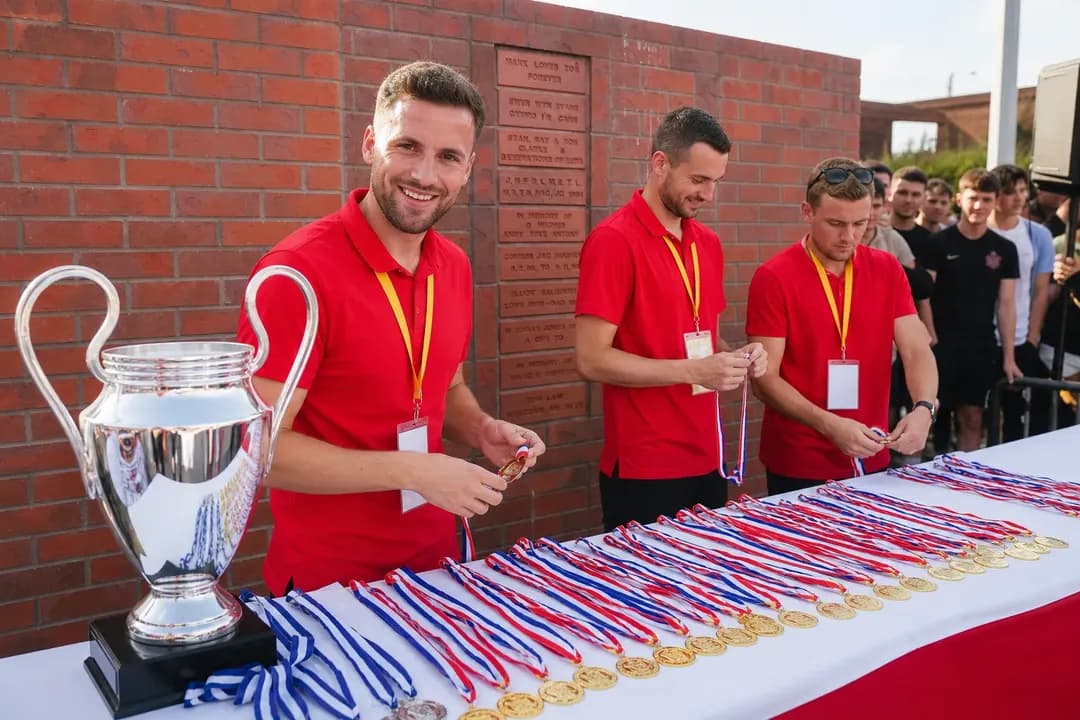 World Cup Trophy Ceremony Timing Medals and Postmatch Celebrations
 Olise and France's Attack: The Semifinal Tactical Question