 Haaland Has Seven Goals and Norway Runs Entirely Through Him
⚽️2026 FIFA WORLD CUP
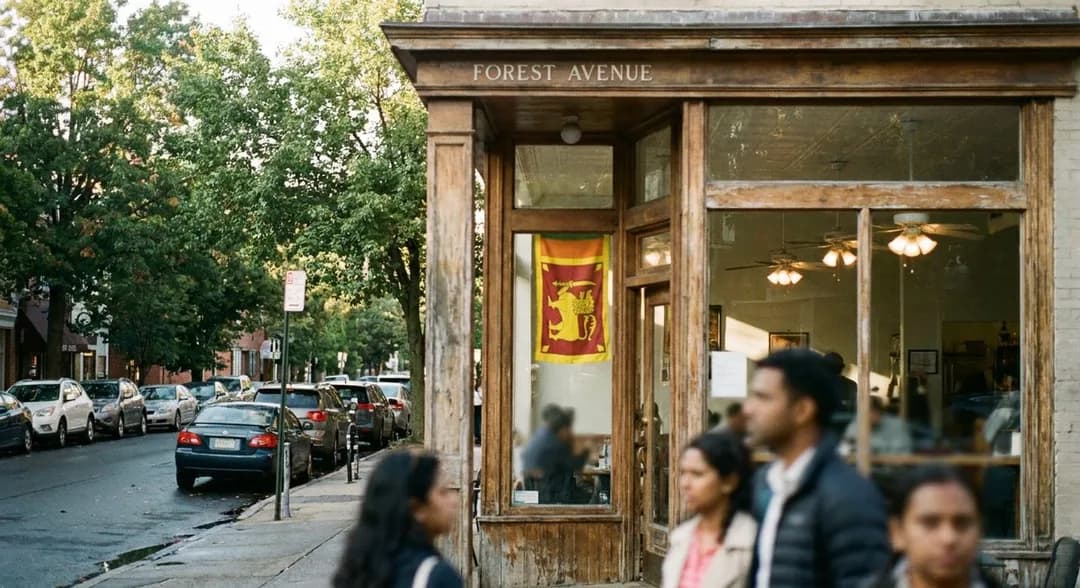
Staten Island's Sri Lankan Café That Screens Every South Asian and Global Fixture
An Elm Park restaurant on Forest Avenue becomes a hub for Staten Island's South Asian community during World Cup matches, with kottu roti and strong tea flowing all day.
You walk into a narrow storefront on Forest Avenue and the air hits you first—cardamom, cinnamon, the sharp singe of chilies meeting a flat-top grill. Then the noise: commentary in Sinhala crackling from mounted screens, the clatter of metal spatulas chopping kottu on steel griddles, someone's uncle arguing pitch conditions in Tamil while his nephew shakes his head. This is where Staten Island's South Asian community gathers when the World Cup comes around, and the vibe is less sports bar, more living room that happens to serve the island's most legitimate Sri Lankan food.
The Rhythm of Match Days Starts Before You See a Ball
You learn quickly that arrival time matters here. Show up mid-morning on a match day and you'll find the place half-empty, staff prepping giant pots of dhal and cutting vegetables in full view of the dining room. The owner—a soft-spoken guy who's run this spot for years—moves between kitchen and front counter, adjusting TV angles, testing audio levels. By the time kickoff approaches, the transformation is complete. Tables fill with multi-generational crews: grandmothers in saris next to teenagers in jerseys, construction workers still in boots, families who've driven from as far as Edison or Jackson Heights because they know what they'll find here. The energy builds in waves—quiet during tense moments, explosive when something breaks open on screen. You feel the floor vibrate when a goal goes in for the right team.
What You Actually Eat While the World Watches
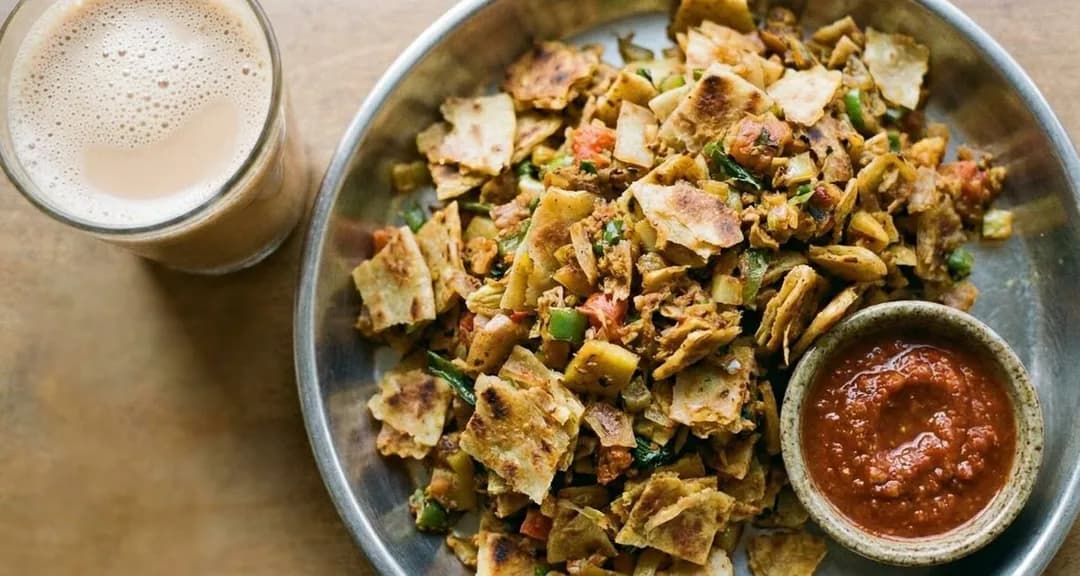
Forget whatever you think you know about stadium food. Here, match-day eating is a marathon. You start with wade—those crispy lentil fritters that come out almost too hot to handle, served with coconut sambol that's got enough chili to make your sinuses open up. Then comes kottu roti, the dish everyone orders and the sound you hear echoing from the kitchen all day: that distinctive chop-chop-chop of godamba roti being diced with vegetables, egg, and your choice of chicken or mutton on a scorching griddle. The texture is everything—slightly crispy edges, chewy middle, the whole thing bound together with curry sauce that's been simmering since early morning. Between halves, people order rice and curry plates that arrive as a full spread: four or five different curries, papadum, pickle, all served on one large platter meant for sharing. The portions don't make sense until you realize you're here for hours, not minutes.
The Crowd Teaches You Which Matches Actually Matter
You might walk in thinking you know the World Cup narrative, but the room tells you different stories. Sure, the place packs out when traditional powerhouses play, but the real electricity happens during matches that mainstream coverage barely mentions. When a South Asian team takes the field, or when there's a matchup that means something to the specific diaspora communities represented here, the atmosphere shifts into something else entirely. People who've been quiet all morning suddenly become tacticians, debating formations and player choices with the intensity of people who've been following these squads through qualifiers you've never heard of. The multilingual commentary is its own education—you'll hear the same play analyzed in three languages at three different tables, each perspective adding layers you'd miss on a standard broadcast. Kids translate for grandparents, grandparents explain context to kids, and somehow everyone's following multiple storylines at once.
The Tea Service That Outlasts Every Ninety Minutes
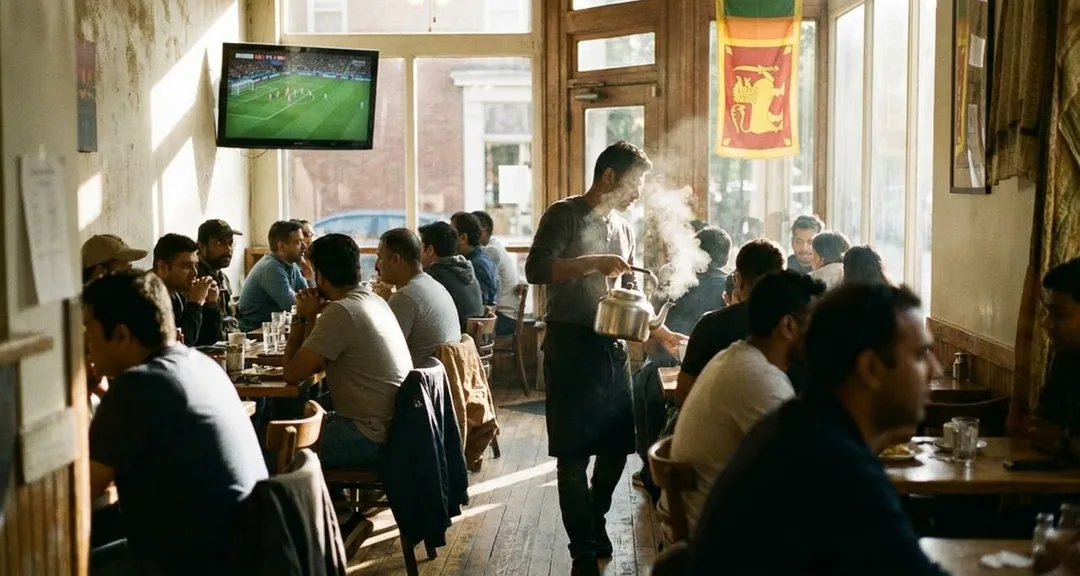
While beer flows at most World Cup venues, here the real social lubricant is Ceylon tea, served in glass cups that arrive on small saucers, strong enough to taste the tannins, sweetened unless you specify otherwise. The tea appears without asking—servers just know when your cup is empty, when you need the caffeine boost between matches, when the afternoon is stretching long and you're settling in for a doubleheader. There's a whole ritual around it: the way regulars hold the glass by the rim to avoid burning their fingers, the specific ratio of milk to tea that signals you know what you're doing, the fact that refills keep coming as long as you're still sitting there. During particularly tense match moments, you'll see entire tables frozen mid-sip, cups hovering near mouths, nobody drinking until the play resolves. Then the collective exhale, the tea finally consumed, the cups set down in unison.
Where the Real Conversations Happen Between Whistles
The halftime intervals are when you understand why people come here instead of watching at home. The energy doesn't dissipate when play stops—it redirects. Strangers start talking across tables, comparing notes on what they just saw, arguing calls, predicting second-half adjustments. Someone's always got a cousin who played semi-professionally back home, and that cousin's tactical wisdom gets invoked with the authority of scripture. The owner makes rounds, checking in, occasionally weighing in on a debate, making sure everyone's got what they need for the next forty-five minutes. You'll see people stepping outside for phone calls, presumably to friends watching elsewhere, animated hand gestures visible through the window. New arrivals squeeze into whatever space exists, sometimes standing along the walls, nobody seeming to mind the crowding because that's part of the atmosphere—the sense that you're all in this together, that the room's collective investment somehow matters to the outcome happening thousands of miles away.
The Post-Match Deflation or Celebration Lingers
When the final whistle blows, the room doesn't empty immediately. Win or lose, people stay planted, processing what just happened, ordering one more round of tea or a late plate of string hoppers with curry. The conversations shift from tactical analysis to broader themes—what this means for the tournament, which team looked surprisingly strong, whether the officiating was fair. Some folks start making plans for the next match, confirming who'll be here, what time they're arriving, whether they need to call ahead to secure a table for a particularly big game. The staff starts resetting—clearing plates, wiping down tables, adjusting the TV schedule for whatever's coming next. But there's no rush, no sense that anyone's being pushed out. This place understands that World Cup watching is a commitment, that the experience extends beyond the ninety minutes, that community forms in these in-between moments as much as during the action itself.
Practical Notes
The café sits on Forest Avenue in Elm Park, accessible via the S53 or S93 bus routes that run through Staten Island's North Shore. Street parking is generally available within a block or two. For major matches, especially those involving South Asian teams or marquee global fixtures, arriving at least thirty minutes before kickoff is wise—seating fills up and the place doesn't take reservations during tournament periods. The menu is affordable, with most dishes landing in the range where you can eat very well without thinking too hard about cost. They're open daily from late morning through evening, with extended hours during World Cup periods to accommodate multiple time zones. Cash is preferred though cards are accepted. The space is small, maybe a dozen tables, so the full experience really depends on the crowd—come when there's a match that matters, not during off-hours.
Tags: #WorldCup2026 #StatenIsland #SriLankanFood #ElmPark #NYCFood #SouthAsianDiaspora #KottuRoti #NYCHiddenGems #FootballCulture #WorldCupNYC #DiasporaDining #AuthenticEats #StatenIslandEats #NYCWorldCup #CommunitySpaces
Sources consulted: fifa.com · espn.com · timeout.com
All trademarks are the property of their respective owners.
Ask Karpo for more information.
Keep reading
- Haaland Has Seven Goals and Norway Runs Entirely Through Him
 World Cup Trophy Ceremony Timing Medals and Postmatch Celebrations
 Olise and France's Attack: The Semifinal Tactical Question