 Haaland Has Seven Goals and Norway Runs Entirely Through Him
⚽️2026 FIFA WORLD CUP
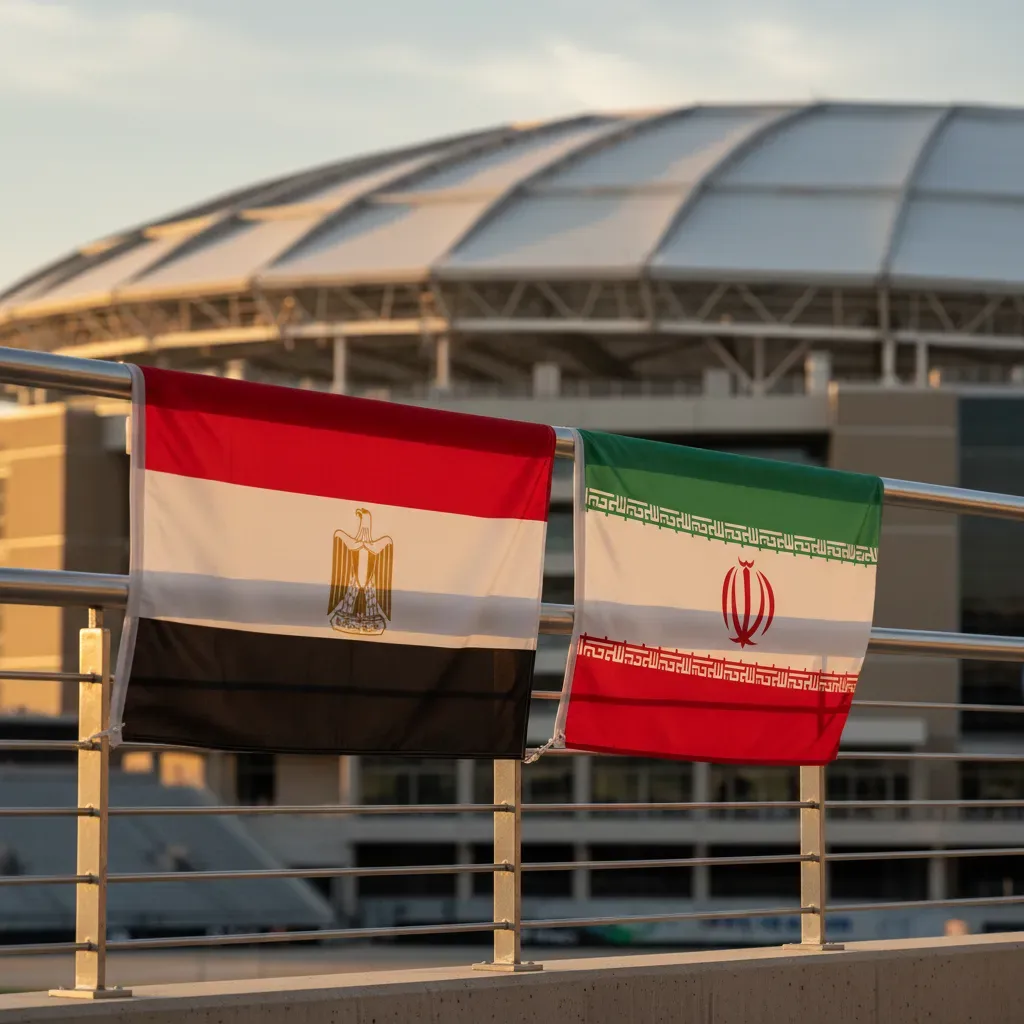
Egypt vs Iran Might Be the Most Politically Loaded Match at This World Cup and the Football Was Secondary
When Egypt and Iran met in the group stage, the match carried the weight of Middle Eastern geopolitics, historical tensions, and the complicated relationship both nations have with hosting a World Cup on American soil.
Some Matches Are About More Than Football
Egypt vs Iran at the 2026 World Cup was always going to be more than a group stage fixture. The two nations occupy different but equally complicated positions in the Middle Eastern political landscape, and their meeting on American soil — a country with its own fraught relationships with both — added layers of context that no amount of tactical analysis could adequately address.
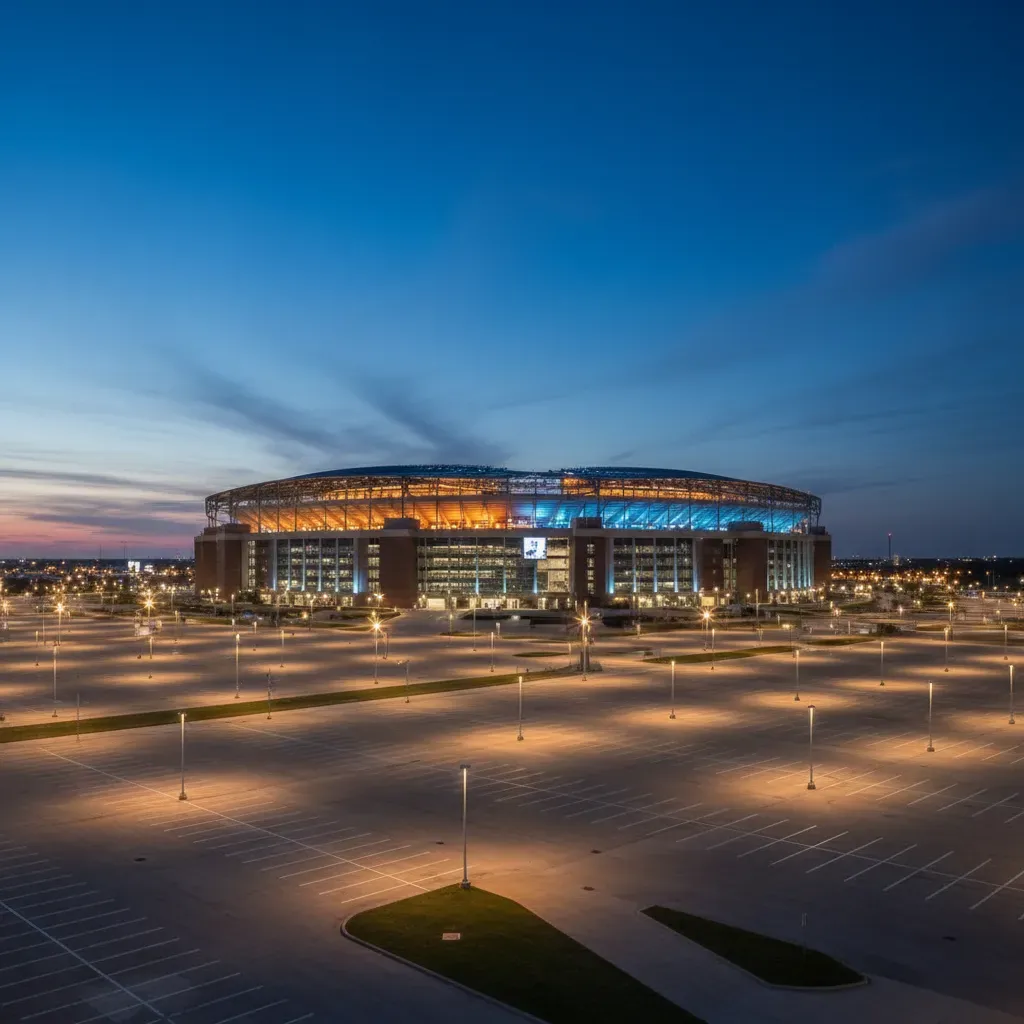
The match was played at NRG Stadium in Houston, a city with significant Egyptian and Iranian diaspora communities. The atmosphere inside the stadium reflected the complexity of the occasion — passionate but measured, loud but not hostile, with both fan groups clearly aware that they were participating in something that extended beyond the 90 minutes.
The Football Was Genuinely Competitive
For all the political weight surrounding the fixture, the match itself was a tight, tactical contest that could have gone either way. Egypt's approach was built around their defensive organization and Mo Salah's ability to create something from nothing on the counter. Iran's game plan emphasized midfield control and patient buildup play, looking to exploit Egypt's high defensive line with clever runs behind the back line.
The result — decided by a single goal — was less important than the manner in which both teams competed. Clean, respectful, intensely fought football that honored the occasion without descending into the cynicism that politically charged matches sometimes produce. The players shook hands genuinely at full time. The fans applauded both teams. The football worked.
The Fan Experience Was Uniquely Complex
Both Egyptian and Iranian supporters in the United States occupy complicated spaces. The Egyptian American community — concentrated in New Jersey, New York, and Houston — maintains strong cultural ties to home while navigating the dynamics of immigrant identity in America. The Iranian American community — one of the largest Persian diasporas globally, concentrated in Los Angeles and the DC area — faces additional complications related to US-Iran sanctions and travel restrictions.
For both groups, the World Cup provided a rare opportunity to celebrate national identity through sport in a setting that is simultaneously foreign and familiar. The match became a gathering point — not just for football fans but for communities that often feel caught between their American present and their Middle Eastern heritage.
The Media Narratives Were Predictable but Incomplete
International media coverage of the match focused heavily on the geopolitical angle — a framing that was understandable but reductive. The story of Egypt vs Iran at the 2026 World Cup is not primarily about politics. It is about two football teams, representing two ancient civilizations, competing at the highest level of the sport in a country that both their diasporas now call home. The political context exists, but it should not be the only lens through which the match is viewed.
Local media in Houston provided more nuanced coverage, profiling families who had members supporting both sides, restaurants that served Egyptian and Persian food for watch parties, and community organizations that used the match as an opportunity for cultural exchange rather than division.

What This Match Means for Middle Eastern Football
Egypt and Iran's presence at the 2026 World Cup represents the growing strength of Middle Eastern and North African football on the global stage. Both nations have invested significantly in youth development, coaching infrastructure, and league structures that are producing players capable of competing at the highest level. Their performances at this tournament — regardless of how far they advance — validate those investments.
The broader Middle Eastern football community has watched this World Cup with particular interest, seeing it as a preview of what the 2034 World Cup in Saudi Arabia might look like in terms of regional representation and global integration. The questions about politics, identity, and the relationship between sport and diplomacy that surround every Middle Eastern team at this tournament will only intensify as the region prepares to host its own edition.
The Scoreline Will Be Forgotten. The Moment Won't.
In the statistical record of the 2026 World Cup, Egypt vs Iran will be a single line — two teams, a scoreline, and the progression implications for both. But for the people who were in NRG Stadium that evening — the families, the diaspora communities, the first-generation Americans watching their parents' nations compete — the match contained multitudes that no scoreline can capture.
Tags: World Cup 2026, Egypt vs Iran, Middle East football, World Cup politics, NRG Stadium, Houston, diaspora communities, geopolitics sport
All trademarks, team names, and player likenesses mentioned in this article are the property of their respective owners and are used here for informational and editorial purposes only.
Ask Karpo First
Want to explore Houston's Middle Eastern food scene or find the best World Cup watch spots in the city? Ask Karpo for restaurant recommendations, cultural hotspots, and a fan guide to Houston's diverse neighborhoods.
Ask Karpo for more information.
Keep reading
- Haaland Has Seven Goals and Norway Runs Entirely Through Him
 World Cup Trophy Ceremony Timing Medals and Postmatch Celebrations
 Olise and France's Attack: The Semifinal Tactical Question