 Haaland Has Seven Goals and Norway Runs Entirely Through Him
⚽️2026 FIFA WORLD CUP
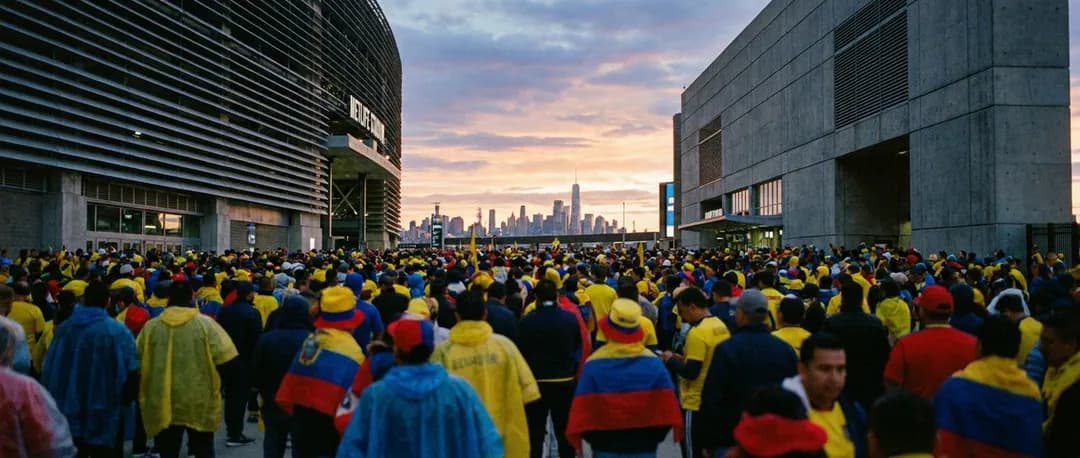
Ecuador's Training at MetLife Has Jackson Heights Waking Before the New Jersey Turnpike Lights Up
Ecuador's World Cup training sessions at MetLife Stadium draw the massive Ecuadorian diaspora of Jackson Heights and Corona — the largest concentration of Ecuadorian immigrants in North America — out of Queens and across the Turnpike well before sunrise, with the practice ground fence filling hours before Germany matches the schedule in the same venue complex later that week.
The service road behind MetLife Stadium's practice complex still sits in darkness when the first cars roll off Exit 16W, headlights sweeping across empty lots at 4:47 a.m. Fans step out clutching thermoses and folding chairs, their breath visible in the pre-dawn chill, speaking rapid-fire Spanish that echoes off the concrete barriers. They've left Jackson Heights apartments and Corona walk-ups hours before the bakeries open, crossing the Turnpike while most of New Jersey sleeps. By the time the first security guard unlocks the pedestrian gate at 6:15 a.m., two dozen supporters already line the chain-link fence surrounding the training pitch, their yellow-blue-red flags draped over the metal diamonds. Ecuador's national team doesn't officially take the field until 8:00 a.m., but the vigil begins in darkness, fueled by coffee from thermoses and the collective memory of Quito altitude and World Cup dreams that brought them here.
The Parking Equation
The MetLife practice complex shares access roads with the main stadium, and the early-bird calculus matters. Fans arriving before 5:30 a.m. claim spots in Lot K, the closest overflow lot to the training grounds, a five-minute walk along the service road. After 6:00 a.m., Lot K fills and the walk extends to Lot M, adding another eight minutes and a highway overpass crossing. No formal parking fee applies for training sessions—security waves cars through—but the lot gates don't open until 5:00 a.m. sharp. The earliest arrivals idle on the shoulder of Paterson Plank Road, engines running, waiting for the chain to drop. NJ Transit's 160 bus from Port Authority drops passengers at the American Dream stop, requiring a 22-minute walk across service roads with no sidewalks. Most fans drive. Carpool vans from Jackson Heights carry six or seven supporters, splitting the $18 toll and arriving in coordinated waves. The parking dance intensifies on days when Germany trains later that morning—ecuador vs germany matchups scheduled for the same venue complex create a two-session crowd surge that fills every lot by 7:45 a.m.

The Sightline Sweet Spot
The training pitch fence runs 340 yards in a rough rectangle, but only the eastern and southern sides offer unobstructed views. The western fence backs against equipment storage containers, and the northern side sits thirty yards from the pitch edge, blocked by a maintenance road and groundskeeper vehicles. Regulars claim the southeast corner, where the fence meets at a right angle and sightlines cover both the full-field drills and the penalty area work. This corner fills first—fans arrive before dawn specifically for these ten yards of chain-link. The eastern fence straightens for a hundred yards, offering clear views of midfield passing sequences and tactical drills, but the sun rises directly behind watchers here after 7:00 a.m., creating glare and forcing squints. A small grass berm rises along the southern fence, and supporters spread blankets here, sitting cross-legged with better elevation for watching goalkeeper training at the far end. The berm accommodates maybe forty people before it becomes standing-room-only shoulder-to-shoulder fence pressing. Fans bring step stools, milk crates, anything for six extra inches of height. Children sit on fathers' shoulders. The fence itself becomes a gallery wall of hanging flags, scarves, and hand-painted signs calling out player names.
Empanadas Monserrath Food Truck
The white food truck parks on the service road between Lots K and M every training morning, arriving at 5:45 a.m. and staying until the last fan leaves. Monserrath—the owner and sole operator—serves cheese empanadas, chicken empanadas, and sweet plantain empanadas from a truck that usually works the 82nd Street corridor in Jackson Heights. She follows Ecuador's team schedule, setting up at MetLife whenever La Tri trains, her truck becoming the unofficial staging ground for the pre-session wait. Fans cluster around the service window, ordering in Spanish, the empanadas served in paper boats with small plastic cups of ají sauce. The cheese empanadas sell out first. Coffee comes from two large thermoses—Colombian roast, served black or with condensed milk. The truck's generator hums steadily, and the smell of frying dough drifts across the parking lot, mixing with diesel exhaust and cut grass. Supporters eat standing, balancing paper boats and coffee cups, trading rumors about starting lineups and injury reports. When the team bus arrives at 7:40 a.m., the truck empties as fans rush toward the fence. Monserrath keeps serving—there's always a second wave after players disappear into the facility.
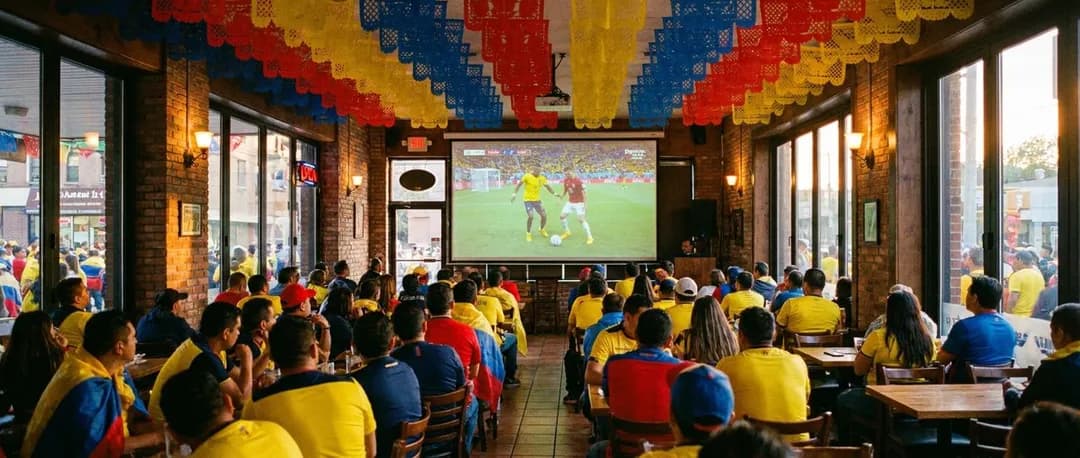
The Session Itself
The team emerges at 8:02 a.m., jogging from the tunnel in training kits, and the fence erupts. Chants roll down the eastern side—"¡E-cua-dor! ¡E-cua-dor!"—building in waves. Players wave toward the fence before spreading across the pitch for warm-ups. The session begins with dynamic stretching in two lines, then transitions to rondos—possession circles where midfielders work quick one-touch passing while defenders press. The sound carries clearly: the thwack of boot on ball, coaches shouting instructions in Spanish, the occasional whistle blast. Enner Valencia works the left side during attacking drills, making diagonal runs from the wing toward the penalty spot, his movements sharp and economical. He favors cutting inside onto his right foot, and watchers see the pattern repeat: receive, cut, shoot. The rhythm becomes hypnotic. Goalkeepers work separately at the southern end, diving for shots, and every save draws applause from the berm. Full-field scrimmages fill the final forty minutes, eleven versus eleven with coaches rotating players. The intensity rises—tackles sharpen, voices get louder, the ball moves faster. Fans press against the fence, fingers hooked through chain-link, watching every touch. The session runs ninety-three minutes. When the final whistle blows, players jog toward the tunnel, and the fence roar builds again, desperate for acknowledgment.
The Player Window
The tunnel exit sits twenty yards from the southern fence corner, and players pause here after sessions, toweling off, drinking water, checking phones. This fifteen-minute window—roughly 9:35 to 9:50 a.m.—offers the only access. Fans surge toward the corner, pressing three-deep against the fence, waving jerseys and photos and Sharpies. Valencia usually signs—he walks the fence line for five or six minutes, taking jerseys passed through the chain-link, signing quickly, moving down the line. Other players follow his lead, though the captain sets the tone. Children get priority, lifted by parents toward the fence's top edge. Players smile, pose for photos taken through the metal diamonds, the angles awkward but treasured. Security eventually waves players toward the facility, and the window closes. The fence empties slowly, fans lingering, comparing autographs, showing phone photos. Some stay hoping for a second exit—team buses don't load until 11:00 a.m.—but players rarely emerge again.
After the Session
The service road becomes a slow procession back to the lots, fans walking in clusters, replaying moments, debating tactics. Some return to Monserrath's truck for late breakfast empanadas. Others sit on car hoods in the parking lot, unwilling to leave, the morning feeling incomplete despite the session ending. The drive back to Jackson Heights takes forty-two minutes without traffic, and by 10:30 a.m. the carpool vans roll down Roosevelt Avenue, dropping passengers at familiar corners. The neighborhood feels different after these mornings—bakeries are open now, the 7 train runs its regular schedule, the streets hum with ordinary commerce. But the fans carry something back with them: signed jerseys in plastic bags, phone videos of Valencia's shooting drills, the memory of chants echoing off the MetLife complex walls. Some head to work. Others gather at corner cafés, extending the morning, waiting for evening when they'll watch highlights and dissect every detail again, already planning the next dawn departure for whenever La Tri returns to East Rutherford.
Practical Notes
• Gates open at 6:15 a.m.; arrive by 5:45 a.m. for prime fence positions at the southeast corner
• Lot K parking fills by 6:00 a.m. on busy training days; Lot M serves as overflow with an eight-minute walk
• Bring step stools or crates for height advantage; berm space fills quickly but offers best elevation
• Monserrath's empanada truck operates on the service
Sources consulted: fifa.com (https://www.fifa.com) · timeout.com/new-york (https://www.timeout.com/new-york) · nj.com (https://www.nj.com)
All trademarks are the property of their respective owners.
Ask Karpo first
Trying to get from Jackson Heights to Ecuador's training watch at MetLife before the fence positions are gone — need the exact transit route, session times, and which gate actually opens at 5:30?
Ask Karpo for Ecuador's confirmed training schedule, the NJ Transit bus-plus-walk route from the Port Authority, and the Jackson Heights fan convoy schedule that departs before the 7 train stops running express.
Ask Karpo for more information.
Keep reading
- Haaland Has Seven Goals and Norway Runs Entirely Through Him
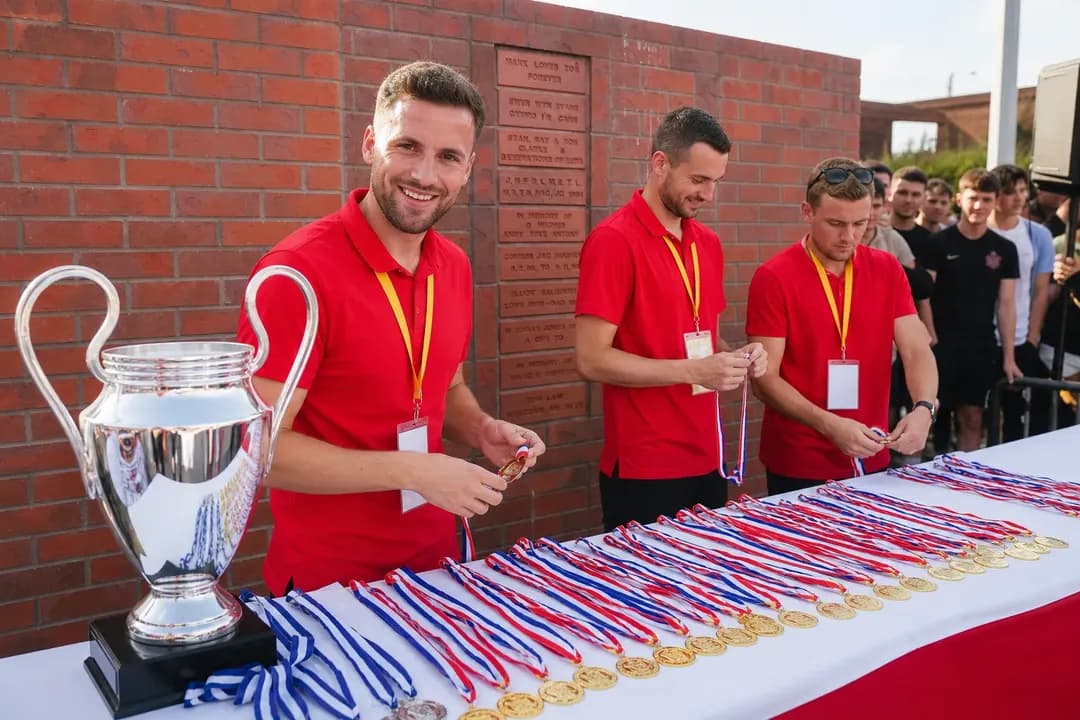 World Cup Trophy Ceremony Timing Medals and Postmatch Celebrations
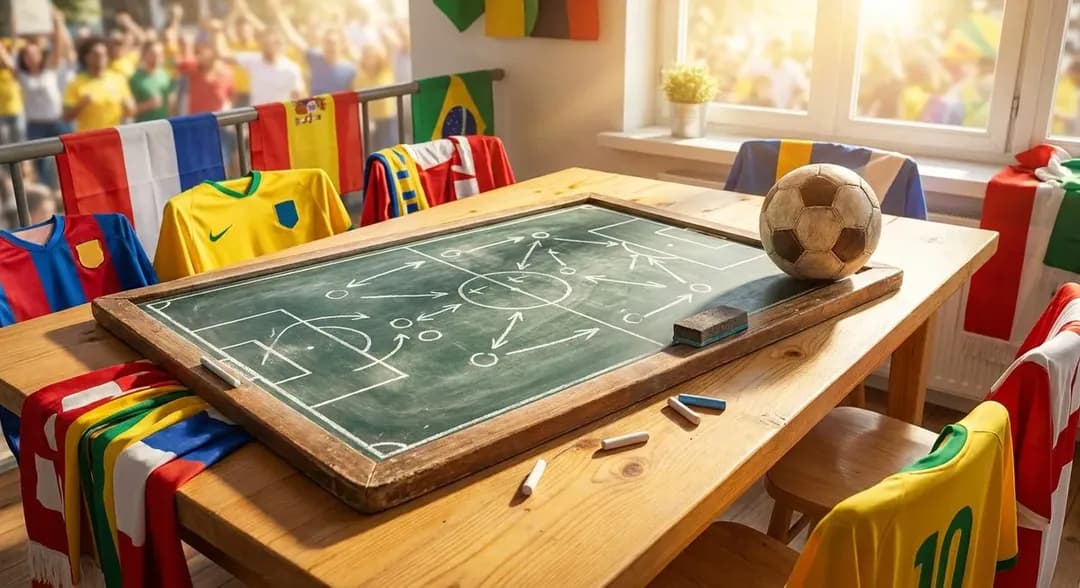 Olise and France's Attack: The Semifinal Tactical Question