 Haaland Has Seven Goals and Norway Runs Entirely Through Him
⚽️2026 FIFA WORLD CUP
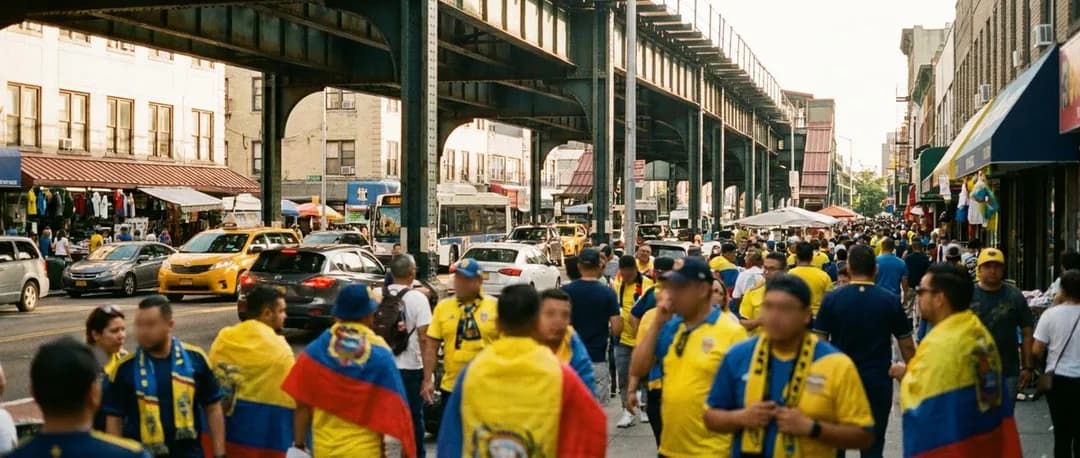
Ecuador's World Cup Fans Turn Jackson Heights Into a Viewing Hub
Jackson Heights in Queens is home to one of the largest Ecuadorian communities in the United States, and the World Cup summer is bringing that community's natural football passion into the open, from match day gatherings at Roosevelt Avenue restaurants to neighborhood block setups that blend soccer culture with the commercial life of 74th Street.
The yellow, blue, and red stripes of Ecuador's flag appear in every storefront window along Roosevelt Avenue as Jackson Heights transforms into one of New York City's most passionate World Cup viewing districts. This Queens neighborhood, home to the largest concentration of Ecuadorians outside South America, pulses with a football energy that spills from packed restaurants onto sidewalks where strangers become instant teammates. When La Tri plays, the entire commercial corridor from 74th to 82nd Street becomes a stadium without walls, and the roar that follows each goal travels through apartment buildings and across elevated subway platforms overhead.
Roosevelt Avenue Restaurants Become Match Day Arenas
The restaurants lining Roosevelt Avenue have evolved into unofficial viewing headquarters, with owners hauling massive flat screens onto sidewalks and arranging plastic chairs in tight rows that extend nearly to the curb. At El Rincón Ecuatoriano, staff members arrive three hours before kickoff to claim sidewalk space and test sound systems that will broadcast Spanish commentary loud enough to compete with the passing 7 train. Inside, every table fills with extended families who order rounds of encebollado and corvina while keeping eyes fixed on multiple screens. The kitchen stays open through halftime, sending out plates of llapingachos and fritada that patrons consume standing up, plates balanced in one hand while the other clutches a beer or raises in celebration. Neighboring establishments like Pollos a la Brasa Mario coordinate their screen angles to create a continuous viewing experience down the block, and fans drift between venues depending on where the energy peaks at any given moment.
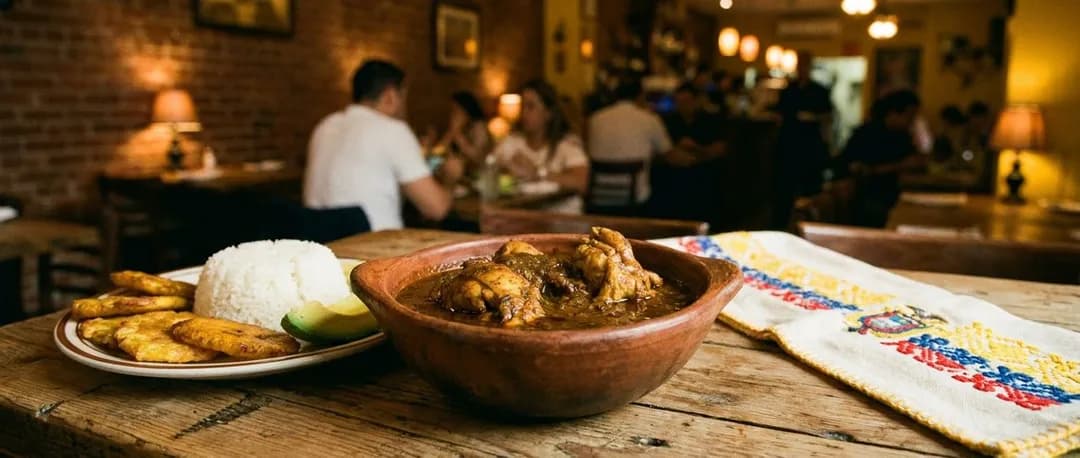
74th Street Transforms Into a Pedestrian Fan Zone
The intersection of Roosevelt and 74th Street becomes nearly impassable on match days as vendors set up impromptu merchandise stands selling scarves, jerseys, and face paint in Ecuador's national colors. Local business owners have stopped trying to maintain normal foot traffic patterns, instead embracing the chaos by offering sidewalk specials and extending their storefronts into the street. Bodegas stock extra cases of Pilsener, Ecuador's national beer, and display them in ice-filled coolers that line the sidewalk. Children weave through the crowds wearing oversized Ecuador jerseys, their faces painted with flags, while street musicians play cumbia and pasillo between matches. The elevated subway structure above provides unexpected shade and creates an acoustic chamber that amplifies the crowd's collective voice. When Ecuador scores, the sound reverberates off the metal framework and travels blocks in every direction, alerting residents who might have forgotten about the match.
Corner Cafés Serve as Pre-Match Gathering Points
Hours before kickoff, the neighborhood's cafés fill with fans engaging in the ritualistic optimism that precedes every World Cup match. At Tulcán Café on 37th Avenue, regulars claim their usual tables by mid-morning, ordering café con leche and pan de yuca while analyzing Ecuador's lineup and debating tactical decisions. The walls display framed photos of past Ecuador World Cup squads alongside images of Quito and Guayaquil, creating a visual bridge between the homeland and this Queens neighborhood. Conversations flow in rapid Spanish punctuated by football terminology that needs no translation—"gol," "penal," "fuera de lugar." Older men who remember Ecuador's first World Cup qualification in 2002 share stories with younger fans who have only known La Tri as a regular tournament participant. The café owners keep notebooks behind the counter where fans write predictions and sign their names, creating an informal record of the community's collective hope.
Text Karpo Now: find the current Ecuador watch-room options in Jackson Heights, confirm hours, and build a respectful Queens match-day route.
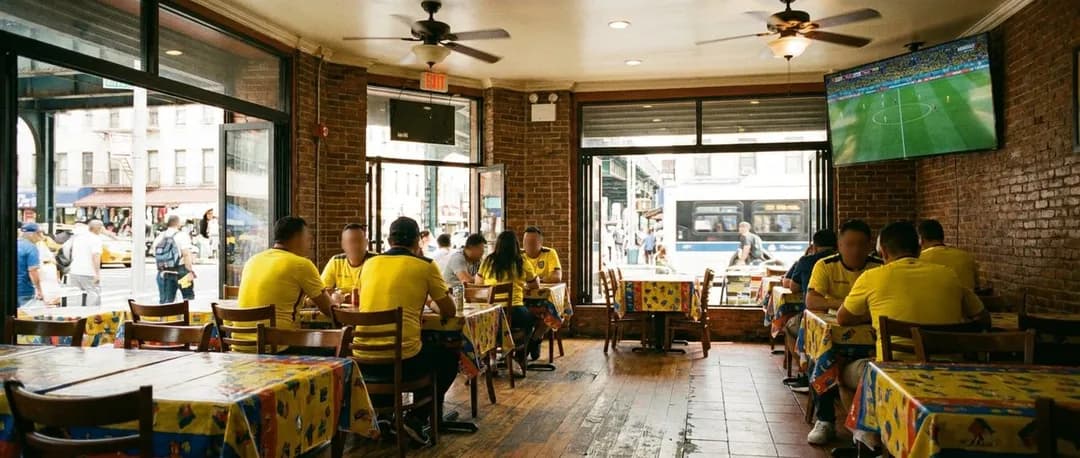
Residential Blocks Host Family Viewing Parties
Beyond the commercial corridors, residential streets in the Elmhurst-adjacent sections of Jackson Heights host elaborate family gatherings that transform driveways and front yards into private viewing venues. Families string extension cords from kitchen windows to power televisions set up on folding tables, while portable grills smoke with chorizo and chuletas. These gatherings typically include three generations, from grandparents who emigrated decades ago to children born in Queens who speak English at school but cheer in Spanish during matches. Neighbors who might normally only exchange greetings now share folding chairs and homemade ceviche, united by the 90-minute drama unfolding on screen. The residential viewing parties lack the commercial energy of Roosevelt Avenue but offer something more intimate—the sound of a single family's collective gasp, the sight of a grandmother crossing herself after a near-miss, the spontaneous dancing that follows an Ecuador goal.
Post-Match Energy Shifts to Evening Socializing
After the final whistle, the neighborhood's energy doesn't dissipate but rather transforms into a slower, more reflective mood. Fans linger outside restaurants, replaying key moments and debating referee decisions while the sun sets behind the apartment buildings. Winners celebrate with rounds of drinks that extend into dinner service, while those mourning a loss find consolation in communal disappointment and plates of comfort food. The younger crowd migrates toward bars on Northern Boulevard, where DJs mix reggaeton with football chants, creating a soundtrack that carries the match's emotional residue into the night. Street vendors pack up their merchandise but often stay to join conversations, their unsold jerseys and flags becoming props in animated discussions about what went wrong or right. The 7 train platforms above Roosevelt Avenue fill with fans heading home to other boroughs, still wearing their Ecuador gear, carrying the neighborhood's passion back to their own corners of the city.
Practical Notes
• Transit access: The 74th Street-Broadway station on the 7 train provides direct access to the viewing district; the E, F, M, and R trains also serve nearby Jackson Heights-Roosevelt Avenue station
• Timing: Restaurants begin setting up outdoor viewing areas 2-3 hours before kickoff; arriving 90 minutes early ensures seating at popular spots
• Peak activity: Roosevelt Avenue between 74th and 82nd Streets sees heaviest crowds; side streets like 37th Avenue offer slightly less congested alternatives
• Weather considerations: Most outdoor viewing happens regardless of conditions, but covered areas under the elevated subway tracks provide rain protection
Tags: #JacksonHeights #QueensNYC #WorldCupViewing #EcuadorianCommunity #RooseveltAvenue #NYCFootball #WorldCupNYC #QueensNeighborhoods #LaTri #NYCImmigrantCommunities #StreetCulture #NYCSoccer #NeighborhoodCulture #NYCWorldCup
Sources consulted: fifa.com (https://www.fifa.com) · nycgo.com (https://www.nycgo.com) · timeout.com/newyork (https://www.timeout.com/newyork)
All trademarks are the property of their respective owners.
Ask Karpo first
Looking for where New York City's Ecuadorian community is gathering to watch World Cup matches this summer?
Ask Karpo for the latest on Jackson Heights viewing spots, Ecuadorian community events, and the neighborhood setup around Roosevelt Avenue for World Cup match days.
Ask Karpo for more information.
Keep reading
- Haaland Has Seven Goals and Norway Runs Entirely Through Him
 World Cup Trophy Ceremony Timing Medals and Postmatch Celebrations
 Olise and France's Attack: The Semifinal Tactical Question