 Haaland Has Seven Goals and Norway Runs Entirely Through Him
⚽️2026 FIFA WORLD CUP
Does England vs Croatia Mark a Veteran's Last Run in Condesa's Cafes?
Condesa's tree-lined cafes become theaters of longing when European expats gather to see if a beloved player is taking their final World Cup bow.
You watch the Croatian expat at the corner table trace his finger down the roster on his phone for the third time this morning, and you know what he's really doing — counting how many tournaments are left in a career. Condesa's cafes fill differently when England plays Croatia, when the match carries weight beyond points, when half the room wonders if this is the last time they'll see a certain midfielder control a game at this level.
The Weight of Waiting Under Jacaranda Light
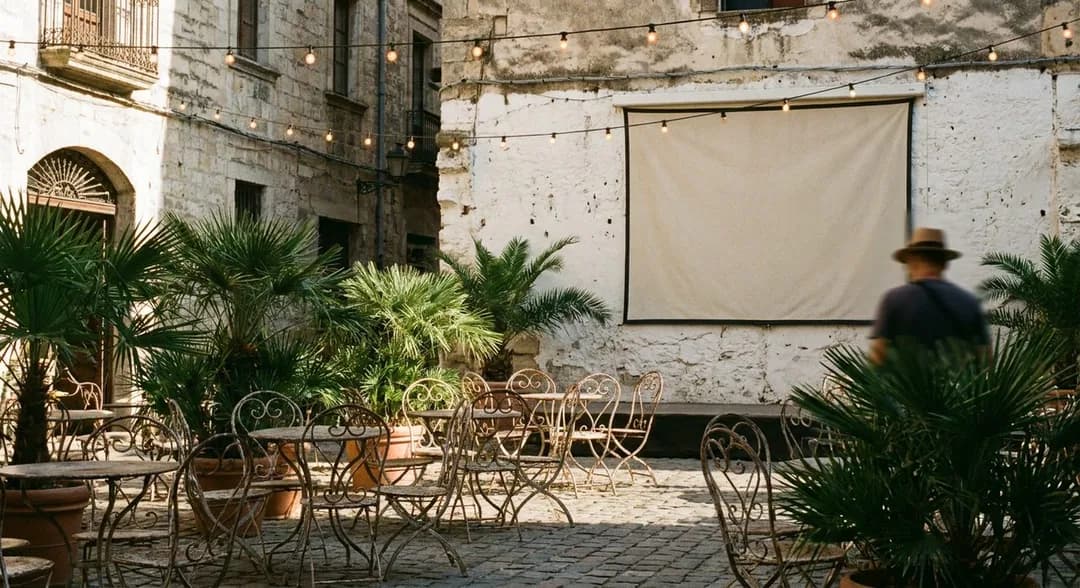
The cafes along Amsterdam and Michoacán start filling two hours before kickoff, which tells you everything about what this match means. European expats claim their tables early, ordering cortados they'll nurse until the screen flickers on. You notice the Croatian contingent favors the northwest corner spots where the jacaranda shadows keep the glare off screens, while the English crowd clusters near the bar where they can gesture at replays without blocking foot traffic. The air smells like burnt sugar from the kitchen's morning batch of conchas mixing with espresso steam, and by the time the anthems play, someone's always ordered chilaquiles they won't touch until halftime. The light through the trees hits differently at this hour — soft and dappled, almost apologetic for what's about to unfold.
When the Room Reads the Lineup Aloud
You hear the shift in conversation when lineups drop. The Croatian regular who works in graphic design downtown arrives with printouts he's marked up in red pen, circling the midfield, underlining the age next to one name. He doesn't need to explain. The table next to him goes quiet, then someone orders mezcal even though it's barely noon. This is how Condesa processes athletic mortality — through margin notes and early drinks and the particular silence that follows when you realize you're watching someone's last act at the highest level. The English contingent counters with optimism that sounds defensive, talking about depth charts and form, but you catch them glancing at the Croatian table, wondering if their own heroes are closer to the end than they want to admit.
The Geometry of Nostalgia in Cafe Seating
The veterans always take the same seats, which creates an unspoken map of loyalty and superstition. You learn to read a room by who sits where — the longtime expats near windows where they can smoke between halves, the newer arrivals willing to stand in back, the mixed-nationality couples who negotiate neutral ground near the bathroom hallway. When England and Croatia meet, the seating becomes tribal but not hostile, more like extended family at a wedding where old arguments surface through seating charts. You notice a Croatian woman in her sixties who commandeers a four-top alone, spreading newspapers and a thermos, defending her territory with the authority of someone who's watched every qualifier since the nineties. No one challenges her. The English group sends over a coffee as tribute. She nods once. This is Condesa diplomacy.
The Texture of Tension When Legs Start to Slow
You feel the collective wince when the player everyone's watching takes a heavy touch in the twentieth minute. It's not criticism exactly — more like recognition. The room understands what aging legs look like at this level, how vision stays sharp but execution falters, how a pass that would've split defenses three years ago now arrives a half-second late. The Croatian section goes quiet during these moments, protective, almost parental. Someone mutters about tactical instructions, about being asked to do too much, about younger players not making the runs. The excuses are generous because everyone here has watched brilliance fade in real time before, has argued with friends about when a legend should've retired, has been wrong about how much someone had left. The cafe smells like lime and salt now because someone's making micheladas behind the bar, and the citrus cuts through the anxiety.
Halftime as Referendum on Time Itself
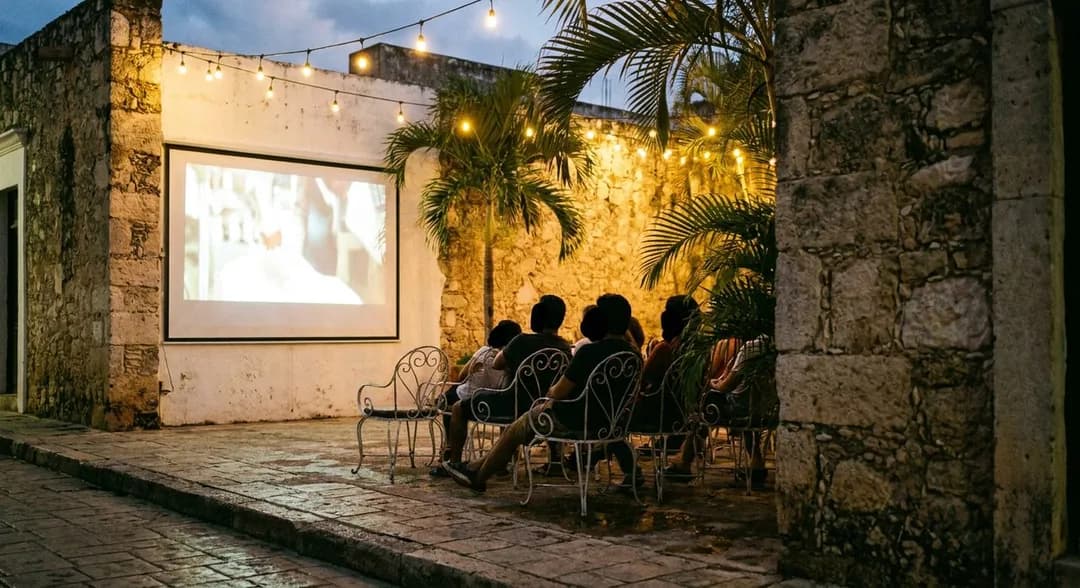
The break becomes a referendum disguised as tactical analysis. You watch the Croatian table debate substitutions with the intensity of people arguing about something larger than formation changes. Should he come off at sixty minutes? Does he have one more half-hour burst left? Is it cruel or respectful to leave him on? The English crowd buys them a round, which either reads as sportsmanship or subtle psychological warfare depending on your perspective. The bartender switches from coffee to beer service, recognizing the mood has shifted from morning ritual to afternoon wake. You notice the light has changed too — harsher now, less forgiving, the kind of afternoon glare that shows every line in every face. Someone's grandmother calls from Split on video chat, held up to the screen so she can watch from the phone, and half the cafe waves at her because Condesa doesn't do boundaries well.
When the Substitution Board Tells the Truth
You know it's coming before the number goes up. The Croatian section sees the fourth official preparing the board and goes still in a way that makes the English table stop mid-sentence. The number appears. The player jogs slowly toward the touchline, and the cafe erupts in applause that has nothing to do with the score. You watch grown men in their fifties stand and clap with their hands above their heads, watch the graphic designer wipe his eyes with his marked-up printout, watch the bartender pause mid-pour because even he understands what's happening. This might not be the last time this player steps on a World Cup pitch, but it might be, and Condesa's cafes have learned to honor might-be-endings because certainty only comes in retrospect. The English crowd joins the applause, which is either gracious or relieved, and for ninety seconds the cafe becomes a church for something no one can name.
The Long Afternoon After the Whistle
The match ends and no one leaves immediately, which is unusual for Condesa where table turnover matters. You watch both crowds order one more round, then another, talking less about the result than about other tournaments, other players, other cafes in other cities where they've done this before. The Croatian contingent pulls out phones to text friends in Zagreb and Berlin and Melbourne, confirming what they just witnessed, seeking consensus on whether this was goodbye. The light outside has gone golden, that particular late-afternoon quality that makes Condesa's trees look like they're on fire, and someone suggests moving to a mezcaleria down the block. Half the room follows. You stay long enough to watch the staff reset tables, to see the bartender save someone's forgotten scarf, to smell the kitchen starting dinner prep. The cafe returns to being a cafe, but for three hours it was something else — a theater of longing, a courtroom for time, a place where strangers agreed that watching greatness fade is both privilege and grief.
Practical Notes
Most cafes along the main avenues in Condesa open early enough to catch European match times, typically from mid-morning onward. You'll find screens in most establishments, though the spots with the best sight lines fill quickly on major match days. Expect to spend what you'd spend on a leisurely breakfast with drinks — not expensive by international standards but not throwaway cheap either. Transit is straightforward via metro to Patriotismo or Chilpancingo stations, though ride-shares drop you closer to the cafe clusters. Reserving tables isn't standard practice, but arriving well before kickoff is. The neighborhood fills with a mix of locals and expats, and most staff speak enough English to navigate orders, though Spanish helps. Weekend matches draw bigger crowds than weekday games. Bring cash as backup even though cards usually work.
Tags: #CondesaCafes #MexicoCityWorldCup #2026FIFAWorldCup #EnglandVsCroatia #ExpatLife #FootballCulture #MexicoCityExpats #WorldCupViewing #CondeasMexicoCity #EuropeanFootball #SportsNostalgia #CDMXCoffeeShops #FootballDiaspora #WorldCupMemories #CondesaLife
Sources consulted: fifa.com · espn.com · timeout.com
Please drink responsibly. Must be of legal drinking age.
All trademarks are the property of their respective owners.
Ask Karpo for more information.
Keep reading
- Haaland Has Seven Goals and Norway Runs Entirely Through Him
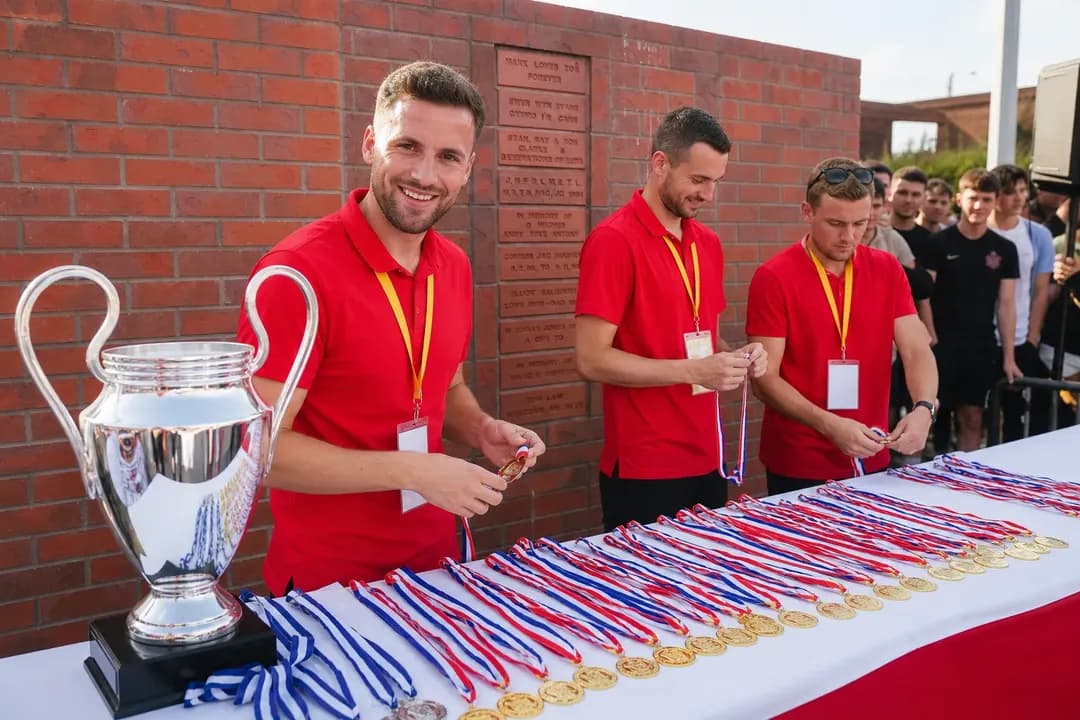 World Cup Trophy Ceremony Timing Medals and Postmatch Celebrations
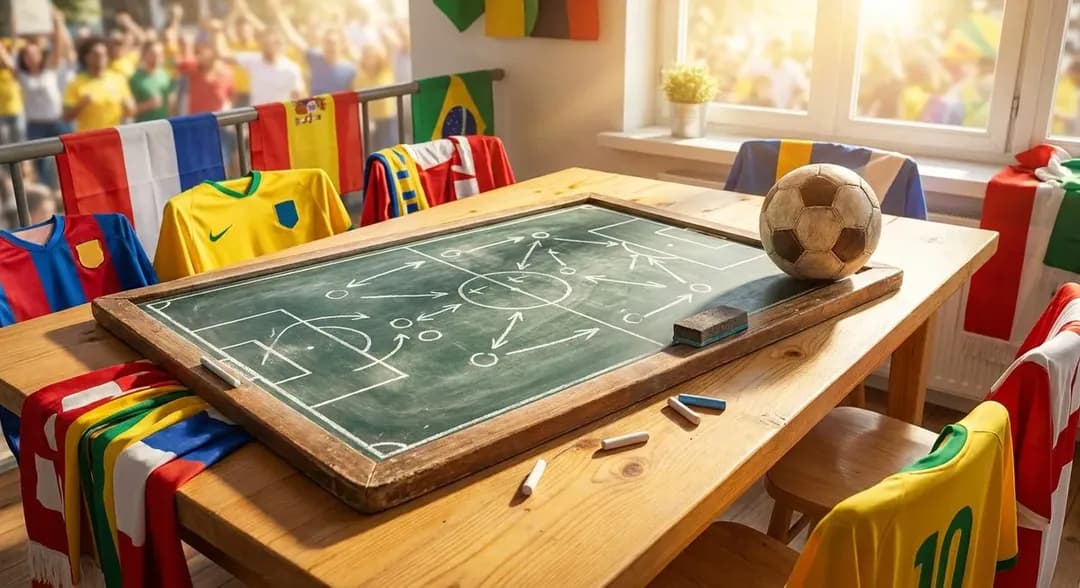 Olise and France's Attack: The Semifinal Tactical Question