 Haaland Has Seven Goals and Norway Runs Entirely Through Him
⚽️2026 FIFA WORLD CUP
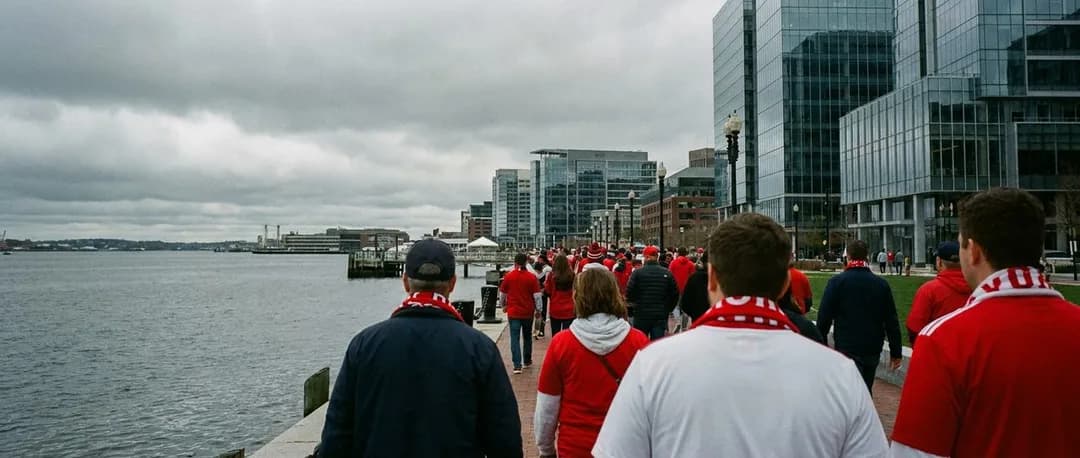
Denmark Supporters Claim Boston's Seaport for World Cup Summer
Boston's Scandinavian heritage runs deep in pockets of the city, and the Danish supporter community has found natural ground in the Seaport and Fort Point districts, low-key waterfront neighborhoods with the right mix of Nordic-inflected cafe culture and sports-watching infrastructure for the World Cup summer.
The morning ferry from Hingham pulls into Rowes Wharf as clusters of supporters in red and white begin their migration toward the Seaport, scarves looped around shoulders despite the June warmth. Boston's Danish community has staked its claim to this waterfront territory for the summer tournament, transforming the glass-and-steel corridors of the Seaport District into an unlikely Nordic stronghold. The neighborhood's evolution from industrial waterfront to polished mixed-use district mirrors the supporter culture itself—rooted in old maritime connections, now expressed through sleek viewing parties and harborside gatherings that blend Scandinavian reserve with American sports bar energy.
Viewing Headquarters Emerge Along Seaport Boulevard
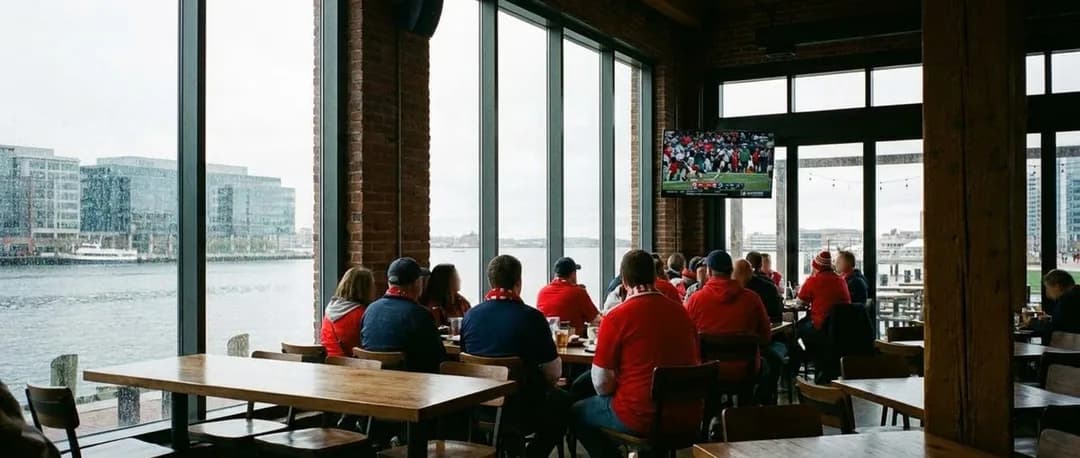
The Danish Supporters Club Boston has anchored its operations at The Grand, the sprawling sports bar on Seaport Boulevard where management cleared the main floor for tournament viewing. Fans arrive ninety minutes before kickoff for Denmark matches, claiming tables near the projection screens while staff roll out Danish flag bunting and cue up pre-match commentary feeds from DR Sport. The early-morning matches against Tunisia and France drew standing-room crowds by 8 a.m., supporters nursing Carlsberg pints and æbleskiver platters from a special tournament menu. Backup viewing parties spread to Legal Harborside and Committee, where smaller Danish contingents gather when The Grand hits capacity. The Fort Point neighborhood, just across the channel, offers quieter alternatives—Trillium Fort Point and Row 34 have become secondary hubs where fans watch on smaller screens, the atmosphere more subdued but no less committed.
Nordic Cafe Culture Takes Root in Former Warehouse Blocks
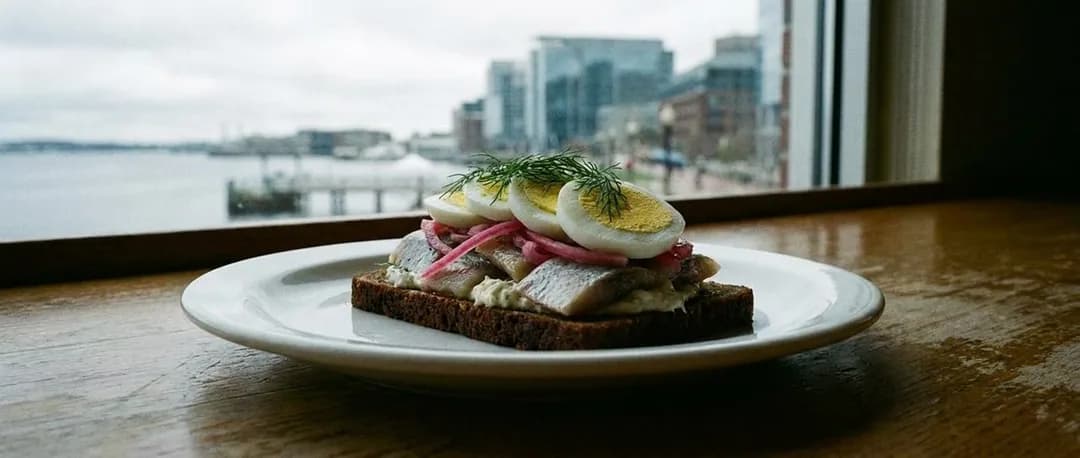
The Fort Point corridor between Summer Street and the water has developed an unexpected Scandinavian cafe ecosystem that serves the supporter community between matches. Gracenote Coffee on Melcher Street draws morning crowds for cardamom buns and strong filter coffee, its industrial-minimal aesthetic echoing Copenhagen's Nørrebro district. Owners report a surge in Danish customers during the tournament weeks, conversations in rapid Danish spilling across communal tables. Tatte Bakery on Farnsworth Street functions as unofficial team headquarters for the supporters' organizing committee, where volunteers coordinate watch parties over rye bread sandwiches and discuss logistics for potential knockout-round gatherings. The neighborhood's Scandinavian Design shop on Congress Street has become an impromptu fan supply depot, moving Danish flags and red-and-white face paint faster than management anticipated. This cafe infrastructure gives the supporter experience depth beyond match-day viewing—fans linger in the neighborhood for hours, treating the Seaport as temporary Danish territory.
Harborwalk Becomes Pre-Match Procession Route
The Boston Harborwalk serves as the natural gathering spine for supporters moving between venues and waterfront meetup points. Two hours before Denmark's opening match, fans assembled at Fan Pier, the broad plaza offering harbor views and space for impromptu singing sessions. The procession moved south along the water toward The Grand, a loose parade of several hundred supporters that stopped traffic on Seaport Boulevard. Local residents leaned from apartment balconies, bemused by the spectacle of Viking clap chants echoing off glass towers. The Harborwalk's Institute of Contemporary Art plaza has become a post-match gathering spot, particularly after evening matches when fans decompress with harbor views and dissect tactical decisions. On match days, the waterfront promenade fills with red jerseys from dawn through evening, transforming the typically corporate landscape into something closer to a neighborhood festival ground. The maritime setting resonates with supporters who note Denmark's own coastal identity—several fans mention the harbor views as part of what makes the Seaport feel like appropriate Danish territory.
Training Day Watch Parties Build Tournament Rhythm
Between match days, the supporter community maintains presence through training session watch parties and tactical discussion gatherings. The Envoy Hotel's rooftop bar hosts "Training Table" sessions where fans gather to watch Denmark's practice footage on tablets and debate lineup choices. These mid-tournament gatherings draw smaller but dedicated crowds—thirty to fifty supporters who treat the downtime as seriously as match days. Cisco Brewers in the Seaport serves as venue for the supporters club's official meetings, where organizers plan knockout-round logistics and coordinate potential road trips if Denmark advances deep into the tournament. The rhythm establishes the Seaport as more than match-day destination—it becomes the community's summer headquarters, a district claimed through sustained presence rather than occasional visits. Local businesses have adjusted to the pattern, with several restaurants offering Danish-themed lunch specials on training days and bars promoting Denmark match replays during evening hours.
Post-Match Nights Reshape Waterfront Social Geography
Victory celebrations have introduced new patterns to the Seaport's typically corporate nightlife. After Denmark's opening win, supporters flooded the Lawn on D, the outdoor venue becoming impromptu street party with projection screens showing match highlights on loop. The celebration continued past midnight, fans playing cornhole and giant Jenga while chanting songs that bewildered the venue's usual tech-industry crowd. Scoreless draws produce different energy—supporters drift to quieter spots like Lookout Rooftop or migrate back toward Fort Point's brewery row for contemplative post-mortems over craft beer. The neighborhood's late-night food scene benefits from the tournament influx. Pastoral's Fort Point location stays open later than usual, serving pizzas to supporters analyzing match statistics. Night Shift Brewing on Lovejoy Wharf becomes the final gathering point for hardcore fans who aren't ready to disperse, the brewery's industrial space accommodating post-match energy until closing time.
Practical Notes for Following the Danish Community
• Transit access: Silver Line SL1 and SL2 buses connect South Station to Seaport venues; MBTA Red Line to South Station provides connection point from wider Boston. Water taxis run from Long Wharf and Hingham for scenic approach.
• Match timing: Early tournament matches (8-11 a.m. Eastern) mean arriving by 7 a.m. for prime viewing spots at The Grand. Later knockout rounds shift to afternoon slots with different crowd dynamics.
• Weather considerations: Harbor winds make waterfront gatherings chilly even in summer—fans layer Danish jerseys over long sleeves. Harborwalk viewing requires sun protection during afternoon matches.
• Venue booking: The Grand accepts reservations for groups of eight or more; walk-ins queue outside for major matches. Fort Point alternatives offer better spontaneous access but smaller screen setups.
Tags: #BostonSeaport #WorldCupBoston #DenmarkSupporters #FortPointBoston #BostonHarborwalk #ScandinavianBoston #SeaportDistrict #SoccerCulture #BostonWaterfront #WorldCupViewing #DanishCommunity #BostonSportsBars #FanCulture #SeaportBoulevard
Sources consulted: fifa.com (https://www.fifa.com) · bostonusa.com (https://www.bostonusa.com) · timeout.com/boston (https://www.timeout.com/boston)
All trademarks are the property of their respective owners.
Ask Karpo first
Looking for where Boston's Denmark fans and Scandinavian community are setting up for World Cup matches this summer?
Ask Karpo for the latest on Seaport and Fort Point viewing spots, Danish supporter group meetups, and the neighborhood rhythm around World Cup match days.
Ask Karpo for more information.
Keep reading
- Haaland Has Seven Goals and Norway Runs Entirely Through Him
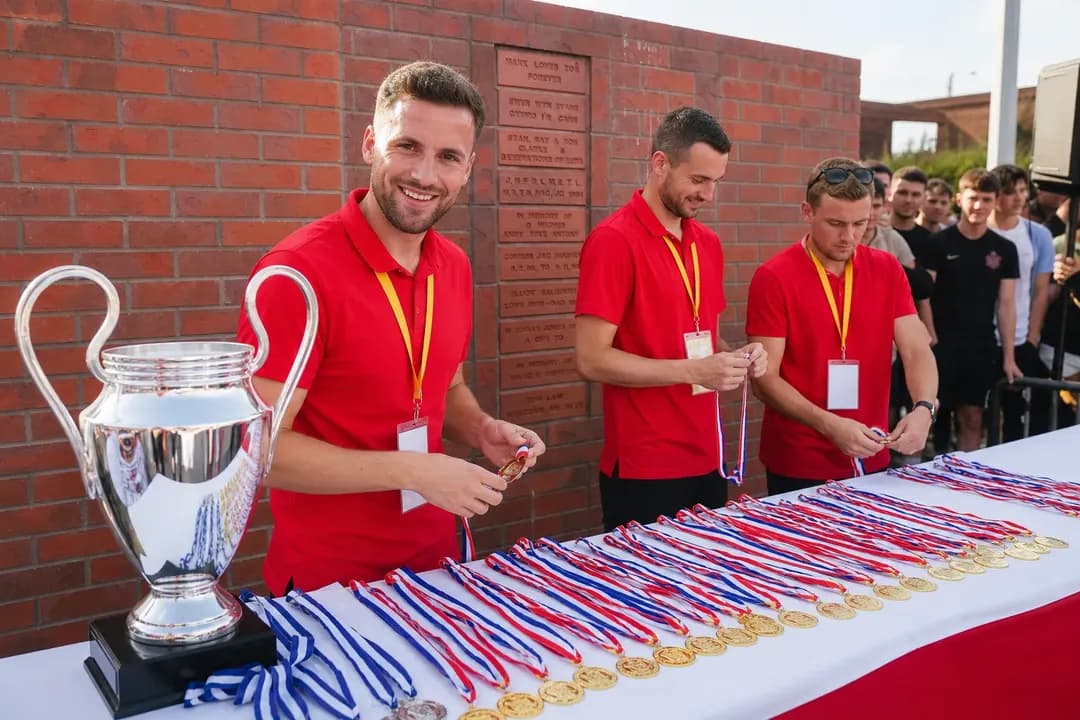 World Cup Trophy Ceremony Timing Medals and Postmatch Celebrations
 Olise and France's Attack: The Semifinal Tactical Question