 Haaland Has Seven Goals and Norway Runs Entirely Through Him
⚽️2026 FIFA WORLD CUP
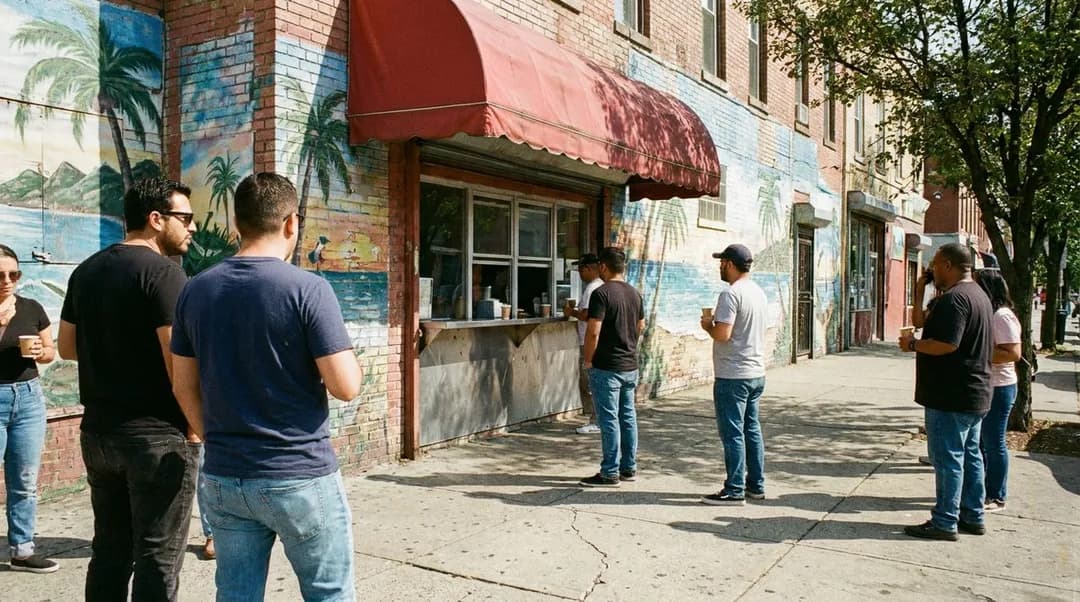
Croquetas and Cafecito Before Kickoff While home improvement show cast challenges Scroll on Phones in Little Havana
Ham croquettes and sweet espresso fuel a street-side ritual where World Cup pregame mixes with reality TV buzz on every screen and device.
Morning Smoke and Sugar Before the Roar
You step into Little Havana before the World Cup kickoff and the air already tastes like burnt sugar and frying pork fat. The sidewalks along Calle Ocho hum with a particular frequency this morning—locals in jerseys layered over guayaberas, tourists clutching Google Maps, everyone moving toward the same unspoken destination: a window counter where croquetas come off the fryer in batches of twenty and cafecito flows like a sacrament. The screens inside every ventanita and restaurant flicker between home improvement reality shows and pregame coverage, creating a strange visual rhythm where someone's kitchen renovation bleeds into stadium crowd shots. You're here for the ritual that happens in the two hours before kickoff, when the neighborhood becomes a staging ground for something bigger than soccer.
The Window Where Everyone Stops
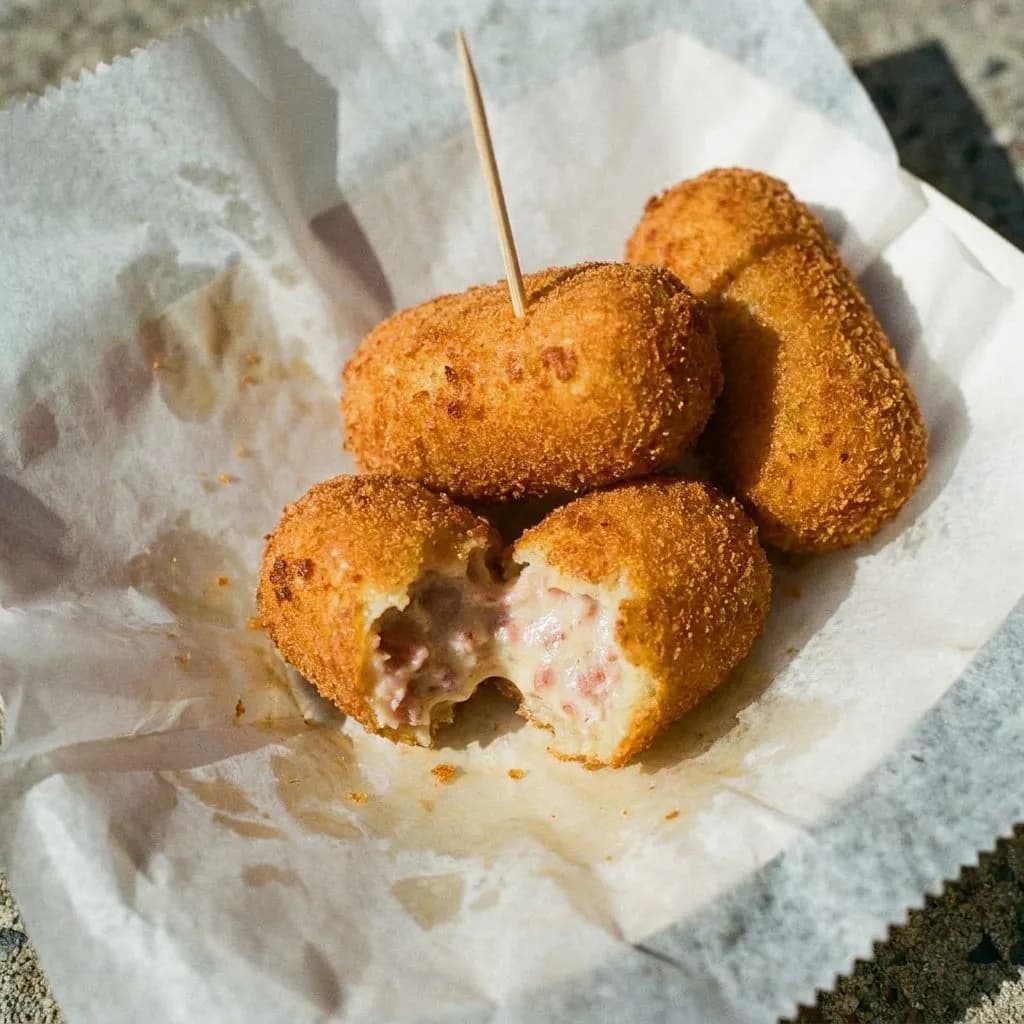
The ventanita you want sits in a corner building with turquoise trim and hand-painted signs advertising everything from tamales to lottery tickets. You join the line—always a line—where construction workers stand next to families in matching national team colors, everyone ordering in a rapid-fire Spanish that sounds like percussion. The woman working the window moves with the efficiency of someone who's made ten thousand cafecitos before noon, flipping the tiny cups onto saucers without looking, calling out orders in a voice that cuts through traffic noise. You order ham croquetas and a cafecito, maybe two if you're honest about your caffeine needs. The croquetas arrive in a paper boat, still crackling from the fryer, their bechamel centers molten enough to require a thirty-second wait you never quite manage. Behind the window, a mounted TV plays one of those home renovation competition shows where designers argue over subway tile, but nobody's watching—they're all scrolling their phones for lineup announcements and transit updates to the stadium.
The Geometry of Sidewalk Congregation
You don't sit at a table because that's not how this works. You stand at the narrow counter that juts from the building, one foot on the curb, balancing your coffee and croquetas while watching the street theater unfold. The counter's surface is scarred Formica, sticky in spots from spilled sugar, and it's exactly the right height for leaning. To your left, three teenagers in away-team jerseys argue about defensive formations while their grandmother adds packet after packet of sugar to her cortadito. To your right, a guy in paint-spattered jeans watches the home improvement show with genuine interest, occasionally commenting to no one in particular about the contestant's tile choices. The cafecito hits your system in waves—first the sweetness, then the jolt, then a kind of focused energy that makes the pregame chaos feel manageable. You eat the croquetas too fast, burning the roof of your mouth on the first one like everyone does, the ham and bechamel mixing with the lingering coffee sweetness in a combination that shouldn't work but defines the entire morning.
Screens Within Screens, Crowds Within Crowds
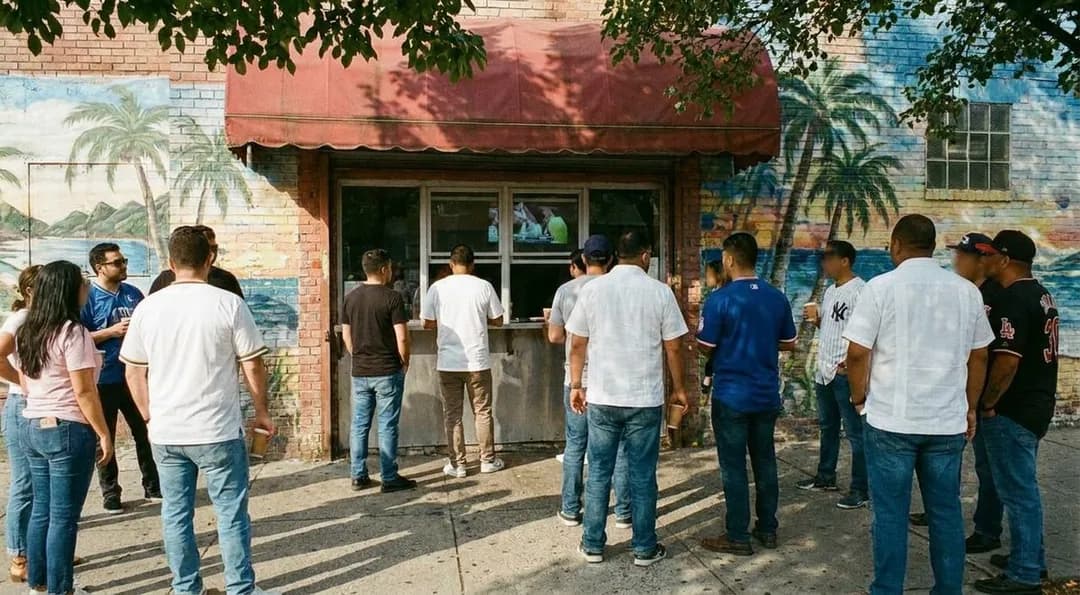
Every surface that can hold a screen does. The ventanita has two—one showing the home improvement program, another cycling between sports channels. The adjacent cafeteria has four more, plus someone's tablet propped on the counter streaming a different match from another time zone. Nobody's watching any single screen completely, but everyone's aware of all of them simultaneously, heads swiveling when crowd noise erupts from one direction or another. The home improvement show provides a strange counterpoint—designers stressing over backsplash decisions while commentators analyze World Cup tactics—and somehow it all blends into the ambient texture of the morning. You notice how the locals barely glance at the soccer coverage, saving their attention for when it matters, while visitors keep their eyes glued to every pregame minute. The real action is in the crowd itself, the way conversations cascade from one cluster to another, rumors about traffic and parking spreading like weather patterns, everyone calculating their departure time down to the minute.
What You're Actually Eating and Why It Matters
The croquetas here follow a specific architecture—cylinder-shaped, about three inches long, coated in a breadcrumb shell that shatters audibly when you bite. The ham inside is finely ground, suspended in bechamel thick enough to hold its shape at lava temperature. They're not innovative or modern or fusion—they're the exact same croquetas served in Havana in 1958, made the exact same way, and that's the entire point. You order them by the half dozen because one or two feels insulting to the form. Some people get chicken, some get cod, but ham is the standard, the baseline, the thing everyone orders when they're not trying to be interesting. The cafecito comes in a cup smaller than a shot glass, pre-sweetened to a level that would horrify specialty coffee people, thick enough to coat your teeth. You drink it in two sips, maybe three if you're savoring. The combination—fried bechamel and rocket-fuel espresso—creates a specific kind of ready, a physical state that makes standing in stadium crowds and chanting for ninety minutes feel not just possible but necessary.
The Rhythm of Departure
Around ninety minutes before kickoff, the energy shifts. The casual sidewalk congregation becomes purposeful. People start checking transit apps, calling rides, calculating walking times to the stadium. The ventanita line gets longer and faster simultaneously—everyone wants one more cafecito for the road, one more croqueta to sustain them through security lines. You see groups splitting up to hit different windows, maximizing efficiency, reconvening with paper bags full of provisions. The home improvement show reaches some kind of climax—a reveal, a winner announced—but nobody's watching anymore. Phones come out for group photos, jerseys get adjusted, flags get unfurled. The sidewalk empties in waves, each departure creating space that fills immediately with the next group. You time your own exit carefully, finishing your coffee, wiping grease from your fingers with a napkin that immediately disintegrates. The walk to the stadium takes twenty minutes if you move with purpose, and you do, because you're caffeinated and full and part of a migration that's been building since dawn.
What Stays Behind When the Crowd Leaves
After the mass exodus, the ventanitas don't close. They shift into a different gear, serving the people who aren't going to the match—the workers on break, the elderly couples who've seen enough World Cups to skip one match, the neighborhood residents for whom this is just Tuesday with more jerseys. The home improvement show continues its marathon, now with actual viewers, people who comment on the design choices and debate the judges' decisions. The fryers keep going because there's always someone who wants croquetas, World Cup or not. You could stay, order another coffee, watch the match on the ventanita's small screen surrounded by locals who prefer this angle—the neighborhood as frame, the game as content, rather than the reverse. But you're already walking, feeling the cafecito push you forward, the croquetas settling into fuel, the street noise fading as you join the river of people flowing toward the stadium. Little Havana empties and refills, empties and refills, a rhythm as reliable as the fryer timer, as predictable as the next espresso shot.
Practical Notes
The ventanitas along Calle Ocho open early, some as soon as dawn, and stay open until the neighborhood sleeps. You'll find the densest concentration of them in the blocks where the street feels most lived-in, where hand-painted signs outnumber corporate logos. Cash moves faster than cards at most windows, though many take both now. Arriving two to three hours before kickoff gives you the full pregame atmosphere without the final-hour crush. Street parking becomes mythical on match days—consider transit or ride-shares and plan for crowds. The MetroMover and Metrorail connect to the stadium area, with increased service on event days. Croquetas run a few bucks each, cafecito about the same, and you'll want more than you think. No reservations, no table service, no complexity—just windows, counters, and the understanding that you eat standing up.
Tags: #LittleHavana #Miami #FIFAWorldCup2026 #Croquetas #CubanCoffee #CalleOcho #WorldCupFood #MiamiEats #PregameRitual #CubanFood #Cafecito #StreetFood #WorldCupMiami #MiamiNeighborhoods #SoccerCulture
Sources consulted: fifa.com · miamiherald.com · timeout.com
All trademarks are the property of their respective owners.
Ask Karpo for more information.
Keep reading
- Haaland Has Seven Goals and Norway Runs Entirely Through Him
 World Cup Trophy Ceremony Timing Medals and Postmatch Celebrations
 Olise and France's Attack: The Semifinal Tactical Question