 Haaland Has Seven Goals and Norway Runs Entirely Through Him
⚽️2026 FIFA WORLD CUP

Costa Rica's La Sele Fans Build Summer Viewing Culture in Los Angeles
Los Angeles's Pico-Union and the neighborhoods surrounding it hold one of the most concentrated Central American diaspora communities in the country, and Costa Rican supporters among them are assembling the watching infrastructure for a World Cup summer that puts La Sele back in the spotlight on a continental stage.
The morning shift at the pupuserías along Pico Boulevard begins hours before the first whistle. Cooks arrive in darkness to prep masa, and by the time the sun clears the downtown skyline, the first Costa Rican flags are already draped across storefronts in Pico-Union. This densely packed corridor west of the 110 freeway has become the emotional center for La Sele supporters in Los Angeles, a neighborhood where Central American migration patterns have created one of the most vibrant World Cup viewing cultures in North America. As Costa Rica returns to the continental tournament stage, the community that has sustained itself through decades of displacement and rebuilding now channels that resilience into summer match days that transform entire blocks into open-air watch parties. The infrastructure didn't appear overnight—it's the product of years of community organizing, restaurant owners investing in projection systems, and supporters' groups coordinating across a sprawling city where transit connections matter as much as kickoff times.
Pupuserías Transform Into Matchday Headquarters
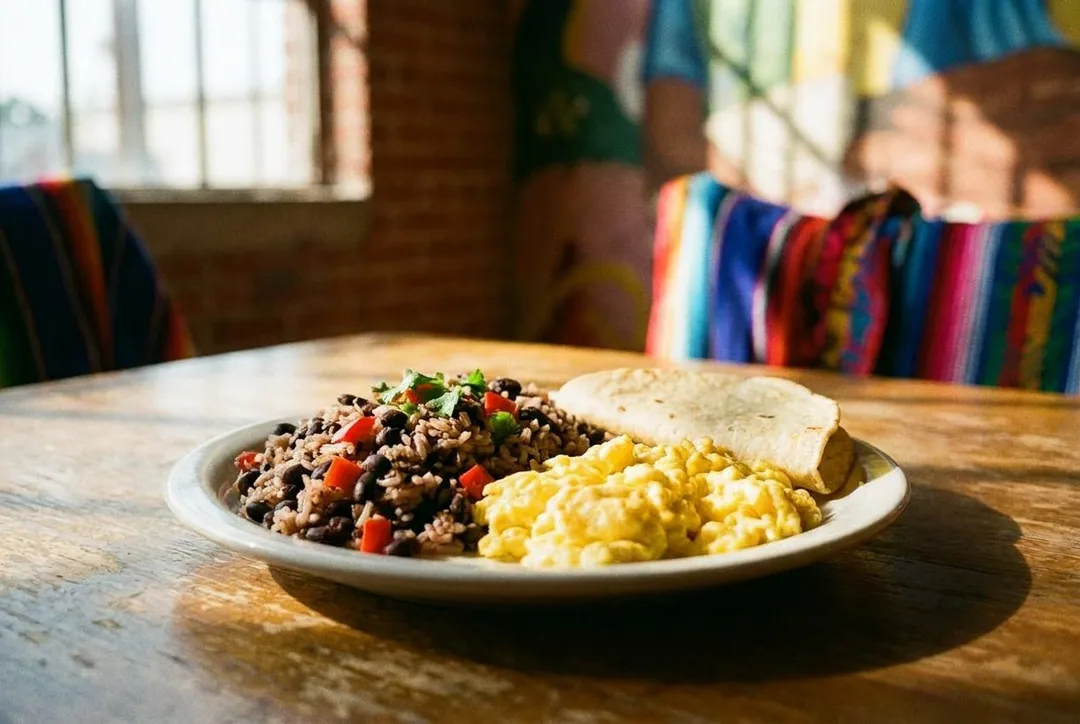
The restaurants along Pico between Alvarado and Vermont have been reconfiguring their dining rooms since late spring. At Restaurante y Pupusería La Familiar, the owner installed a second projector to eliminate sightline issues, positioning screens at opposite ends of the narrow space so that every table has a clear view. The smell of curtido—the pickled cabbage relish that accompanies every pupusa order—mingles with fresh-brewed coffee as early arrivals stake out tables two hours before kickoff. Neighboring establishments follow similar patterns: Rinconcito Tico and Sabor Chapín both extend their outdoor seating into parking spaces, negotiating temporary street closures with the city for matches that draw overflow crowds. The food becomes part of the ritual—gallo pinto breakfast plates for morning matches, casado lunches when games fall at midday, and endless rounds of horchata and tamarindo drinks regardless of the hour. Kitchen staff work in coordinated bursts, timing orders around play so that servers can watch crucial moments alongside customers. The economic calculation is straightforward: a single World Cup match generates the revenue of an entire weekend, and restaurant owners have learned to staff accordingly, bringing in cousins and extended family to manage the crush.
The Supporters' Groups Coordinate Across Neighborhood Lines
La Sele LA, the primary supporters' organization, operates out of a small office space above a travel agency on West Pico. The group's leadership meets every Tuesday evening to coordinate logistics for the tournament—which venues can handle which crowd sizes, how to distribute flags and scarves purchased in bulk from San José, where to position the drummers so sound carries without violating noise ordinances. Their work extends beyond matchdays: they organize youth soccer clinics at Lafayette Park, maintain a WhatsApp network with over three thousand members, and negotiate group rates with bars that might otherwise charge cover fees for big matches. A secondary group, Ticos Unidos, focuses on the MacArthur Park area and draws heavily from the Westlake neighborhood's Costa Rican population. The two organizations maintain friendly rivalry and occasional collaboration, jointly chartering buses for the rare occasions when La Sele plays close enough for road trips—a match in the Rose Bowl or across the border in Tijuana. On game days, members fan out across the neighborhood wearing distinctive yellow vests, directing parking and helping elderly supporters navigate crowded sidewalks. The groups also maintain informal relationships with LAPD's Rampart Division, ensuring officers understand the difference between a celebration and a disturbance.
Transit Corridors Fill With Red, White, and Blue
The Metro's B and D lines become Costa Rican territory on match mornings. Supporters board at Westlake/MacArthur Park, 7th Street, and Pico stations wearing jerseys spanning three decades—Wanchope-era kits from 2002, Paulo Wanchope's number nine, and the latest Nike designs. The trains themselves become mobile fan zones, with drummers occasionally boarding at Wilshire/Vermont to lead chants during the twenty-minute ride into the neighborhood's heart. Street vendors position themselves at station exits, selling flags, face paint, and bootleg scarves at markup prices that supporters pay without complaint. The bus lines—the 18, 20, and 720—carry additional waves of fans from East LA, South Gate, and as far west as Culver City. Drivers familiar with the tournament schedule adjust their expectations, knowing that stops near Pico and Alvarado will require extra dwell time as groups of ten or fifteen board together. After matches, the transit flow reverses but moves more slowly, with victorious supporters lingering at stations to continue celebrations, or dejected fans sitting silently on benches, processing losses before heading home.

MacArthur Park's Western Edge Becomes Secondary Viewing Zone
While Pico-Union holds the highest concentration of viewing venues, the area around MacArthur Park has developed its own match-day identity. The park itself, long a gathering point for the neighborhood's Central American communities, sees informal watch parties on its western lawns, where supporters bring portable speakers and cluster around phones streaming matches. Nearby Langer's Delicatessen, an unlikely crossover point between old Jewish LA and new Central American LA, reports increased breakfast business from Costa Rican fans who've made pre-match pastrami a superstitious tradition. The bars along Wilshire near Alvarado—El Siete Mares, La Perla—cater to slightly older crowds, supporters in their forties and fifties who remember Costa Rica's 1990 World Cup run and prefer seated viewing with table service. These venues maintain quieter atmospheres, though eruptions follow goals regardless of setting. The demographic split is generational: younger supporters gravitate toward the standing-room energy of Pico Boulevard pupuserías, while established families and older fans choose the park-adjacent spots where children can play between halves.
Evening Rhythms Shift With Match Results
Victory transforms the neighborhood into an impromptu street festival. Cars cruise Pico with flags streaming from windows, honking patterns that communicate goals scored. Families emerge from apartments to join sidewalk celebrations, and restaurants keep kitchens open past usual closing times, feeding crowds that refuse to disperse. The drumming continues for hours, moving from venue to venue as groups migrate between bars and cafés. Defeat brings different energy—quieter but no less communal. Supporters gather in smaller groups, conducting post-mortems over beer and coffee, analyzing what went wrong and what the next match requires. The pupuserías stay open either way, understanding their role as community gathering points transcends the ninety minutes of play. Street cleaning crews have learned to delay their usual routes on match nights, waiting until crowds thin before sweeping up the paper flags, plastic cups, and confetti that mark the evening's passage. By midnight, the neighborhood returns to its baseline hum, though flags remain hanging from windows and storefronts, ready for the next match day.
Practical Notes for Following La Sele in Pico-Union
• Metro's B and D lines provide direct access to the neighborhood, with Pico and Westlake/MacArthur Park stations both within walking distance of major viewing venues; trains run frequently but expect crowding ninety minutes before kickoff
• Most pupuserías and restaurants don't take reservations for match days—supporters arrive two to three hours early for popular fixtures, with prime seating claimed by 8 a.m. for midday matches
• Street parking becomes nearly impossible within six blocks of Pico and Alvarado during matches; paid lots along Venice Boulevard offer alternatives at $15-20 for the day
• Summer afternoon matches mean temperatures in dining rooms without air conditioning can exceed 85 degrees; venues with outdoor seating or strong fan systems fill first, and supporters dress accordingly in light layers despite wanting to wear full kit
Tags: #LaSele #CostaRicaSoccer #PicoUnion #LosAngelesSoccer #CentralAmericanLA #WorldCupCulture #LANeighborhoods #SoccerCommunity #TicosInLA #MacArthurPark #LAFoodScene #SupportersCulture #LATransit #PupuseriaLife
Sources consulted: fifa.com · discoverlosangeles.com · timeout.com/los-angeles
All trademarks are the property of their respective owners.
Ask Karpo first
Looking for where Los Angeles's Costa Rican community and La Sele supporters are gathering for World Cup viewing this summer?
Ask Karpo for the latest on Pico-Union and Central LA viewing spots, Costa Rican community events, and the neighborhood rhythm around Costa Rica match days in Los Angeles.
Ask Karpo for more information.
Keep reading
- Haaland Has Seven Goals and Norway Runs Entirely Through Him
 World Cup Trophy Ceremony Timing Medals and Postmatch Celebrations
 Olise and France's Attack: The Semifinal Tactical Question