 Haaland Has Seven Goals and Norway Runs Entirely Through Him
⚽️2026 FIFA WORLD CUP
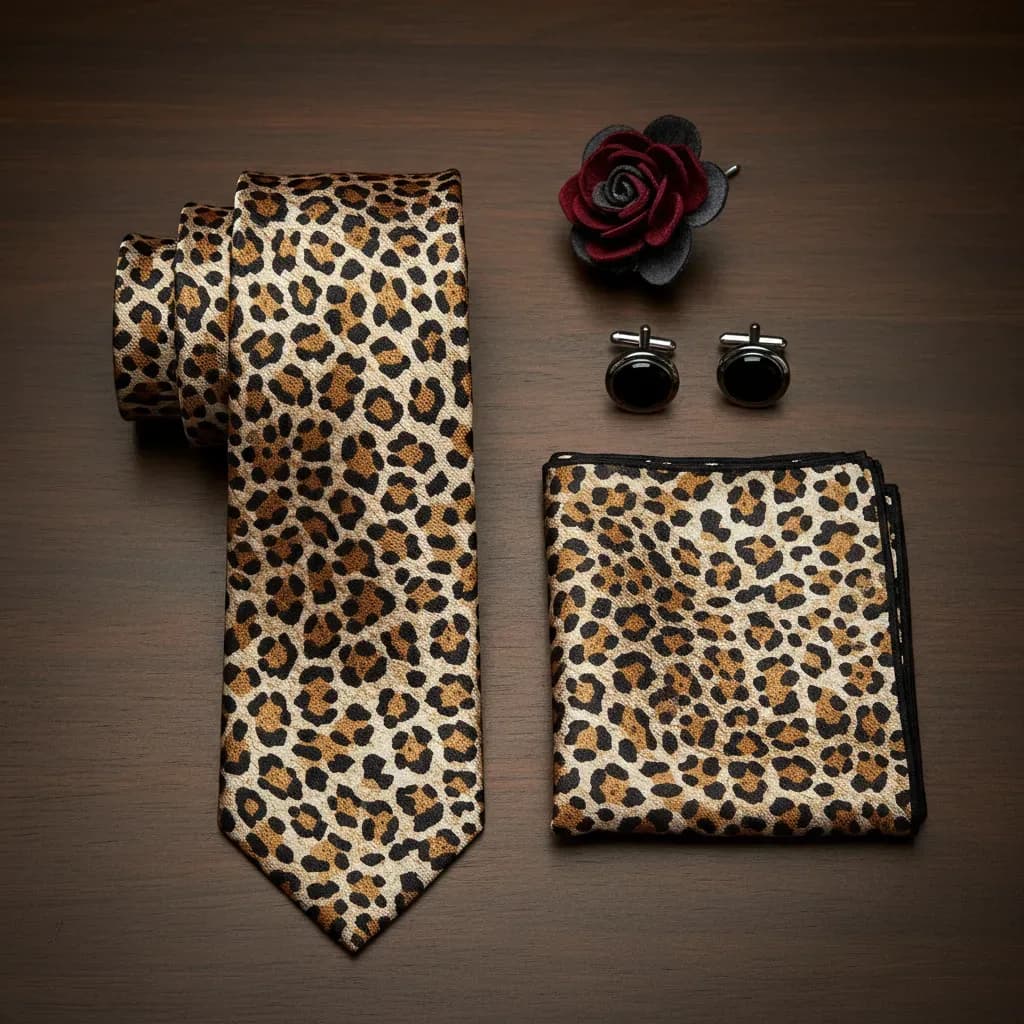
DR Congo Wore Leopard-Print Suits and France Carried Hermès Bags — The World Cup Fashion War Is Real
From the Democratic Republic of Congo's bold leopard-print arrival to France's designer luggage, the 2026 World Cup has turned team hotel walkways into fashion runways.
The walkway is the first pitch
Long before the opening whistle of any World Cup match, the competition begins in a hotel parking lot. The team bus pulls up, the doors open, and 26 players walk toward the lobby in coordinated outfits that have been selected, approved, and in some cases designed specifically for the occasion. At the 2026 World Cup, these arrival moments have generated more social media engagement per minute than most group-stage matches.
The two teams that have won the fashion war are the Democratic Republic of Congo and France, and they represent entirely different approaches to sartorial statement-making. Congo went bold: custom leopard-print suits that referenced the country's national symbol and made every player look like they had stepped out of a Kinshasa runway show. France went luxurious: sleek Nike tracksuits paired with individual designer accessories from Hermès and Goyard that collectively cost more than a small car.
Congo's leopard-print statement
The Democratic Republic of Congo returned to the World Cup for the first time in 52 years. Their last appearance was in 1974, when they were known as Zaire and became famous for a free-kick incident against Brazil that has been endlessly replayed. The 2026 squad was determined to make a different kind of impression, and their arrival outfits were the opening salvo.
The leopard-print suits were designed by a Congolese fashion label based in Kinshasa. Each suit was custom-tailored to the individual player, with variations in lapel style and pocket square arrangement that gave the group a cohesive but not identical appearance. The leopard print — a reference to the country's national coat of arms, which features a leopard head — was executed in a muted color palette that avoided garishness. The result was sophisticated, culturally grounded, and instantly viral.
The photographs were shared over 20 million times within the first day. Fashion outlets that do not typically cover football — Vogue, GQ, Highsnobiety — ran features on the suits. The Congolese designer received interview requests from publications in 15 countries. For a nation returning to the World Cup after half a century, the fashion moment achieved something that the football alone might not have: global visibility and positive attention.
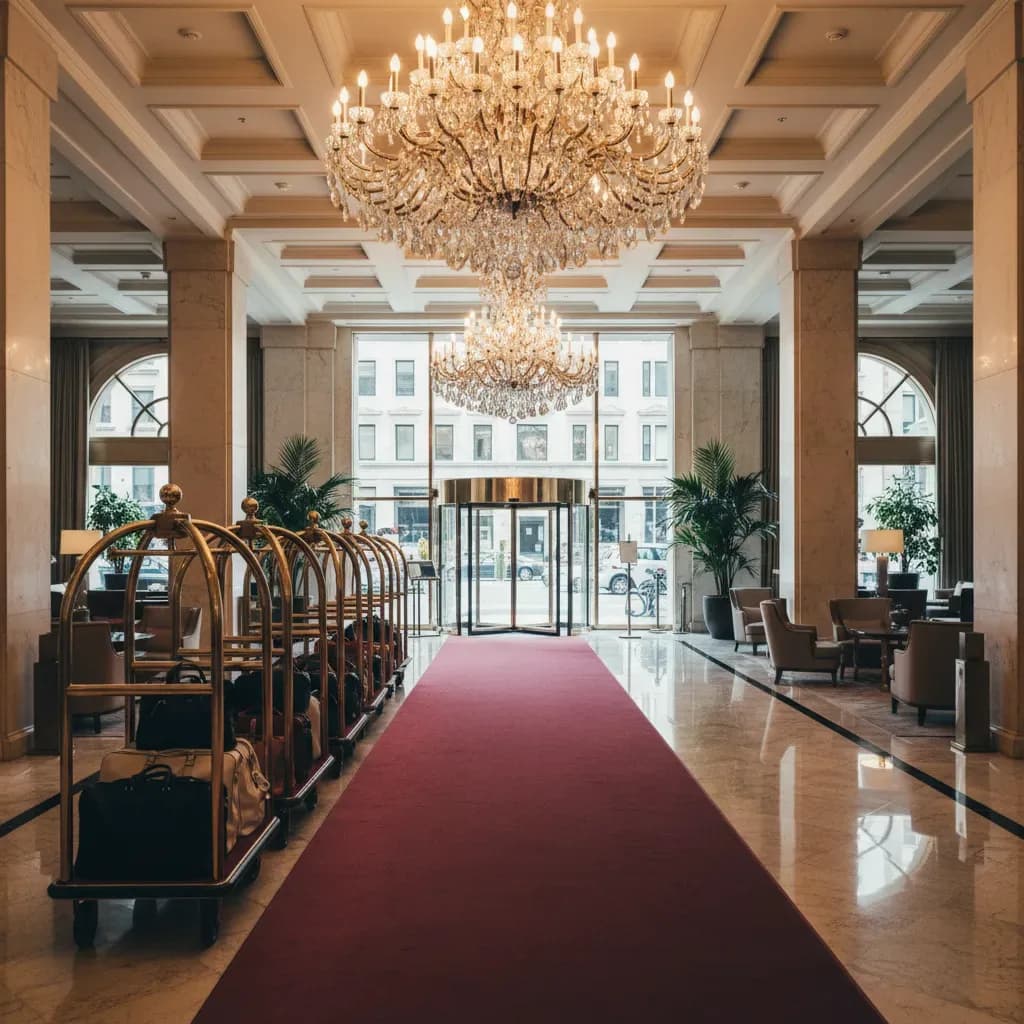
France's designer luxury
France's approach was different in every way. Where Congo made a collective cultural statement, France's players expressed individual luxury. The team arrived at their Houston hotel wearing matching Nike x France national team tracksuits — navy blue with subtle tricolor accents — but each player accessorized individually with personal designer items. Mbappé carried a Goyard duffle bag. Griezmann wore a cashmere scarf from an unnamed Parisian house. Several players were photographed in limited-edition sneakers that retail for prices that most people would consider a month's rent.
The message was unmistakable: France are not just a football team, they are a lifestyle brand. The squad's fashion sense reflects the broader cultural position of French football in the global imagination — sophisticated, confident, and comfortable with luxury in a way that English or German teams historically have not been. Whether you find it inspiring or ostentatious depends on your disposition toward conspicuous consumption, but the content performed spectacularly on social media.
The wider fashion competition
Congo and France were the headline acts, but they were not the only teams investing in arrival aesthetics. Nigeria, whose 2018 World Cup kit became the most requested jersey in Nike's history, continued their tradition of bold fashion choices with ankara-print accessories. Japan's squad wore minimalist navy suits with matching white sneakers — clean, understated, and perfectly coordinated. Mexico's arrival included traditional charro-inspired embroidery on suit jackets, a nod to the host nation's cultural heritage.
The cumulative effect is that World Cup team arrivals have become a distinct content category, separate from match coverage, tactical analysis, or fan culture. Dedicated social media accounts now rank team outfits, brands scramble to get their products on players' bodies, and fashion editors cover the World Cup with the same seriousness they bring to Milan Fashion Week.

Why it matters beyond vanity
Team fashion at the World Cup serves a function beyond aesthetics. It is a form of cultural diplomacy. Congo's leopard-print suits communicated national identity to an audience that might otherwise know nothing about the country beyond conflict and crisis narratives. France's designer luggage reinforced a brand identity that attracts commercial partnerships worth hundreds of millions of euros. Nigeria's bold prints celebrate a textile tradition that has global influence.
For players, the arrival outfit is often the first image of them that the global audience sees at a tournament. It sets a tone. It projects confidence. And in the age of social media, it reaches an audience that may never watch a single minute of football but will engage with the fashion content.
The economics of World Cup fashion
The commercial dimension is significant. Nike, Adidas, and Puma invest heavily in national team partnerships, and the World Cup is the highest-visibility platform for those partnerships. The value of a single photograph of Mbappé carrying a branded bag through a hotel lobby has been estimated at several hundred thousand dollars in equivalent advertising value. Teams that present well off the pitch attract sponsorship interest beyond their traditional football partnerships.
For smaller nations like Congo, the fashion moment can also generate tourism and cultural interest. The Kinshasa fashion label that designed the leopard-print suits has reported a surge in international orders since the photographs went viral. The suits became a gateway to Congolese culture for millions of people who had never previously engaged with the country's creative output.
Practical notes
Team arrivals are typically visible at team hotels and can sometimes be observed by fans positioned along hotel entrance routes. For the 2026 World Cup, team hotels are not publicly disclosed for security reasons, but team arrival photographs are posted on each national team's official social media within hours. FIFA's YouTube channel also publishes compiled arrival footage. For fashion-focused World Cup content, Vogue.com, GQ, and B/R Football's Instagram have been the most consistent sources.
Tags: #Buzz #WorldCupFashion #FIFAWorldCup2026 #WorldCup2026 #CongoLeopardSuits #FranceHermes #FootballFashion #TeamArrivals #Houston #StyleOnThePitch #KarpoFinds
Sources consulted: cbc.ca · foxnews.com
All trademarks are the property of their respective owners.
Ask Karpo first
Want to know when to show up, where to wait, and what's actually open to the public?
Ask Karpo for the latest World Cup fashion updates, team arrival schedules, and a live route around Houston before you head out.
Ask Karpo for more information.
Keep reading
- Haaland Has Seven Goals and Norway Runs Entirely Through Him
 World Cup Trophy Ceremony Timing Medals and Postmatch Celebrations
 Olise and France's Attack: The Semifinal Tactical Question