 Haaland Has Seven Goals and Norway Runs Entirely Through Him
⚽️2026 FIFA WORLD CUP
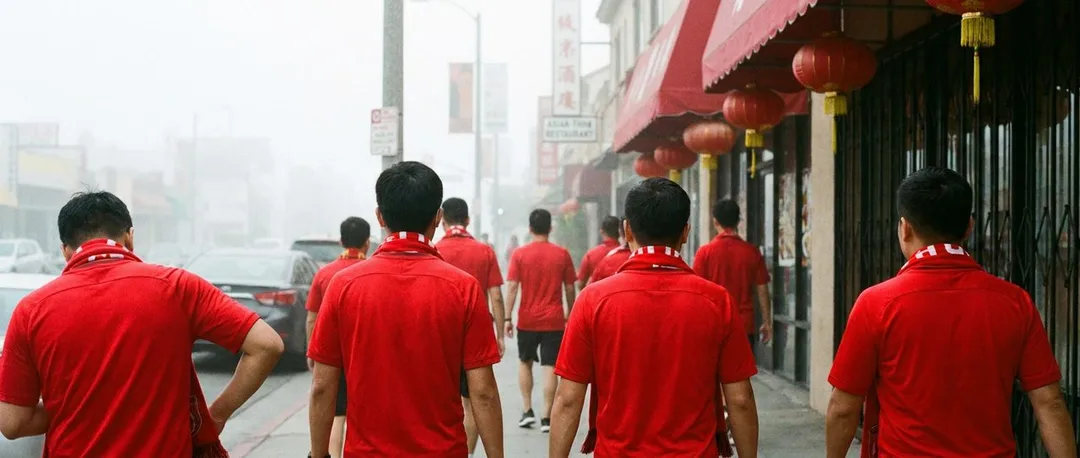
China's World Cup Fans Find Their Scene Across San Gabriel Valley
The San Gabriel Valley east of Los Angeles, anchored by Monterey Park and Alhambra, hosts the largest Chinese-American community on the US West Coast, and China's participation in the World Cup is mobilizing that community's deep sports culture into something new — with early-morning viewing setups to catch Asian time zone matches, dim sum restaurants converted into fan zones, and social media groups coordinating neighborhood watch parties across the Valley.
The alarm clocks ring at 4 a.m. across Monterey Park and Alhambra, and within an hour, the parking lots at Atlantic Times Square and the strip malls along Valley Boulevard begin to fill. China's return to the World Cup stage after a 20-year absence has awakened something dormant in the San Gabriel Valley — a sports fervor that runs deeper than casual fandom, rooted in decades of immigrant community building and a generation that grew up watching matches half a world away. Now, with kickoff times synced to Asian broadcast schedules, the Valley's Chinese-American community has transformed its dim sum parlors, boba shops, and community centers into makeshift stadiums where hundreds gather before sunrise to watch their national team compete on soccer's biggest stage.
Dawn Breaks Over Makeshift Fan Zones in Monterey Park
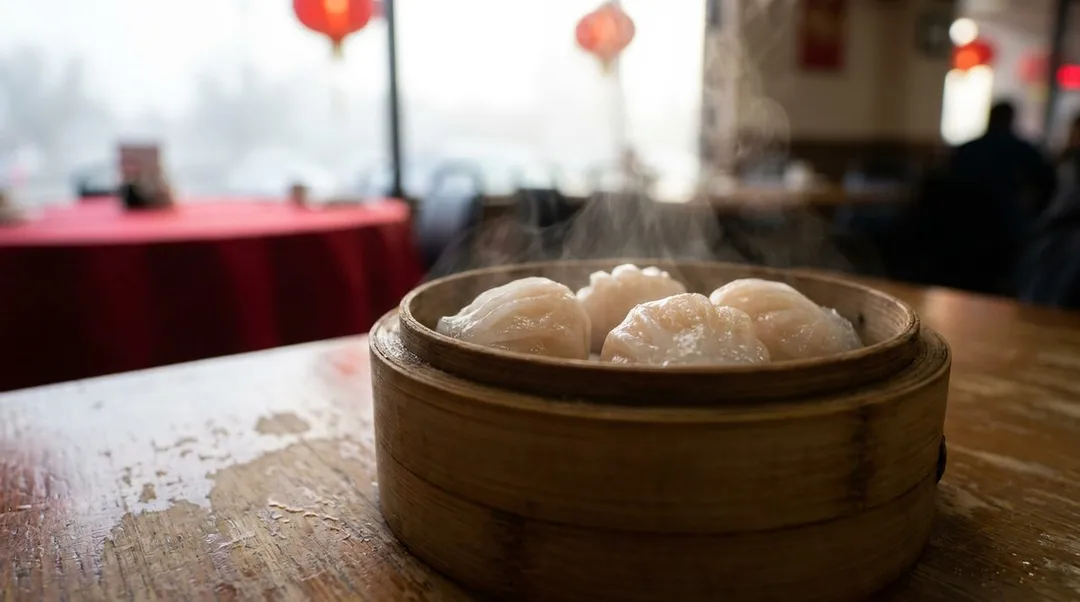
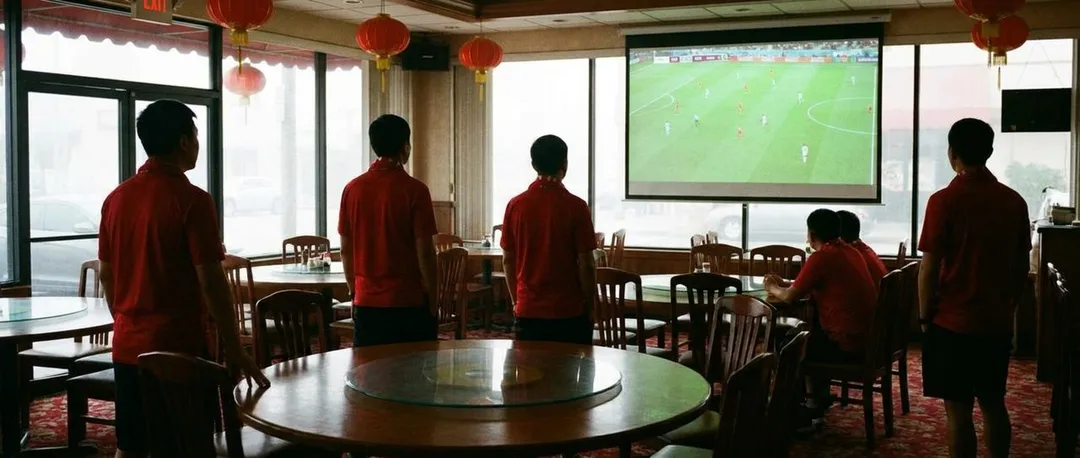
The scene at Lunasia Dim Sum House on Garvey Avenue at 5:30 a.m. resembles nothing the restaurant typically sees during its morning rush. Management has pushed tables together into long rows facing a projector screen mounted where the daily specials board usually hangs. Fans arrive in waves — some still in pajamas under winter coats, others in red China national team jerseys that date back to the 2002 tournament. The restaurant has temporarily suspended its usual cart service, instead offering a pre-match combo of har gow, siu mai, and congee that fans can order quickly without missing kickoff. Steam rises from bamboo baskets as the broadcast begins, and the entire dining room falls silent except for the Mandarin commentary streaming through portable speakers someone brought from home. When China's starting eleven appears on screen, a spontaneous cheer erupts, rattling the tea cups.
Three blocks east, 85°C Bakery Cafe has installed additional monitors in its seating area and extended its opening hours to 4 a.m. on match days. The bakery's manager reports selling out of pineapple buns and milk tea by halftime during China's opening group stage match. Fans claim tables hours before kickoff, laptops open to Chinese streaming platforms as backup in case the main feed falters. The atmosphere oscillates between nail-biting tension and explosive celebration, with strangers high-fiving across aisles when China strings together a promising attack.
Alhambra's Main Street Transforms Into Tournament Central
Along Main Street in Alhambra, the viewing parties have taken on a more organized structure. The Alhambra Chinese Association has negotiated with several restaurants to create designated fan zones, complete with reserved seating for members and coordinated group transportation from the Metro Gold Line station. At Sea Harbour Seafood Restaurant, the banquet hall that typically hosts weekend wedding receptions now accommodates 200 fans for early-morning matches, with a cover charge that includes dim sum and access to a cash bar serving Tsingtao and baijiu.
Text Karpo Now: check San Gabriel Valley watch spots, food stops, parking, and timing before your China fan plan turns into a group-chat scramble.
The community's WeChat groups have become command centers for match-day logistics. Moderators post real-time updates about which venues still have seating, coordinate carpool meetups from surrounding neighborhoods, and share photos of the crowds at different locations. One group, "SGV China Football Family," has grown to 1,800 members since China qualified for the tournament, with threads discussing everything from optimal arrival times to avoid parking chaos to which restaurants offer the best sight lines to screens.
The demographic spread surprises even longtime community organizers. First-generation immigrants who remember China's only previous World Cup appearance in 2002 sit alongside college students from Cal State LA and recent arrivals who landed in the Valley within the past five years. Mandarin, Cantonese, and English blend in the cheering sections, creating a linguistic tapestry that reflects the community's evolving identity.
The Dim Sum-to-Lunch Pipeline Keeps Fans Fed and Connected
The Valley's food infrastructure has adapted seamlessly to the tournament's demands. After matches end around 7 a.m., many fans migrate from viewing venues to traditional breakfast spots that have just opened. Newport Seafood Restaurant on Atlantic Boulevard sees a post-match surge of fans still wearing their jerseys, debating tactics over plates of salt and pepper squid. The restaurant's staff has started preparing extra portions of congee and you tiao, anticipating the influx.
By mid-morning, the energy shifts to the boba shops and cafes along Valley Boulevard, where fans continue dissecting the match on social media while nursing iced milk teas. Tiger Sugar and Tastea report record morning sales during the tournament, with customers lingering for hours, phones out, rewatching highlights and sharing clips to family back in China. The shops have become informal community centers where fans who couldn't make the dawn viewing parties catch up on what they missed.
For evening matches that air at more reasonable Pacific time hours, the scene intensifies. Restaurants like NBC Seafood and Capital Seafood fill to capacity, with waitlists stretching 90 minutes before kickoff. The establishments have learned to pace their regular dinner service around match schedules, holding tables for fan groups who've made advance reservations specifically to watch together.
Transit Patterns Reshape Around Match Schedules
The Metro Gold Line, which runs through both Monterey Park and Alhambra, has seen unusual ridership patterns during the tournament. Transit officials report significant upticks in eastbound morning trains departing downtown LA between 4:30 and 5:30 a.m. on match days, filled with fans heading to the Valley from other parts of the city. The Atlantic and Alhambra stations become impromptu gathering points, with fans streaming out in groups toward their chosen viewing venues.
Parking has become a calculated game. Veterans of the viewing scene know to arrive at Atlantic Times Square or the San Gabriel Square shopping center by 5 a.m. for 6 a.m. kickoffs, as lots fill rapidly. Side streets in the residential blocks north of Garvey Avenue see temporary parking overflow, with homeowners largely tolerant of the early-morning influx given the community pride at stake.
Rideshare drivers have adjusted their schedules to capitalize on the demand, with several Chinese-American Uber and Lyft operators offering flat-rate rides between downtown LA and Valley viewing venues. One driver reports making six trips before 7 a.m. during China's first match, shuttling groups of fans who prefer to avoid parking hassles and can split fares four ways.
Post-Match Rituals Echo Through Valley Neighborhoods
When matches end, the Valley doesn't simply return to normal. Win or lose, fans pour into the streets, jerseys still on, voices hoarse from two hours of sustained cheering. After China secured a draw in its second group match, crowds gathered spontaneously in the Atlantic Times Square plaza, waving flags and taking group photos as the sun rose over the San Gabriel Mountains.
The emotional investment runs deep. Older fans speak of watching China's 2002 World Cup campaign in small apartments with rabbit-ear antennas, isolated viewing experiences that contrasted sharply with the communal celebrations available now. The Valley's infrastructure — its density of Chinese-owned businesses, its critical mass of community institutions — has enabled a collective experience that previous generations couldn't access.
Local news crews from Chinese-language television stations have started covering the viewing parties themselves as news events, interviewing fans about what China's World Cup return means to them. The responses often transcend sports, touching on themes of representation, generational connection, and the pride of seeing their heritage country compete on a global stage while gathered in a community they've built thousands of miles from Beijing or Shanghai.
Practical Notes
• Transit timing: Metro Gold Line trains run every 12 minutes during early morning hours; Atlantic and Alhambra stations are closest to major viewing venues, with 5-10 minute walks to most restaurants
• Arrival strategy: Fans typically arrive 60-90 minutes before kickoff for popular venues; weekday morning matches draw smaller crowds than weekend fixtures
• Weather preparation: Early morning temperatures in the Valley can dip to the 40s even in summer; venues often keep doors open for crowd flow, so layers help
• Backup viewing options: Most venues reach capacity, but smaller boba shops and cafes along Valley Boulevard offer overflow seating with screens
Tags: #SanGabrielValley #MontereyPark #Alhambra #WorldCup #ChinaFootball #LAFootball #SGVEats #DimSum #AsianAmerica #SoccerCulture #CommunityGathering #LosAngeles #LATransit #ValleyBoulevard
Sources consulted: fifa.com (https://www.fifa.com) · discoverlosangeles.com (https://www.discoverlosangeles.com) · timeout.com/los-angeles (https://www.timeout.com/los-angeles)
All trademarks are the property of their respective owners.
Ask Karpo first
Wondering where the San Gabriel Valley's Chinese-American community and China national team fans are gathering for World Cup viewing this summer?
Ask Karpo for the latest on Monterey Park and Alhambra viewing spots, Chinese community event schedules, and the best SGV places to follow China's World Cup campaign.
Ask Karpo for more information.
Keep reading
- Haaland Has Seven Goals and Norway Runs Entirely Through Him
 World Cup Trophy Ceremony Timing Medals and Postmatch Celebrations
 Olise and France's Attack: The Semifinal Tactical Question