Wicker Park in late May wears its contradictions well. The neighborhood that gave Chicago its indie-rock credibility in the nineties now toggles between craft-cocktail lounges and old-guard Polish bakeries, between condo glass and Victorian greystones. But threading through the gentrification is a peculiar spine of vintage and curiosity shops that resist easy categorization—places where you might find a mounted ermine next to a box of French railway keys, or a 1940s oscilloscope sharing shelf space with first-press Krautrock. This crawl strings together seven of them, a two-hour loop best walked on a Saturday afternoon when the light slants gold through storefront windows and the crowds haven't yet thickened for dinner.
The taxidermy parlor that doubles as a Cabinet of Wonders
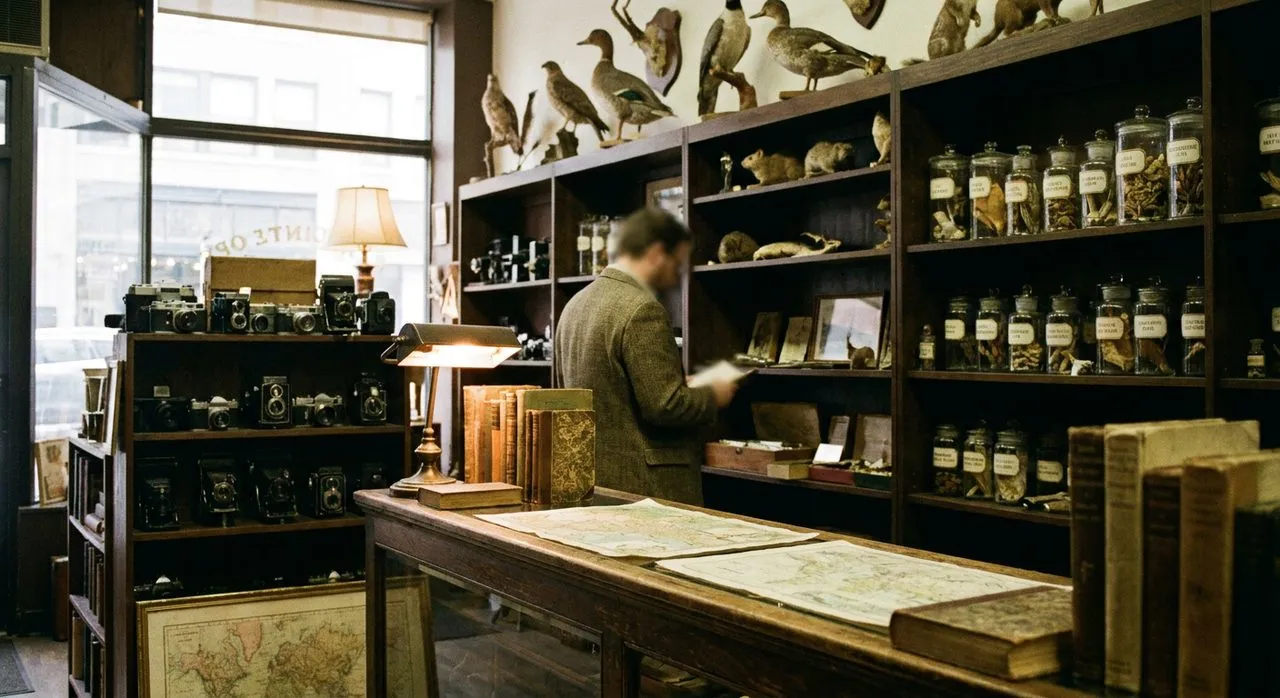
The crawl begins on the quieter western edge of the neighborhood, where a shop specializing in ethical taxidermy and natural-history specimens anchors a block of lower-rent storefronts. Inside, the air smells faintly of cedar and old wool. Victorian bell jars house butterflies pinned in geometric arrays; a melanistic fox regards you from atop a filing cabinet. The owner sources only vintage mounts and specimens from estate sales, a philosophy that lends the place the atmosphere of a nineteenth-century naturalist's study rather than a trophy room.
The back room holds the truly odd: articulated bat skeletons, a tray of antique glass eyes sorted by species, a beaver skull with incisors the color of burnt orange. It's the kind of place where you overhear someone ask, in complete earnestness, whether the pufferfish lamp is dimmable. In late May, when the front windows are propped open, street noise drifts in and mixes with the tick of a mantel clock, and you remember that curiosity, at its best, invites slowness.
Antique tools and the aesthetics of utility
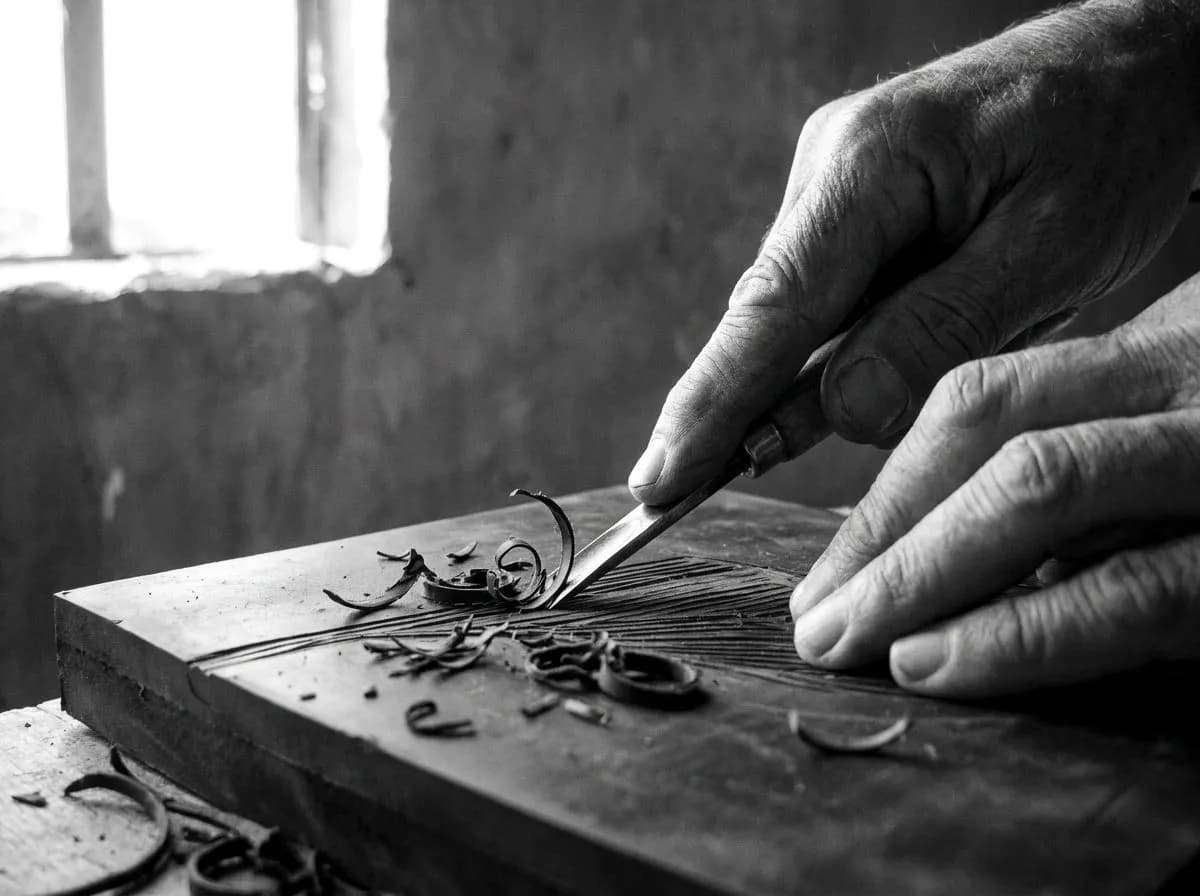
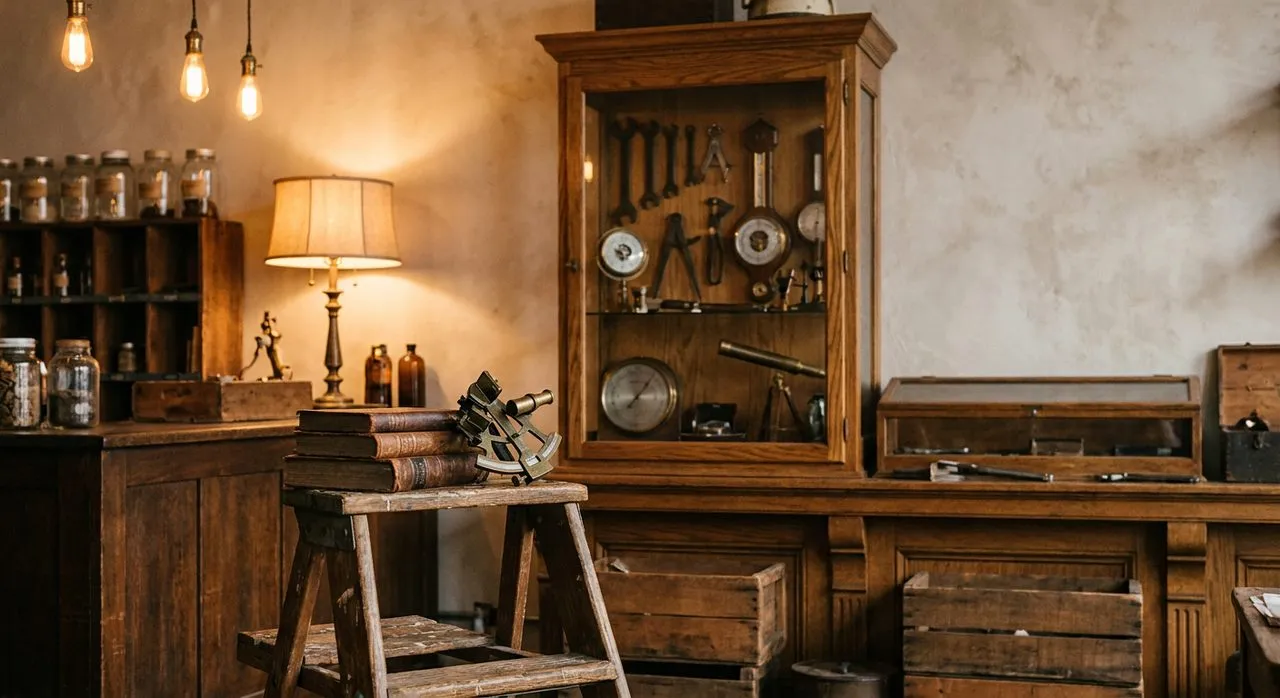
Two blocks east, a narrow shop devoted to antique hand tools occupies a former shoe-repair storefront. The proprietor—a former carpenter—has arranged ball-peen hammers, spokeshaves, and calipers with the care of a museum preparator. Wooden handles glow with decades of palm oil; cast-iron planes sit heavy in the hand. There's no pressure to buy, and browsers are common. Some are woodworkers hunting specific brands; others simply admire the intersection of form and function, the way a drawknife's curve feels inevitable.
The shop also stocks surveying equipment, machinist's gauges, and a small but excellent selection of vintage drafting tools. On a good day you might find a brass protractor in its original leather case, or a set of Dietzgen triangles still sharp enough to scribe. The back wall holds a rotating selection of industrial blueprints, sold unframed and priced by the linear foot. It's a quiet place, almost meditative, where the sound of footsteps on old pine floors is the only soundtrack.
The record store that became an industrial-design museum
A few doors down, what began as a vinyl shop in the early two-thousands has evolved into something harder to classify. Yes, there are crates of records—heavy on post-punk, dub, and Japanese jazz—but the owner's obsession with mid-century industrial design has gradually colonized the space. Eames storage units hold turntables; a Dieter Rams shelf system displays vintage audio gear. A 1970s Braun calculator sits under glass like a reliquary object. The effect is less retail than curated archive, a place where the line between shopping and studying blurs.
The back office, visible through a large window, functions as a working restoration studio. On any given Saturday you might see the owner desoldering capacitors from a 1960s receiver or re-veneering a teak cabinet. There's an implicit argument here about durability and care, about objects designed to be repaired rather than replaced. The shop occasionally hosts listening sessions, when a small group gathers on vintage Danish chairs and someone cues up a first pressing on a restored Thorens deck.
Mid-century modern and the ghost of good taste
The crawl turns south, where Milwaukee Avenue's diagonal slash through the grid creates a cluster of vintage furniture dealers. One standout specializes in American and Scandinavian pieces from the 1950s and sixties—walnut credenzas, teak dining sets, the occasional Eero Saarinen side table. Prices reflect the neighborhood's upward drift, but the selection is edited with a firm hand. No particle-board imposters, no "inspired-by" reproductions. The owner can tell you which Danish cabinetmaker signed a particular joint, and often does.
In late May, the storefront's roll-up door stands open, and furniture spills onto the sidewalk: a pair of molded-plywood chairs, a low-slung sofa reupholstered in rust-colored wool. The aesthetic is warm modernism, the kind that aged into charm rather than sterility. A small section in the back holds lighting—arc lamps, Poul Henningsen pendants, Italian adjustable sconces—all tested and rewired to code. It's easy to spend an hour here, even if you're not in the market, simply absorbing the lesson that some design languages remain fluent across decades.
Paper ephemera and the archival impulse
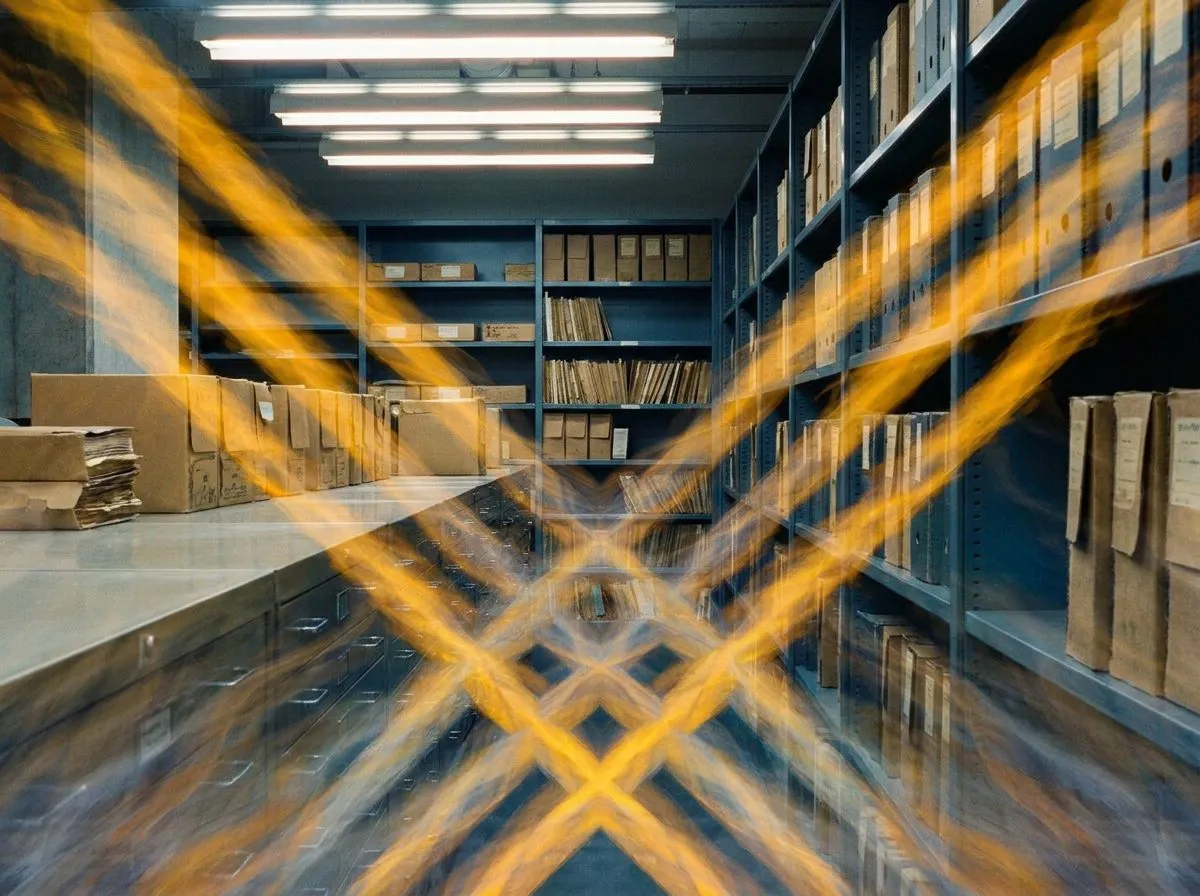
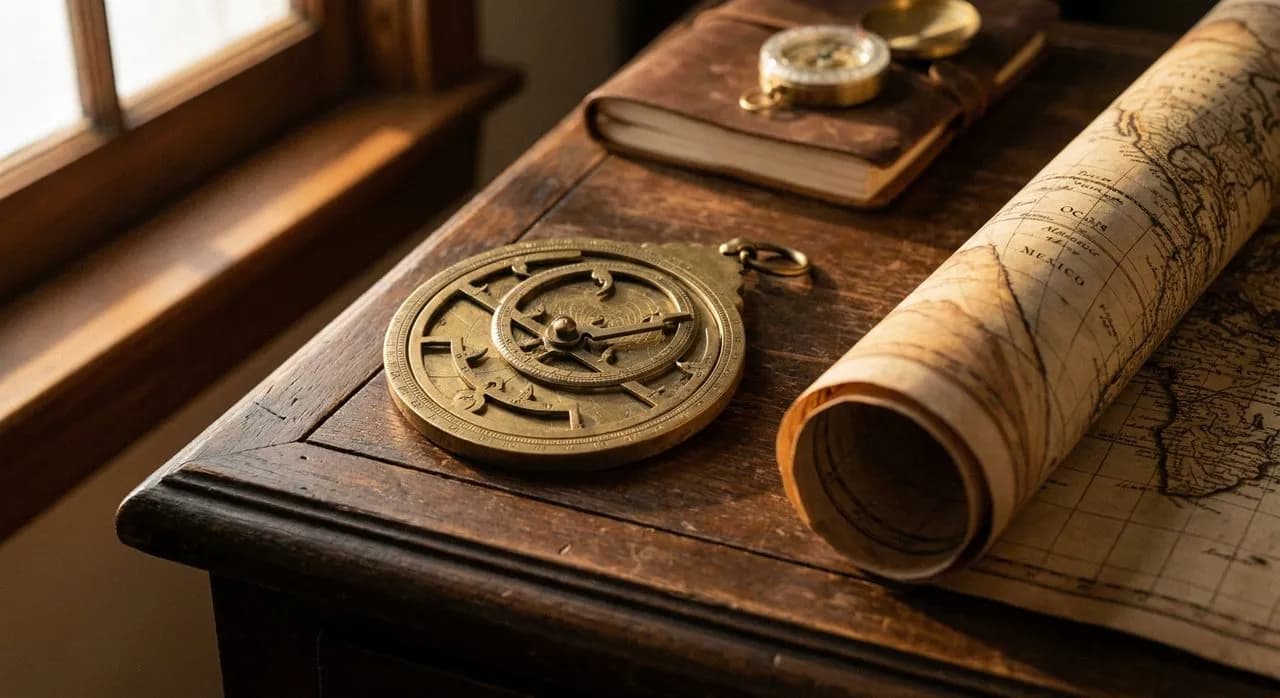
Across the street, a shop devoted to paper goods and ephemera occupies a narrow storefront with high ceilings. Vintage postcards fill wooden drawers organized by geography and theme; bins hold railway timetables, seed-catalog covers, and mid-century advertising art. A section dedicated to maps includes USGS surveys, subway schematics from cities around the world, and hand-drawn property plats from the 1920s. The smell is unmistakable: old paper, a faint mustiness cut with the tang of archival tissue.
The owner's particular passion is Chicago ephemera—tickets to long-shuttered theaters, menus from vanished restaurants, real-estate brochures promising a prosperous future in neighborhoods that never quite delivered. There's a melancholy pleasure in leafing through these fragments, each one a small window onto aspirations and routines now extinguished. A dedicated section holds vintage botanical prints and technical illustrations, popular with designers hunting analog textures in a digital age.
Clothing, textiles, and the art of the dig
The final stop on the crawl is a vintage-clothing warehouse that rewards patience. This is not carefully curated rack-by-rack browsing; it's digging. Bins hold leather belts, silk scarves, and denim sorted by decade. Racks run deep with military surplus, workwear, and the occasional couture outlier. The fitting rooms are curtained alcoves, and the mirror lighting is unforgiving, but the prices remain reasonable and the stock turns over weekly.
Upstairs, a smaller room holds higher-end pieces: a 1950s gabardine suit, a pristine Pendleton blanket coat, a collection of hand-knit Cowichan sweaters. The textiles section includes Guatemalan huipils, Indian block-print yardage, and Japanese indigo fragments too fragile to wear but beautiful enough to frame. In late spring, when the warehouse's industrial fans push warm air through the space and the afternoon light catches dust motes, the place takes on an almost archaeological quality—layers of style and use, waiting to be unearthed.
Practical notes
The crawl begins near the intersection of Damen Avenue and Milwaukee Avenue, accessible via the CTA Blue Line (Division or Damen stop if applicable). Street parking exists but fills quickly on weekends; the neighborhood is bike-friendly, with Divvy stations clustered along Milwaukee Avenue. Most shops open around 11 a.m. and close by 6 or 7 p.m., though hours can be irregular; verify directly before planning your route. Several storefronts have steps, limiting accessibility; call ahead if mobility is a concern. Bring cash for smaller vendors, a tote bag for finds, and comfortable shoes—the walk stretches roughly two miles if you take the full loop. Late May offers ideal conditions: mild temperatures, long daylight, and the neighborhood's sidewalk energy at its peak.
Tags: #ChicagoVintage #WickerPark #CuriosityShops #TheOddEdit #VintageChicago #TaxidermyArt #MidCenturyModern #AntiqueTools #RecordStores #IndustrialDesign #ChicagoShopping #VintageFinds #UrbanCrawl #SpringInChicago #KarposFinds
Please drink responsibly. Must be of legal drinking age.
Sources consulted: Wicker Park, Chicago · Chicago Neighborhoods · CTA Transit · Time Out Chicago · Antique Shops
All trademarks are the property of their respective owners.