 Haaland Has Seven Goals and Norway Runs Entirely Through Him
⚽️2026 FIFA WORLD CUP

Cape Verde Drew Spain and Uruguay in Their First World Cup and Nobody Can Believe It
Ranked 67th in the world, Cape Verde held number-one Spain to 0-0 and drew 2-2 with Uruguay in a World Cup debut that has rewritten every assumption about the expanded tournament.
The island nation that stopped the number-one team in the world
Cape Verde has a population of roughly 600,000 — smaller than the city of Milwaukee. Its top domestic football league is semi-professional. Its best players compete in Portuguese second-division clubs, lower-tier French leagues, and the occasional mid-table outfit in Belgium or the Netherlands. On paper, Cape Verde had no business being at a World Cup. On the pitch, they have been one of the stories of the tournament.
Their 0-0 draw with Spain — the world's number-one ranked team and one of the favorites to win the entire competition — was not a siege-and-survive defensive performance. It was a legitimate contest. Cape Verde had 38 percent possession, created four clear chances, and might have won if not for a disallowed goal in the 72nd minute following a marginal offside call reviewed by VAR for three minutes.
Vozinha and the seven saves that changed everything
The architect of the Spain draw was goalkeeper Vozinha, a 40-year-old who plays for Boavista in Portugal's Primeira Liga. His seven saves against Spain included two that belonged in a World Cup greatest-saves compilation — a fingertip dive to deny Pedri's curling effort from 18 yards, and a reflexive block from point-blank range after Lamine Yamal's cut-back found Dani Olmo unmarked six yards out.
Vozinha's age is part of the story. At 40, he is the oldest goalkeeper at the tournament and one of the oldest outfield players overall. His experience — 15 years of professional football in Portugal — gave Cape Verde a calmness under pressure that their outfield players, many of whom were experiencing their first major tournament, desperately needed. After the match, he told reporters: "I have waited my whole career for this. I was not going to let it go."

The Uruguay draw that proved it was not a fluke
If the Spain result could be dismissed as a one-off defensive masterclass, the Uruguay match dispelled any such notion. Cape Verde took the lead twice against Uruguay — through goals from Ryan Mendes and Jamiro Monteiro — and were only denied a famous victory by an 88th-minute equalizer from Darwin Núñez. The 2-2 draw gave Cape Verde two points from two matches and kept alive their slim hopes of reaching the Round of 32.
The attacking display against Uruguay was the real surprise. Cape Verde played with a directness and fearlessness that suggested a team liberated by low expectations. Their transitions were sharp, their set-piece delivery was dangerous, and their collective pressing — organized in compact banks of four — suffocated Uruguay's attempts to build from the back. This was not a team parking the bus. This was a team playing to win.
What the expanded format made possible
Cape Verde's presence at the World Cup is a direct consequence of FIFA's expansion from 32 to 48 teams. Under the old format, they would not have qualified. Under the new format, Africa received nine spots instead of five, and Cape Verde secured the ninth by winning a two-legged playoff against Guinea-Bissau. The expansion has been criticized by purists who argue it dilutes the tournament's quality. Cape Verde's performances have been the most effective counter-argument.
The broader point is that the expanded format has produced more competitive group stages, not fewer. Cape Verde's two draws, Egypt's first win in 92 years, Bosnia and Herzegovina's qualification over Italy in the playoffs — these are stories that would not exist in a 32-team World Cup. Whether FIFA expanded the tournament for sporting or commercial reasons is debatable, but the on-pitch product has been better than skeptics predicted.
The visa controversy that preceded the football
Cape Verde's World Cup journey was complicated by a controversy that had nothing to do with sport. Reports emerged before the tournament that fans from Cape Verde — and several other qualifying nations — were required to pay a visa bond of up to 15,000 dollars to secure a B-1/B-2 visitor visa needed to attend matches in the United States. The policy disproportionately affected fans from African and Caribbean nations, and it drew criticism from human rights organizations and FIFA itself.
The result was that Cape Verde's matches have been attended by relatively small contingents of traveling supporters, a stark contrast to the thousands of fans that accompany wealthier nations. Despite this, the Cape Verdean diaspora — particularly communities in New England, where a significant population resides in Brockton, Massachusetts, and Providence, Rhode Island — has organized watch parties and viewing events that have been widely covered by local media.
What comes next
Cape Verde's final group match determines their fate. A win could see them advance to the Round of 32 depending on other results. Even if they exit, their tournament has already been a success by any reasonable measure. Two draws against teams ranked in the world's top 15, four goals scored, and a goalkeeper who became a social media sensation at 40 years old. For an island nation most football fans could not locate on a map two weeks ago, that is a legacy.
Practical notes
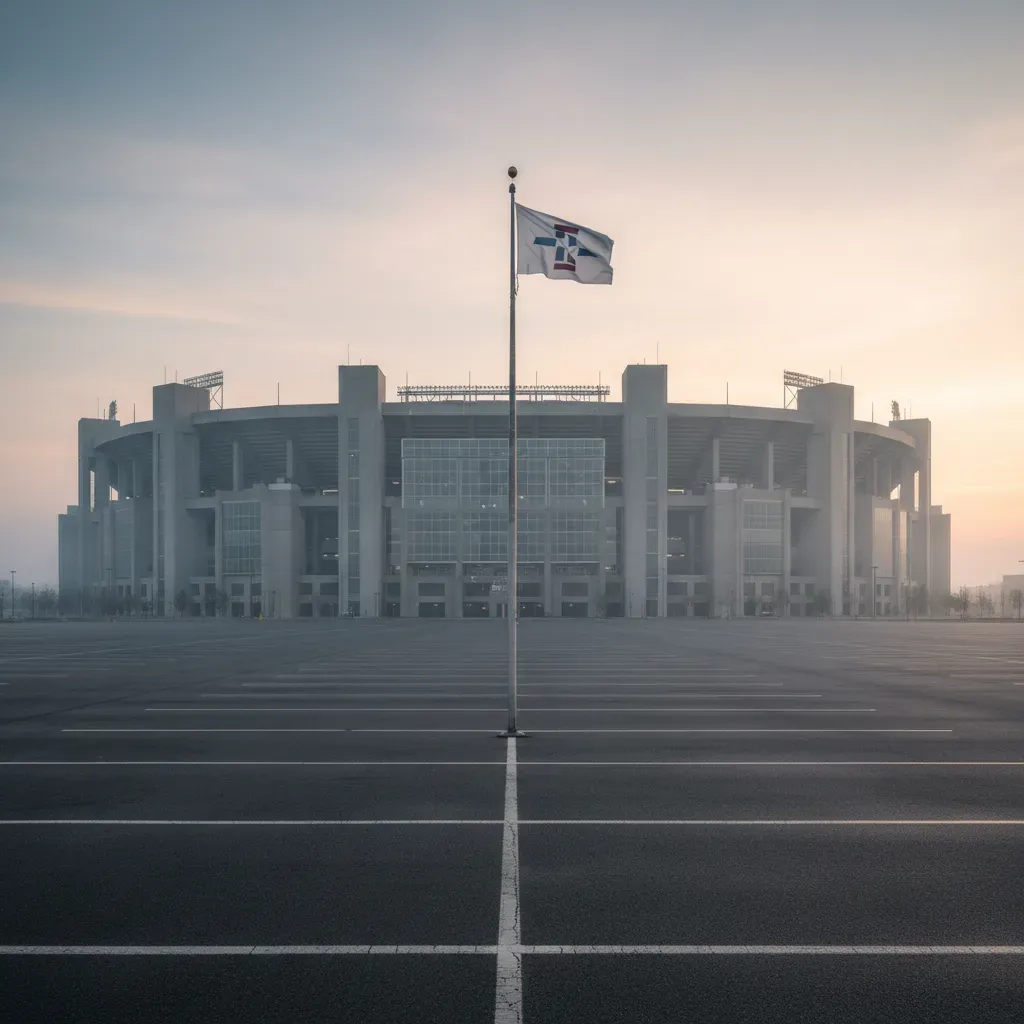
Cape Verde's group matches have been played at MetLife Stadium in East Rutherford, New Jersey, and at venues along the eastern seaboard. The Cape Verdean community in Brockton, Massachusetts, has been the center of fan activity, with multiple restaurants and community centers screening matches. In New York, the Times Square FIFA Fan Zone and the Javits Center viewing areas have drawn diverse crowds including small but vocal Cape Verdean supporter groups. For anyone attending knockout-round matches at MetLife, the NJ Transit train to Secaucus Junction with shuttle bus service remains the recommended transit option.
Tags: #Buzz #CapeVerde #FIFAWorldCup2026 #WorldCup2026 #Underdogs #Vozinha #Spain #Uruguay #48Teams #WorldCupDebut #AfricanFootball #MetLife #KarpoFinds
Sources consulted: espn.com · bignewsnetwork.com · yahoo.com
All trademarks are the property of their respective owners.
Ask Karpo first
Want to know when to show up, where to wait, and what's actually open to the public?
Ask Karpo for the latest Cape Verde updates, a fan zone plan for MetLife Stadium, and a live transit route around East Rutherford before you head out.
Ask Karpo for more information.
Keep reading
- Haaland Has Seven Goals and Norway Runs Entirely Through Him
 World Cup Trophy Ceremony Timing Medals and Postmatch Celebrations
 Olise and France's Attack: The Semifinal Tactical Question