 Haaland Has Seven Goals and Norway Runs Entirely Through Him
⚽️2026 FIFA WORLD CUP
Can Little Portugal Witness a Legend's Farewell During Portugal vs Nigeria in Little Portugal, Newark?
Little Portugal's corner bakeries become packed viewing rooms when fans fear this World Cup is a beloved star's final tournament on the world stage.
The Morning Air Smells Like Anxiety and Custard
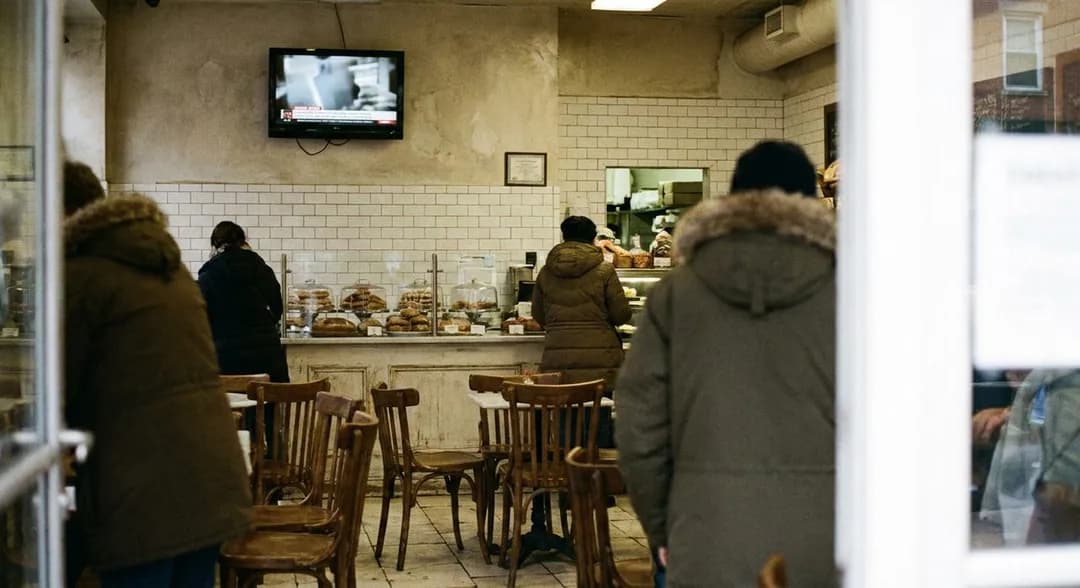
You walk into Little Portugal on match morning and the air carries two things: the sugar-and-egg perfume of pastéis de nata baking since dawn, and a nervous energy that makes the sidewalk conversations louder than usual. Newark's Ferry Street corridor transforms when Portugal plays, but this June morning feels different. Everyone's wondering if this tournament marks the last time they'll watch him—the number seven who's carried their hopes for two decades—on a screen that matters. The corner bakeries aren't just selling coffee and pastries today. They're selling communion.
When the Regulars Arrive Three Hours Early
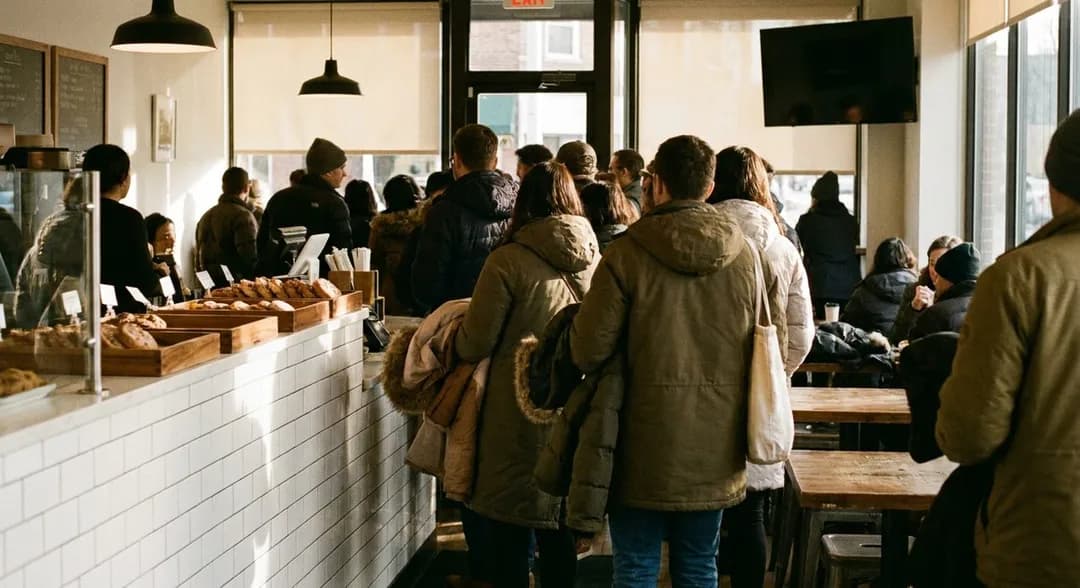
The cafés start filling before the sun hits the awnings properly. You'll see men in their sixties claiming the same tables they've held for years, spreading out scarves and flags like territorial markers. They're not here for breakfast—they ate at home—they're here to secure sightlines and establish the emotional temperature of the room. By the time kickoff approaches, every chair is spoken for, and the younger crowd stands three-deep behind the seated elders. There's an unspoken hierarchy: the men who remember watching Eusébio have earned their seats, and the rest of you will crane your necks. The espresso machine runs constantly, a percussive heartbeat under the Portuguese commentary streaming from mounted screens. You'll notice how the baristas stop charging for refills somewhere around halftime, when the tension makes everyone forget they're running a business.
Nigeria's Supporters Claim Their Corner
Little Portugal isn't monolithic on match day. Walk two blocks over and you'll find Nigerian flags hanging from second-floor windows, groups gathering outside the African markets that anchor the other end of the neighborhood. When these two nations meet in the group stage, the streets become a good-natured standoff. You'll hear Afrobeats competing with fado from competing doorways, smell jollof rice mingling with bacalhau. The Nigerian contingent brings drums—actual drums—and the Portuguese side responds with air horns that make dogs bark six streets away. It's the kind of neighborhood collision that only works because everyone's been shopping at each other's stores for years. The trash talk is bilingual and affectionate, at least until the referee makes a questionable call.
The Silence That Follows Every Shot
You can track the match's emotional arc by sound alone. When Portugal pushes forward, the bakery goes library-quiet except for the commentator's rising voice. Cups freeze halfway to mouths. Someone's grandmother clutches a rosary. Then the shot goes wide or the keeper makes a save, and the room exhales as one organism—groans, curses, hands thrown skyward. But underneath that pattern, there's something else this tournament. Every time the camera finds him on the pitch, a different silence settles. People watch his movements with the intensity of memorization, like they're trying to archive every step for later recall. The older men shake their heads slowly, not in disappointment but in the recognition of time passing. You realize they're not just watching a game—they're attending a slow-motion goodbye they're not ready to say out loud.
What the Teenagers Understand That You Don't
The kids crowded near the back—sixteen, seventeen years old, born after his first World Cup—they get something the nostalgic adults miss. They're not mourning his potential retirement; they're celebrating that they got any of him at all. You'll overhear them arguing about his greatest goal, his best tournament, whether he's already secured his legacy or needs this one last trophy. Their phones are out, recording the crowd's reactions more than the screen itself, understanding that the real story is in this room. They're documenting their parents' and grandparents' faces during what might be a final chapter, creating their own archive of communal memory. When he scores—if he scores—they'll capture the eruption, the strangers embracing, the grown men crying into their espresso. They know this matters beyond the scoreline.
The Halftime Rush Nobody Planned For
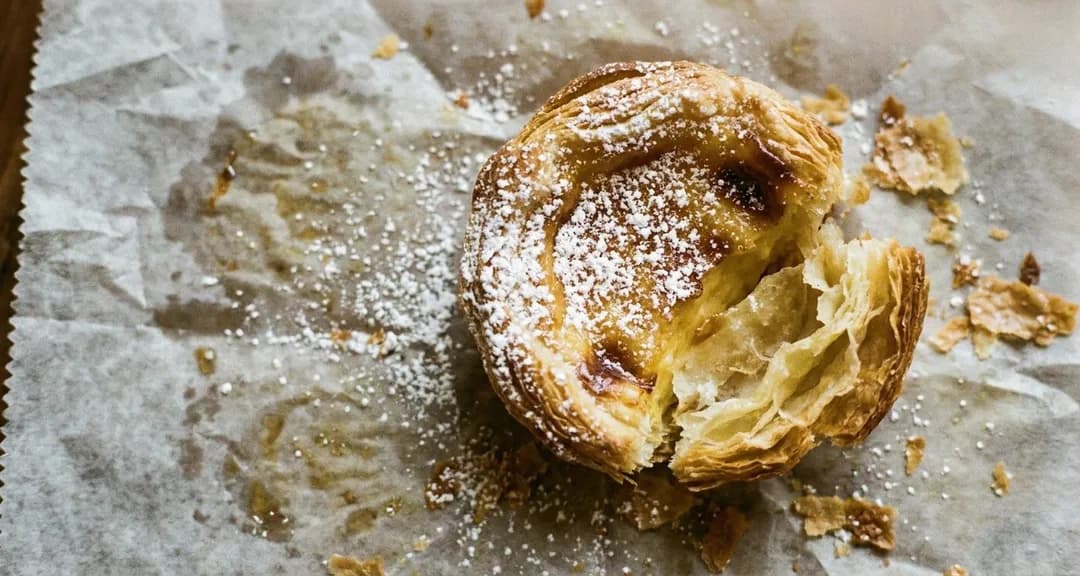
When the whistle blows for the break, the bakery counter becomes a scrum. Everyone needs another pastel de nata, another bica, another bifana sandwich even though nobody's really hungry. It's displacement activity, something to do with your hands while your heart rate settles. The staff moves with practiced efficiency, wrapping sandwiches in wax paper, pulling trays from the oven, making change without looking at the register. You'll notice the woman running the counter has the match playing on a tablet propped beside the espresso machine—she's not missing a second. The line extends out the door, and people on the sidewalk call out updates from their phones: substitutions, yellow cards, what the halftime analysts are saying. Nobody sits back down until the teams return to the pitch. The second half always feels faster.
What Happens When the Final Whistle Blows
The aftermath depends entirely on the result, but the rituals remain constant. Win or lose, people linger. They don't rush back to their cars or their apartments. They stay in these rooms, replaying moments, debating decisions, already mythologizing what they just witnessed. The older men will sit for another hour, ordering one more coffee they won't finish, talking about other tournaments, other heroes, how this one compares. If Portugal advances, the celebration spills into the street—car horns, flags waving from windows, impromptu singing. If they don't, the silence is heavier, more private, and you'll see people slip out quietly, needing to process alone. But either way, there's an understanding in the room: you witnessed something together, a moment that belongs to this neighborhood, this diaspora, this specific convergence of hope and memory and the unstoppable passage of time.
Practical Notes
The bakeries and cafés along Ferry Street open early on match days, some as soon as dawn depending on kickoff times. Arrive at least two hours before the match if you want a seat—standing room fills up an hour out. Most spots are cash-friendly though cards work too; expect to spend a few bucks on pastries and coffee throughout the match. Street parking gets impossible, so consider the Newark Light Rail or the PATH train to Newark Penn Station, then a short bus ride or walk. Don't expect table service during the match—you'll order at the counter. The neighborhood is walkable and safe, especially when crowded with match-day energy. If you're not Portuguese or Nigerian, you're still welcome, but understand you're entering someone else's living room. Respect the emotional stakes.
Tags: #2026FIFAWorldCup #LittlePortugal #NewarkNJ #PortugalVsNigeria #WorldCupCulture #DiasporaStories #FerryStreet #FootballCommunity #SoccerCulture #IronboundNewark #PortugueseCommunity #WorldCupViewing #NewJerseyHiddenGems #CulturalNewark #LegacyMoments
Sources consulted: fifa.com · espn.com · timeout.com
All trademarks are the property of their respective owners.
Ask Karpo for more information.
Keep reading
- Haaland Has Seven Goals and Norway Runs Entirely Through Him
 World Cup Trophy Ceremony Timing Medals and Postmatch Celebrations
 Olise and France's Attack: The Semifinal Tactical Question