 Haaland Has Seven Goals and Norway Runs Entirely Through Him
⚽️2026 FIFA WORLD CUP
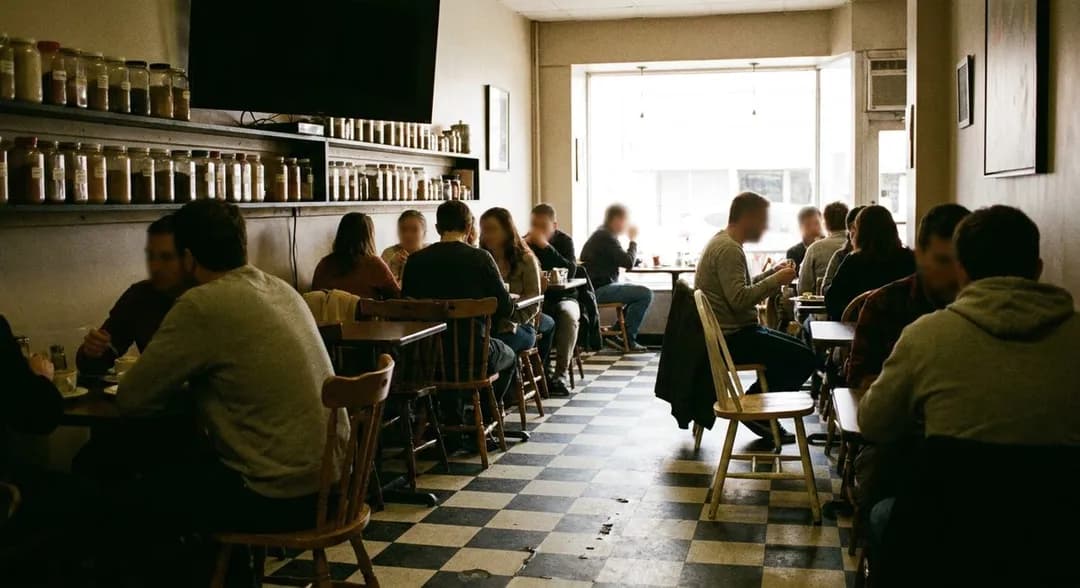
Can Jackson Heights Witness a Veteran's Final World Cup in Bolivia vs Algeria?
A corner cafe in Jackson Heights becomes a sanctuary for fans who gather to see if an aging midfielder is making one last World Cup appearance.
You find the cafe tucked along a stretch of Roosevelt Avenue where the 7 train rattles overhead every few minutes, metal on metal drowning out conversation before fading into the hum of traffic and street vendors. The windows fog from the inside during morning hours, condensation mixing with steam from the kitchen where someone's always frying something in oil that smells like cumin and heat. This is where you go when Bolivia plays Algeria in the World Cup, not because it's the biggest screen or the loudest crowd, but because the people here actually care whether a thirty-six-year-old midfielder gets subbed on in the seventy-fifth minute.
The Weight of a Replacement Jersey
The cafe fills two hours before kickoff with men wearing green jerseys, most of them faded from years of washing, numbers peeling at the edges. You notice one regular in particular, always sits third table from the counter, who wears a replica from the previous World Cup cycle with a name across the back that's been discontinued from official merchandise. He orders black coffee and nothing else, checks his phone compulsively, refreshes team news feeds like he's waiting for medical results. The younger crowd wears current kits, fabric still stiff and bright, but they defer to the older men when talk turns to whether the veteran midfielder even makes the bench. There's a hierarchy here built on decades of disappointment and the occasional qualification miracle.
What the Kitchen Knows Before the Commentators

The woman running the counter starts prepping empanadas around mid-morning on match days, the dough already rolled and waiting in the walk-in cooler. She times the baking so the first batch comes out ten minutes before kickoff, and the smell cuts through the room like a starter pistol. You learn to arrive early not just for seats but because she only makes three batches, and by halftime the trays sit empty except for burnt cheese stuck to parchment paper. Her husband works the espresso machine and watches the pregame coverage with the sound off, reading lips and body language of the studio analysts. When he starts pulling double shots without being asked, you know the team sheet leaked online and the news isn't good.
The Silence That Measures Hope
First half plays out like most group stage matches between teams fighting for third place, cautious and forgettable. The room stays relatively quiet, people eating and checking other scores on their phones, the collective attention split between this game and results that matter more for advancement scenarios. But then someone's phone buzzes with a notification, and you watch the information spread through the cafe without a word spoken, just men leaning over to show screens to their neighbors, a ripple of posture changes and sharp inhales. The veteran's name appears on the substitute board. The cafe goes church-silent. Even the espresso machine stops hissing. You hear the 7 train pass overhead and for once nobody talks through it.
Where Nostalgia Becomes Tactical Analysis
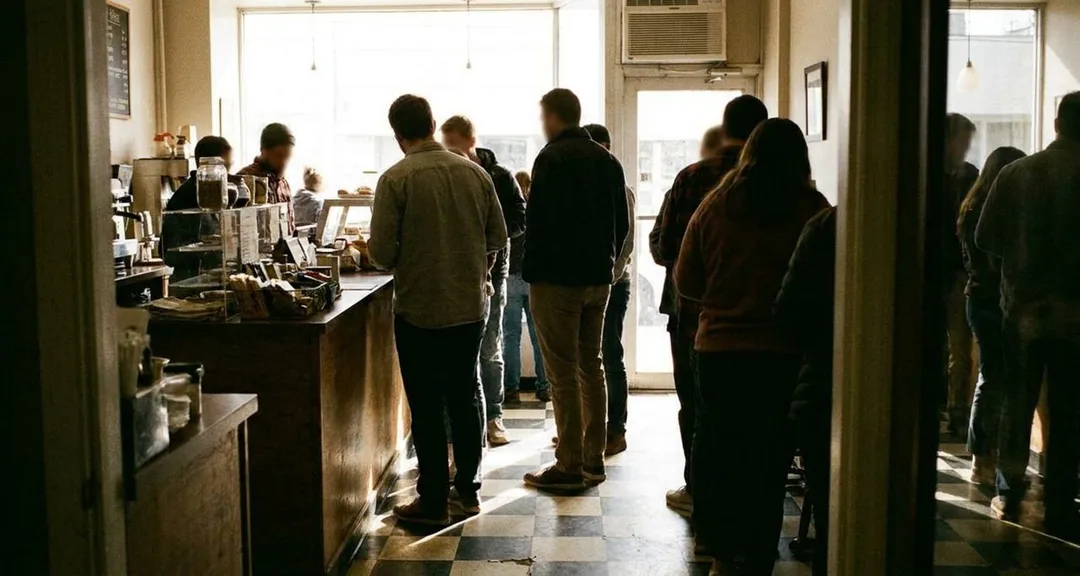
The older men start arguing before the substitution even happens, debating whether bringing him on is sentiment or strategy, whether his legs can still handle the last twenty minutes against younger players who've been training at altitude. Someone mentions a qualifier from eight years ago, a goal scored in the eighty-third minute that nobody in this room will ever forget, and suddenly three different people are pulling up the clip on their phones, holding screens up like evidence in court. The younger fans listen but don't interrupt, understanding this is ritual, not conversation. You realize the cafe has regulars who've been watching here since before the veteran's first cap, who remember when he was the young substitute giving older players their final minutes.
The Geometry of Collective Breath
When he finally steps onto the pitch, the camera catches him for just a moment adjusting his socks, and the entire cafe leans forward in their chairs. You feel the room's center of gravity shift toward the television mounted in the corner, bodies angling for better views, conversations dying mid-sentence. Someone starts a chant but it fades after two repetitions, too self-conscious, too aware that this might be the last time. The veteran's first touch is a simple pass backward to the defender, nothing highlight-worthy, but the room exhales like he just scored. You notice the man in the old jersey has his hands pressed together, not quite praying but close, and he hasn't touched his coffee in forty minutes.
What Happens After the Final Whistle
The match ends in a draw that helps neither team, and the veteran plays fifteen minutes without incident, no goals, no assists, just professional competence from someone who's done this a thousand times. The cafe empties slower than usual, people lingering over cold coffee and crumpled napkins, nobody rushing to beat the crowd. The woman from the kitchen comes out to clear tables and someone thanks her in Spanish, not for the food but for having the game on, for making this the place where they could watch together. You overhear two men making plans to come back for the next match, even though their team's probably already eliminated, even though it doesn't matter anymore. Outside, Roosevelt Avenue looks the same as always, but you carry the weight of that silence with you, the held breath of people watching someone they've followed for fifteen years take what might be his last steps on a World Cup pitch.
Practical Notes
The cafe operates daily from late morning through evening hours, easiest to reach via the 7 train with a short walk from the elevated stations in the Jackson Heights area. Arrive at least ninety minutes before kickoff for World Cup matches if you want a seat with a clear view. The menu runs affordable, cash preferred though cards accepted, with empanadas and coffee as the standards. No reservations, no table holds, first-come seating only. The television audio plays through ceiling speakers, Spanish commentary as default. Bathrooms require asking for a key. The space holds maybe forty people comfortably, sixty if everyone's standing. Check social media or local community boards for which matches they'll be showing, as the schedule adapts to diaspora interest rather than broadcast rankings.
Tags: #2026FIFAWorldCup #JacksonHeights #QueensNYC #WorldCupCulture #ImmigrantStories #DiasporaSports #BolivianCommunity #AlgerianCommunity #RooseveltAvenue #NYCNeighborhoods #SoccerCulture #WorldCupViewing #AuthenticQueens #HiddenGemNYC #LocalCafeLife
Sources consulted: fifa.com · espn.com · timeout.com
All trademarks are the property of their respective owners.
Ask Karpo for more information.
Keep reading
- Haaland Has Seven Goals and Norway Runs Entirely Through Him
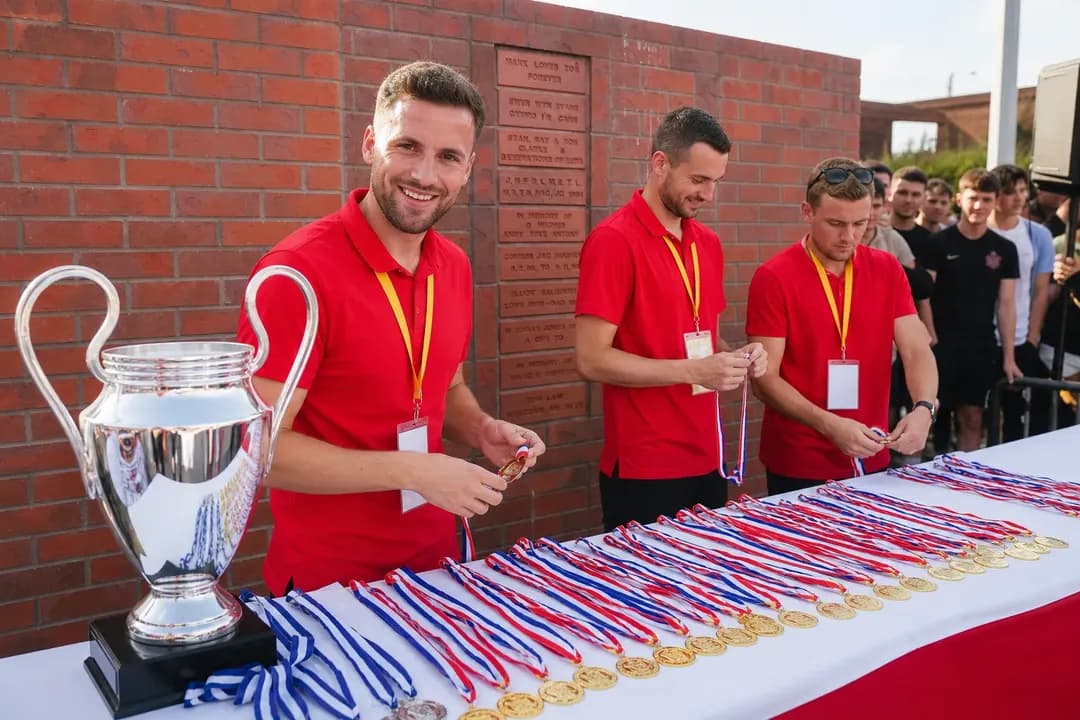 World Cup Trophy Ceremony Timing Medals and Postmatch Celebrations
 Olise and France's Attack: The Semifinal Tactical Question