 Haaland Has Seven Goals and Norway Runs Entirely Through Him
⚽️2026 FIFA WORLD CUP
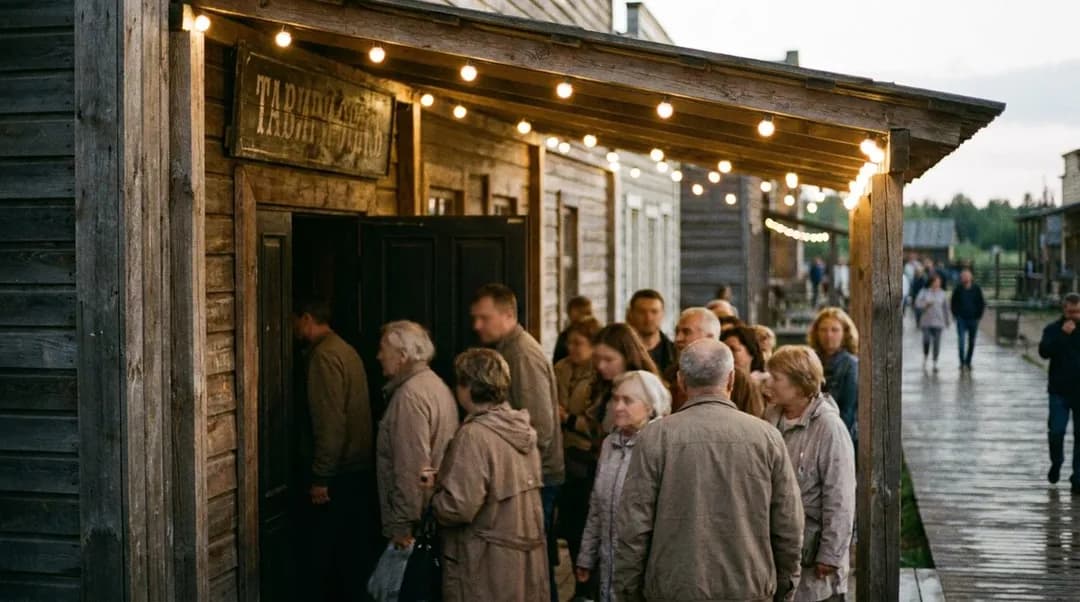
Brighton Beach's Neutral Ground: A Russian-Ukrainian Bar That Screens Every Match But Two
A Brighton Beach tavern on Brighton Beach Avenue draws diaspora fans for neutral fixtures, serving pelmeni and borscht in a room where politics pause for ninety minutes.
You walk into the tavern mid-afternoon on a match day and the first thing you notice is the silence—not empty silence, but the held-breath kind, thirty people watching a screen with the intensity of prayer. Then someone's grandmother in a floral headscarf mutters something sharp in Russian and half the room exhales. The place sits a few blocks in from the boardwalk on Brighton Beach Avenue, wedged between a pharmacy with Cyrillic signage and a produce stand that spills onto the sidewalk. The windows are tinted dark enough that you can't see in from the street, which seems intentional. Inside, the walls are painted a tired cream color and decorated with exactly nothing—no flags, no scarves, no jerseys. Just two flat screens mounted high in opposite corners and a chalkboard behind the bar listing the day's matches in blue marker.
The Unspoken Truce Over Kompot and Cutlets
The owner—a man in his sixties who moves between tables refilling water glasses without being asked—doesn't advertise what makes this place different. You figure it out by watching. A group of older Ukrainian men claim the corner booth every weekend, ordering varenyky and speaking in low tones. At the bar, a rotating cast of Russian regulars nurse beers that last entire halves. They acknowledge each other with nods but never sit together. The truce holds because everyone knows which two fixtures won't screen here: the ones where blue and yellow face white, blue, and red. On those days, the tavern stays dark, the door locked, the chalkboard wiped clean. Every other match, though, the room fills.
What Arrives on Plastic Plates With Paper Napkins
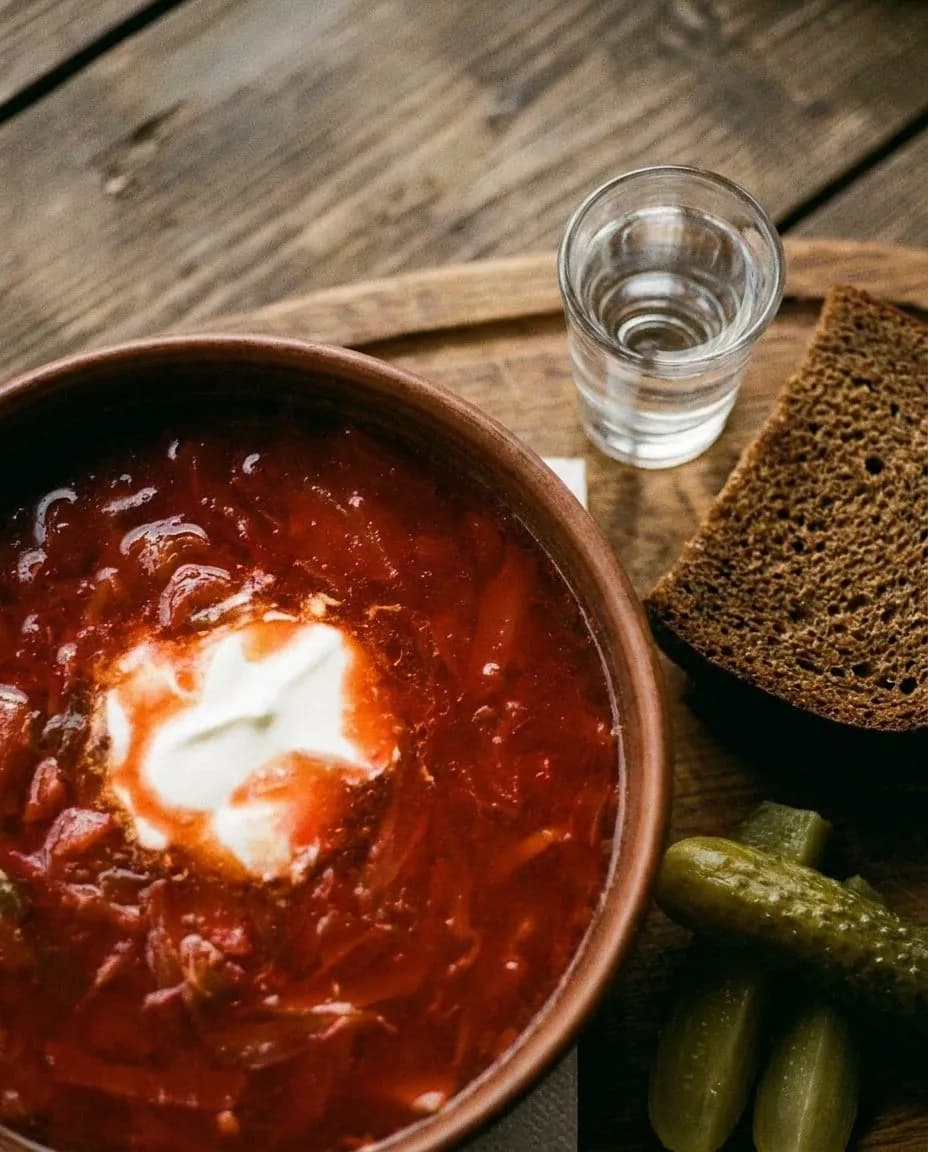
The kitchen operates out of a space barely wider than a galley, visible through a half-door behind the bar. You smell onions caramelizing in butter before you see the menu—a single laminated sheet with about fifteen items, half in English, half not. The pelmeni come out steaming in a shallow bowl, the dumplings slick with sour cream and dill that's been chopped so fine it looks like green dust. The borscht is the kind that stains the spoon, served with a heel of dark bread that has actual weight to it. There's also shashlik on wooden skewers, herring under a fur coat that looks like a layered casserole, and blini that arrive folded into triangles. Everything costs less than you'd expect, paid in cash at the bar after you eat. The kompot—a fruit drink served in short glasses—tastes like someone's childhood, slightly too sweet, cold enough to make your teeth hurt.
The Rhythm of a Neutral Fixture
You learn to read the room by which match is playing. When it's a group stage game between two teams nobody here claims, the atmosphere loosens. People talk over the first twenty minutes, catching up in a mix of languages, gesturing with forks. Someone's kid runs between tables until a babushka gives him a look that stops him mid-step. But when the match tightens—when it's knockout rounds, when penalty kicks loom—the room contracts. Chairs scrape closer to the screens. The kitchen goes quiet. Even the man restocking the beer fridge pauses, bottle in hand, watching the replay. You hear the building itself then: the hum of the ancient AC unit, the distant rumble of the Q train, someone's phone vibrating against a wooden table. And when a goal goes in for a neutral side, the cheer is careful, measured, a release that doesn't tip into allegiance.
Who Fills the Tables Before Kickoff
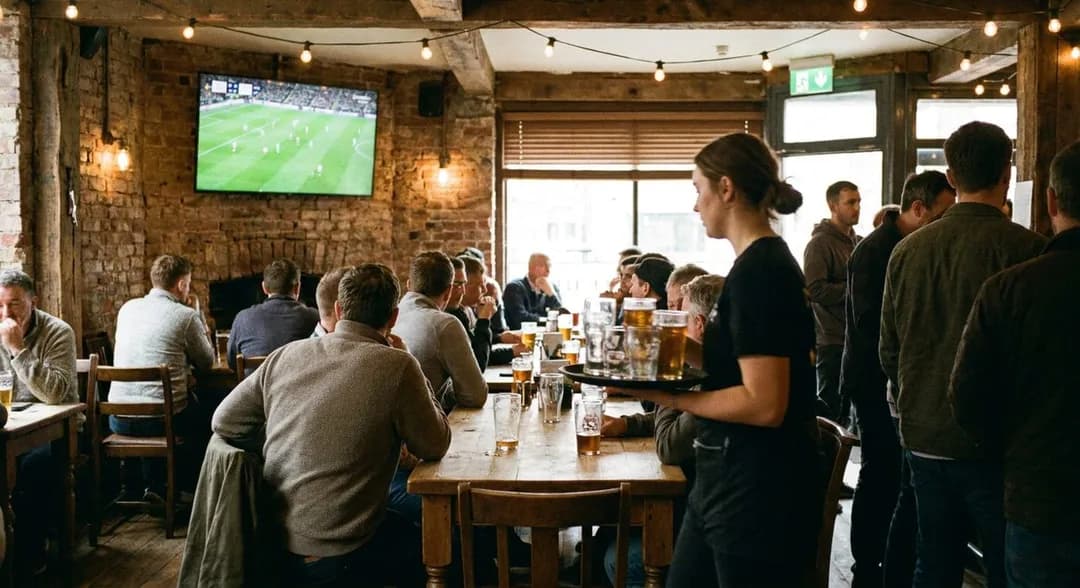
The crowd skews older but not exclusively. You see younger people too—second generation, maybe third, who grew up in Brooklyn but still understand when their grandmother curses at a referee's call. There's a man who always wears a leather jacket regardless of season, who drinks tea from a glass holder and reads a newspaper in Russian between halves. A woman with dyed burgundy hair who brings her own cushion for the wooden chairs and knows everyone's name. On weekday morning matches, when European fixtures air live, the room fills with retirees and night-shift workers still in their uniforms, eating breakfast plates of fried eggs and sausage while the sun barely clears the buildings outside. They don't come for the spectacle. They come because this is the one room in Brighton Beach where they can watch football without the weight of everything else.
The Chalkboard That Rewrites Itself
The match schedule changes throughout the tournament, and so does the chalkboard. Someone—you never see who—updates it each morning, listing kickoff times in Eastern with the teams abbreviated in a shorthand that regulars understand. Beneath the fixtures, there's usually a line about what's available from the kitchen that day: "stuffed cabbage" or "liver with onions" or sometimes just "ask." The handwriting is neat, blocky, the kind learned in a different school system. During the group stage, when there are multiple matches a day, the board fills up and people photograph it with their phones to plan their visits. By the knockout rounds, when the schedule thins, the empty space on the board feels heavier. You can almost see the two matches that will never appear, the ghost fixtures that define the place as much as the ones that do.
The Boardwalk After the Final Whistle
When the match ends, people don't rush out. They linger over the last of their tea, settling tabs, pulling on jackets even though it's warm outside. The owner props the door open and the sound of Brighton Beach Avenue floods in—Russian pop from a passing car, the clatter of the elevated train, someone selling grilled corn from a cart. You walk out into the late afternoon light, past the old men playing chess at permanent tables, past the stores selling smoked fish and imported candy. The beach itself is a few blocks south, close enough that you can smell the salt when the wind shifts. The tavern will be dark tomorrow if the wrong teams play, but today the truce held. Ninety minutes where the only thing that mattered was the ball and who could put it in the net. You head toward the train thinking about the silence before the goal, the way an entire room held its breath together, and how rare that is anywhere.
Practical Notes
The tavern doesn't take reservations and doesn't need to—there's always room, even on match days. You'll find it on Brighton Beach Avenue, the stretch thick with Cyrillic signs and produce stands, a few blocks from the ocean. Cash is easier than cards. The Q train drops you close enough to walk. Matches screen as scheduled unless they're the two fixtures that don't, in which case the place stays closed without announcement. Most people know. If you don't know, you'll figure it out when you see the dark windows. Arrive at least twenty minutes before kickoff if you want a table with a clear view of the screens. The kitchen runs through the final whistle but sometimes sells out of specials by the second half. No table service—you order at the bar, they call your name, you carry your own plate.
Tags: #2026FIFAWorldCup #BrightonBeachBrooklyn #DiasporaCulture #NeutralGround #WorldCupViewing #RussianFood #UkrainianFood #BrooklynEats #SportsBarCulture #ImmigrantStories #NYC #FootballCulture #BrightonBeachAvenue #PelmeniAndPints #UnspokenTruces
Sources consulted: fifa.com · espn.com · timeout.com
Please drink responsibly. Must be of legal drinking age.
All trademarks are the property of their respective owners.
Ask Karpo for more information.
Keep reading
- Haaland Has Seven Goals and Norway Runs Entirely Through Him
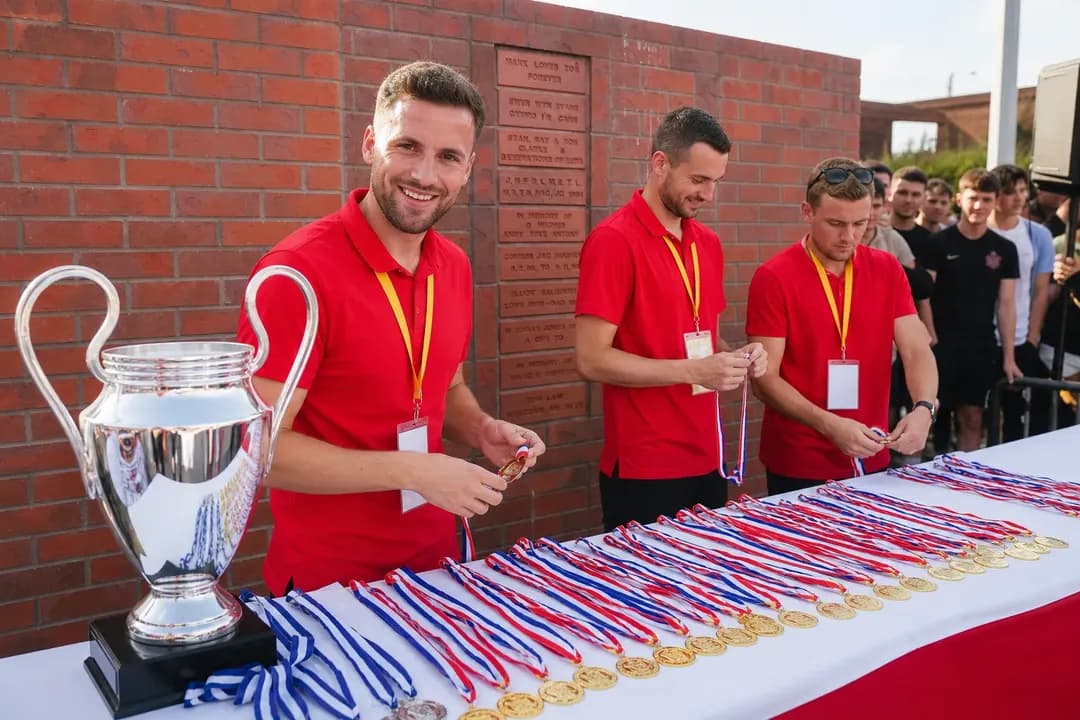 World Cup Trophy Ceremony Timing Medals and Postmatch Celebrations
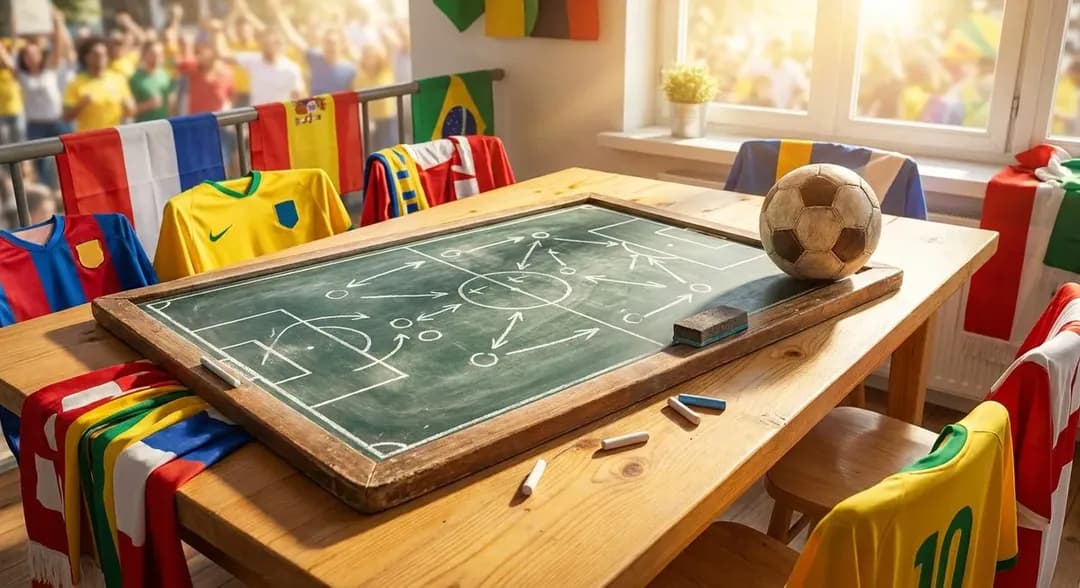 Olise and France's Attack: The Semifinal Tactical Question