 Haaland Has Seven Goals and Norway Runs Entirely Through Him
⚽️2026 FIFA WORLD CUP
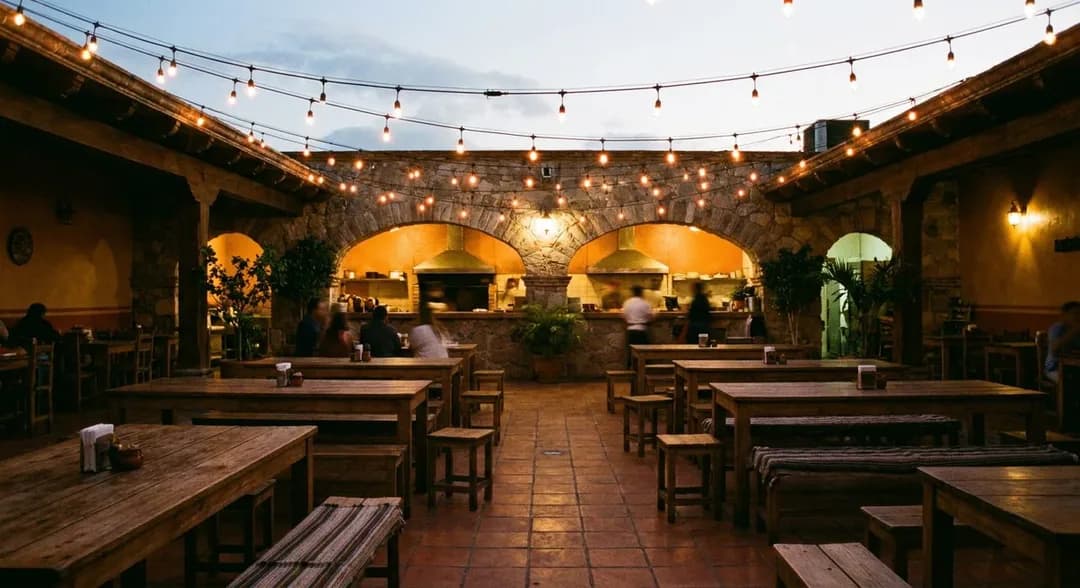
Birria Tacos Before Kickoff While Dodgers vs Pirates Plays on Side Screens in Tlaquepaque
Guadalajara's artisan quarter serves slow-cooked consommé and World Cup pre-game energy as baseball fans double-screen the night.
You're standing in a ceramics district half an hour before kickoff, watching steam rise from clay pots while soccer scarves drape over chair backs and a Pittsburgh reliever walks another batter on the mounted screen above the bar. Tlaquepaque doesn't pivot for tournament season — it just absorbs the energy into its existing rhythm of workshops closing at dusk and consommé simmering since dawn. The birria here isn't stadium food trucked in for the occasion, and that's exactly why the crowd skews local, leaning into bowls with both hands while checking their phones for lineup changes.
The Geography of Doubling Down on Everything at Once
Tlaquepaque sits just southeast of Guadalajara proper, close enough that rideshares don't flinch at the destination but far enough that the streets narrow into cobblestone and the air smells like wet clay from the kilns that have operated here since the 1500s. You're here because someone told you the birria spots don't bother with the sanitized version — they serve it the way abuela does, with the fat floating on top and the tortillas pressed to order while you wait. The World Cup brings a specific type of evening crowd: people who want to eat before the match but refuse to do it in a sports bar with imported beer and flatscreens the size of garage doors. Instead, you're in a room with two televisions, one showing the pre-game coverage and the other locked onto a mid-season baseball game that a handful of regulars actually care about. The overlap feels accidental until you realize it's completely intentional — Tlaquepaque has always been about layering traditions without asking permission.
When the Consommé Hits Different Because You've Been Walking All Day
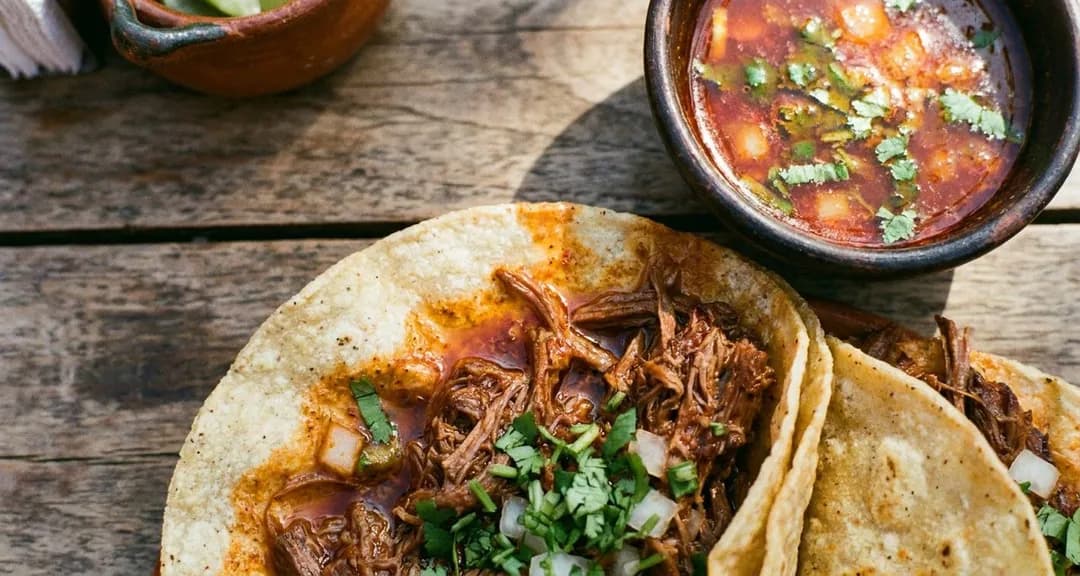
The birria arrives in a wide bowl, the broth so dark it looks like it's been cooking since the previous tournament cycle. You dip the first taco and the tortilla goes soft immediately, the kind of structural failure that means you need to commit to the bite or lose half of it back into the liquid. The goat is falling apart before you touch it, shredded into pieces that have absorbed cumin and clove and something faintly floral you can't name but recognize from every proper Jalisco kitchen. Around you, people are doing the same thing — leaning over their bowls, elbows on the table, ignoring their phones for thirty-second intervals. The baseball game cuts to commercial and someone near the bar groans, not about the score but about the interruption. You can hear the hiss of the griddle from the kitchen, that specific sound of masa hitting hot metal, and it syncs up with the rhythm of people ordering, eating, checking the time, ordering more.
The Regulars Who Treat This Like Their Living Room During Away Games
There's a table near the back that hasn't turned over in ninety minutes. Four men in their fifties, one wearing a faded Chivas jersey, another in a Dodgers cap that's seen a decade of sun. They're not watching the World Cup feed — they're watching the baseball game like it's a religious text, calling pitches before they happen and groaning in unison when the camera cuts away. You realize they've been here since before the dinner rush, nursing Tecates and working through a second round of tacos without any apparent urgency. The owner — or whoever's running the front tonight — doesn't rush them, doesn't even glance over. This is their spot during the tournament, the place they come because the television situation accommodates both allegiances without making them choose. When the pre-game show cuts to crowd shots from the stadium, one of them finally looks up, nods, then goes back to the baseball game. That's the tell: Tlaquepaque doesn't make you pick a lane.
Why the Timing Matters More Than the Destination
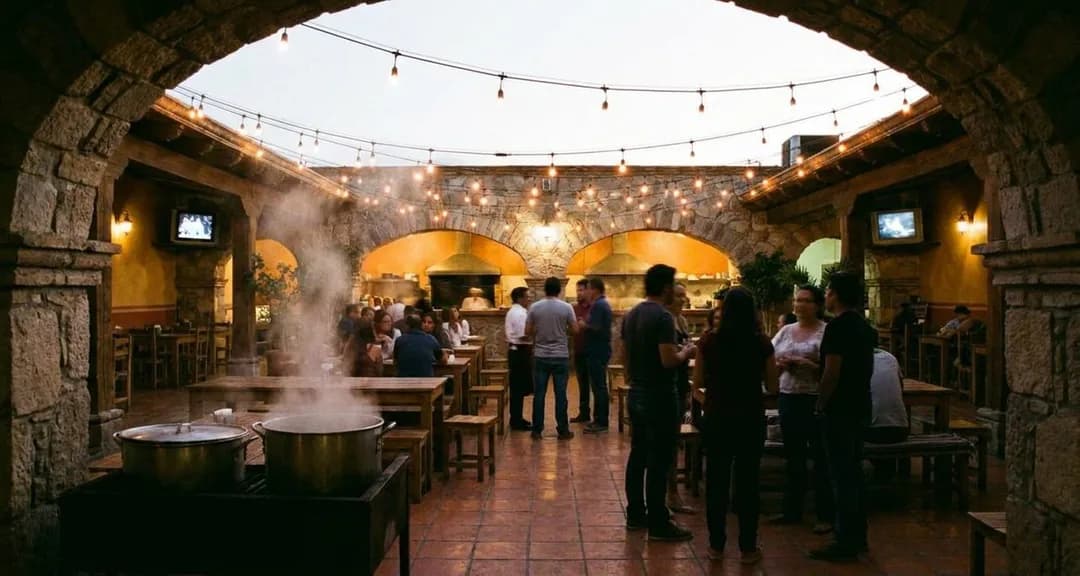
You arrived an hour before kickoff, which turns out to be the exact wrong time if you wanted a quiet meal and the exact right time if you wanted to feel the room shift into gear. The tables fill fast, not with tourists holding maps but with people who clearly do this every match day — claim a spot, order in rapid-fire Spanish, settle in for the duration. The light outside is doing that golden-hour thing where it slants through the doorway and catches the steam rising from every bowl, turning the whole room into a Caravaggio painting if Caravaggio had been into sports bars. You notice the kitchen staff moving faster now, a controlled chaos that suggests they've done this exact dance a hundred times. The tortillas come out in stacks, wrapped in cloth that's already soaking through with grease. Someone's abuela is definitely in that kitchen, or at least someone who learned from someone's abuela, because the technique is too automatic to be anything but generational.
The Ceramics Quarter Doesn't Stop for Match Day But It Does Adjust
Walk out between courses and you'll see the workshops still open, their doors propped with chunks of wood, pottery wheels visible from the street. Tlaquepaque built its reputation on artisan work, the kind of hand-thrown plates and tiles that people ship home in bubble wrap, and that industry doesn't pause for soccer. But the streets are quieter than usual, the foot traffic redirected toward the places with televisions and cold beer. You pass a gallery with a "Back at halftime" sign taped to the glass, which feels about right. The neighborhood knows how to hold two things at once: the daily work of making beautiful objects and the communal pull of a tournament that happens once every four years. By the time you circle back to your table, someone's taken the seat you weren't technically holding, and you have to negotiate for space at the bar instead. The view's better here anyway — you can see both screens and the kitchen pass at the same time.
What Happens When the Baseball Game Goes to Extra Innings
The Dodgers game refuses to end, which creates a specific tension in the room. Half the crowd is checking phones for kickoff countdowns while the other half is locked into a pitching duel that's gone past the ninth. The bartender switches the audio between feeds, a few seconds of Spanish commentary followed by the crack of a bat and the roar of a California crowd. You're eating your fourth taco — or maybe fifth, you lost count — and the consommé has reached that temperature where it's still hot but no longer scalding, the ideal state for drinking straight from the bowl. Someone scores in the baseball game and three people cheer while everyone else keeps eating. The World Cup pre-game show is interviewing someone in a suit, the kind of content you can ignore without missing anything. What you can't ignore is the way the room has organized itself into micro-climates of attention, each table operating on its own priority system but somehow coexisting without friction.
Practical Notes
Most birria spots in Tlaquepaque open late morning and run until the neighborhood winds down for the night, usually well past when the matches end. You're looking at a few dollars per taco, less for the consommé if you order it solo, and the portions assume you've been walking all day. Getting here from central Guadalajara takes about thirty minutes by rideshare or local bus — aim for the artisan district and walk toward the smell of slow-cooked meat. Reservations aren't a thing, but arriving an hour before kickoff gives you a fighting chance at a table. Cash is king, and the bathrooms are usually around back, past the kitchen. If you're planning to stay through the match, order early and order extra — the kitchen slows down once the game starts, and you don't want to be waiting for tacos during a penalty shootout.
Tags: #BirriaBeforeKickoff #TlaquepaqueTacos #GuadalajaraEats #WorldCup2026 #JaliscoFood #SoccerAndBaseball #ConsomméSeason #LocalsOnly #TacoTiming #CeramicsDistrict #MatchDayRituals #DodgersOnTheScreen #MexicoTravel #AuthenticGDL #PreGameMeal
Sources consulted: fifa.com · espn.com · timeout.com
Please drink responsibly. Must be of legal drinking age.
All trademarks are the property of their respective owners.
Ask Karpo for more information.
Keep reading
- Haaland Has Seven Goals and Norway Runs Entirely Through Him
 World Cup Trophy Ceremony Timing Medals and Postmatch Celebrations
 Olise and France's Attack: The Semifinal Tactical Question