 Haaland Has Seven Goals and Norway Runs Entirely Through Him
⚽️2026 FIFA WORLD CUP
Birria Stands in Guadalajara When the haim sisters Summer Tour Hits Screens
Pre-match bowls of consommé and folded tortillas draw crowds as stadium prep hums and evening concert streams play on corner TVs.
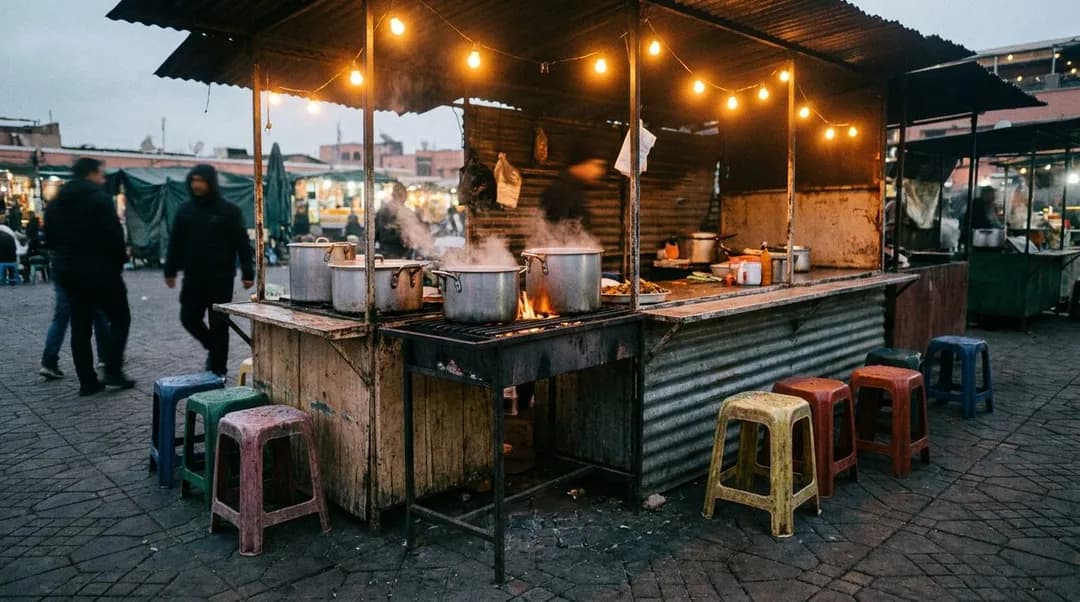
You're standing at a corner in Tlaquepaque watching someone fold a tortilla around shredded goat, dip it into a clay bowl of dark consommé, and take that first bite while a screen overhead flickers with concert footage and stadium construction updates. The birria stands here don't pause for World Cup prep or touring bands on livestream—they just keep ladling, and the crowds keep forming, especially now when the city hums with anticipation and everyone needs something warm before they head to wherever the evening takes them.
The Steam Rises Before You Even See the Cart
You smell it two blocks out—that deep, slightly funky scent of slow-cooked goat meeting chile and clove. The stands cluster near the artisan district's eastern edge, where workshop smoke mixes with cooking fires and the air stays thick until mid-afternoon. Most vendors set up by nine, pulling tarps over metal frames, hanging hand-lettered signs that say only "BIRRIA" in red paint. You'll see a line of plastic stools facing the street, a stack of blue corn tortillas under a cloth, and a massive pot that's been simmering since before dawn. The consommé inside looks almost black until you tilt your bowl and catch the orange fat catching light. No one's rushing. A guy in paint-spattered jeans sits next to a woman in hotel uniform, both of them bent over their bowls, both of them silent except for the occasional slurp.
Corner Screens and the Rhythm of Waiting
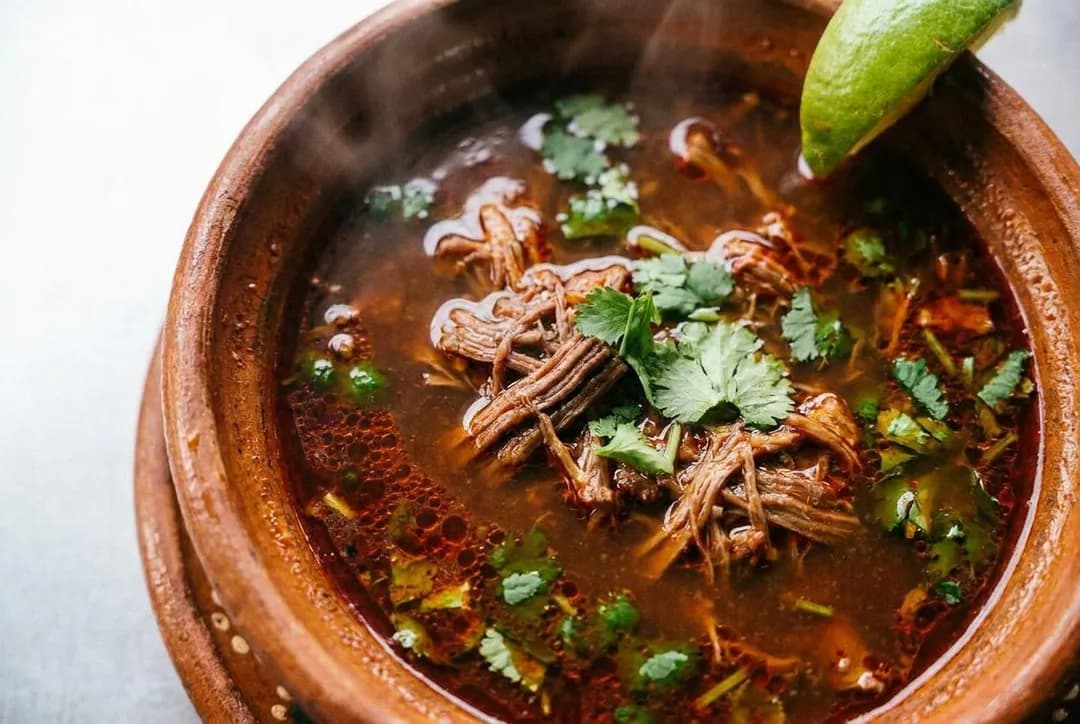
The TVs appeared a few months back when the stadium construction kicked into higher gear—small flatscreens zip-tied to posts, powered by extension cords snaking into nearby shops. They rotate between match prep coverage, band performances streaming from other time zones, and telenovelas that no one really watches but everyone half-follows. You order by pointing at the pot, holding up fingers for how many tacos you want. The vendor—usually a woman with her hair tied back in a bandana, sometimes a younger guy working beside her—nods and starts building. Three tortillas get a double-dip in the consommé before the meat goes on. The fold is quick, practised, a motion she's done ten thousand times. You get a plastic plate, a lime quarter, a fistful of cilantro and diced onion in a paper cup, and a Styrofoam bowl of extra consommé that's yours to sip or dip as you please.
What the Regulars Know About Timing
Late morning is when the consommé tastes richest—the fat has fully rendered, the spices have settled into something coherent instead of sharp. By two in the afternoon, the pots start to thin out, and vendors add water to stretch what's left. You want to arrive before the lunch crush but after the early workers have cleared out, that window between ten-thirty and eleven-fifteen when you can actually sit and the vendor has time to add an extra handful of meat without charging you. The regulars bring their own hot sauce in small glass bottles, stuff that makes the provided salsa look like ketchup. They'll offer you a shake onto your taco if you're sitting close enough, if you look like you know what you're doing. The heat builds slowly, then all at once, and suddenly you're reaching for more consommé to cut it.
The Geography of Goat and Gossip
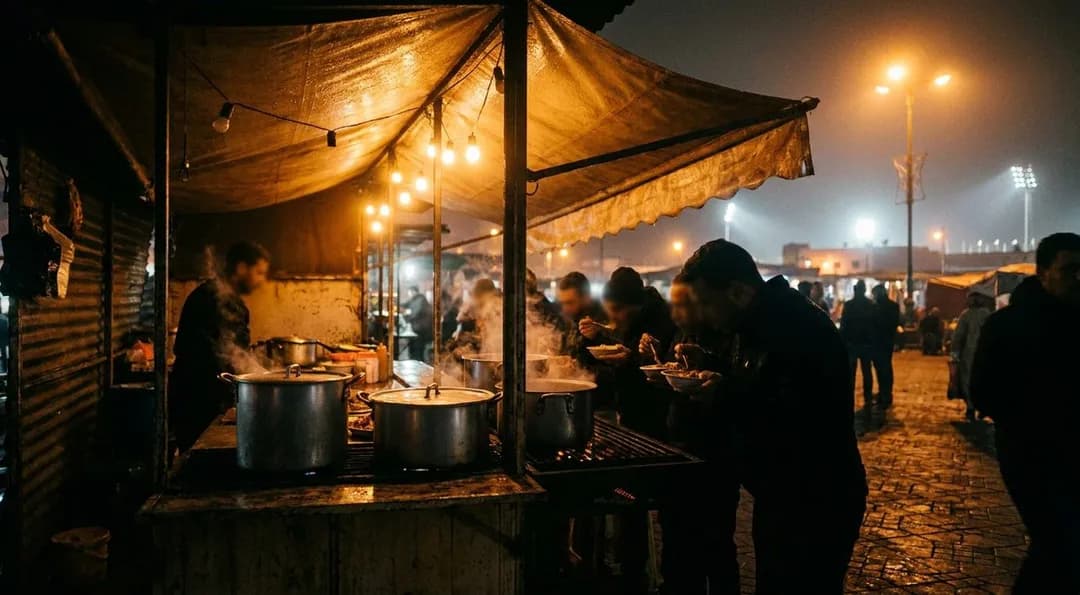
Each stand has its own small territory—this corner for the vendor who uses more oregano, that corner for the one whose tortillas come from the woman three streets over who still uses a comal over wood. You'll hear people debate which stand is "better" the way other cities argue about pizza. The truth is they're all working from roughly the same recipe, variations so subtle you'd need to eat here daily to track them. What changes is the crowd. Some stands attract the construction crews working on the stadium's outer shell, guys who show up in hard hats and high-vis vests, eating fast before the next shift. Others get the shop owners from the ceramics district, people who can linger over a second bowl and talk about wholesale prices and the American tour groups that may or may not show up next month. You sit wherever there's space, and you listen.
When Concert Streams Compete with Kickoff Countdowns
The screens create a strange doubled attention—people watching stadium interviews while eating, glancing up when a familiar song comes through the tinny speakers, then back down to their plates. You'll see someone mouth along to lyrics between bites, or check their phone to see what time a match actually starts, then go back to dragging a tortilla through consommé. The vendors don't control the programming; whoever's shop is providing the electricity picks what plays. Sometimes it's a full concert set from a band halfway around the world, sometimes it's local news about traffic rerouting for stadium events, sometimes it's just static until someone jiggles the cable. No one complains. The birria is the point. The screens are just something to rest your eyes on when you need a break from the intensity of eating something this rich.
The Folded Tortilla's Structural Integrity
There's a technique to eating these without falling apart, and you learn it by watching or by making a mess. You hold the taco at a forty-five-degree angle, bite from the folded end, let the consommé drip back into your bowl. If you try to eat it flat like a regular taco, the whole thing disintegrates and you're left with shredded goat floating in your lap. The tortillas here are thicker than what you get at most places, sturdy enough to hold up to the double-dip but still tender. You taste the corn first, then the meat's gaminess, then the slow burn of the chile, then that weird floral note from the cloves that shouldn't work but does. By the third taco, your fingers are orange with fat and you've stopped caring. There's a water jug with a push-button spout for rinsing hands, but most people wait until they're completely done.
Practical Notes
The stands operate from late morning through mid-afternoon most days, though some stay open longer when there's evening stadium activity or when the crowds justify it. You're looking at a few dollars for three tacos and consommé—bring small bills because no one's making change for anything large. Getting here means heading to the eastern stretch of Tlaquepaque's artisan district, where the workshops give way to residential streets. Any local can point you toward "las birrierías," and you'll find them clustered within a few blocks of each other. No reservations, no phones, no websites. You show up, you wait if there's a line, you eat standing or on a plastic stool. The experience doesn't change much whether you're here for the World Cup energy or just because you want goat for lunch.
Tags: #BirriaDeChivo #GuadalajaraCuisine #TlaquepaqueEats #StreetFoodCulture #WorldCup2026 #PreMatchRituals #MexicanFoodScenes #ConsomméDreams #LocalsKnow #GameDayEats #JaliscoFlavors #TacoChronicles #FIFAWorldCup #AuthenticGuadalajara #FoodAndFootball
Sources consulted: fifa.com · espn.com · timeout.com
All trademarks are the property of their respective owners.
Ask Karpo for more information.
Keep reading
- Haaland Has Seven Goals and Norway Runs Entirely Through Him
 World Cup Trophy Ceremony Timing Medals and Postmatch Celebrations
 Olise and France's Attack: The Semifinal Tactical Question