 Haaland Has Seven Goals and Norway Runs Entirely Through Him
⚽️2026 FIFA WORLD CUP
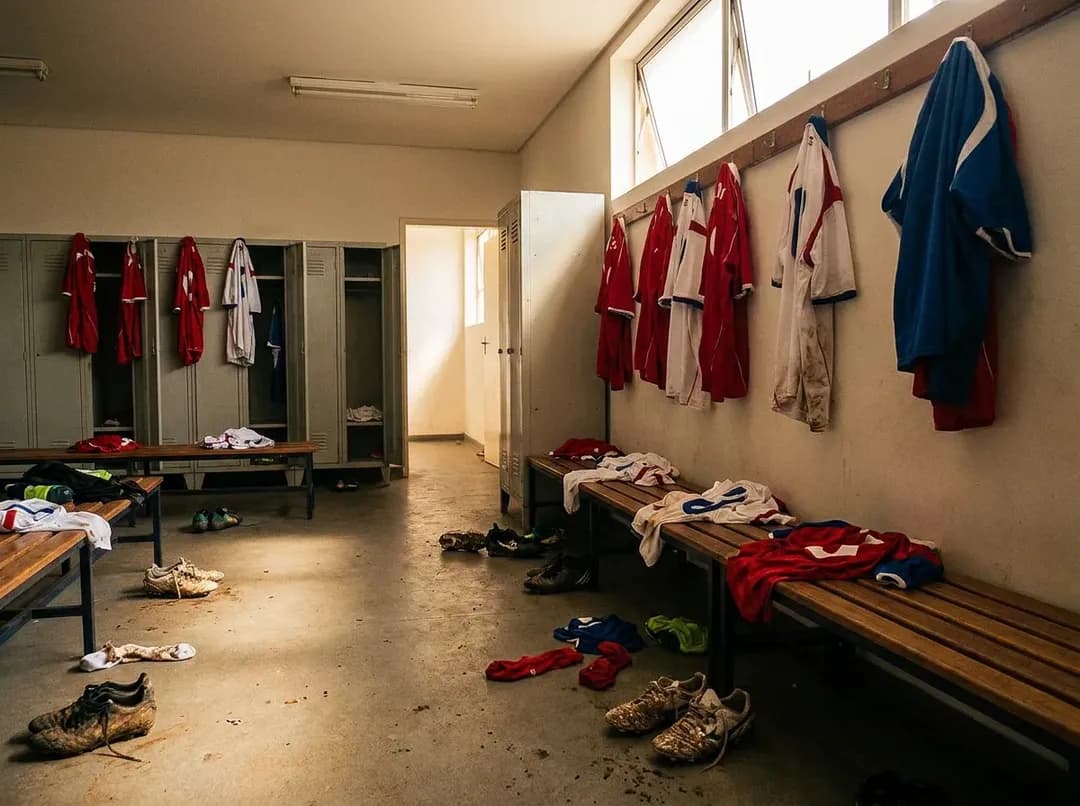
From Germany to Brazil: Every Big Name Eliminated from World Cup 2026 So Far
Defending champions and tournament favorites crash out early as the 2026 World Cup delivers stunning upsets from the Round of 32 onwards.
The 2026 World Cup has delivered its most shocking statistic: Brazil, five-time champions and pre-tournament favorites, suffered their earliest exit since 1990 after falling 2-1 to Norway in the Round of 16. But the Seleção's stunning departure represents just the tip of an iceberg that has sunk nearly every major contender. From defending champions Germany crashing out on penalties to European powerhouses Netherlands and Croatia following suit, the expanded 48-team format has unleashed chaos that makes previous tournament upsets look tame. The knockout rounds have systematically dismantled the established order, leaving fans scrambling to recalibrate their brackets and bookmakers nursing massive losses.
The Penalty Shootout Massacre
The Round of 32 became a graveyard for European giants, with two of the continent's most successful teams eliminated in the cruelest fashion possible. Germany, defending champions and winners of the 2022 tournament in Qatar, fell to Paraguay in a penalty shootout that will haunt German football for years. After 120 minutes of goalless football at MetLife Stadium, Paraguay goalkeeper Carlos Coronel became a national hero by saving two German penalties, including one from Bayern Munich's Jamal Musiala.
The Netherlands suffered an equally devastating fate against Morocco, also losing on penalties after a 1-1 draw in Vancouver. The Atlas Lions, buoyed by their semifinal run in Qatar, showed they belonged on the biggest stage by converting all five of their spot kicks while Virgil van Dijk's miss proved decisive. This marked the earliest World Cup exit for the Netherlands since 2012, when they failed to escape the group stage.
These penalty defeats highlighted a troubling pattern for established powers: technical superiority means little when tournaments are decided by nerve and luck in shootouts.
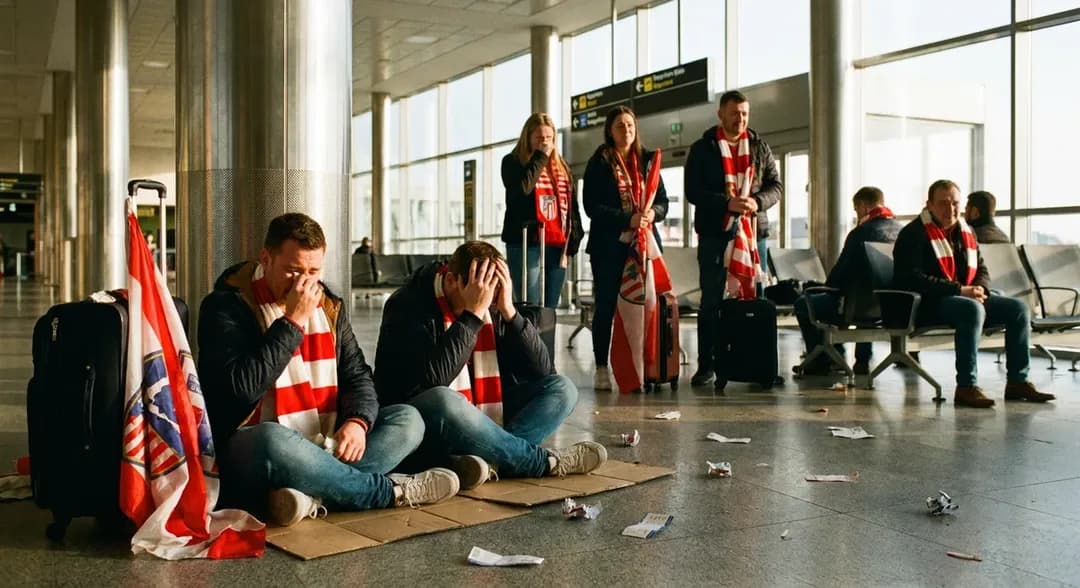
Brazil's Historic Collapse
Nothing encapsulated the tournament's topsy-turvy nature more than Brazil's shocking 2-1 defeat to Norway in Seattle's Lumen Field. The result sent shockwaves through the football world, marking Brazil's earliest World Cup exit since they failed to reach the knockout rounds in 1990. Norway, appearing in their first World Cup since 1998, took a stunning 2-0 lead through Erling Haaland and Alexander Sørloth before Vinícius Jr.'s late consolation goal provided false hope for the South Americans.
The defeat exposed fundamental flaws in Brazil's approach under manager Fernando Diniz, whose possession-heavy system struggled against Norway's disciplined defensive block and devastating counter-attacks. Haaland's 67th-minute opener came after Brazil had dominated possession but failed to create clear chances, while Sørloth's strike ten minutes later caught a desperate Brazilian defense pushing forward.
This elimination carries historical weight beyond the immediate disappointment. Brazil had reached at least the quarterfinals in five consecutive World Cups dating back to 2006, making this early exit their most damaging result in over three decades.
European Powerhouses Fall Apart
The Round of 32 proved particularly brutal for European football's traditional elite. Beyond Germany and the Netherlands, Croatia's golden generation saw their World Cup journey end against Portugal in a 3-1 defeat that felt more decisive than many expected. The 2018 runners-up and 2022 semifinalists appeared to finally succumb to Father Time, with Luka Modrić's 38-year-old legs unable to keep pace with Portugal's youthful energy.
Japan's elimination by Brazil, before the latter's own downfall, represented another blow to Asian football's rising ambitions. The Samurai Blue, who had shocked Spain and Germany in Qatar, fell 2-0 to a Brazilian side that would itself be gone within days. The defeat highlighted how even the most inspiring underdog stories can be fleeting in tournament football.
These results collectively represent the most comprehensive dismantling of European dominance in World Cup history, with traditional powers unable to adapt to the tournament's expanded format and increased competitiveness.

CONCACAF Dreams Dashed
The host region's hopes took a severe blow with both Mexico and Canada exiting in the Round of 16, despite the advantages of home support and familiar conditions. Mexico's defeat to England was particularly painful, coming after El Tri had raised expectations by topping their group ahead of Poland and Saudi Arabia. The 2-1 loss in Mexico City's Azteca Stadium represented a missed opportunity to capitalize on home advantage in front of 87,000 passionate supporters.
Canada's elimination by Morocco was equally deflating for the co-hosts. The Maple Leafs had captured hearts by reaching the knockout rounds in just their second World Cup appearance since 1986, but Morocco's experience and tactical discipline proved decisive in a tight 1-0 encounter in Toronto. The defeat ended Canada's fairy-tale run but established them as a legitimate force in CONCACAF moving forward.
These results underscore how even home advantage cannot guarantee success in modern tournament football, where tactical preparation and experience often trump emotional support.
The New World Order
What emerges from this carnage is a dramatically altered tournament landscape that recalls the chaos of the 2014 World Cup, when traditional powers similarly struggled to assert dominance. Morocco's continued excellence, building on their 2022 semifinal appearance, suggests African football's renaissance is real and sustainable. Norway's stunning victory over Brazil announces their return to elite competition after decades in the wilderness.
The expanded format has clearly achieved FIFA's goal of increasing competitiveness, but perhaps at the expense of quality and predictability that many fans cherish. Smaller nations now have genuine chances to damage established powers, while the additional knockout round provides more opportunities for upsets.
This shift represents more than statistical anomalies; it signals a fundamental rebalancing of global football power that could influence the sport for years beyond this tournament.
Practical Notes
For fantasy football managers and bracket predictors, these eliminations have completely reshuffled the remaining field. Portugal and England now emerge as clear favorites, while Morocco represents the most dangerous underdog remaining. Consider that penalty shootouts eliminated two major contenders, suggesting that teams with strong goalkeepers and penalty specialists hold crucial advantages in tight knockout games. The expanded format has proven that group stage performances mean little once elimination rounds begin, making it essential to evaluate teams based on their knockout mentality rather than overall talent. Monitor which remaining teams have experienced tournament performers versus those making deep runs for the first time.
Tags: #WorldCup2026 #FIFA2026 #BrazilOut #GermanyEliminated #MoroccoBeatNetherlands #NorwayUpset #WorldCupBracket #PenaltyShootouts #FootballUpsets #SoccerNews #WorldCupShocks #TournamentFootball #KnockoutRounds #WorldCup2026Eliminations
All trademarks are the property of their respective owners.
Ask Karpo first
Want to see how the bracket opens up now that the favorites are gone? Ask Karpo for updated quarterfinal matchups, power rankings, and a personalized path-to-the-final analysis.
Ask Karpo for more information.
Keep reading
- Haaland Has Seven Goals and Norway Runs Entirely Through Him
 World Cup Trophy Ceremony Timing Medals and Postmatch Celebrations
 Olise and France's Attack: The Semifinal Tactical Question