 Haaland Has Seven Goals and Norway Runs Entirely Through Him
⚽️2026 FIFA WORLD CUP
Belgium's Red Devils Draw Bay Area Tech Diaspora Into World Cup Season
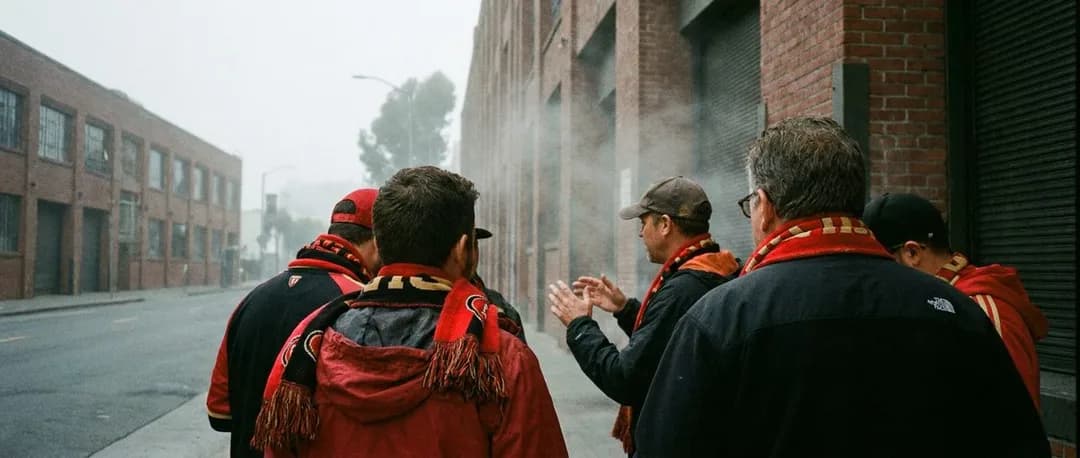
The San Francisco Bay Area's Belgian expat community, concentrated around the tech campuses of the Peninsula and the cafes of SoMa and the Mission, is finding its World Cup footing in a city that approaches soccer differently than most, with viewing events that mix the precision of Belgian football with the Bay's open-culture approach to fandom.
The Belgian flag appears in unexpected places across San Francisco's SoMa and Mission neighborhoods during World Cup season—draped over the windows of third-wave coffee shops, pinned to the exposed brick walls of converted warehouse bars, projected onto screens in tech-forward viewing spaces where engineers and designers gather before their morning standups. The Bay Area's Belgian community, smaller and more dispersed than the city's storied Italian or Irish enclaves, activates around major tournaments with a quiet intensity that mirrors the precision of the Red Devils themselves. These aren't the raucous, street-flooding celebrations of other soccer nations, but rather gatherings that blend European football tradition with Silicon Valley's collaborative work culture—watch parties that feel part sports bar, part design thinking session, where tactical discussions unfold with the same analytical rigor applied to product launches.
Warehouse Bars and Converted Spaces Host the Faithful
The Belgian viewing community centers around a handful of SoMa establishments that have built reputations as reliable gathering points. Kezar Pub near the Panhandle has long served as a multi-national soccer headquarters, but during World Cup cycles, Belgian fans claim territory in the back section, arriving ninety minutes before kickoff to secure sight lines to the larger screens. The space fills with Flemish and French conversations, the linguistic split of Belgium itself recreated in a bar six thousand miles from Brussels. Across the neighborhood, Thieves Tavern on Minna Street draws a younger tech crowd—product managers and UX designers who've relocated from Ghent and Antwerp, still carrying European football allegiances even as they've adopted California's startup rhythms. The bar's industrial aesthetic, all exposed ductwork and Edison bulbs, provides an oddly appropriate backdrop for matches, the unfinished surfaces echoing the working-class roots of Belgian football culture even as the crowd discusses equity packages between halves.
Further south in the Mission, El Rio's back patio becomes an unlikely Belgian outpost when weather permits early-round matches. The venue's historic role as a community gathering space extends to the expat soccer crowd, who appreciate the outdoor viewing setup and the bar's relaxed approach to fan behavior—no one minds when supporters break into "Le Plat Pays" after a Kevin De Bruyne goal. The patio's string lights and potted plants create a festival atmosphere distinct from the sports-bar intensity of other venues, a Bay Area interpretation of the neighborhood cafes where Belgians watch matches back home.
Tech Campuses Empty Into Mission Cafes
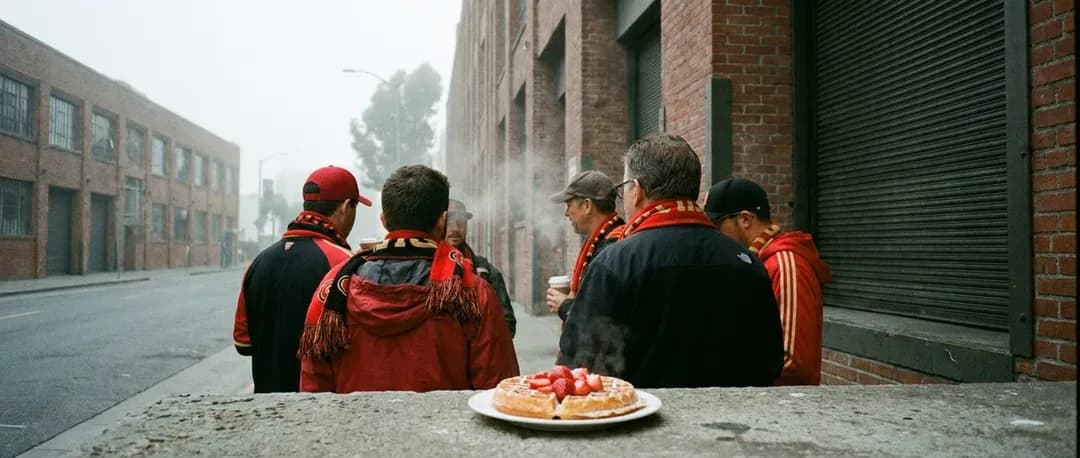
The geographical spread of Belgian tech workers—concentrated in Mountain View, Palo Alto, and Sunnyvale during work hours—creates a northward migration pattern on match days. Caltrain platforms in Palo Alto and Millbrae fill with riders in red jerseys during morning and early afternoon kickoffs, the commute reversed from its typical pattern. Many make the Mission District their destination, where the neighborhood's cafe culture provides a more European context for daytime viewing than the office parks of the Peninsula. Ritual Coffee Roasters on Valencia has accommodated Belgian groups during past tournaments, the cafe's large communal tables allowing for laptop-free gatherings that feel closer to Brussels' cafe culture than San Francisco's typically solitary coffee consumption patterns.
The pre-match routine often includes stops at Tartine or B. Patisserie, where Belgian fans note the French technique but quietly maintain that proper speculoos and waffles remain absent from the Bay Area's otherwise comprehensive pastry landscape. These morning gatherings before noon kickoffs create a distinctive energy in the Mission—clusters of supporters in national colors moving through a neighborhood still shaking off its previous night, the soccer crowd's early intensity contrasting with the district's typically late-starting weekend rhythm.
Frites and Compromise in a Burrito Neighborhood
The absence of Belgian restaurants in San Francisco creates improvisation around match-day food traditions. Some supporters organize potluck elements at house parties in Bernal Heights and Noe Valley, where Belgian hosts prepare stoofvlees or waterzooi for a dozen compatriots crowded around living room televisions. The more common solution involves pre-match stops at Brenda's French Soul Food in the Tenderloin, where the French-Creole menu provides the closest available approximation to Belgian comfort food, or post-match gatherings at Suppenkuche in Hayes Valley, where the German-Belgian culinary overlap offers familiar flavors if not exact matches.
The real food conversation centers on frites, that essential Belgian contribution to European cuisine. Fans have mapped the city's few acceptable options—the Belgian-style twice-fried potatoes at Frites 'n' Meats in the Haight, though the location requires a trek from the main viewing areas. More often, supporters compromise with the truffle fries at various upscale burger spots, a distinctly San Francisco interpretation that Belgian purists tolerate with good humor. The food adaptations become part of the expat experience, another way the Bay Area's Belgian community negotiates between homeland traditions and California reality.
BART Schedules and Kickoff Calculus
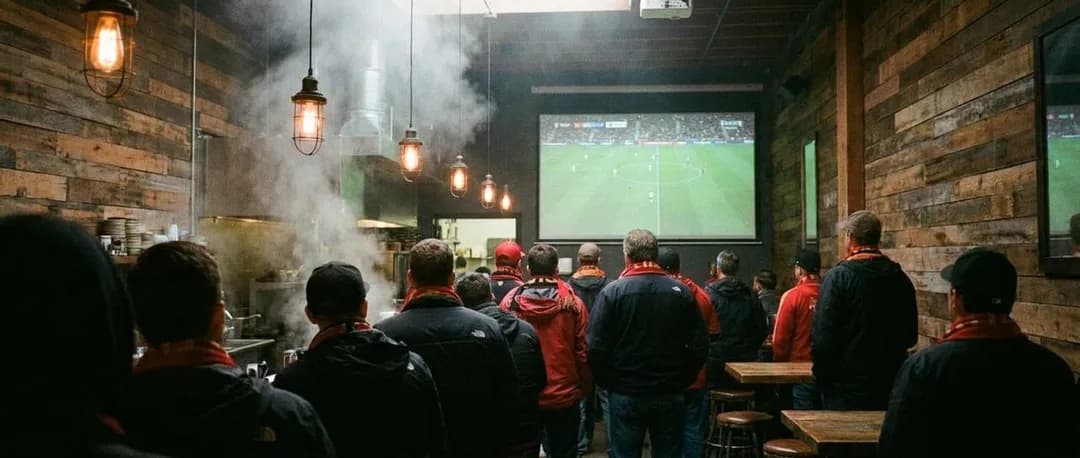
Match timing creates its own logistics during World Cup tournaments. European afternoon kickoffs translate to Bay Area mornings, the time difference working in favor of fans who can catch matches before work obligations. The 6 a.m. starts for some group-stage games test commitment levels—SoMa bars that open early report sparse but dedicated crowds, the kind of supporters who've set alarms and made Lyft rides through empty streets to claim their viewing spots. BART's early morning service accommodates East Bay fans making the trip to San Francisco venues, the trains carrying a scattered mix of night-shift workers heading home and soccer fans heading to kickoff, both groups equally bleary-eyed.
Later kickoffs, the 9 a.m. and noon starts, generate fuller attendance and more festive atmospheres. These timing slots allow for proper pre-match gatherings, the ritual coffee and pastry consumption that frames European football culture. Supporters coordinate group transit from the Peninsula, organizing rideshares or claiming entire Caltrain cars, the commute itself becoming part of match day. The return journey after afternoon matches flows into the city's evening patterns, Belgian fans dispersing into San Francisco's broader nightlife or heading back south to the Peninsula as the rest of the Bay Area's weekend crowds emerge.
When Matches End, the Mission Continues
Post-match behavior reveals cultural differences within the Belgian community itself. Flemish supporters tend toward quieter celebrations, gathering for extended post-mortems at coffee shops or wine bars, the tactical analysis continuing for hours after final whistles. The Francophone contingent brings slightly more exuberance to victories, though even their celebrations remain measured by the standards of other World Cup communities. A Red Devils win might generate singing at El Rio's patio or extended rounds at Thieves Tavern, but the neighborhood doesn't experience the car-honking, flag-waving street celebrations that follow matches involving Mexico, Italy, or Brazil.
The Mission absorbs these Belgian gatherings without much disruption to its own rhythms. By evening, the soccer crowds have blended into the district's standard weekend flow—the restaurants on Valencia filling with their usual clientele, the bars on 16th Street hosting their regular mix of locals and visitors. Only the occasional jersey spotted in a taqueria line or a Belgian flag still hanging in a bar window marks the afternoon's activities. The community's relatively small size and culturally reserved approach to fandom means its World Cup presence registers as accent rather than takeover, another thread in the Mission's complex cultural fabric.
Practical Notes
• Transit timing: BART runs early enough for 6 a.m. kickoffs; Caltrain from Peninsula requires checking weekend schedules for late morning arrivals
• Venue capacity: Popular bars fill 60-90 minutes before major matches; Belgian community gatherings rarely require advance reservations except for knockout rounds
• Weather considerations: June/July tournament timing means San Francisco's summer fog; outdoor Mission venues like El Rio work best for afternoon matches when temperatures rise
• Kickoff coordination: Group chats and Belgian community social media typically confirm viewing locations 48 hours before matches; plans shift based on expected crowd size
Tags: #SanFrancisco #WorldCup #BelgianFootball #SoMa #MissionDistrict #RedDevils #BayAreaSoccer #TechDiaspora #ExpatCommunity #SFNightlife #ValenciaStreet #CaltrainCulture #SoccerCulture #SFBars
Sources consulted: fifa.com (https://www.fifa.com) · sftravel.com (https://www.sftravel.com) · timeout.com/san-francisco (https://www.timeout.com/san-francisco)
All trademarks are the property of their respective owners.
Ask Karpo first
Wondering where the Bay Area's Belgian community and Red Devils fans are gathering for World Cup viewing this summer?
Ask Karpo for the latest on SoMa and Mission District viewing spots, Belgian supporter club events, and the best Bay Area venues for following Belgium's World Cup campaign.
Ask Karpo for more information.
Keep reading
- Haaland Has Seven Goals and Norway Runs Entirely Through Him
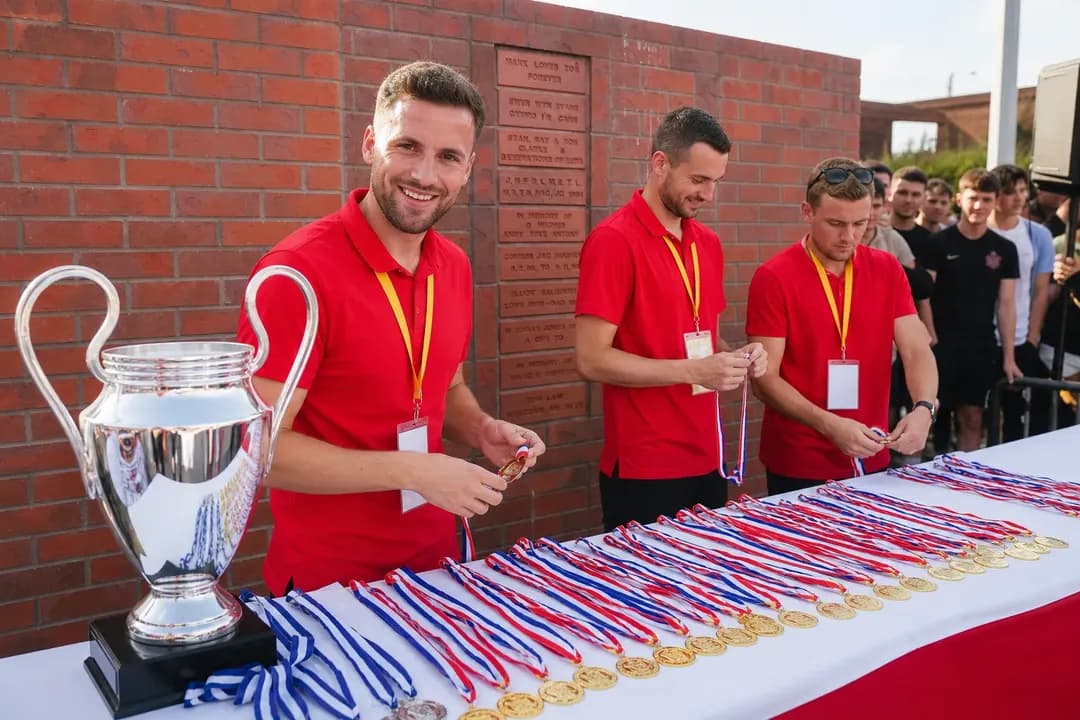 World Cup Trophy Ceremony Timing Medals and Postmatch Celebrations
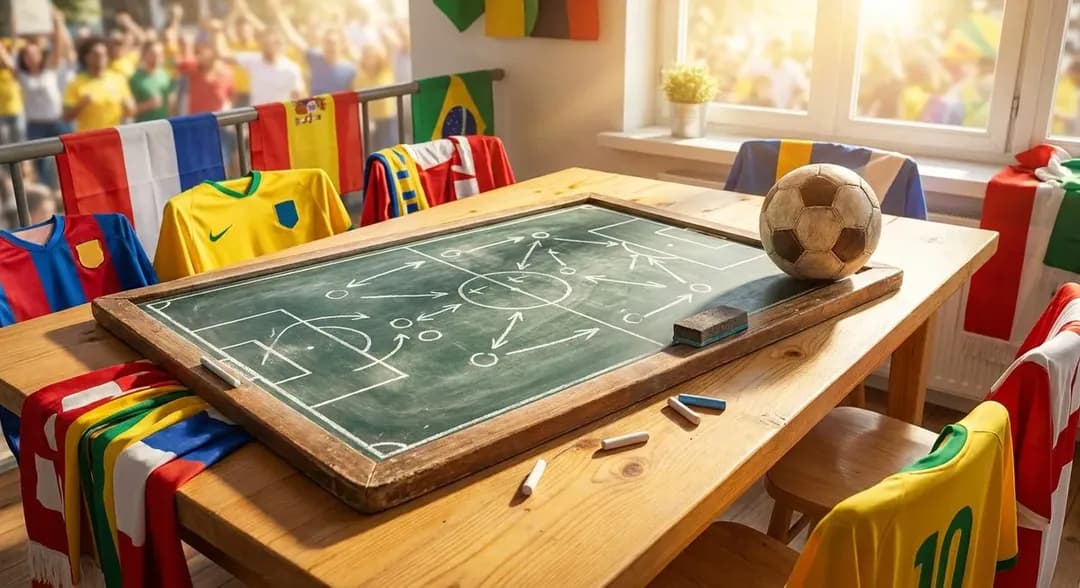 Olise and France's Attack: The Semifinal Tactical Question