 Haaland Has Seven Goals and Norway Runs Entirely Through Him
⚽️2026 FIFA WORLD CUP
Barrio Antiguo Cantinas Where Cubs vs Rockies Plays Alongside World Cup Broadcasts
Historic neighborhood bars with baseball-loving regulars add World Cup matches to their screens, creating summer nights where both games share the jukebox silence.
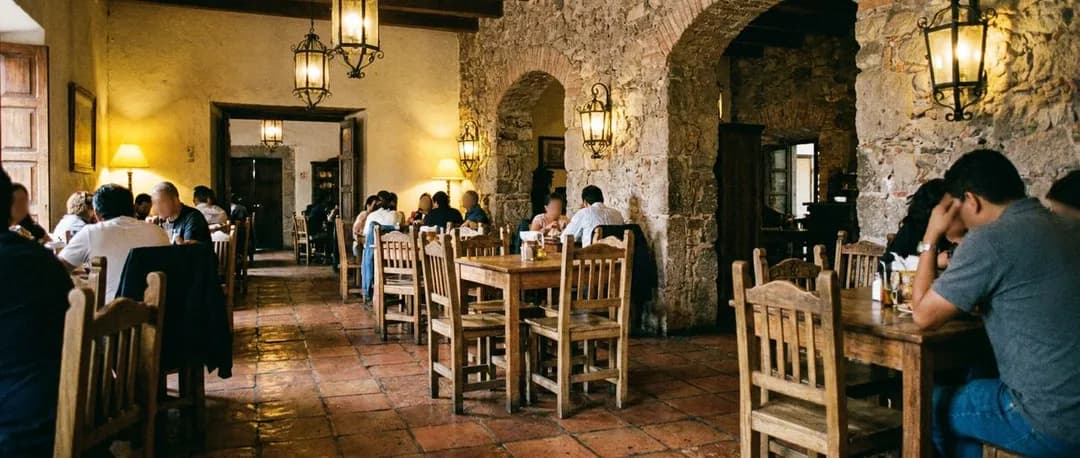
You walk into a Barrio Antiguo cantina on a June evening and the TV above the bar shows Nolan Arenado at third while the screen in the corner streams a World Cup match from somewhere eight time zones away. The regulars don't choose between them. They watch both, glancing up from their micheladas when either game gets loud, and the whole room smells like lime and the specific kind of cigarette smoke that clings to hundred-year-old plaster even though no one's smoked inside for years.
When the Jukebox Goes Silent for Both Pitches and Penalties
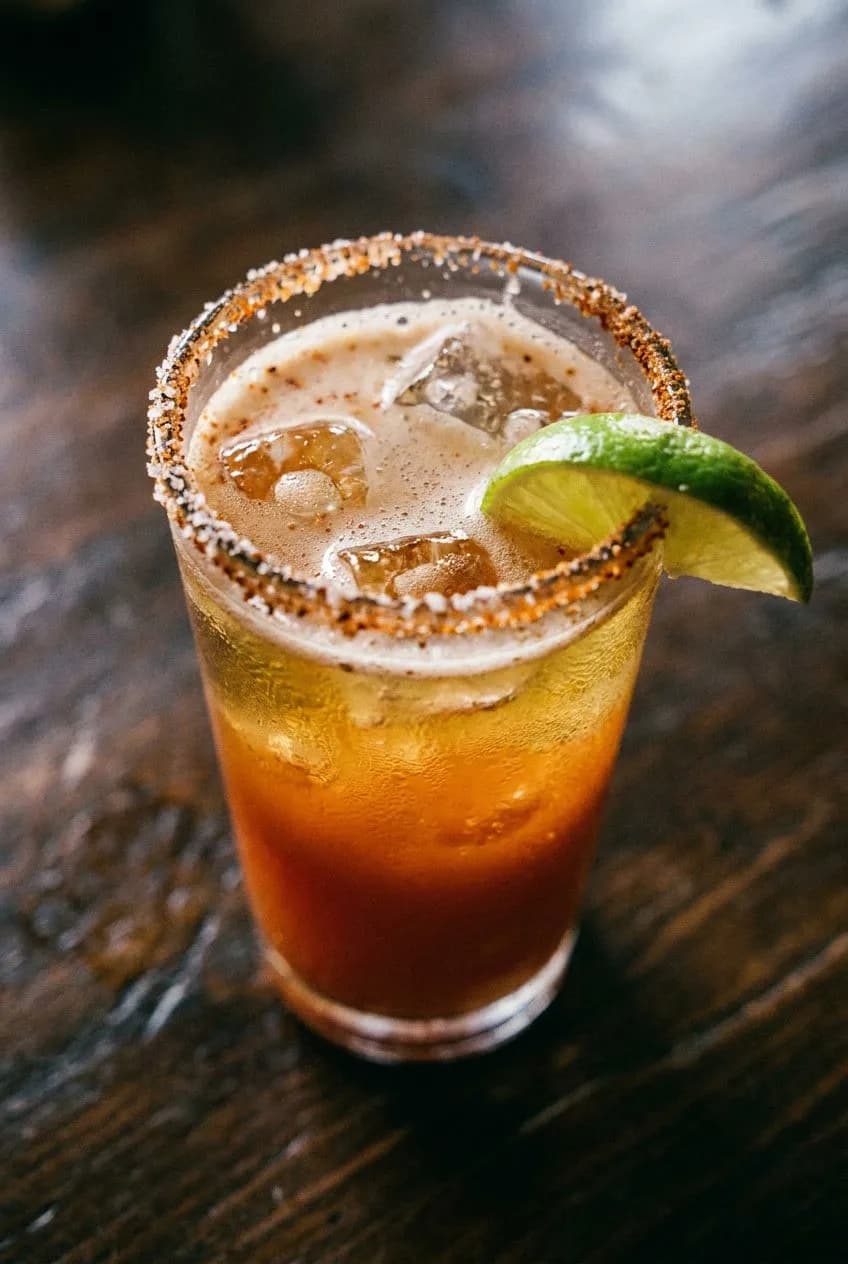
The cantinas along Morelos and the side streets threading south toward the Macroplaza have operated on baseball time since the Sultanes were playing in wooden stadiums. Summer here means Rockies-Cubs broadcasts, Mexican League games, and now World Cup matches layered into the same evenings. You notice it in the rhythm of conversation—how regulars pause mid-sentence when a corner kick lines up or when a batter works a full count. The jukeboxes, those ancient Wurlitzers that usually pump norteño and boleros into the stone-walled rooms, get unplugged entirely during double-header nights. The bartender at one spot near the old Cuauhtémoc brewery keeps a hand-drawn schedule taped beside the register, baseball games in blue ink and World Cup fixtures in green, with kickoff times converted from Central European Summer Time in his own cramped handwriting. You can order by pointing at the schedule—"I'll be here for the second half of this one"—and he'll nod, already knowing you want the michelada with extra Maggi and chamoy, served in a mug cold enough to leave your fingers numb.
The Corner Table Where Diaspora Meets Sultanes Diehards
There's a table near the back in most of these places where the light from the street doesn't quite reach, and that's where you find the mixed crowds during World Cup season. A guy in a Sultanes cap sits next to someone wearing a national team jersey from a country that qualified for the first time in decades. They're not there for the same game, but they've developed a shared language of groans and sharp intakes of breath. When a double play turns or a counterattack breaks down, the reaction is identical—that universal sports-watching wince. The tables are scarred wood, generations of carved initials and beer rings that no amount of wiping removes. You rest your elbows in the same grooves worn by people who watched Mexico '86 in these rooms, back when the screens were smaller and the crowds were denser. The waiters navigate around chair legs and extended feet without looking down, carrying trays of botanas—chicharrón, peanuts in chile, lime wedges in small clay bowls—that appear without being ordered, charged to your tab in amounts that make sense only to the person working the register.
Where They Pour Carta Blanca Into Frosted Glasses at Kickoff
The beer service in Barrio Antiguo cantinas follows a specific protocol that intensifies during simultaneous sports broadcasts. Bottles arrive in buckets of ice that sweat onto the table, and if you're there for a long match or a double-header, the waiter replaces the bucket without asking. The frosted glass situation is serious—kept in freezers set cold enough that the first pour creates that instant fog on the outside. You learn which places pour Carta Blanca, which ones stock Indio, and which bartender will give you a Bohemia if you ask quietly and tip well on the first round. During World Cup broadcasts, the beer consumption patterns shift. Instead of the steady pace of a nine-inning game, you get the nervous pre-match drinking, the halftime rush, and then the post-result celebration or commiseration. The cantinas handle this by staging extra cases near the bar and adding a second person to bucket duty. You'll see someone's grandmother working the ice station during crucial matches, moving with the efficiency of someone who's restocked cantina fridges through multiple World Cups and doesn't need instructions.
The Specific Acoustics of Stone Walls and Dual Commentary
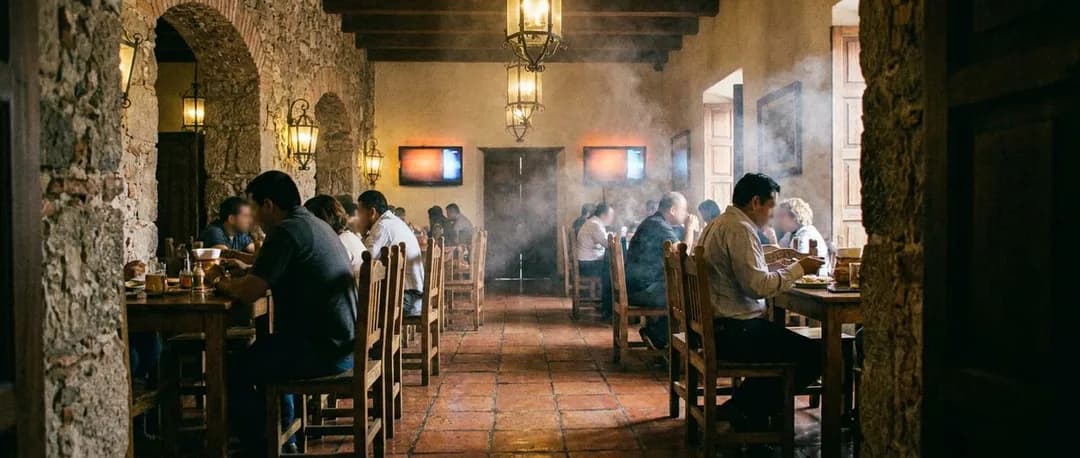
These buildings were constructed in the 1700s and 1800s with walls thick enough to keep rooms cool before air conditioning existed. That stone does something particular to sound—it absorbs the television commentary just enough that you hear it clearly at your table but it doesn't overwhelm the space. When two games run simultaneously, the audio from each screen occupies its own acoustic zone. You can position yourself to hear the baseball play-by-play primarily, with the World Cup commentary as background, or vice versa. The regulars have figured out the optimal seating for their preference. There's a spot near the colonial-era archway in one cantina where the sound waves meet in a way that lets you catch both commentators equally, and that table gets claimed early on overlap nights. The stone also holds temperature—these rooms stay cool even when it's pushing forty degrees outside, which means the cantinas fill up in the late afternoon and stay packed until well past midnight during tournament season.
Botanas That Appear Between Innings and Between Halves
The food in these cantinas isn't ordered from a menu. You get what arrives, and what arrives depends on what the kitchen made that day and how long you've been drinking. The timing syncs to the games—a plate of taquitos during the seventh-inning stretch, chicharrón in salsa verde at halftime, flour tortillas with salt and lime after a particularly tense penalty situation. The kitchens are tiny, often just a woman and her daughter working two burners and a comal, but the output is relentless. You smell the manteca heating, the dried chiles toasting, the onions sweating in pork fat. None of this costs much individually, but your tab grows in small increments that feel reasonable until you settle up and realize you've been fed continuously for four hours. The plates are heavy ceramic, chipped at the edges, and they get cleared only when you've clearly finished—not on some corporate hospitality timeline. During double-broadcast nights, the kitchen rhythm adjusts. More frequent, smaller portions so people don't get too full to keep drinking through both matches.
Reading the Room When Both Games Hit Extra Innings or Extra Time
You learn to sense when a cantina is about to tip from comfortably full to genuinely packed. It happens when both games get tight simultaneously—when the baseball goes to extras and the World Cup match hits stoppage time with the score level. The door keeps opening, people who were walking past hear the noise and decide to stay. The bartenders start pouring faster, less ceremony with the frosted glasses, just getting beer into hands. This is when the cantina shows its real capacity—bodies filling spaces you didn't realize existed, people standing in doorways, watching over shoulders. The volume rises not from anyone shouting but from the accumulated presence of that many people breathing and reacting in an enclosed stone room. You feel it in your chest, that collective tension. And then something breaks—a run scores, a goal goes in—and the release is physical. People exhale, sit back, signal for another round. The cantina resets itself in about ninety seconds and continues.
Practical Notes
Most Barrio Antiguo cantinas open late morning and run until the last customers leave, which during World Cup season can mean three or four in the morning. You'll find the concentration of these spots along Morelos and the surrounding colonial streets, walkable from the Macroplaza metro station. Cash remains the preferred payment method, and you'll want small bills for easier tab settlement. The busiest periods hit when game times overlap—typically early evening when baseball and European-timezone World Cup matches coincide. Arrive at least thirty minutes before kickoff if you want a seat with a clear view of your preferred screen. The michelada variations are cantina-specific, so try a couple of places to find your preference. Street parking is scarce but paid lots operate within a few blocks.
Tags: #BarrioAntiguo #MonterreyBars #WorldCup2026 #CantinaCulture #MonterreyNightlife #BaseballAndFutbol #MexicanCantinas #MonterreyTravel #WorldCupBars #LocalWateringHoles #SportsBarCulture #AuthenticMonterrey #NuevoLeónNights #TravelMonterrey #CantinaLife
Sources consulted: fifa.com · espn.com · timeout.com
Please drink responsibly. Must be of legal drinking age.
All trademarks are the property of their respective owners.
Ask Karpo for more information.
Keep reading
- Haaland Has Seven Goals and Norway Runs Entirely Through Him
 World Cup Trophy Ceremony Timing Medals and Postmatch Celebrations
 Olise and France's Attack: The Semifinal Tactical Question