You walk into a cantina in Barrio Antiguo on a Wednesday afternoon and the bartender's arguing with three regulars about whether Monica Raymund leaving *Chicago Fire* was a bigger shock than Mexico's goalkeeper lineup for the World Cup. The TV above the bar flips between a telenovela rerun and pre-match analysis. Nobody asks anyone to pick a side. Both screens stay on.
When the Brass Rail Gets Louder Than the Match Commentary
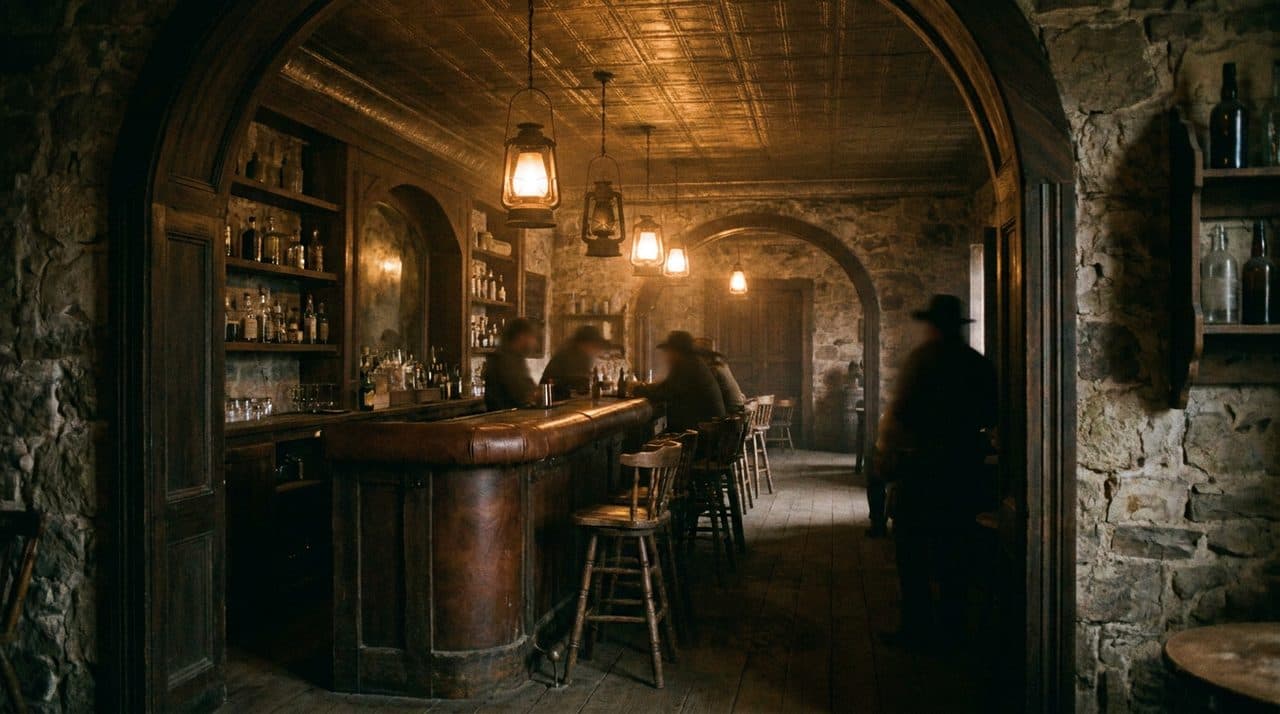
The colonial-era cantinas along these cobblestone blocks have absorbed decades of passionate debate, but this summer the conversational texture has changed. You hear someone mid-sentence pivot from Raymund's character arc to whether the U.S. defensive line can handle counter-attacks, then back again without missing a beat. The wooden bars are scarred with bottle rings and the occasional emphatic fist thump that could punctuate either discussion. Ceiling fans push around air that smells like lime, salt, and the specific mustiness of buildings that have stood since the 1700s. The bartenders have developed a sixth sense for when to turn up the match volume and when to let the table arguments ride.
The Corner Table Regulars Who Keep Score of Everything

There's a corner in one of the older spots where the same crew shows up most afternoons. They've claimed a table near the window where late light cuts through in amber shafts around four o'clock. These aren't tourists. They're the guys who remember when this neighborhood was crumbling before the restoration projects, who watched it gentrify in waves, who stayed anyway. They keep a running tally of television exits—not just Raymund, but every actor who left a long-running show at what seemed like the wrong moment. They apply the same forensic analysis to roster decisions and coaching changes. One regular keeps a actual notebook, though whether it's tracking fictional character departures or real athlete transfers is genuinely unclear until you lean in close enough to read over his shoulder.
What You Actually Order When You're Here for Hours
Nobody's ordering craft cocktails. You get a beer—something cold and local, served in a glass still wet from a too-quick rinse. Maybe a michelada if you're settling in for multiple matches. The cantinas here move through buckets of lime wedges by noon. The bartenders slice them with a speed that suggests decades of muscle memory, and the citrus smell cuts through everything else in the room. If you're hungry, there's usually something involving tortillas and whatever protein made sense that morning at the market. The food isn't the point, but it's never bad—just honest and a little salty in a way that makes you keep drinking. The rhythm is: beer, argument, match, beer, character analysis, halftime, repeat.
How the Crowd Shifts When Kickoff Approaches
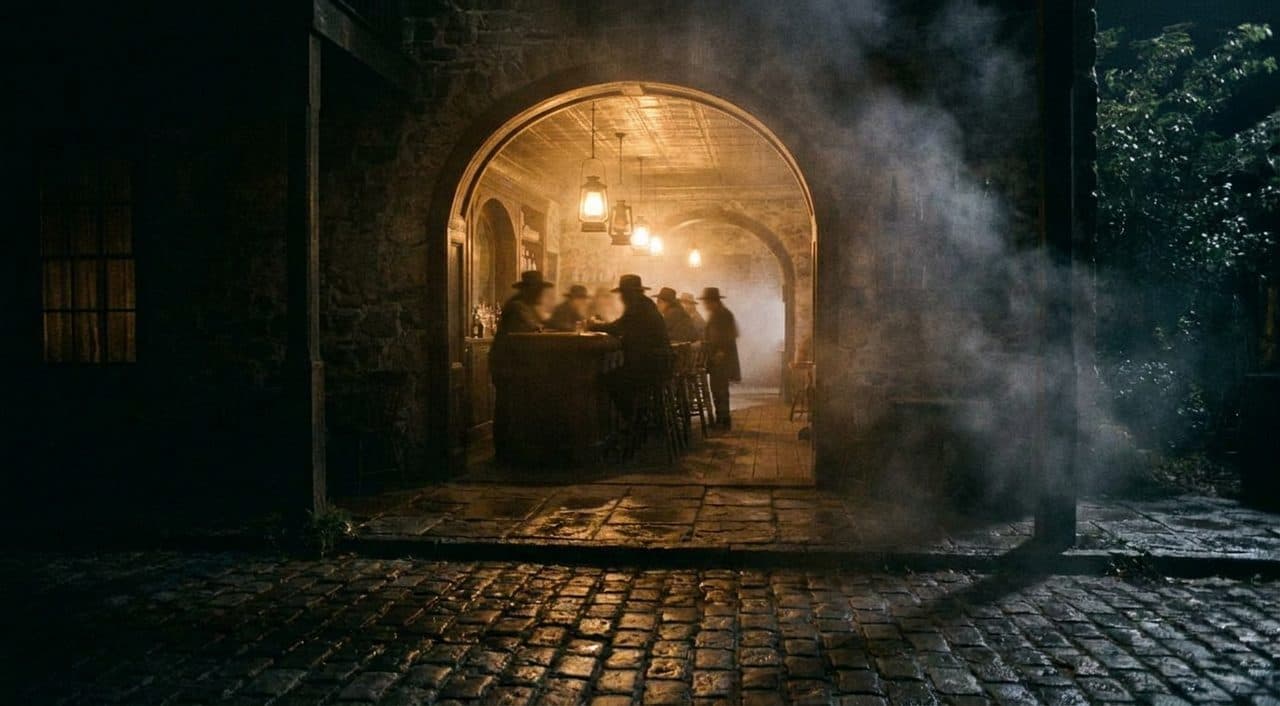
You can feel the room change about twenty minutes before a match starts. The conversational volume drops slightly. People who were standing migrate toward seats with clear sightlines to the screens. The bartender wipes down the bar even though it doesn't need it—just something to do with the nervous energy. Then someone mentions a television plot twist from last night and the room splits its attention again. Half the crowd leans into the game. The other half keeps debating whether a fictional character's departure was about contract negotiations or creative differences. The two conversations weave around each other like the cigarette smoke that still clings to these places despite the regulations. When a goal gets scored, everyone stops talking. When play resumes, so does the debate about network television drama.
The Acoustic Signature of a Tournament Cantina
These bars sound different during World Cup weeks. There's the baseline murmur of Spanish and English and occasionally Korean or Japanese from the diaspora crowds who've found their way to this neighborhood because someone told someone who told them. There's the specific clatter of glass on wood that intensifies during tense match moments. There's the scrape of chair legs when someone stands up too fast after a near-miss. The old speakers crackle when the volume gets pushed too high, adding a layer of distortion to the announcer's voice that somehow makes it feel more authentic. Between matches, someone usually plays norteño on the jukebox—accordion and bajo sexto filling the space until the next kickoff. You'll hear fragments of conversation in three languages debating the same television show plot point, each group apparently unaware the others are having the identical argument two tables over.
Where the Neighborhood Watches Intersect With the World
Barrio Antiguo sits at this strange intersection of preserved colonial architecture and contemporary urban energy. The cantinas occupy buildings that have been bars for longer than television has existed, which gives the whole scene a layered quality. You're drinking in a space that's hosted revolutionary planning sessions and now hosts debates about streaming series and international football. The stone walls are thick enough that you lose cell signal in some corners, which means people actually stay present in the room instead of checking their phones every thirty seconds. The bartenders know this and exploit it—they control the remote, they decide what plays when, they orchestrate the whole experience with the subtle authority of someone who's been doing this since before you knew this neighborhood existed.
Practical Notes
Most cantinas in Barrio Antiguo open late morning and stay busy well into the evening, especially during tournament weeks. You'll find the densest concentration of these spots in the blocks closest to the Macroplaza, though the best ones require wandering the side streets until you hear the right combination of crowd noise and music. Expect to pay local prices—these aren't tourist traps despite the neighborhood's increasing visibility. Cash works better than cards in the older establishments. During major matches, arriving thirty minutes early means the difference between a good seat and standing room. The neighborhood is walkable from downtown hotels and accessible by metro, though most locals will tell you to just take a cab or rideshare directly to the area and explore on foot from there. No reservations, no dress code, no pretense—just show up ready to have opinions about both football and television drama.
Tags: #BarrioAntiguo #MonterreyNightlife #WorldCup2026 #MonicaRaymundChicagoFire #CantinaCulture #MonterreyBars #FIFAWorldCup #ChicagoFireExit #MexicoTravel #MonterreyInsider #WorldCupBars #TelevisionDrama #CantinasDeMonterrey #NuevoLeonTravel #SoccerCulture
Sources consulted: fifa.com · espn.com · timeout.com
Please drink responsibly. Must be of legal drinking age.
All trademarks are the property of their respective owners.