# Article Body
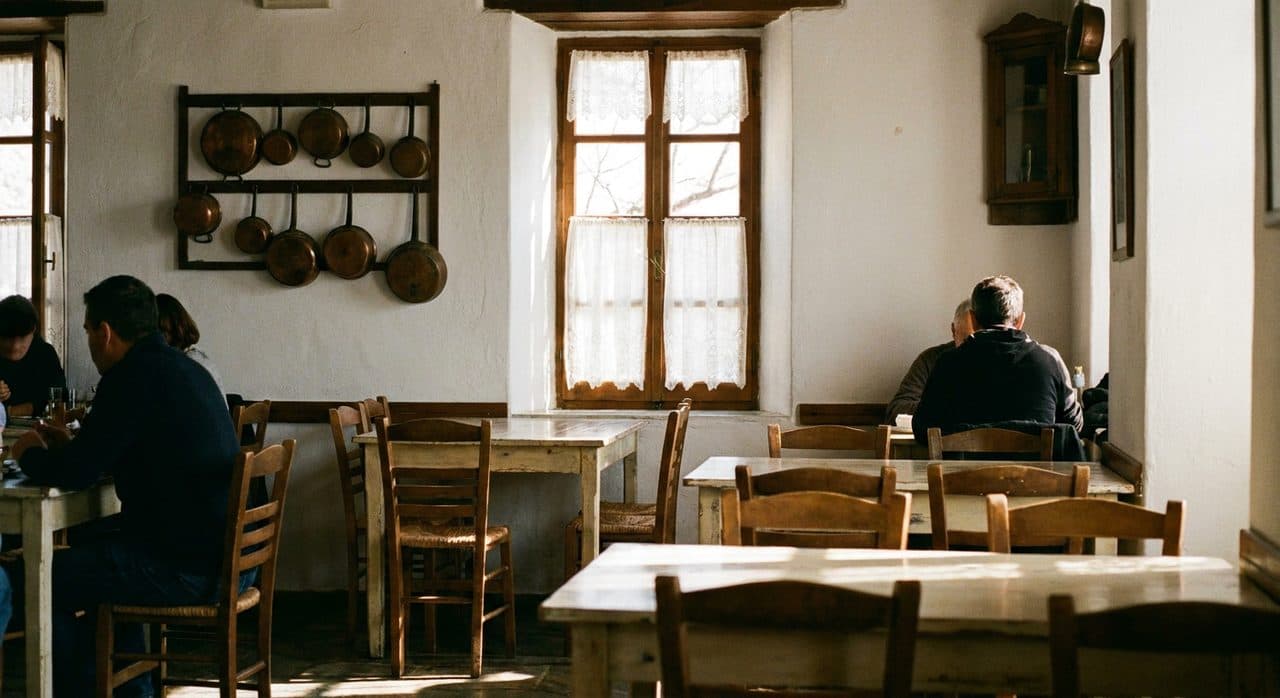
You walk into a taverna in Astoria on a June afternoon and the air smells like charcoal and oregano, the kind that clings to your shirt hours later. Two flat-screens flank the bar—one replaying gymnastics routines, the other counting down to kickoff. The guy next to you is half-watching a beam routine while his friend argues about a midfield sub that hasn't happened yet. Summer 2026 in this neighborhood means the world shrinks to whatever fits on a screen, and the ouzo keeps both conversations alive.
The Corner Where Everyone Knows the Score Before You Do
Walk down 30th Avenue in the late afternoon and you'll hear it before you see it—Greek blaring from open doorways, the clatter of plates, someone shouting about a penalty that should've been called. The tavernas here don't do quiet. They do packed tables, standing-room crowds when a match matters, and bartenders who pour heavy when the tension climbs. You slip in just as the pre-game show starts, claim a stool that's still warm, and suddenly you're part of a conversation you didn't start. The guy to your left is explaining why a certain national team's defense is overrated. The woman behind you is on her phone, reading headlines about an athlete's recovery timeline. Both threads weave together, no one bothering to pick a lane.
Ouzo Rounds and the Ritual of the Second Screen
Order a carafe of ouzo and it arrives cloudy, cold, with a side of ice water that no one touches right away. You pour, the liquid turns milky, and someone at the next table raises a glass without looking. The ritual matters here. Between sips, you glance up—one screen shows a replay of a vault, the other cuts to a stadium filling with fans halfway across the world. The bartender switches the audio feed depending on who's loudest, and right now the soccer crowd has the edge. But during a commercial break, someone turns up the volume on the gymnastics commentary, and for thirty seconds the whole room watches in silence. Then kickoff happens and the decibel level doubles.
The Plate That Arrives When You Didn't Think You Ordered
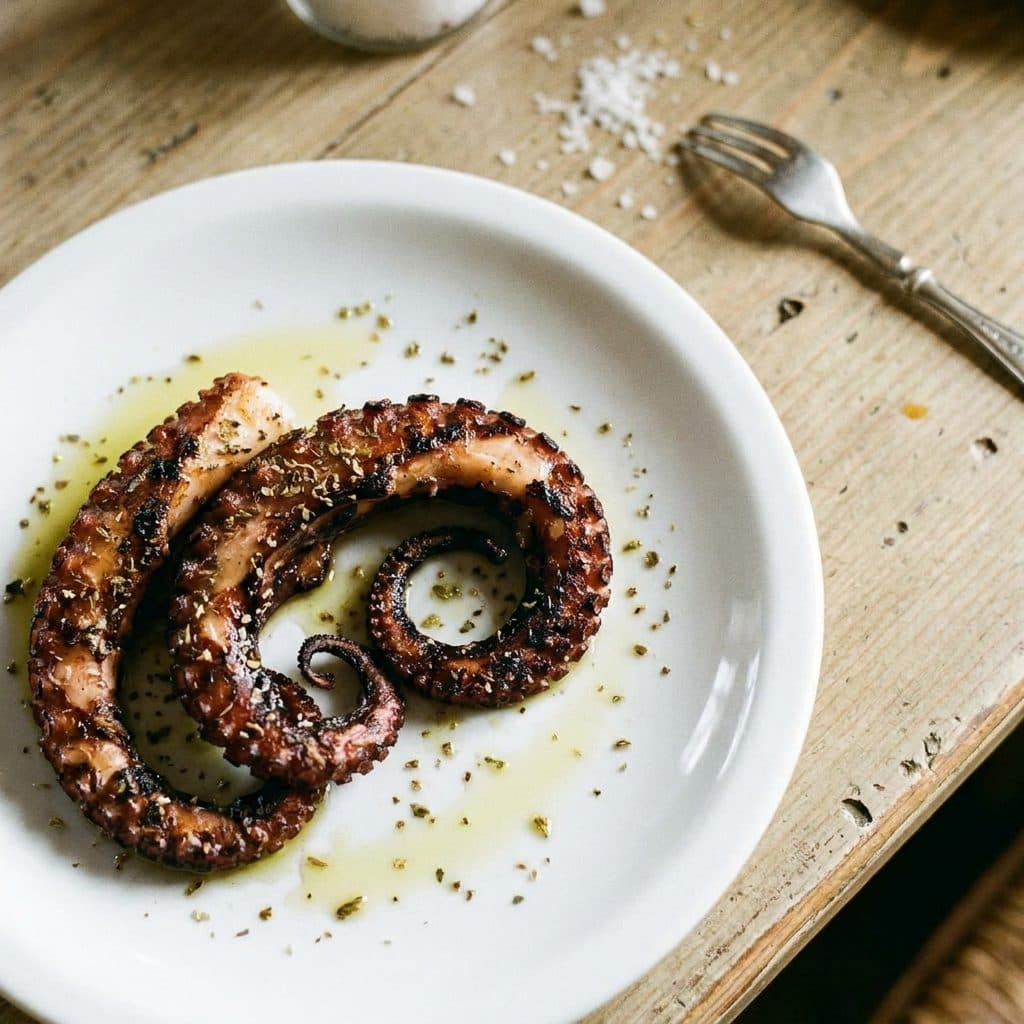
You mention you're hungry and a plate appears—grilled octopus, maybe, or a pile of lamb ribs with lemon and oil pooling underneath. No one asked what you wanted. The kitchen just knows. This is how it works in these spots: the food comes when it comes, and it's always right. You eat with your fingers, wiping oil on a napkin that's too small, and the guy next to you pushes a basket of bread your way without a word. On the screen, a midfielder threads a pass that shouldn't have worked. Someone yells. Someone else groans. You reach for another rib and realize you've been here an hour without checking your phone.
When the Diaspora Shows Up in Waves
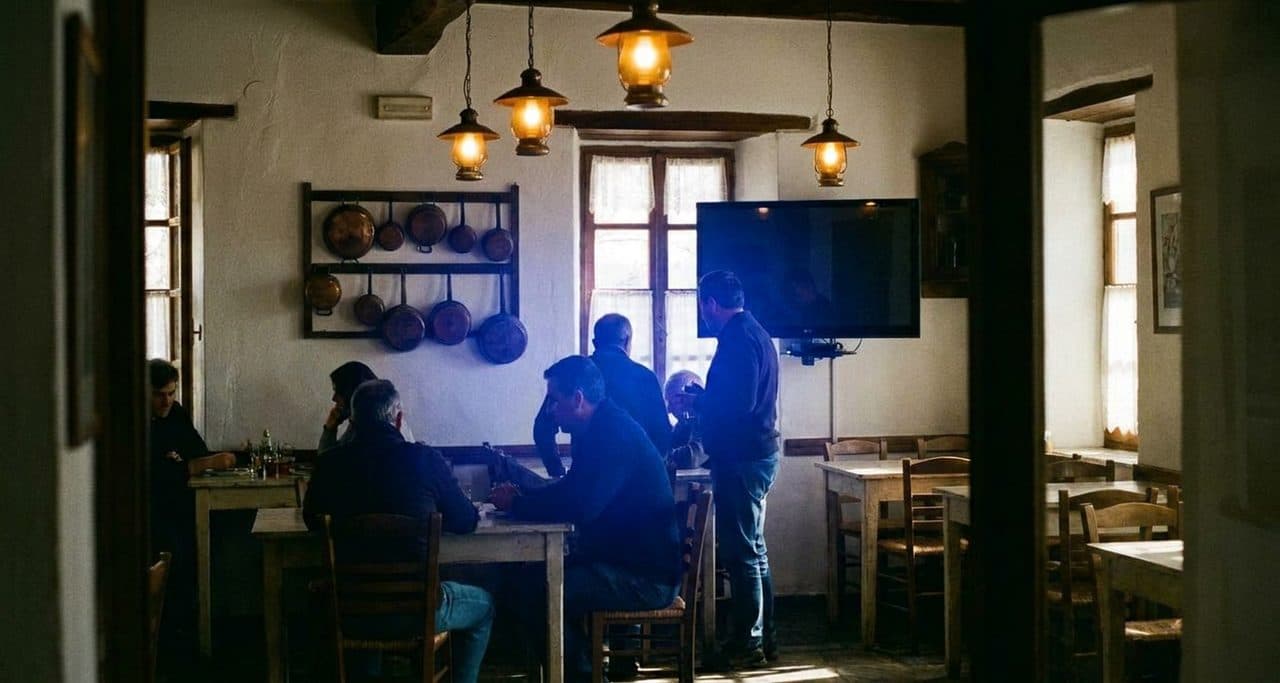
Certain matchups pull certain crowds, and you can tell who's playing by who walks through the door. A group arrives in jerseys, another in street clothes but with the same tense energy. They claim a corner, order a round before sitting, and suddenly the room has two centers of gravity. The regulars—the ones here every week regardless of what's on—nod at the newcomers, make space, keep talking. This is the summer the World Cup lands during peak everything-else, and Astoria absorbs it without flinching. You overhear someone saying they took off work to watch. Someone else mentions a watch party later, after this match, if the result goes a certain way. The planning happens in real time, no group chats, just people talking loud enough to be overheard.
The Halftime Scramble and the Smoke Break Debate
Halftime hits and half the room empties onto the sidewalk. You follow because the air inside has thickened, and outside it's all cigarette smoke and rapid-fire Greek. Someone's watching the other screen through the window, giving updates on a gymnastics final that's apparently close. Someone else is on a call, explaining to a friend where to park. You lean against the brick, still holding your glass, and catch the tail end of an argument about whether a certain athlete's comeback is overhyped or underappreciated. The conversation doesn't resolve. The whistle blows for the second half and everyone floods back in, squeezing past chairs, reclaiming spots that were never really up for grabs.
The Moment When Both Screens Matter Equally
There's a window—maybe ten minutes, maybe less—when both events peak at the same time. A tiebreaker routine on one screen, a penalty kick on the other. The room goes quiet in a way that feels impossible given the crowd. You can hear the espresso machine hissing behind the bar. Someone's fork scraping a plate. Then both things happen at once—a score, a landing, a roar that has no single source. People are clapping and you're not sure which screen they're watching. It doesn't matter. The energy is the same. You feel it in your chest, that shared exhale, and then the noise comes back doubled.
Practical Notes
Most of these tavernas open late morning and run deep into the night, especially during tournament season. You won't need a reservation unless you're bringing a group of eight or more, and even then, calling a day ahead usually works. The subway drops you close enough—get off and walk toward the smell of grilled meat. Parking is a nightmare; don't bother. Expect to pay a few bucks for ouzo, and the food won't break you but it's not corner-slice cheap either. Cash helps, though most places take cards now. If you want a table with a clear view of both screens, arrive before kickoff. If you just want the vibe, arrive whenever. The energy doesn't peak and fade—it just shifts.
Tags: #AstoriaEats #QueensNightlife #WorldCup2026 #GreekTaverna #NYCBars #SoccerCulture #GymnasticsNews #DiasporaVibes #30thAvenue #AstoriaQueens #NYCInsider #SummerInTheCity #MatchDayMadness #KarposFinds #HiddenQueens
Sources consulted: fifa.com · espn.com · timeout.com
Please drink responsibly. Must be of legal drinking age.
All trademarks are the property of their respective owners.