 Haaland Has Seven Goals and Norway Runs Entirely Through Him
⚽️2026 FIFA WORLD CUP
Arancini Shops Hum With Cubs vs Rockies Chatter Before World Cup Screens in North End
Narrow Italian storefronts become pre-match stations where baseball talk and soccer anticipation share the same counter space.
# Arancini Shops Hum With Cubs vs Rockies Chatter Before World Cup Screens in North End
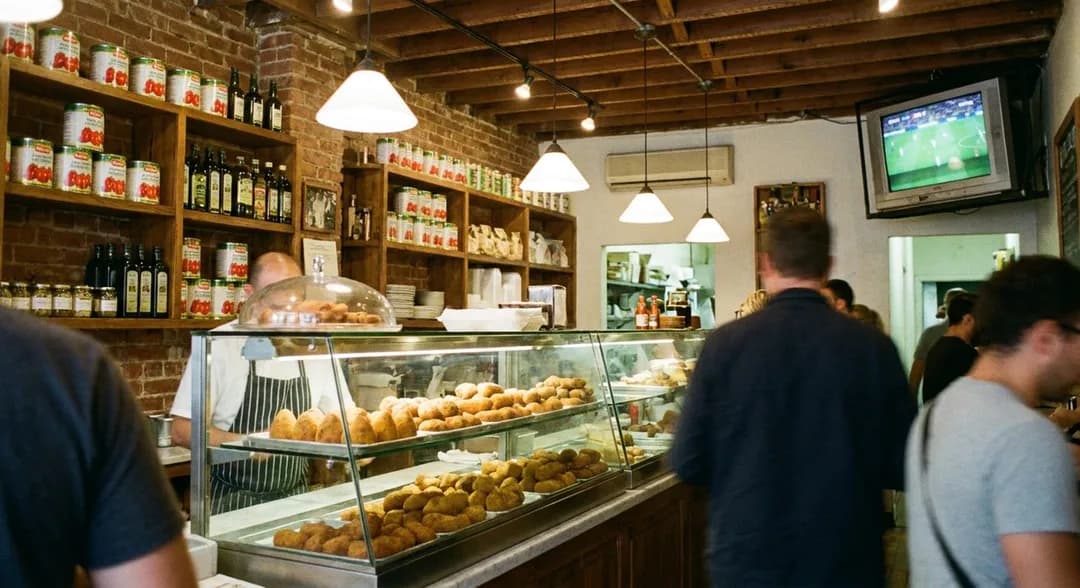
You walk into these narrow Italian storefronts on a match day and the air smells like frying rice and espresso grounds, but the conversation bounces between Wrigley Field and whatever stadium is hosting the World Cup that afternoon. The North End doesn't choose between baseball and soccer—it runs both feeds simultaneously, volume up, while golden arancini drain on paper towels behind smudged glass cases.
The Counter Geography of Dual Allegiances
The shops along Salem and Hanover operate in a rhythm that has nothing to do with lunch rushes. You learn this by watching who stands where. Baseball regulars claim the left side of most counters, close to mounted TVs that never leave NESN during summer months, even when the Sox aren't playing. Soccer crowds drift right, toward smaller screens propped on shelves between canned tomatoes and bottles of Limoncello. During World Cup weeks, the geography shifts. Everyone compresses toward whichever screen carries the match, but the baseball feed stays on, muted, score ticker crawling across the bottom. You hear someone call out a Cubs homer in the third inning while twenty people watch a corner kick resolve in real time. The guy behind the counter doesn't look up from either screen—he's tracking both, hands moving through orders, calling out numbers in Italian and English depending on who's waiting.
What Gets Ordered When Kickoff Approaches
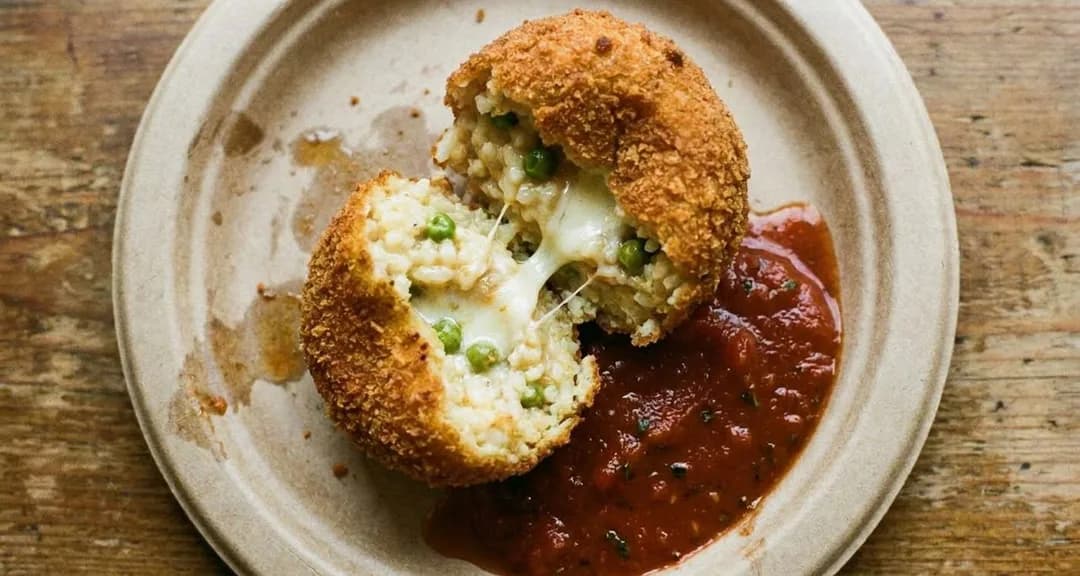
Arancini sales spike ninety minutes before match time. Not the classic ragu-filled spheres—those move steady all day—but the variations that work as handheld meals. You want the spinach and mozzarella if you're staying to watch. The rice holds heat long enough that you're still working through the center when the national anthems finish. Regulars order two, one for each half, and the counterperson wraps the second in foil without asking. You see people tucking them into jacket pockets, still warm, heading toward basement bars three blocks over that don't serve food but tolerate outside provisions if you're drinking. The prosciutto and fontina version shows up more during evening matches—richer, heavier, meant for longer viewing sessions that stretch past sunset when the neighborhood empties of tourists and refills with locals who know which doorways lead to rooms with good screens.
The Basement Bars That Aren't on Maps
Some storefronts have back rooms. You don't find them by searching online—you find them by noticing who disappears through doors marked "Private" or "Staff Only" carrying drinks and paper bags. These spaces hold maybe fifteen people, folding chairs arranged in uneven rows, projection screens rigged to walls that haven't seen paint since the nineties. The audio setup is always better than you expect. Someone's cousin works in sound, someone's nephew installed speakers that actually carry the commentator's voice over crowd noise. You pay a few bucks at the door, cash only, and nobody checks your name against a list because there isn't a list. The temperature runs hot—bodies, espresso machines upstairs, inadequate ventilation—and by halftime everyone's rolled their sleeves up, sharing space with strangers who become temporary allies based on jersey colors. You learn which national teams have deep roots here by watching who fills these rooms. The Italian matches are obvious, but you also see clusters forming around Mexican, Brazilian, and Salvadoran flags taped to walls, entire diasporas condensing into twenty square feet of concrete floor.
The Rhythm of Halftime Refills
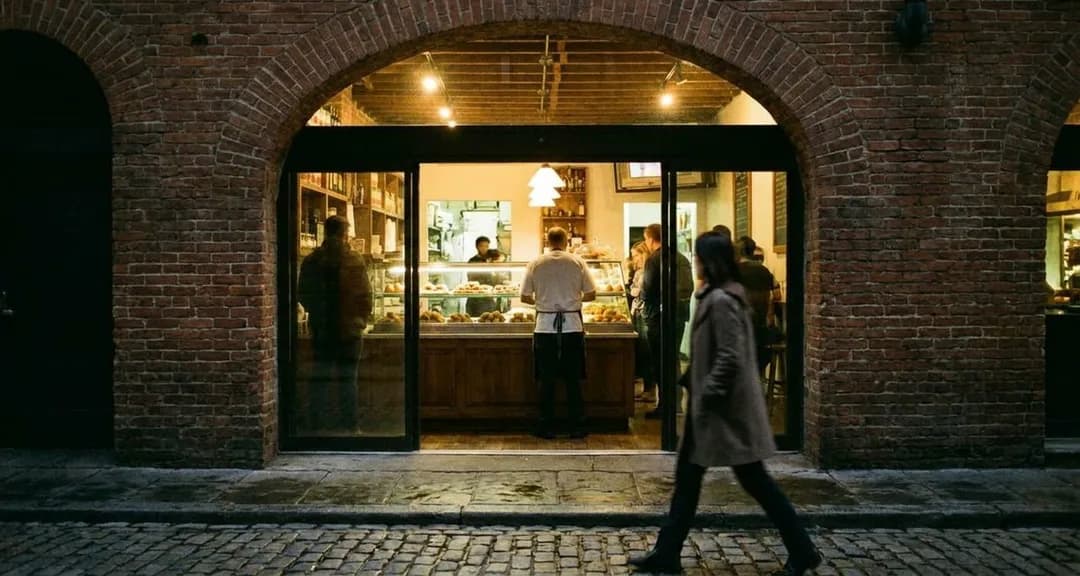
Halftime sends everyone back upstairs. The counter crowd doubles, triples, bodies pressed shoulder to shoulder while orders get shouted over each other. You're not getting table service here—you're getting pointed toward the pastry case and expected to know what you want. Sfogliatelle move fast, the shell shattering into your palm before you've fully unwrapped the wax paper. Espresso comes in those tiny cups that look decorative but deliver more caffeine than anything served in a mug. You drink it standing, often outside, because the shop interior hits capacity and spills onto the sidewalk. This is when the baseball and soccer crowds actually mix. Someone mentions a pitching change, someone else counters with a substitution analysis, and for eight minutes the sports blur together into a single conversation about strategy and momentum and whether the manager knows what he's doing. Then the second half whistle blows from multiple directions—different matches, different feeds, all resuming within seconds of each other—and the sidewalk empties in a reverse flood.
The Light Through Old Windows at Evening Matches
Late-day games bring different energy. The afternoon sun cuts through storefront windows at angles that turn flour dust visible in the air, golden and slow-moving. You notice it most in the quieter shops, the ones without crowds, where a single screen plays to an audience of three or four. These places feel more like someone's kitchen than a business. The person working the counter might be watching the match themselves, only breaking attention when the door opens. You order, you wait, you watch the screen together without speaking. The arancini come out hotter here—smaller batches, fried to order, the rice still loose enough that you taste individual grains. By the time evening matches hit their stride, the neighborhood's tourist foot traffic has thinned. You get longer stretches of uninterrupted viewing, the kind where you actually follow tactical adjustments instead of just tracking the score.
When Extra Time Pushes Into Dinner Service
Knockout rounds create chaos. Matches that go to extra time collide with dinner prep, and suddenly the same counter space needs to serve people ordering takeout pasta and people who've been standing there since regulation started. The kitchen doesn't stop—you hear pans clanging, timers beeping, voices calling out modifications in Italian—but the pace changes. Orders take longer. Nobody complains because everyone's watching the same screen, and if a goal happens during your wait, the delay feels justified. You see families picking up food for home, kids in jerseys, parents checking phones for updates on other matches. The arancini case gets restocked in waves, fresh batches appearing just as the previous round sells out. Some shops prop their doors open to vent heat, and the smell of frying oil drifts down entire blocks, mixing with exhaust from delivery scooters and the yeasty warmth of bakeries closing up for the night.
Practical Notes
Most of these storefronts operate on neighborhood time—late morning through evening, with flexible breaks that depend on family schedules and match timing. Getting there an hour before kickoff gives you better positioning and food options. The T's Green and Orange lines both put you within walking distance; Haymarket Station drops you closest to the densest cluster of shops. Street parking is mythical during match days—use the garage off Commercial Street or accept the walk from North Station. Cash still dominates here, though card readers have appeared in recent years. If you're planning to watch in a back room, arrive with small bills and don't expect receipts. The arancini pricing stays reasonable—you're not paying downtown rates, more like what you'd spend at a neighborhood pizza counter. Weekday matches draw smaller crowds than weekend fixtures, if you prefer space to breathe.
Tags: #NorthEndBoston #AranciniCulture #WorldCupViewing #BostonItalian #HiddenSportsBar #SoccerAndBaseball #FIFAWorldCup2026 #HanoverStreet #LocalsOnly #DiasporaGathering #BostonEats #MatchDayRituals #ItalianAmerican #PreMatchRitual #BostonNeighborhoods
Sources consulted: fifa.com · espn.com · timeout.com
All trademarks are the property of their respective owners.
Ask Karpo for more information.
Keep reading
- Haaland Has Seven Goals and Norway Runs Entirely Through Him
 World Cup Trophy Ceremony Timing Medals and Postmatch Celebrations
 Olise and France's Attack: The Semifinal Tactical Question