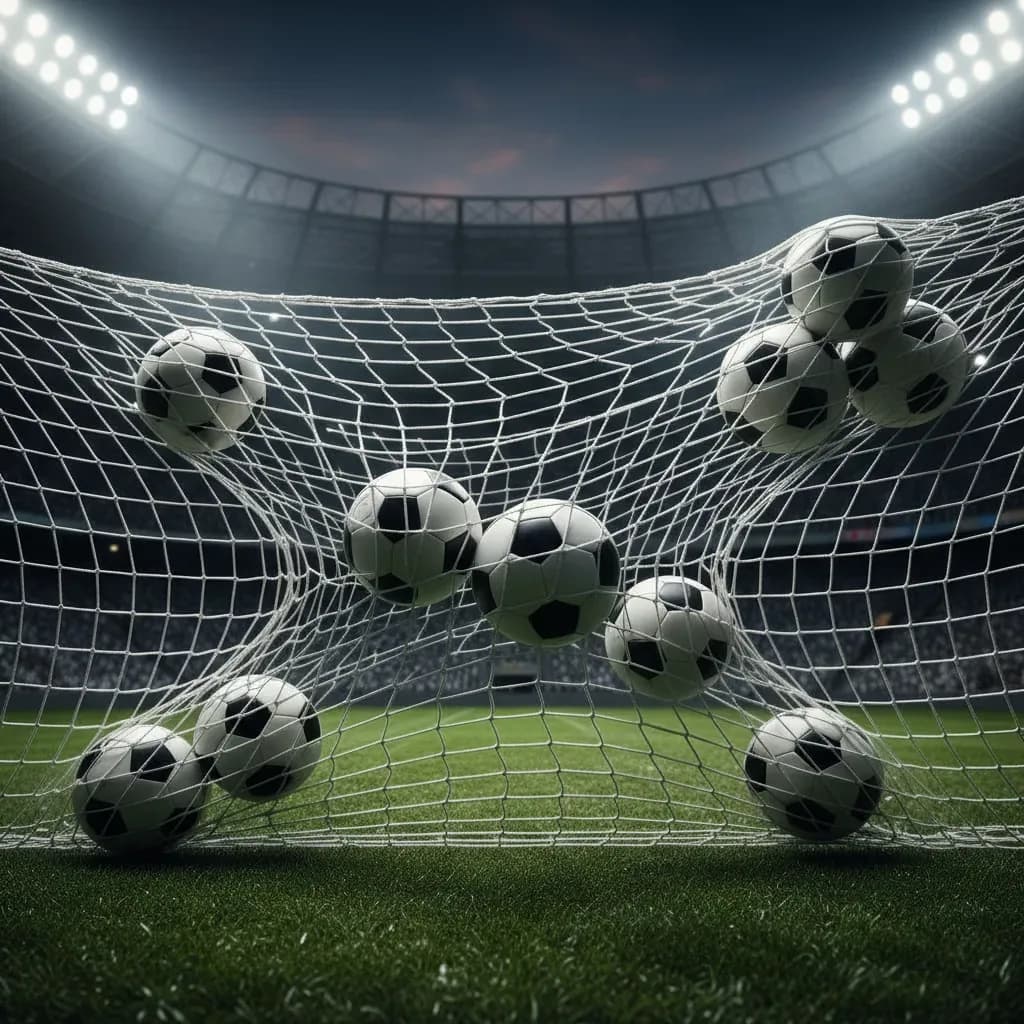
 Haaland Has Seven Goals and Norway Runs Entirely Through Him
⚽️2026 FIFA WORLD CUP
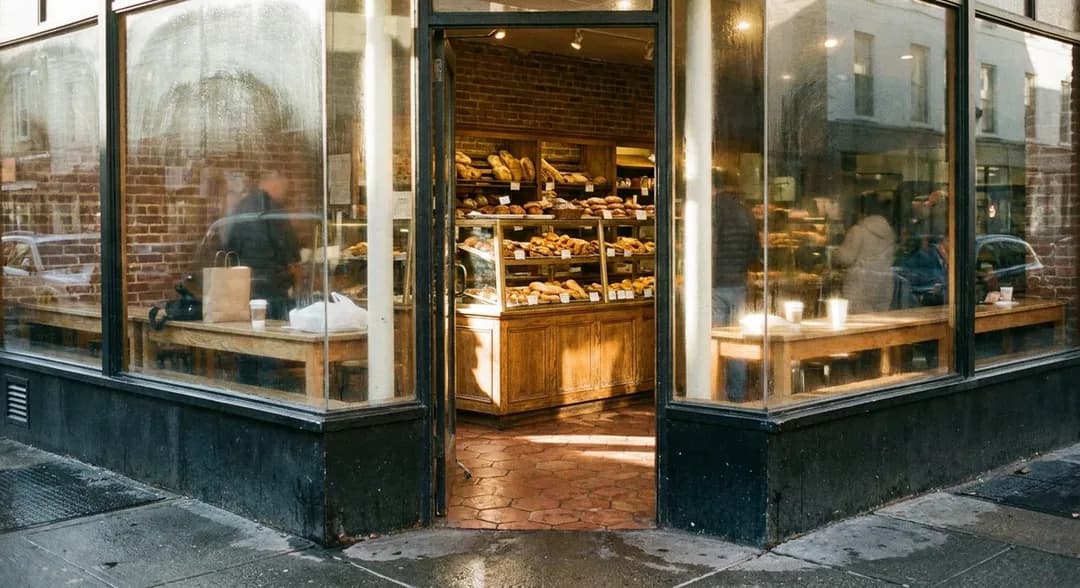
Allston Bakery Where Norway vs Morocco Draws Two Diasporas at Dawn
A dawn kickoff pulls Norwegian and Moroccan regulars to a pastry counter that becomes a bilingual breakfast ceasefire zone.
You slip into the bakery just past six in the morning and the air smells like butter and cardamom and something darker, almost burnt-sugar sweet. Two televisions flicker above the pastry case—one tuned to a Norwegian broadcast, the other to an Arabic channel—and the crowd gathered around the small tables speaks in a low, anticipatory hum that feels more like a library than a sports bar. This is where Allston's Norwegian and Moroccan communities converge during early World Cup kickoffs, turning a modest bakery counter into an improbable ceasefire zone where almond horns and msemen share the same tray.
The Counter That Holds Two Breakfasts
The pastry case runs the length of the narrow shop, and by the time you arrive, it's already half-depleted. On the left side, you'll find cardamom buns with pearl sugar crusts and a dense, yellow cake called bløtkake that the Norwegian regulars order by the slice. On the right, the Moroccan side of the case holds honeyed chebakia twisted into rosettes and batbout flatbreads still warm enough to steam when you tear them open. The staff behind the counter moves between both worlds without commentary, wrapping orders in wax paper and calling out names in three languages. You notice the way they pour mint tea into clear glasses for some customers and strong coffee into ceramic mugs for others, each gesture automatic and unremarked-upon. The register sits exactly in the middle, a neutral zone where transactions happen in English and nods.
What the Regulars Wear and Where They Sit
The Moroccan contingent tends to claim the tables nearest the window, where the early light cuts through and catches the red jerseys some of them wear under winter coats. You hear Darija mixed with French, and someone's phone plays a pre-match analysis show at low volume. The Norwegian group clusters toward the back, near the second television, and their aesthetic runs more muted—navy scarves, wool sweaters, the occasional flag pin on a jacket lapel. There's a quiet formality to how they greet each other, handshakes and half-hugs, while the Moroccan tables tend toward louder arrivals, voices overlapping in greeting. But as kickoff approaches, both groups settle into a similar stillness, eyes lifting toward their respective screens, hands wrapped around cups. You realize the real divide isn't national—it's between those who've ordered food to eat now and those who've bought extra pastries in paper bags, insurance against a tense second half.
The Smell of the Kitchen Before Kickoff
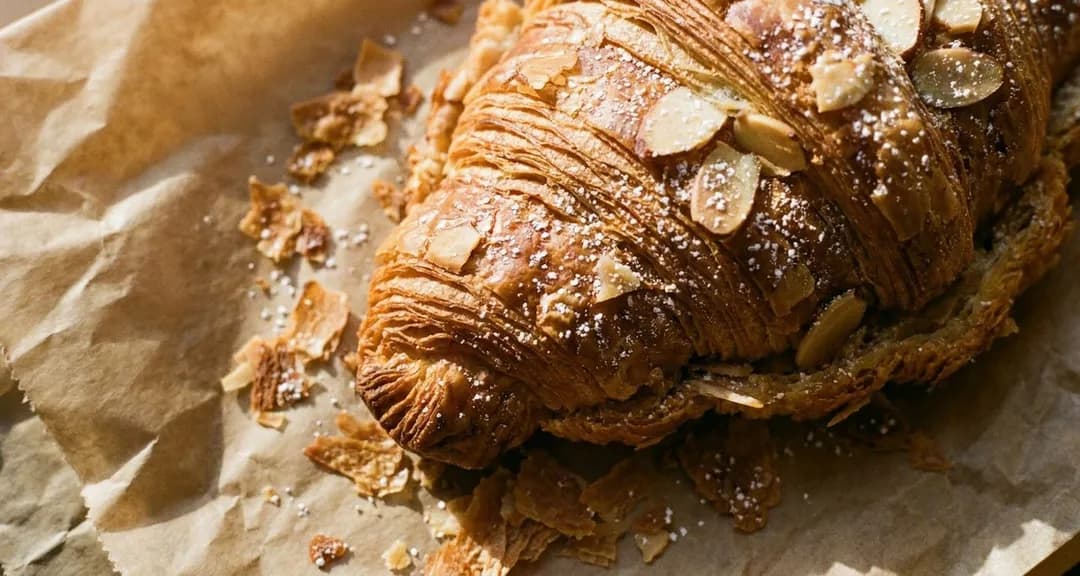
Around six-fifteen, the back kitchen door swings open and a wave of heat rolls out, carrying the scent of something yeasty and just-baked. You catch a glimpse of sheet pans and a mixer still running, the rhythm of production continuing even as the front-of-house staff watches the match in stolen glances. The smell is layered—there's the obvious butter and sugar, but underneath it you pick up orange blossom water and a faint smokiness that might be from the flatbread griddle or the way the ovens run hot and close together. Someone near you orders a croissant and the staff member pulls it from a basket with tongs, the pastry still faintly warm and leaving a small grease mark on the wax paper. The kitchen noise—metal on metal, a timer beeping, a low conversation in what might be Darija—provides a steady counterpoint to the television commentary, and you understand that this place doesn't pause for the match. It absorbs it.
How the Room Changes When Someone Scores
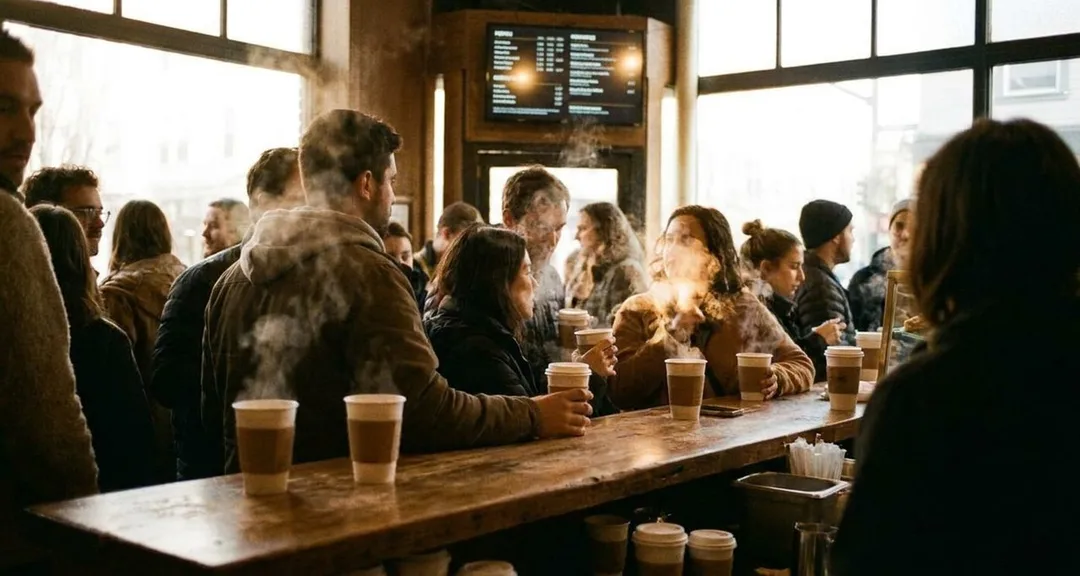
The first goal comes seventeen minutes in, and the reaction splits the room like a fault line. Half the bakery erupts—chairs scraping, hands in the air, a shout that's more release than celebration. The other half goes silent, a collective held breath, and you watch as someone sets down their coffee cup with deliberate care. For about thirty seconds, the two groups exist in separate emotional weather systems. Then the Norwegian television cuts to a replay and someone from the Moroccan side leans over to watch it on the other screen, comparing angles. A conversation starts—hesitant at first, then more animated—about the offside call that wasn't made. You notice the staff behind the counter hasn't looked up from wrapping a sandwich. They've seen this play out dozens of times, the way rival crowds become a single room of people who care too much about a game happening thousands of miles away. By the time play resumes, someone's pushed two tables together and the screens have become communal property.
The Pastries That Cross Borders
Midway through the first half, you watch a Norwegian regular order a Moroccan almond brioche and a Moroccan customer point to the cardamom buns, asking a question in French-inflected English. The staff nods, pulls two from the case, and the transaction happens without ceremony. This is the bakery's quiet genius—it doesn't make a show of fusion or cultural exchange. It simply puts everything in the same case and lets people choose. You try both and understand the appeal: the cardamom bun is aggressively spiced, almost savory in its intensity, while the almond brioche dissolves into honey-soaked sweetness that coats your teeth. They shouldn't work as a pairing, but in the context of this room, with the match playing out above you and the smell of mint tea drifting from the next table, they make perfect sense. You notice several people have ordered one of each, hedging their bets or maybe just acknowledging that at six-thirty in the morning, you're allowed to want two kinds of sweetness at once.
The Light and Sound at Halftime
When the whistle blows for halftime, the room exhales and the morning light has shifted, coming in at a sharper angle that turns the front tables into bright islands. People stand, stretch, form a line at the counter for refills and second rounds of pastries. The televisions cut to studio analysis and the volume drops, replaced by the sound of conversations resuming in earnest. You hear Norwegian and Arabic and English, sometimes all three in the same exchange, and the staff moves faster now, knowing they have fifteen minutes to serve everyone before the second half pulls attention back to the screens. Someone props the front door open and cold air rushes in, cutting through the bakery warmth. You watch as a latecomer enters, scanning the room to figure out which crowd is which, then chooses a seat in the middle. The bakery doesn't force allegiance. It just asks that you order something and find a place to stand.
Practical Notes
The bakery opens early on match days—well before dawn for games kicking off in distant time zones—and you'll want to arrive at least twenty minutes before kickoff to claim a seat. It's located in the heart of Allston, walkable from the Green Line and surrounded by the neighborhood's mix of student housing and long-time immigrant communities. Expect to spend a few dollars on pastries and drinks, and know that seating is first-come, limited, and communal. Cash is easier but cards work. The place fills fast for marquee matchups, and the staff won't hold tables, so if you're coming with a group, arrive together. Parking in Allston is its own sport—side streets are your best bet, or just take the T and walk. The bakery keeps pastries coming throughout the match, so you can order in waves rather than loading up at once.
Tags: #WorldCup2026 #AllstonBoston #BostonBakery #DiasporaFood #NorwegianFood #MoroccanFood #BostonBreakfast #SoccerCulture #FIFAWorldCup #BostonEats #EarlyMorningBoston #ImmigrantBoston #PastryCounter #WorldCupBoston #AllstonVillage
Sources consulted: fifa.com · espn.com · timeout.com
All trademarks are the property of their respective owners.
Ask Karpo for more information.
Keep reading
- Haaland Has Seven Goals and Norway Runs Entirely Through Him
 World Cup Trophy Ceremony Timing Medals and Postmatch Celebrations
 Olise and France's Attack: The Semifinal Tactical Question