 Haaland Has Seven Goals and Norway Runs Entirely Through Him
⚽️2026 FIFA WORLD CUP
Albania's World Cup Energy in the Bronx: The Red-and-Black Flags That Fly on Arthur Avenue's Other Block
Beyond Little Italy's beloved trattorias, discover how the Bronx's Albanian community transforms into a passionate World Cup hub, celebrating heritage with every goal.
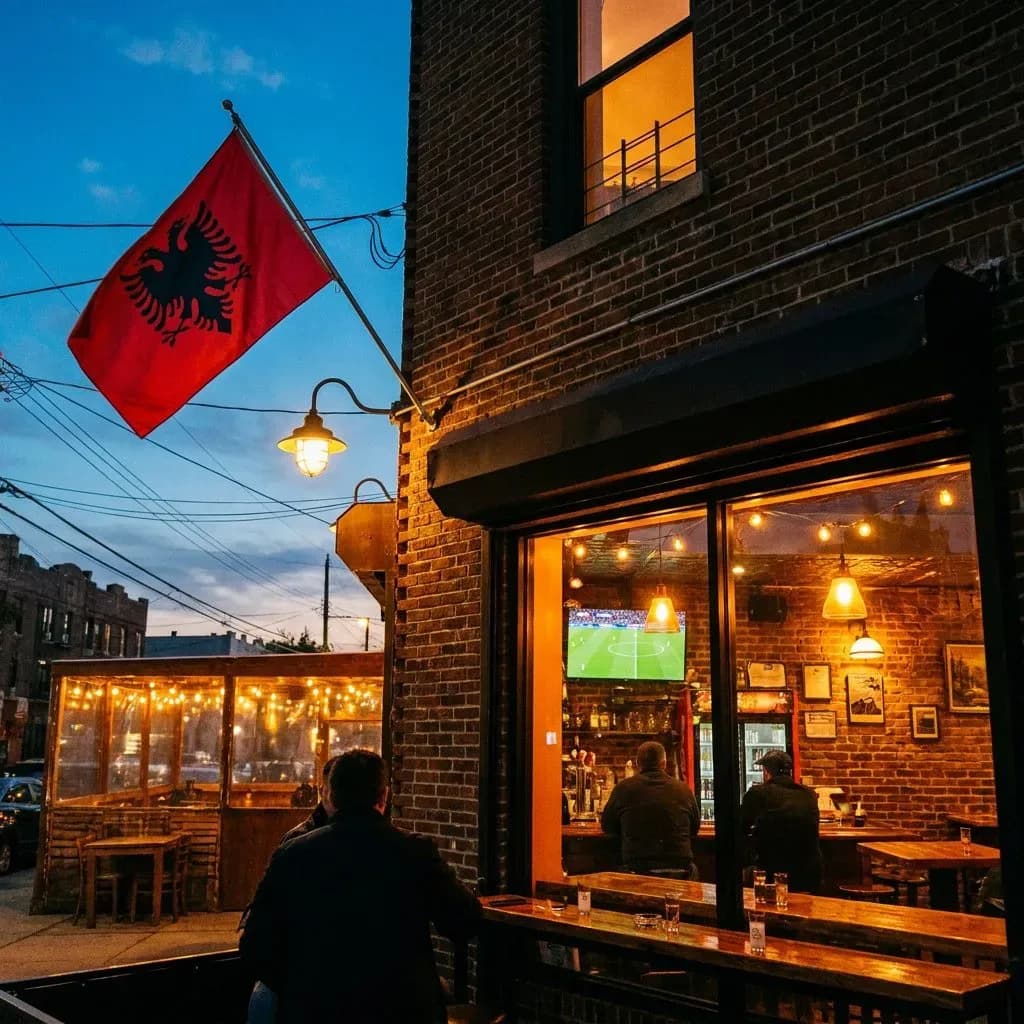
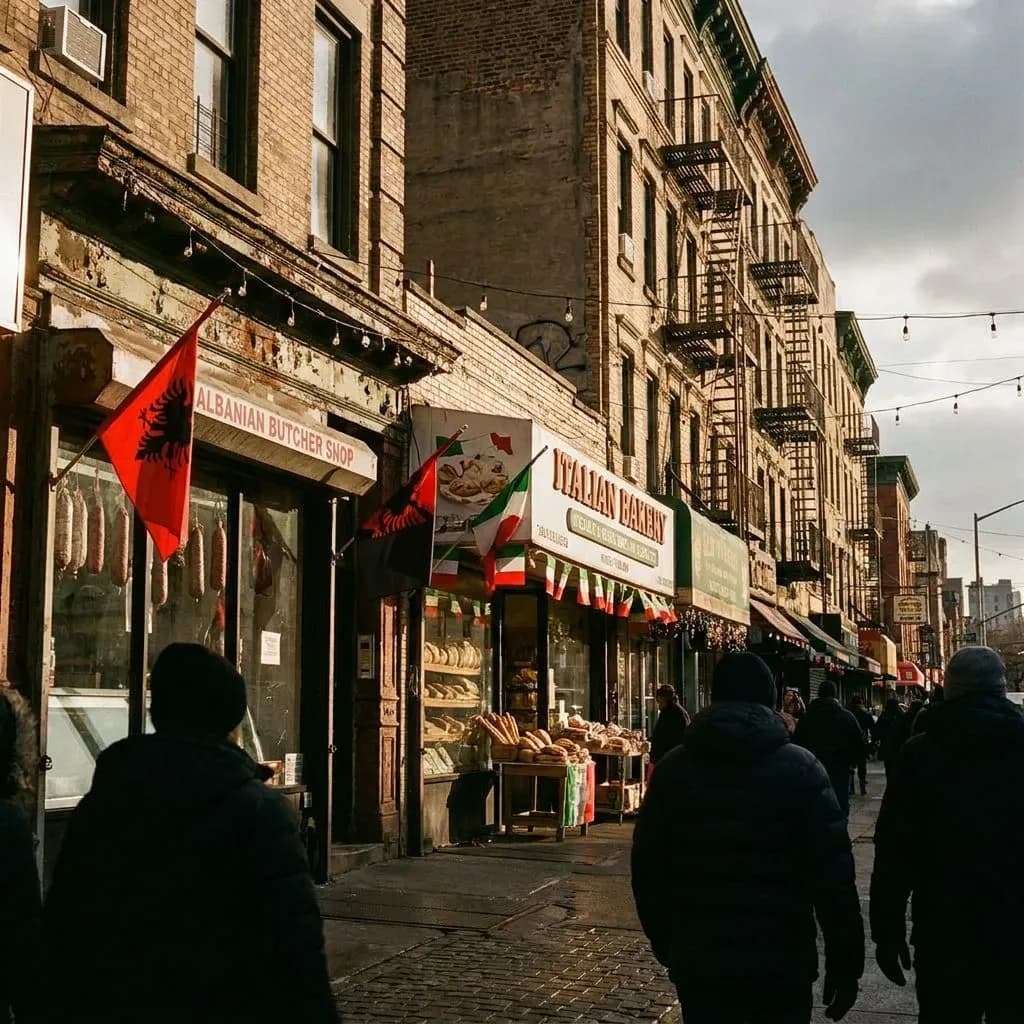
The World Cup buzz is palpable, and in New York City, it’s not just the usual suspects generating the noise. On Arthur Avenue, the legendary "Little Italy" of the Bronx, a different kind of red-and-black flag is flying, signaling a vibrant and often overlooked corner of the global football phenomenon. While the aroma of simmering marinara and fresh-baked bread still hangs heavy in the air, glance just a block or two away, and the double-headed eagle of Albania proudly declares allegiance. This World Cup, the energy spilling from Albanian enclaves surrounding Arthur Avenue is a testament to football's power to unite and ignite, transforming quiet side streets into a pulsating heart of national pride.
Arthur Avenue's Albanian Pulse: A Corner of Lydig Avenue
Venture north from the bustling main drag of Arthur Avenue, past the historic Arthur Avenue Retail Market, and the landscape subtly shifts. On Lydig Avenue, particularly between White Plains Road and Barnes Avenue, the Italian tricolores that dominate directly on Arthur Avenue begin to cede ground to their Albanian counterparts. Here, the World Cup viewing experience is less about polished sports bars and more about community hubs – the neighborhood social clubs and unpretentious cafes that serve as the bedrock of Bronx Albanian life. On match day, the air here thrums with anticipation hours before kickoff. The scent of strong espresso mingles with the occasional waft of *qofte* (Albanian meatballs) from nearby eateries. Large-screen TVs, often slightly askew, are visible through the plate glass windows of establishments like the non-descript social club on Lydig near Holland Avenue. Inside, the decor is minimal: sturdy tables, perhaps a framed picture of Scanderbeg, and rows of chairs all facing the glowing screen. The crowd is a mix of generations – stoic older men nursing small cups of coffee, younger families with children clutching mini Albanian flags, and boisterous groups of friends, their voices already growing louder as pre-match analysis plays out in Albanian. The soundscape is distinctly European, a cacophony of Albanian dialogue punctuated by the low rumble of traffic and the occasional insistent honk from a passing car.
Belmont's Contrasting Roar: East 187th Street's Hidden Gems
Just a short walk southwest, back towards the heart of Belmont, and slightly off the primary tourist path, East 187th Street offers a contrasting, yet equally fervent, World Cup atmosphere. While Arthur Avenue itself caters largely to Italian-American heritage, streets like East 187th, particularly west of Arthur, reveal a more diverse tapestry. Here, the Albanian presence, though less outwardly dominant than on Lydig, is deeply woven into the fabric of the community. Viewing parties often take shape in the backrooms of bakeries or the intimate settings of family-run restaurants that line this street. Think of the modest, unassuming places where the *byrek* is flaky and the *raki* flows freely. These venues are less about public spectacle and more about shared intimacy. The lighting is often softer, the conversations more hushed until a critical play ignites a sudden burst of shouts. The warmth of freshly baked goods often perfumes the air, a comforting counterpoint to the rising tension of the match. While the Lydig Avenue spots are about collective exuberance, the East 187th Street gatherings offer a more familial, almost conspiratorial, viewing experience, where every nod and shared glance speaks volumes. The walls might be adorned with faded photographs, and the clinking of ceramic cups against saucers forms a rhythmic backdrop to the commentators' voices.
What Match Day Actually Looks Like
From the moment the World Cup anthem blares, the streets around Lydig Avenue and East 187th Street transform. Hours before kickoff, the red and black flags are already fluttering from car windows, apartment balconies, and storefronts. Small groups gather outside cafes, discussing lineups and strategies with animated gestures. As kickoff approaches, the energy becomes almost electric. Inside the social clubs and informal viewing spots, every seat is taken. The air crackles with anticipation, a mix of nervous energy and unbridled hope. When the teams walk out, a roar erupts, escalating as the Albanian national anthem plays, many viewers placing hands over hearts, singing along with fervent pride. The first whistle is met with a collective gasp, then a settling into the rhythm of the game. Every pass, tackle, and shot on goal elicits an audible reaction – a collective groan for a missed opportunity, a sharp intake of breath for a near-miss, a frustrated shout at a referee’s call. Goals, whether for or against, are seismic events. A goal for Albania triggers an explosion of joy – chairs might literally fly, drinks are spilled, strangers embrace, and chants of "Kuq e Zi!" (Red and Black!) reverberate through the establishment and spill out onto the street. If the opposing team scores, a heavy, almost mournful silence descends, punctuated by frustrated sighs and muttered curses, quickly followed by renewed shouts of encouragement to rally the team.
The Halftime Ritual
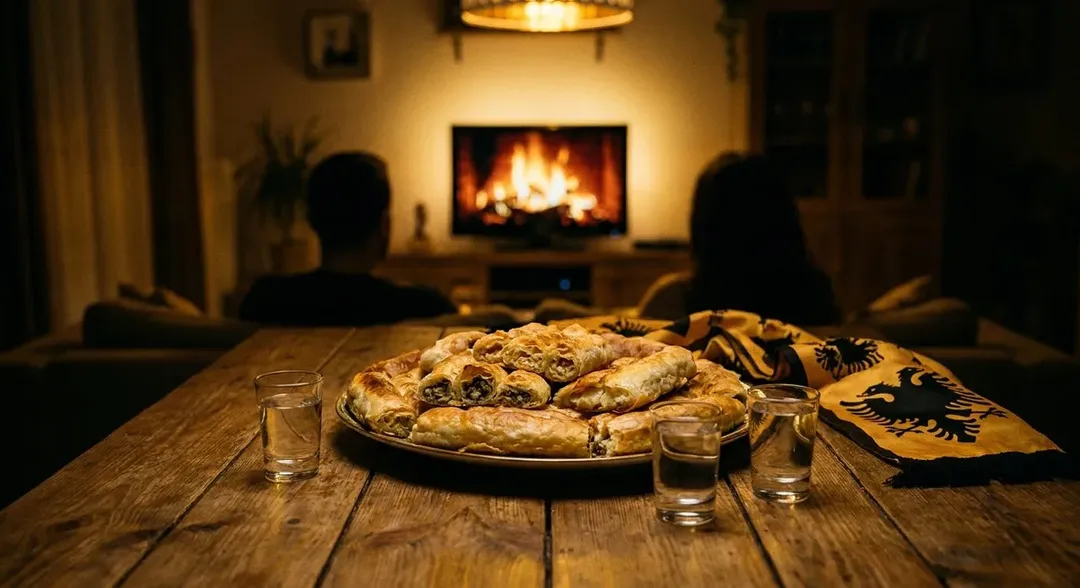
Halftime is a brief, but essential, interlude. In the Lydig Avenue establishments, it’s a flurry of activity. People stretch their legs, step outside for a quick cigarette or a breath of fresh air, and, crucially, replenish their drinks. Espresso machines whir into action, pouring strong, dark coffee into small cups. For those wanting something more substantial, small plates of *byrek me mish* (meat pie) or *pite me gjize* (cheese pie) often appear, quickly devoured. Conversations shift from match analysis to quick updates on family and community news, a brief return to the everyday before the second half demands full attention once again. In the more intimate settings on East 187th Street, halftime might involve a more elaborate spread of homemade delicacies – platters of olives, feta cheese, and fresh bread, perhaps even a shot of potent *raki* to steady the nerves. The atmosphere remains convivial, but with an underlying hum of anticipation for the restart. It’s a moment to reconnect, refuel, and regroup, preparing for the emotional rollercoaster that the second half inevitably brings.
After the Final Whistle
The final whistle brings either unbridled euphoria or deep commiseration. If Albania has won, the celebrations are spontaneous and raucous. Horns blare from cars driving down Lydig Avenue, flags wave wildly from windows, and the chants of "Albania!" grow louder, spilling out onto the sidewalks. Fireworks might even light up the night sky in the distance. Strangers high-five, dance in the streets, and the celebratory atmosphere can last for hours, sometimes extending late into the night. The cafes and social clubs transform into impromptu party venues, the sense of collective triumph almost tangible. However, should the result be a loss or a draw that feels like a defeat, a palpable sadness descends. The crowd disperses more slowly, conversations are quieter, and faces reflect disappointment. There's still a sense of shared experience, a quiet understanding of the collective heartbreak, but the vibrant energy of pre-match anticipation gives way to a subdued, almost reflective mood. Yet, even in defeat, there's often a shared sentiment of pride in the team’s effort, a quiet resolve to cheer them on in the next match.
Practical Notes for Visitors
Transit: The easiest way to reach this area is via the New York City subway. Take the 2 or 5 train to the Pelham Parkway station. From there, it’s a brisk 10-15 minute walk south along White Plains Road to Lydig Avenue, or a short bus ride on the Bx12 or BxM10. Alternatively, take the B or D train to Fordham Road and transfer to a local bus heading east, such as the Bx9 or Bx12.
Timing: For the best and most immersive experience, aim to arrive at least 90 minutes before kickoff. This allows time to soak in the pre-match atmosphere, find a good viewing spot (which can be competitive), and grab a coffee or a bite before the main event. The energy builds steadily and you don't want to miss the anthems.
Etiquette: Embrace the passion! While the atmosphere is fervent, it's generally friendly. Be respectful of the space, especially in smaller establishments. It’s common practice to order a drink or food from the venue if you’re occupying a seat for an extended period. Don't be afraid to strike up a conversation; most locals are eager to share their enthusiasm.
Unique Tip: Keep an eye out for the small, independent bakeries on East 187th Street and Lydig Avenue. Many of them sell freshly baked *byrek* throughout the day, which are perfect for snacking during the match or taking home. The aroma alone is worth the discovery.
Tags: #FIFAWorldCup2026 #Albanianationalteam #ArthurAvenuearea #NewYorkCity #WorldCupNYC #WorldCupWatch #WorldCupFans #FanCulture #WorldCupBracket #MatchDay #SoccerCulture #WorldCupStandings #LocalSportsBar #DiasporaCulture #WorldCupViewing
Sources consulted: fifa.com · timeout.com · espn.com · gothamist.com
All trademarks are the property of their respective owners.
Ask Karpo first
Want to know which Arthur Avenue block flies the Albanian eagle on match day, where to find the best byrek before kickoff, and whether the Albanian and Italian communities share viewing space? Ask Karpo for the Bronx Albanian fan guide, byrek-and-raki recommendations, and match-day intel around Arthur Avenue.
Ask Karpo for more information.
Keep reading
- Haaland Has Seven Goals and Norway Runs Entirely Through Him
 World Cup Trophy Ceremony Timing Medals and Postmatch Celebrations
 Olise and France's Attack: The Semifinal Tactical Question