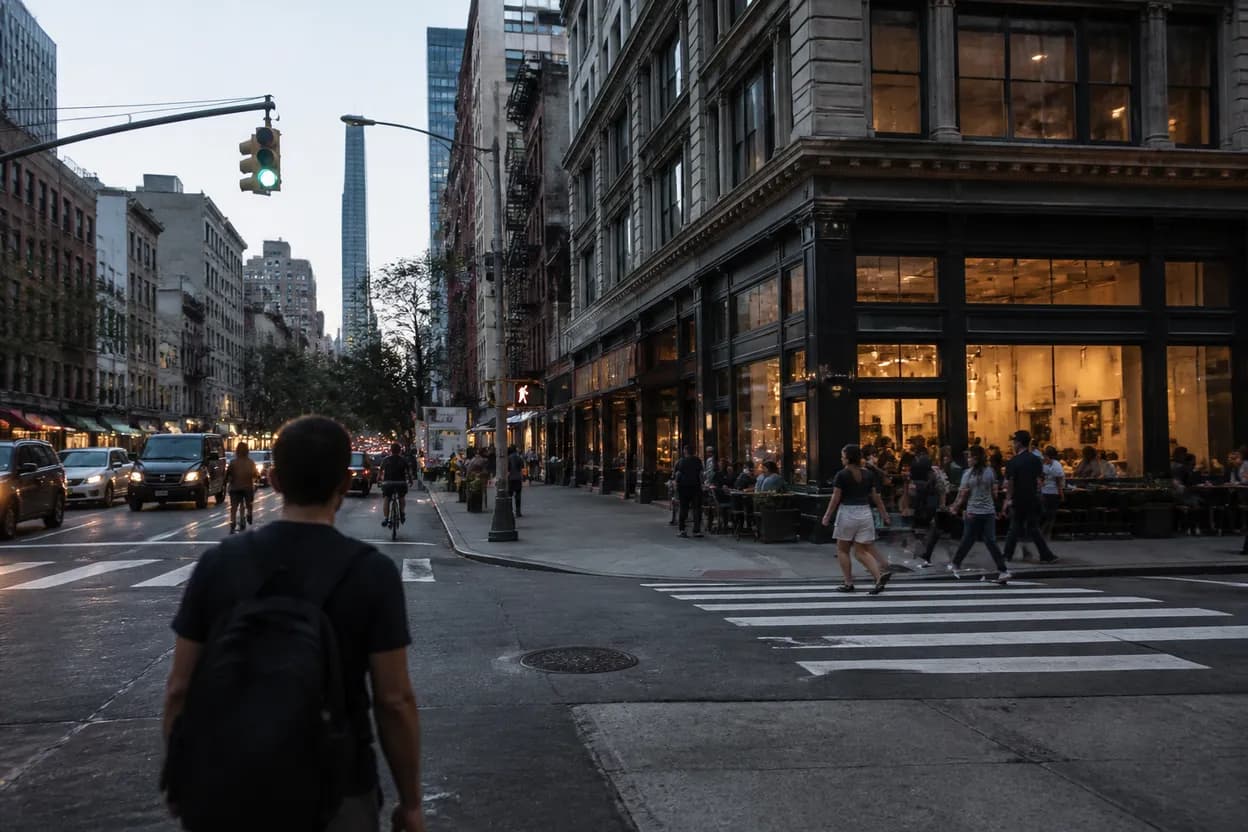
The search spike around zohran mamdani is a useful reminder of how quickly NYC attention can crowd a neighborhood, a restaurant row, or a food hall, even when there is no confirmed appearance to chase. Treat the name as a dinner conversation hook, not as evidence of an event, endorsement, reservation window, or insider access. NYC’s official tourism restaurant directory describes a citywide food scene with local fare and global flavors across every borough, and that breadth is the advantage: you do not need one hyped address to eat well. The practical move is to choose a public, verifiable place, check the latest venue information before leaving, and keep a nearby second choice ready if the first stop turns into a line.
Want a faster pre-dinner check without chasing rumors? Text Karpo with the neighborhood, group size, access needs, and preferred cuisine, and ask for a verified first stop plus a backup.

Use the trend as a dinner conversation hook
A timely phrase like zohran mamdani can get people talking, but it should not drive the whole night. In NYC, public attention moves faster than restaurant operations. A name in the news does not mean a restaurant appearance, a neighborhood stop, a special menu, or a public event. Build the plan around what you can verify: the venue’s own information, its neighborhood, its accessibility notes if posted, and whether the group can comfortably pivot.
Start by asking what the group actually wants from the meal. Is this a quick counter-service stop, a sit-down room, a market stroll, or a place that works for mixed dietary needs? NYC Tourism’s restaurant directory is organized with filters such as borough, neighborhood, accessibility, dietary needs, and cuisine. That structure is more useful than rumor because it forces a real-world decision: where are you going, who can get there, and what will work if the first choice is too busy?
Keep the conversation hook light. If someone brings up politics, a campaign, or a viral clip, let it be the table talk, not the itinerary. The executable plan is simpler: one primary venue, one nearby backup, a latest-before-leaving hours check, and a transit check from the group’s actual starting point.
Choose the room before choosing the menu
NYC has plenty of food choices, but the room matters as much as the dish. A tight, reservation-driven restaurant is different from a casual all-day eatery, a bar-and-grill setting, or a market-style stop where people can split up and reconvene. The official NYC tourism listings show that the city’s restaurant landscape includes everything from Soho New American cooking at The Dutch to seafood at The Fulton in the Seaport, Italian dining in Midtown East, and Pan-Asian and southeast Asian dishes in Forest Hills. Those examples point to the real planning question: which room fits tonight?
For a group that is undecided or likely to arrive in waves, avoid making the most fragile plan your first plan. A venue that requires everyone to be present, seated, and ready at the same time can be stressful if trains, weather, or work schedules interfere. A market, hall, or casual restaurant can reduce pressure, but only if current vendor hours and seating conditions are checked directly before departure.
If access is part of the decision, do not assume. NYC Tourism’s directory includes an accessibility filter, which is a starting point, not a substitute for checking the venue’s current details. Elevators, entrances, restrooms, seating layouts, and crowding can change the experience. Call or consult the venue’s official page when the answer matters.
Match the market or hall to the group
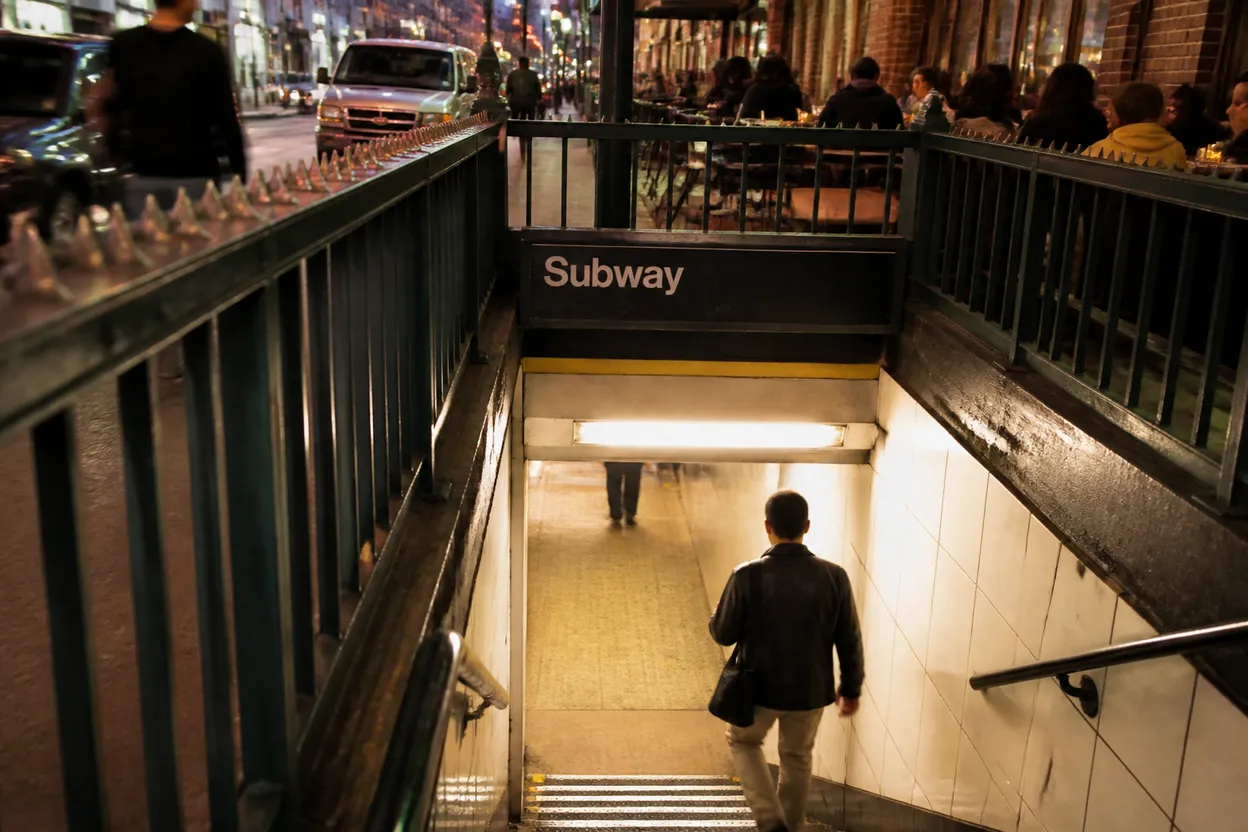
Markets and food halls work best when the group has different tastes, uneven arrival times, or limited patience for a formal meal. They are less ideal when the group needs guaranteed seating together, quiet conversation, or a single kitchen that can answer detailed dietary questions. Before choosing one, decide whether the priority is variety, speed, seating, accessibility, or a specific cuisine.
Use the official restaurant-directory mindset even when the destination is a market or hall: narrow by borough and neighborhood first, then by dietary needs and cuisine. NYC’s food scene is described by the city’s tourism office as spanning local fare and global flavors across every borough, which means the backup does not have to be a downgrade. If the first hall is too crowded, the next useful option may be a restaurant in the same neighborhood rather than another destination across town.
For mixed groups, assign roles before arrival. One person verifies the venue page, one checks the route, and one picks the backup. That sounds fussy until the first stop has a long line or a vendor you wanted is not operating. The point is not to overplan dinner; it is to avoid standing on the sidewalk making ten people refresh maps at once.
Keep the first stop easy to reach
A good NYC meal plan should respect travel time. The easiest first stop is usually the one closest to where the group already is, not the one that sounds best in a headline. If people are coming from different boroughs, choose a neighborhood that reduces the total number of complicated transfers. If the meal is before a show, meeting, or late train home, keep the first stop near the next obligation.
Check transit from the actual starting points shortly before leaving. Because transit conditions can change, do not rely on a screenshot from earlier in the day. Use an official transit source or the venue’s current directions page where available, then confirm walking distance, station exits, and any mobility constraints that matter to the group. If someone needs step-free access, treat that as a core planning requirement rather than a last-minute detail.
Also consider the arrival window. Early meals can be easier for groups that need seating or quieter conversation; peak dinner windows can turn a flexible plan into a waiting game. Without claiming any guaranteed crowd pattern, assume that central neighborhoods, theater-adjacent areas, and heavily discussed food destinations may require more patience than a lower-hype neighborhood option.
Save a nearby option for long waits
The backup should be chosen before the group leaves, not after morale drops. Pick something within the same neighborhood or a short, simple move away. NYC Tourism’s restaurant listings are searchable by neighborhood and cuisine, which makes this easier: if the primary plan is seafood, Italian, New American, or a casual all-day setting, look for a second venue that satisfies the same broad need without copying the exact experience.
A strong backup has three traits: it is publicly listed, it appears reachable from the first stop, and it does not depend on the same bottleneck. If the first choice is a crowded hall, the backup might be a casual restaurant. If the first is a sit-down room with a wait, the backup might be a place with a different service style. Avoid choosing two destinations that are likely to fail for the same reason.
Make the decision rule explicit. For example: if the wait looks too long for the group, if seating is not workable, or if a needed vendor is not operating, move to the backup. This prevents the classic NYC dinner spiral, where everyone keeps believing the next ten minutes will solve a problem that was obvious at the door.
Verify vendor hours before leaving
Hours, menus, access details, and vendor rosters can change. The final check belongs right before departure, especially for markets, halls, and restaurants with multiple service periods. Use the venue’s official page where available, and if the detail is essential, contact the venue directly. A third-party listing can be a starting point, but it should not be the only source for a time-sensitive plan.
For a restaurant search, the official NYC tourism directory is useful because it frames choices by borough, neighborhood, accessibility, dietary needs, and cuisine, and it points readers toward individual listings. It also makes clear how broad the city’s options are: restaurants appear across Soho, Times Square and the Theatre District, Herald Square, the Seaport, Midtown, Flatiron, Forest Hills, Koreatown, and more. That breadth is your protection against overcommitting to one hyped address.
Before you go, run a simple checklist: current hours, route, access needs, group size, dietary constraints, first choice, backup choice, and a decision time for moving on. If any answer is uncertain, lower the stakes. NYC rewards flexible diners, not people who treat a search trend like a confirmed reservation.
Tags: #zohranmamdani #NYCRestaurants #NYCFood #NYCDining #FoodHall #MarketMeal #RestaurantGuide #EatAndDrinkNYC #NYCTransit #AccessCheck #CrowdRisk #BackupPlan #AskKarpo #BeforeYouGo
Sources consulted: nyctourism.com · nyc.gov · new.mta.info
All trademarks are the property of their respective owners.
Ask Karpo first
Ask Karpo first when the plan depends on timing, access, or a crowded neighborhood. Send the area, meal window, mobility needs, cuisines to avoid, and group size. Karpo can help pressure-test the first stop, flag what still needs official verification, and suggest a practical nearby backup.


