 Haaland Has Seven Goals and Norway Runs Entirely Through Him
⚽️2026 FIFA WORLD CUP
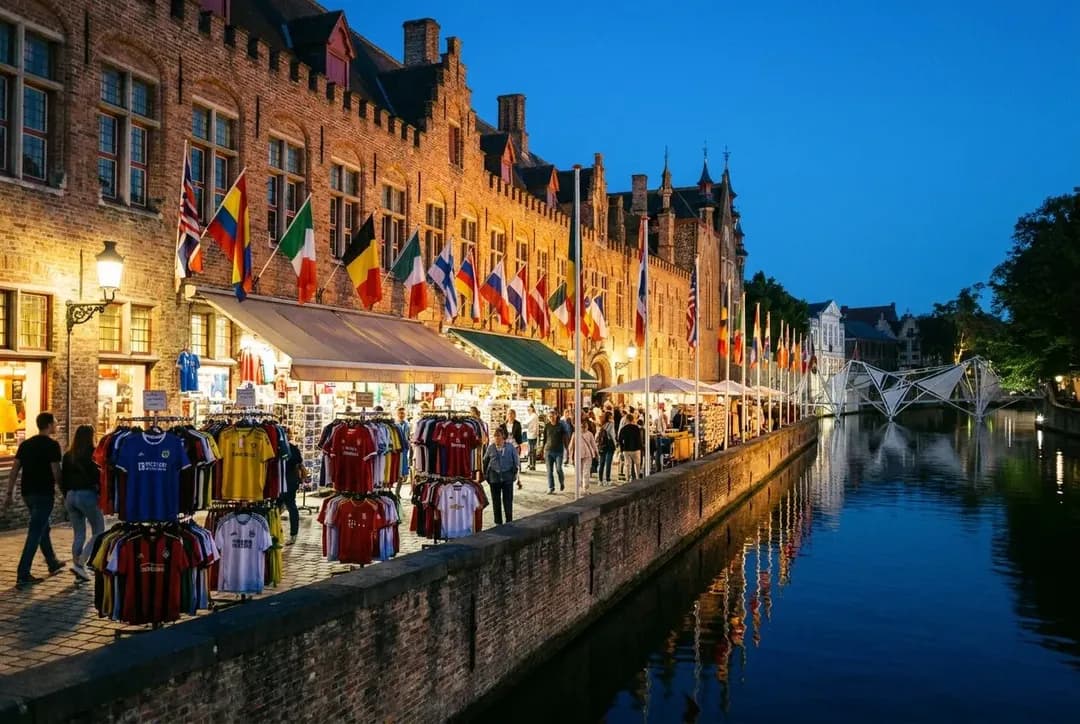
Canal Street's jersey stalls when World Cup 2026 replica kits flood Chinatown sidewalks
Navigate Chinatown's informal jersey economy during World Cup 2026—from sidewalk vendor choreography and haggling etiquette to basement shops stocking rare federation kits, all along Canal Street's vibrant summer spectacle.
The sidewalks along Canal Street between Mott and Broadway transform into a provisional museum of global football every four years, and summer 2026 is no exception. Vertical racks bow under the weight of thirty-two nations' kits—Brazil's canary yellow shoulder to shoulder with Croatia's checkered red-and-white, Argentina's sky-blue stripes catching the noon glare. Folding tables multiply, vendors call out in Mandarin, Cantonese, Spanish, and improvised English, and the air smells faintly of cardboard, synthetic polyester, and the honey-roasted peanuts sold three stalls down. This is not the sanitized retail experience of Fifth Avenue flagship stores. It's louder, faster, and requires a willingness to inspect, negotiate, and occasionally walk away.
The vendor ballet: timing and setup
Arrive too early and you'll find shuttered storefronts and empty curbs. The informal economy here operates on its own clock. Vendors typically set up between ten in the morning and noon on weekends, with inventory rotating based on which teams advance in the tournament. A quarterfinal exit means discounted England kits by Monday; a Cinderella run from an underdog federation can trigger a scramble for restocks that appear, seemingly overnight, in quantities that defy easy explanation.
The choreography is practiced: collapsible tables unfold, bungee cords lash PVC frames together, and jerseys bloom on hangers clipped to wire grids. Vendors work in pairs—one arranging merchandise, the other scanning the foot traffic and the occasional police cruiser rolling past at walking speed.
Quality tiers and what to look for
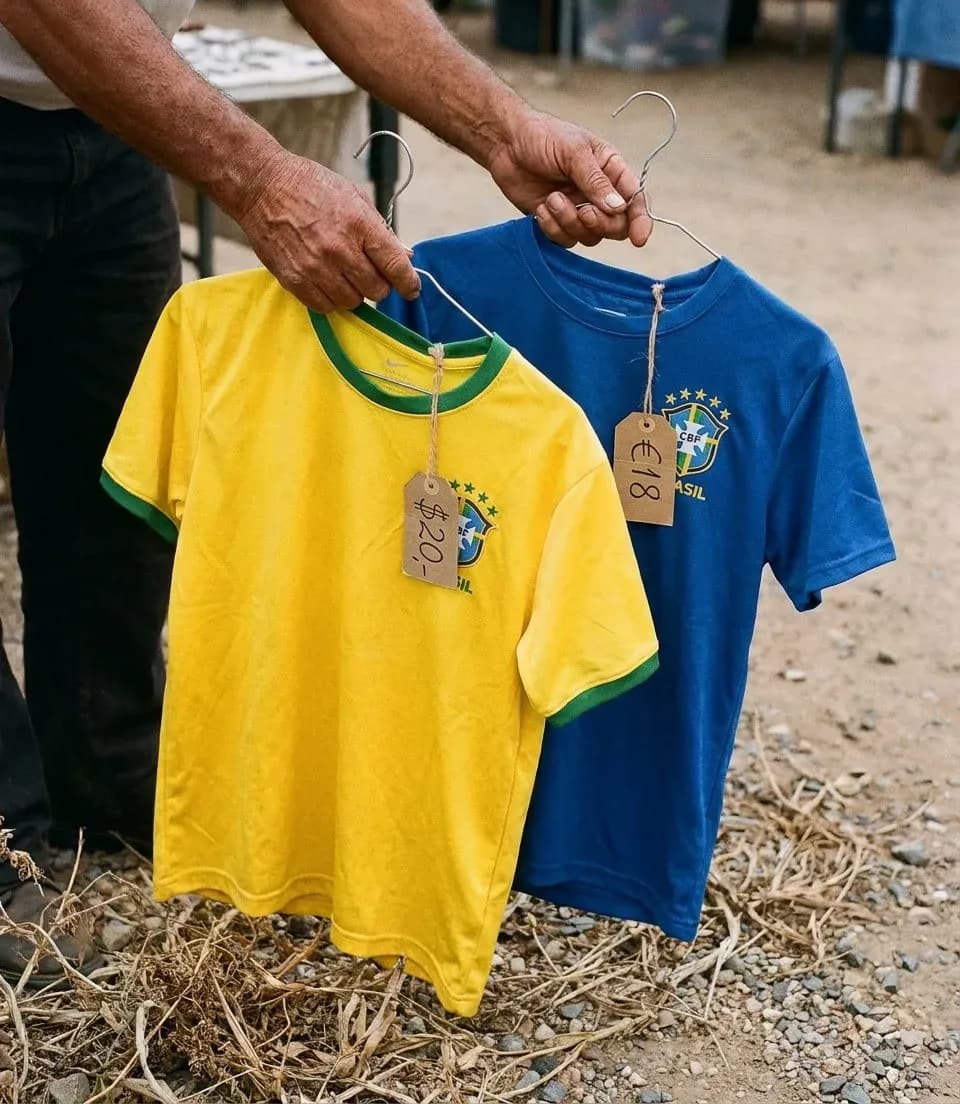
Not all replicas are created equal, and knowing the difference saves disappointment. The lowest tier—often priced around fifteen dollars—features screen-printed crests that crack after a single wash and fabrics so thin they cling like plastic wrap. Mid-tier kits run twenty-five to thirty-five dollars and offer heat-pressed badges, tagless necks, and a weight that at least mimics the official product. The upper tier, hovering near fifty, can be startlingly convincing: embroidered federation logos, accurate sponsor placements, even the tactile grip of silicone numbers.
Ask to handle the jersey before committing. Turn it inside out and check the stitching along the hem and sleeves—loose threads or puckered seams betray hasty assembly. Run a thumb over the crest; the best forgeries use layered embroidery that catches light like the real thing. Some vendors carry side-by-side comparisons, a savvy tactic that lets you choose your price-to-authenticity ratio with open eyes.
Haggling culture and bundle logic
Sticker prices are opening bids, not commandments. Asking 'best price for two?' often yields a discount; cash transactions are standard and card readers rare. Vendors appreciate brevity—point to the jerseys you want, name a number ten dollars below the marked price, and wait. The counteroffer comes quickly, usually splitting the difference or throwing in a vintage-style scarf to close the gap.
Bundles unlock the steepest discounts. Two jerseys for fifty, three for seventy, four for ninety—the math favors group purchases, making Canal Street ideal for outfitting a watch-party crew or collecting kits from your ancestral and adopted nations alike. Couples and families do particularly well, and vendors read the dynamic quickly, pivoting their pitch to the person holding the wallet.
Beyond the sidewalk: basement inventory
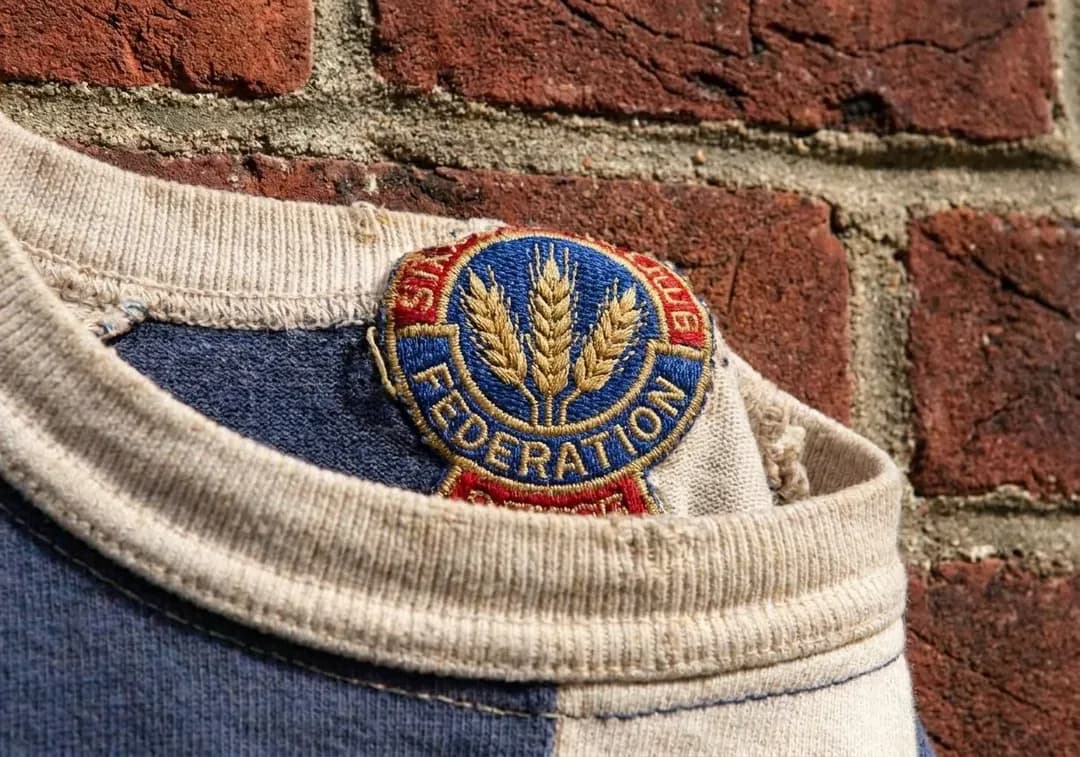
The street-level spectacle is just the opening act. Basement shops tucked along side streets like Mott or Elizabeth may carry wider size ranges and less common federations than sidewalk stalls—think Cameroon, South Korea, or the surprising underdog that captured global attention in the group stage. Descend narrow staircases past hand-lettered signs advertising sportswear, and you'll find fluorescent-lit rooms stacked floor-to-ceiling with inventory: youth sizes, women's cuts, training jackets, and even the occasional goalkeeper kit in clashing neon.
These shops trade foot traffic for selection and climate control. The proprietors tend to speak more English, accept cards slightly more often, and tolerate longer browsing sessions. Prices run a few dollars higher than the sidewalk average, a premium for the ability to try on a kit in a corner mirror and escape the midday sun.
The multilingual pitch and match-day energy
Vendors shift languages mid-sentence, toggling from Cantonese family banter to Spanish with a Chilean tourist to English with a Midtown office worker killing a lunch break. The sales patter incorporates tournament news—'Morocco very strong this year,' 'You want Messi? Last one, my friend'—and a kind of aspirational camaraderie.
On match days, especially when the U.S., Mexico, or a team with a significant New York diaspora is playing, the energy along Canal Street intensifies. Vendors crank portable speakers, and the street becomes an improvised pregame tailgate. Expect crowds, slower negotiation, and the occasional sold-out popular kit. The visual cacophony—flags, foam fingers, inflatable trophies—turns a commercial transaction into theater.
Practical notes
Canal Street runs east-west through Chinatown; focus on the blocks between Mott Street and Broadway for the densest concentration of vendors. Nearest subway: Canal Street station (N, Q, R, W, J, Z, 6 lines). Street parking is scarce and metered; public garages are pricey. Vendors typically operate late morning through early evening, seven days a week during the tournament, though setup times and inventory vary. Bring cash in small denominations. Sidewalks are crowded and uneven; strollers and wheelchairs require patience. For basement shops, verify hours and accessibility on-site. No formal addresses to list—this is a diffuse, adaptive ecosystem, not a chain store. Explore on foot, ask questions, and haggle with good humor.
Tags: #WorldCup2026 #CanalStreet #Chinatown #NYC #JerseyShopping #FootballKit #StreetMarket #SoccerCulture #TravelNYC #WorldCupFashion #ReplicaJersey #NewYorkCity #SummerInTheCity #FIFAWorldCup #SidewalksOfNY
Sources consulted: Canal Street, Manhattan) · 2026 FIFA World Cup · NYC Chinatown Business District · Canal Street Subway Stations · FIFA World Cup Coverage
All trademarks are the property of their respective owners.
Ask Karpo for more information.
Keep reading
- Haaland Has Seven Goals and Norway Runs Entirely Through Him
 World Cup Trophy Ceremony Timing Medals and Postmatch Celebrations
 Olise and France's Attack: The Semifinal Tactical Question