 Haaland Has Seven Goals and Norway Runs Entirely Through Him
⚽️2026 FIFA WORLD CUP
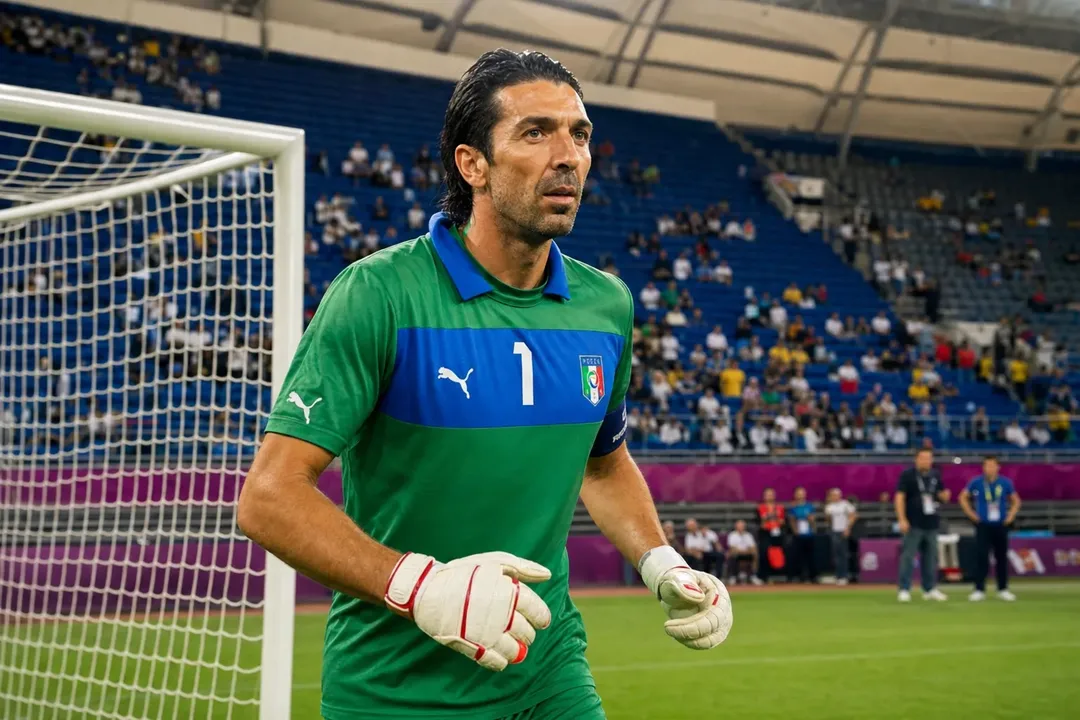
Goalkeepers Who Defined the Four Quarterfinals With Decisive Saves
Across Dallas, Atlanta, Miami and Kansas City, the quarterfinal story turned on the goalkeepers as much as the goals. France, Spain, England and Argentina advanced, but each result carried a reminder that one decisive save can redirect an entire knockout match.
The four confirmed quarterfinal results tell a clear knockout story: France beat Morocco 2-0, Spain beat Belgium 2-1, England beat Norway 2-1 after extra time, and Argentina beat Switzerland 3-1 after extra time. What those scorelines cannot fully capture is the emotional weight carried by the goalkeepers across Dallas, Atlanta, Miami and Kansas City, where the difference between control and collapse often came down to a single reaction, a brave claim, or a save made before a match could swing.
Text Karpo before your next match-day decision and turn the drama into a plan. Whether you need the best route to the stadium, a viewing spot near friends, a food stop before kickoff, or a calmer post-match exit, Karpo can build a personalized plan around the city, your timing, and the kind of football day you actually want.
Fact-checked update
Fact-checked update (August 10, 2026): this article was rechecked against FIFA World Cup 26 schedule and results, FIFA World Cup 26 tournament hub. The refresh keeps the body focused on cited schedule, rules, result, and context claims; readers should use the linked official or primary sources for any late-breaking match changes.
Direct answer: Get the key Goalkeepers Defined Four Quarterfinals Decisive Saves facts, including dates, scores, rules, context, and what it means for the 2026 World Cup.
Four Quarterfinals, Four Goalkeeping Tests
Quarterfinals rarely reward passive goalkeeping. At this stage, teams have enough attacking quality to punish one hesitation, while defenders often need their goalkeeper to be more than a last line. In these four matches, the confirmed outcomes show margins that demanded concentration: two one-goal wins after regulation or extra time, one two-goal result, and one extra-time match that opened up late enough to finish 3-1.
The safest reading is not to invent a save count, a minute, or a specific highlight without official confirmation. Instead, the broader pattern is clear from the score anchors: France, Spain, England and Argentina all needed goalkeeping authority to survive pressure points. Details such as which save was officially credited, which chance carried the highest value, and how each goalkeeper’s performance is recorded should be checked through official match reports and tournament records.
France 2-0 Morocco: Control Still Needed Protection
France’s 2-0 win over Morocco looks, on the surface, like the cleanest quarterfinal result of the four. A two-goal margin naturally suggests a side that managed the match well enough to avoid late chaos. Yet clean scorelines in knockout football can be misleading, because the moments that preserve control often arrive before a scoreboard reflects comfort.
For France, the goalkeeper’s value came in the space between command and vulnerability. Morocco’s route through a quarterfinal would have depended on turning one attacking spell into belief, and that is where decisive goalkeeping matters most. The exact saves, timing, and technical sequence of those interventions require official verification, but the 2-0 result supports the larger conclusion: France did not merely score enough; they also prevented the match from becoming unstable.
Spain 2-1 Belgium: Narrow Margins Put Every Save Under Pressure
Spain’s 2-1 victory over Belgium carried the tension of a match in which one mistake, one rebound, or one loose claim could have changed the direction of the quarterfinal. A one-goal margin does not allow a goalkeeper the luxury of anonymity. Every touch under pressure becomes part of the result, especially when both teams remain close enough to believe until the end.
In a match like this, decisive saves are not only the spectacular kind. A goalkeeper may define a quarterfinal by stopping a shot, narrowing an angle, holding a cross instead of spilling it, or slowing the tempo when the opposition is trying to build a final surge. The official record is needed to confirm individual incidents and statistics, but Spain’s confirmed 2-1 win makes the goalkeeper’s role central to how the lead survived.
England 2-1 Norway After Extra Time: Fatigue Raised the Stakes
England’s 2-1 win over Norway after extra time had a different kind of goalkeeping pressure. Extra time changes the rhythm of a match: legs are heavier, defensive spacing can stretch, and clear decision-making becomes harder. For a goalkeeper, that means every late action carries more risk, because tired players in front may arrive half a step late or lose the second ball.
The confirmed result tells us England advanced only after the additional period, which makes the goalkeeper’s concentration especially important. Without verified official detail, it would be wrong to name an exact save, minute, or Norway chance as the decisive moment. What can be said safely is that an extra-time quarterfinal requires a goalkeeper to protect the team through extended uncertainty, and England’s progression depended on surviving that pressure as much as finishing the match.
Argentina 3-1 Switzerland After Extra Time: The Scoreline Opened Late
Argentina’s 3-1 win over Switzerland after extra time is a reminder that final scores can hide how tense a match was before it broke open. A two-goal margin after extra time does not necessarily mean a comfortable path through 90 minutes. It often means one side found separation only after the contest had already passed through its most dangerous and balanced phase.
That is where goalkeepers become story-shapers. Before Argentina could finish with a 3-1 advantage, the match still had to be kept within reach and protected from a Swiss turn. The official match documentation is needed to confirm save totals, shot locations, and the precise moments involved. Even without those specifics, the confirmed extra-time result points toward a familiar knockout truth: a goalkeeper can keep the door closed long enough for attackers to decide it.
Why the Official Record Matters Before Naming the Save of the Round
It is tempting after four quarterfinals to crown one save as the defining image of the round, but doing so responsibly requires official verification. Scorers, exact minutes, cards, VAR checks, lineups, injuries, save totals, and shot statistics are not confirmed here and should not be guessed. The verified facts are the results: France 2-0 Morocco, Spain 2-1 Belgium, England 2-1 Norway after extra time, and Argentina 3-1 Switzerland after extra time.
The goalkeeper angle remains powerful even with those limits. Each winning side needed protection at a different kind of pressure point: France to preserve authority, Spain to defend a narrow edge, England to endure extra time, and Argentina to keep the match alive before separation arrived. For readers tracking the tournament closely, the next step is to compare these impressions with official FIFA match records as they are updated and confirmed.
Tags: #WorldCup2026
Sources consulted: FIFA World Cup 26 schedule and results · FIFA World Cup 26 tournament hub
All trademarks are the property of their respective owners.
Ask Karpo First
Ask Karpo for a personalized World Cup match-day plan in Dallas, Atlanta, Miami, Kansas City, or wherever you are watching next.
Ask Karpo for more information.
Keep reading
- Haaland Has Seven Goals and Norway Runs Entirely Through Him
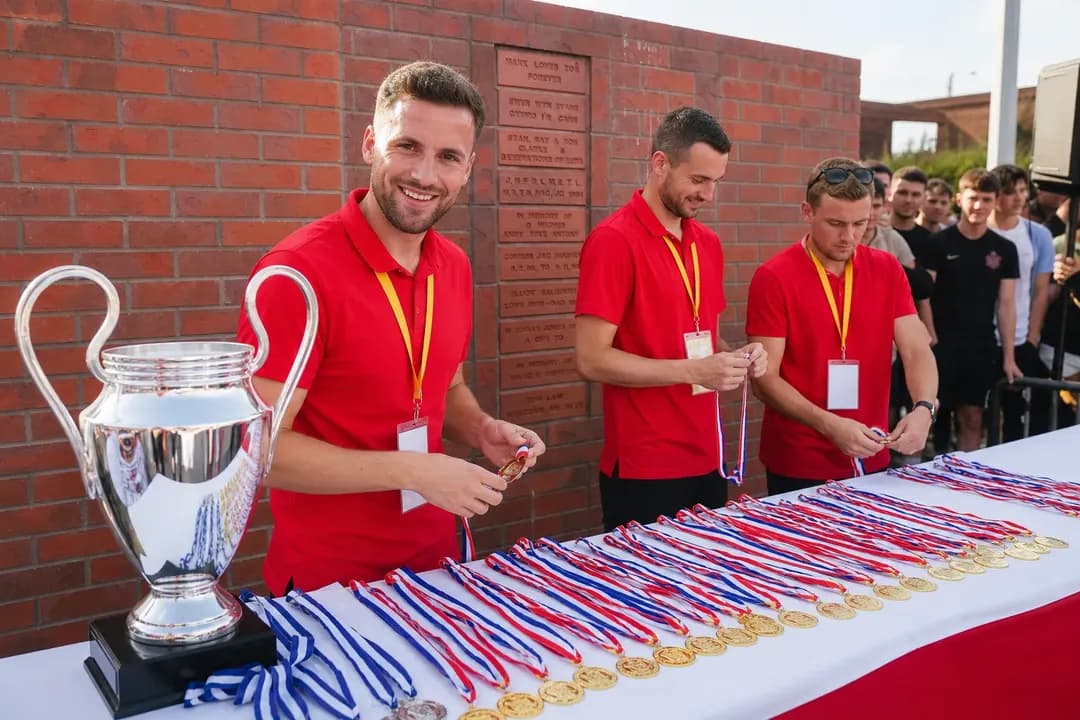 World Cup Trophy Ceremony Timing Medals and Postmatch Celebrations
 Olise and France's Attack: The Semifinal Tactical Question