 Haaland Has Seven Goals and Norway Runs Entirely Through Him
⚽️2026 FIFA WORLD CUP
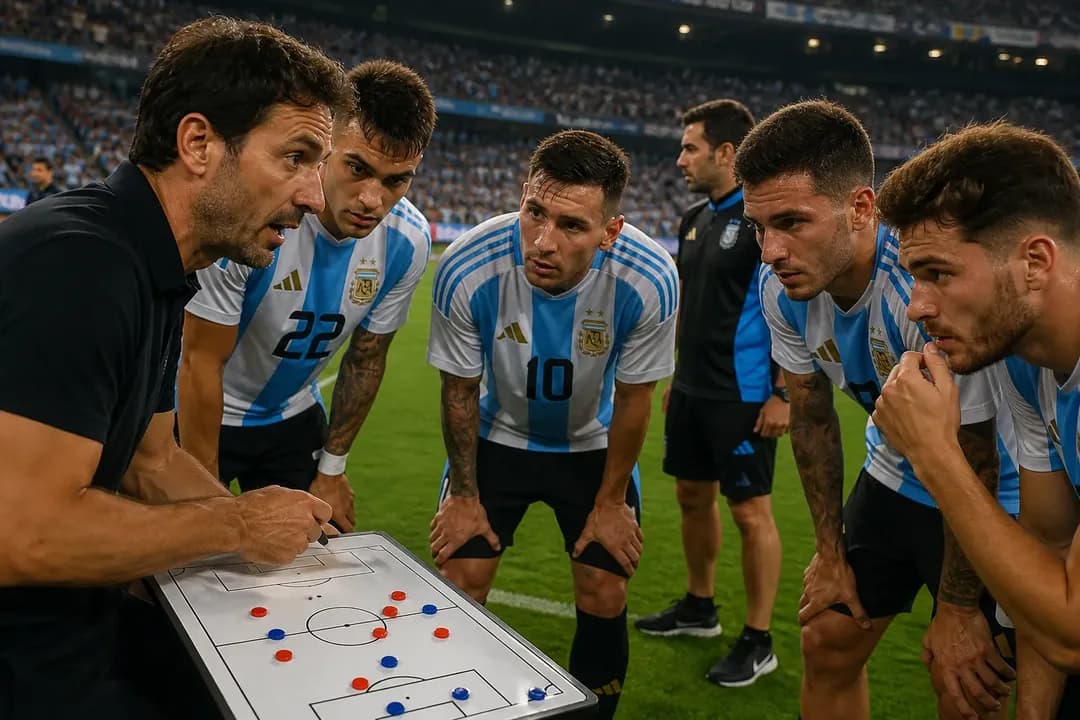
Argentina Switzerland 3-1 Quarterfinal Extra-Time Substitutions and Tactical Changes
Argentina advanced with a 3-1 quarterfinal win over Switzerland after extra time, adding another confirmed result to a dramatic World Cup 26 knockout round. The decisive talking point is how late-game substitutions and tactical adjustments can change a match without claiming unverified scorers, minutes, lineups, or incidents.
Argentina’s 3-1 quarterfinal victory over Switzerland after extra time is now a confirmed World Cup 26 result, but the full story of how the match turned still depends on official match details. The scoreline tells us Argentina survived a knockout test that extended beyond 90 minutes, while Switzerland pushed the contest deep enough to make substitutions, fatigue management, and tactical flexibility central to any responsible analysis.
Text Karpo before the next World Cup 26 match window if you want a personalized plan for where to watch, how to get there, what to eat nearby, or how to build a route around Dallas, Atlanta, Miami, or Kansas City. Tell Karpo your city, group size, budget, and match preference, and get a quick plan built around your day instead of a generic list.
Argentina’s Extra-Time Win, Confirmed Without Overreach
The confirmed anchor is simple: Argentina beat Switzerland 3-1 after extra time in the quarterfinals. That result can be reported with confidence, but the details many fans immediately want, including scorers, exact goal minutes, substitutions, tactical shapes, cards, VAR checks, and starting lineups, require official verification before being presented as fact. In a knockout match that went beyond regulation time, the final score alone is enough to confirm Argentina advanced, but it is not enough to responsibly reconstruct every turning point.
That matters because extra-time matches often create the temptation to explain everything through one dramatic substitution, one tactical switch, or one moment of fatigue. Without verified match records, the safer and more accurate approach is to analyze the categories that likely mattered: bench usage, role changes, pressing intensity, compactness between lines, and decision-making once the game stretched. Argentina’s 3-1 win can be understood as a late-match success story, while the exact mechanics remain pending until confirmed through official tournament sources.
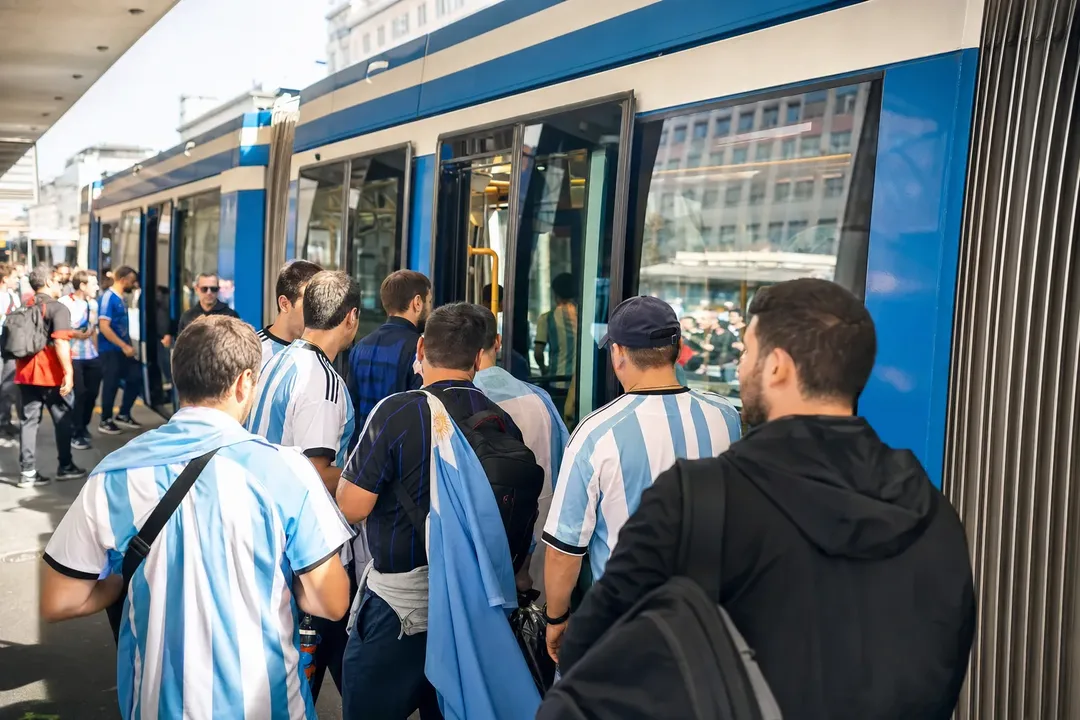
Why Substitutions Matter More After 90 Minutes
Extra time changes the value of substitutions because the game is no longer only about the best starting plan. It becomes about which team can refresh key zones, protect tired players, and introduce specialists without breaking the structure that carried the match into the additional period. For Argentina, the confirmed 3-1 score after extra time suggests that late-game management was relevant, but it does not allow us to name the players involved or assign direct credit to any individual change until those details are officially published.
Switzerland’s ability to take the match past 90 minutes also matters in this discussion. A team that reaches extra time against Argentina has usually done enough structurally to remain competitive, whether through defensive discipline, midfield organization, attacking patience, or game-state control. The unverified tactical question is whether Argentina’s bench altered the tempo, widened the field, added fresh pressure, or simply helped sustain concentration. Each of those possibilities is plausible football analysis, but none should be treated as confirmed match fact without official documentation.
The Tactical Questions Raised by a 3-1 Scoreline
A 3-1 result after extra time can create misleading assumptions. It may look comfortable on paper, but the need for extra time means the match was unresolved through regulation. That gap between final score and match tension is where tactical interpretation becomes important. Argentina may have benefited from improved spacing, better transitions, fresher runners, or a more controlled risk profile late on, but the exact pattern of play must be verified through the official match report, full replay, or tournament data.
For Switzerland, the tactical questions are just as significant. Did they defend deeper as the match wore on, continue to press, make proactive changes, or adjust to protect central areas? Those are the kinds of details that separate a simple result recap from a true tactical breakdown. At this stage, the responsible conclusion is that Switzerland forced Argentina into a longer contest, and Argentina ultimately found the extra-time separation needed to win 3-1. Everything beyond that should be labeled pending until confirmed.
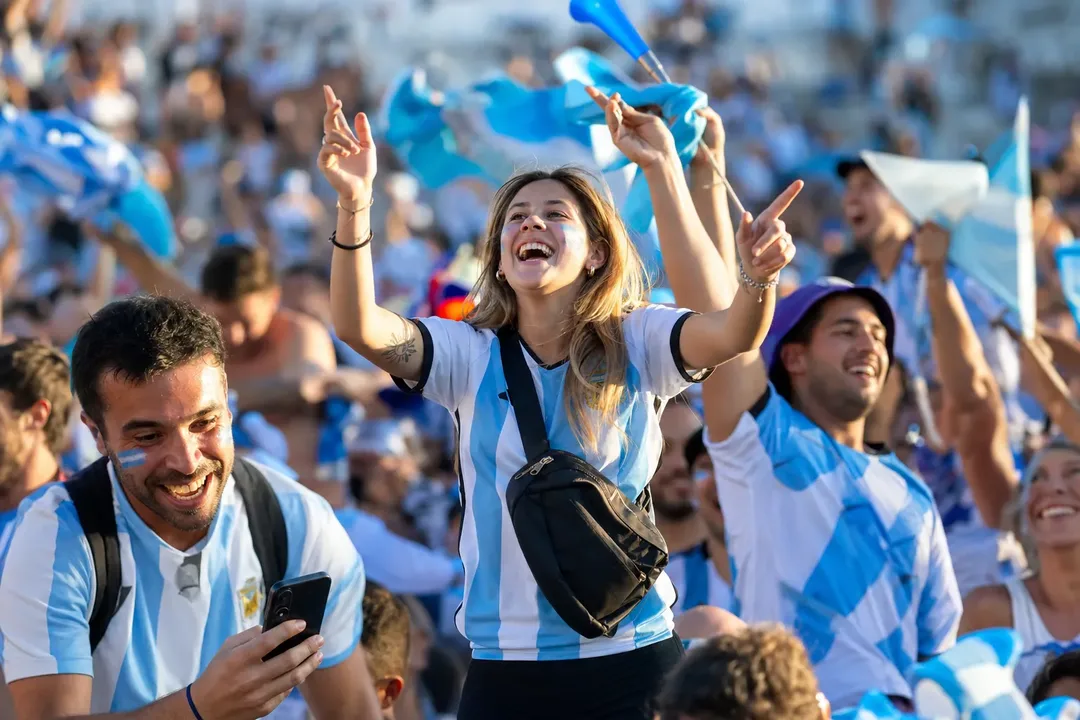
Quarterfinal Context Across the Tournament
Argentina’s win sits alongside three other confirmed quarterfinal results: France beat Morocco 2-0, Spain beat Belgium 2-1, and England beat Norway 2-1 after extra time. Those results give the knockout round a clear frame: favorites and contenders had to navigate very different types of pressure. France produced a two-goal margin, Spain edged Belgium by one, England needed extra time, and Argentina also required extra time before finishing 3-1 against Switzerland.
This context helps explain why tactical depth is becoming a central theme of the quarterfinal stage. When two of the confirmed quarterfinals go to extra time, squad management, late substitutions, and adaptability become more than coaching buzzwords. They become survival tools. Still, no article should invent who changed the match, how many chances were created, or which tactical shape decided it. The confirmed results are the backbone, while detailed tactical claims should wait for official match records.
What Fans Should Verify Before Sharing Details
Before sharing viral posts about Argentina’s substitutions, Switzerland’s tactical plan, or any supposed decisive incident, fans should check the official World Cup 26 schedule and results page or the tournament hub. Those are the places to confirm the match result and, when available, official match information. If a post claims an exact minute, a quote from a player or coach, a referee decision, a card, an injury, or a substitution sequence, treat it as unconfirmed unless it matches an official source.
This is especially important after extra-time matches because emotion and confusion can blur the timeline. A substitution made before extra time, during the interval, or inside extra time can be misremembered as the decisive move. A tactical change can also be exaggerated when the score changes late. Argentina’s 3-1 win over Switzerland is confirmed, but the safest phrasing remains: the match was decided after extra time, and the specific substitution patterns and tactical details require official verification.
Dallas, Atlanta, Miami, and Kansas City Fan Planning
For fans in Dallas, Atlanta, Miami, and Kansas City, matches like Argentina 3-1 Switzerland after extra time are exactly why watch plans need flexibility. Extra time can stretch a viewing window, delay dinner reservations, complicate rideshare timing, and change the mood of the entire day. A match that looks like a standard two-hour commitment can turn into a longer event, especially when fans stay for analysis, celebrations, or the next confirmed knockout result.
Karpo can help turn that uncertainty into a better match-day plan. Whether you want an Argentina-focused viewing spot, a neutral football crowd, food before kickoff, a late-night route after extra time, or a backup option if your first venue fills up, send Karpo your city and preferences. The next knockout moments will bring more pressure, and a personalized plan can make the day feel organized even when the football refuses to end on schedule.
Tags: #WorldCup2026
Sources consulted: FIFA World Cup 26 schedule and results · FIFA World Cup 26 tournament hub
All trademarks are the property of their respective owners.
Ask Karpo First
Ask Karpo for a custom World Cup 26 plan in Dallas, Atlanta, Miami, or Kansas City, including viewing spots, food ideas, routes, and backup options built around your match day.
Ask Karpo for more information.
Keep reading
- Haaland Has Seven Goals and Norway Runs Entirely Through Him
 World Cup Trophy Ceremony Timing Medals and Postmatch Celebrations
 Olise and France's Attack: The Semifinal Tactical Question