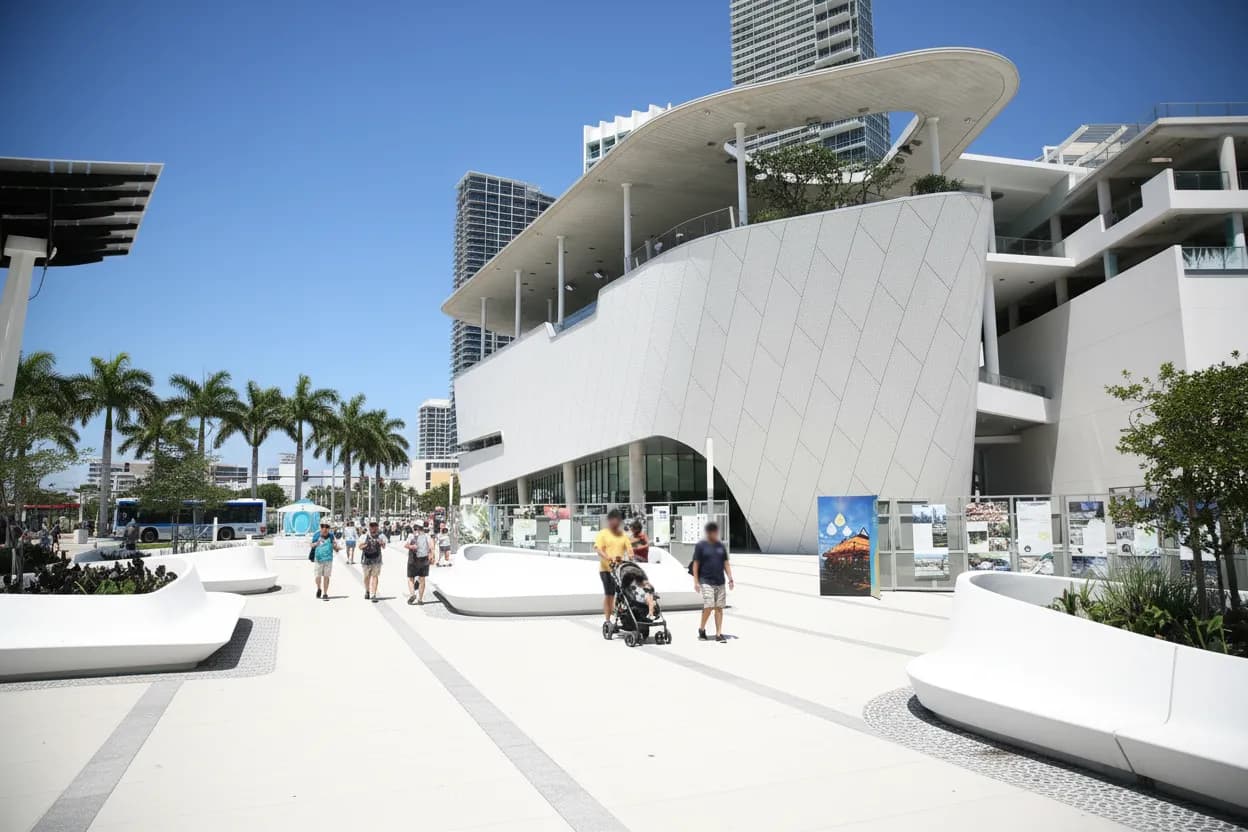
Miami has no shortage of sun, bay breezes, and big questions about how clean energy might fit coastal life. For a family curious about wind power, the most practical local route is not a turbine tour; it is a focused science stop at the Phillip and Patricia Frost Museum of Science, where flight, engineering, weather, and systems thinking can be connected in one easy daytime visit. The museum’s Downtown Miami location in Maurice A. Ferré Park keeps the trip compact, with Metromover access, paid parking, indoor exhibits for heat breaks, and nearby coffee options when attention spans start to dip.
Want the easiest Miami version of this route? Text Karpo before you leave for Frost Science timing, transit checks, and a coffee stop that fits your family’s pace.
Start at Phillip and Patricia Frost Museum of Science on Biscayne Boulevard
Set the route around Frost Science at 1101 Biscayne Boulevard, not a scattered citywide energy hunt. The museum is open daily from 10:00 a.m. to 6:00 p.m. according to its current plan-your-day page, and Explorer tickets include exhibitions, aquarium access, and one planetarium show based on availability. Because ticket prices vary by date, treat the museum calendar as the price source, especially for families comparing weekday and weekend costs.
Arrive with one clear question: how does moving air become useful energy? Frost Science is not advertised as a dedicated wind-energy museum, so the strength of this route is interpretation. Use exhibits about flight, weather, engineering, and observation to build the concept slowly. For younger children, keep the first hour tactile and visual. For older students, ask them to connect blade shape, lift, drag, generators, and Miami’s coastal wind conditions.
Use Feathers to the Stars for Blades, Lift, and Drag
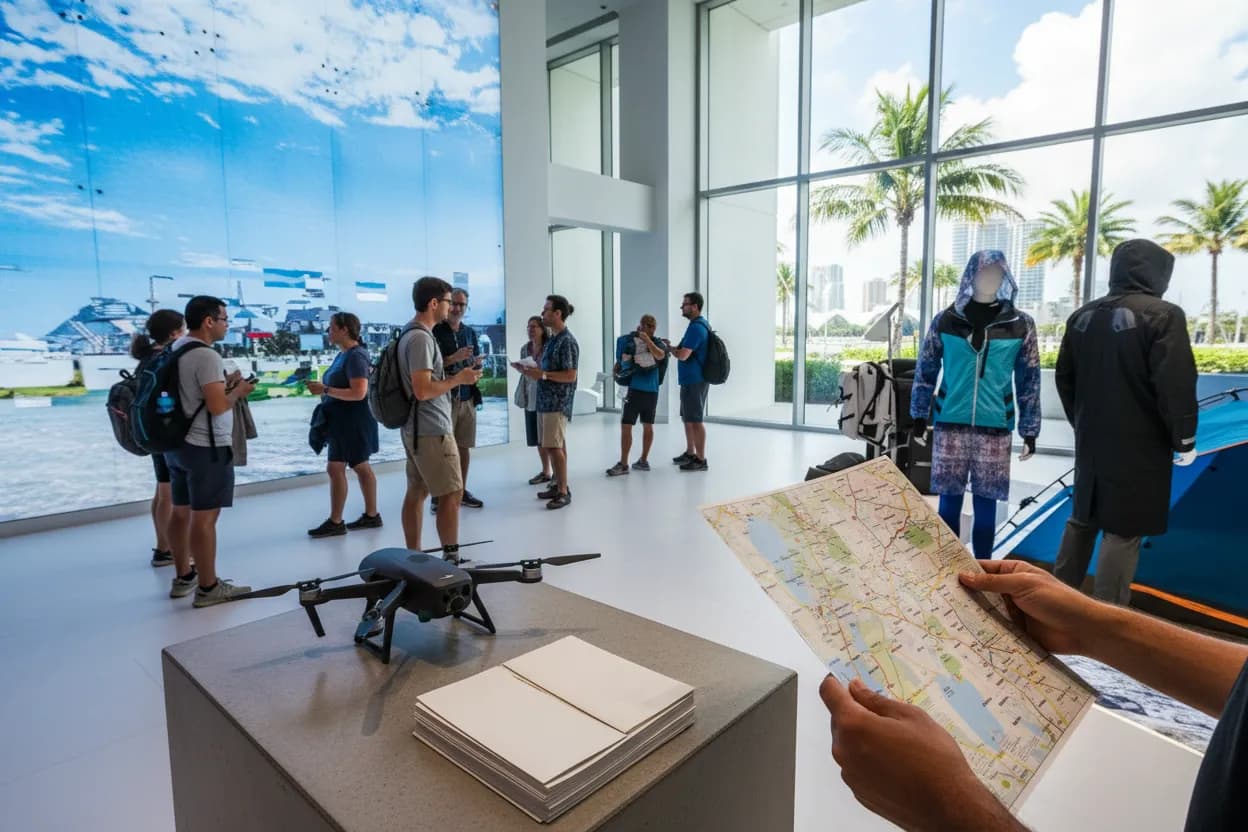
The most direct stop for wind thinking is Feathers to the Stars on Level 3, where Frost Science describes the story of flight from animal movement to human aviation and space exploration. Its human-flight area includes aerodynamic principles such as thrust, drag, weight, and lift, plus hands-on experimentation with wing sleeves and paper airplane design. That gives families a concrete bridge from familiar aircraft surfaces to turbine blades, which also rely on pressure differences and rotation.
Keep the section active but bounded. Give children five minutes to predict which paper-airplane shape will travel farthest, then compare that to why long turbine blades need careful profiles instead of simply being bigger paddles. The tradeoff is that the gallery can become busy and noisy, so avoid turning it into a lecture. If a station is crowded, observe from the side and return later after aquarium or planetarium traffic shifts.
Connect DOE Wind Turbine Basics to the Frost Science Floor
The Department of Energy’s WINDExchange explanation is useful before or during the visit because it defines wind energy as turbines converting moving air into electricity. In plain family terms, wind pushes blades, blades turn a rotor, and the rotor drives a generator. That sequence is simple enough to test against what children see at Frost Science: wings, airflow, launchers, and machines that translate motion into a measurable result.
Do not imply that Frost Science is showing a working utility turbine unless the museum confirms one on your visit date. The better learning move is comparison. A fan uses electricity to move air; a turbine uses moving air to make electricity. Ask what Miami conditions would help or hurt that process: nearby buildings, storms, salt air, maintenance, bird migration concerns, and the distance between where power is made and where people use it.
Take Metromover to Museum Park Station if Service Checks Out
For a low-friction family trip, Metromover is the cleanest Downtown Miami transit choice when it is running normally. Frost Science says the museum is directly adjacent to Museum Park station, and Miami-Dade lists Museum Park at 1191 Biscayne Boulevard with connections to several Metrobus routes. Miami-Dade’s Metromover page says service is free, but it also posts current service notices, which matter because upgrade work can change loops or start times.
The failure mode is assuming yesterday’s transit pattern still works. On July 29, 2026, check Miami-Dade’s Metromover page and tracker before leaving, especially for loop changes, station bypasses, elevator outages, or delayed service. If Museum Park is affected, use Adrienne Arsht, a bus connection, rideshare, or the museum garage. Families with strollers or mobility devices should verify elevators for both origin and destination stations, not just train frequency.
Choose the Museum Garage Only When Heat or Gear Matters
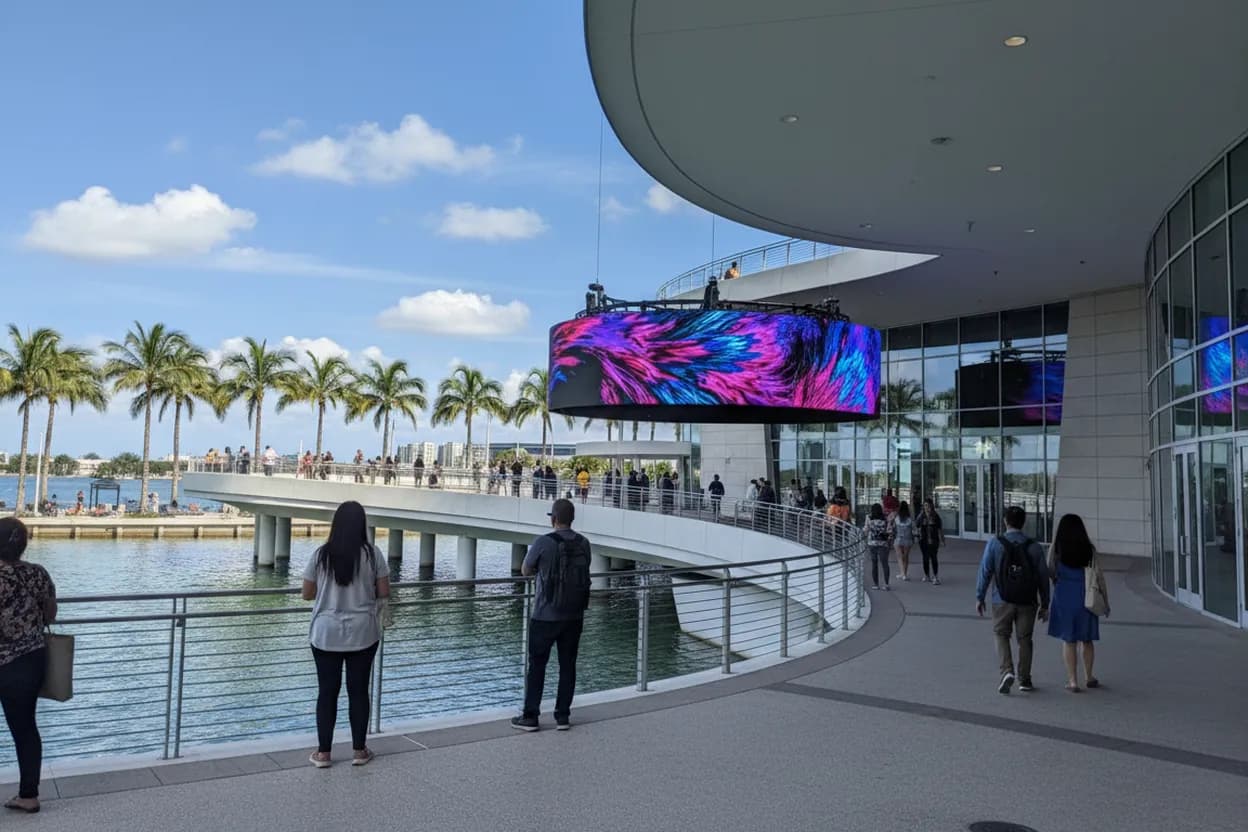
Driving is reasonable when you have toddlers, grandparents, medical gear, or a tight afternoon window. Frost Science lists limited paid self-parking in the museum garage during regular hours, with credit-card payment at the pay stations and exit lanes. The plan-your-day page currently shows an $18 flat rate and notes member validation discounts, but parking prices and availability can change, so confirm the same day before making it the default.
Parking has its own constraints. The garage can fill during peak hours and weekends, and the museum lists clearance limits for accessible spaces along with a phone and email contact for vans over the posted height. If your vehicle is tall, do not rely on memory or third-party maps. The safer backup is a nearby public garage, Metromover for the final segment, or rideshare drop-off near the main entrance following museum signage.
Build in Food@Science or a Downtown Miami Coffee Pause
The route works best with a planned reset after the main exhibit loop. Frost Science lists Food@Science café on Level 1 and notes accessible indoor and outdoor seating there, making it the most predictable option for a coffee, snack, or cool-down without leaving the building. This is especially useful on a sunny Miami day, when crossing Biscayne Boulevard or extending the walk can drain younger visitors before the learning sticks.
If your family wants a separate coffee stop, keep it nearby and verify hours directly before you commit. Downtown Miami businesses can change schedules for events, construction, staffing, or weather. Use the museum café as the backup rather than promising a specific dessert counter you have not confirmed. The decision rule is simple: leave the museum only if everyone still has energy, shade is manageable, and the next stop is open now.
Check Frost Science Access Rules Before You Tap Buy Tickets
Before buying, review the museum’s current rules, because they affect comfort as much as admission. Frost Science says bags or purses must be smaller than 14 inches by 12 inches unless they qualify for listed exceptions, and larger backpacks, suitcases, and duffle bags must be stored at entry. Planetarium shows are reserved onsite on the visit date and are first come, first served, so do not build the route around one showtime unless availability is confirmed.
Make the final verification action explicit: on the morning of Wednesday, July 29, 2026, open Frost Science’s plan-your-day page, Miami-Dade’s Metromover notices, and the weather forecast before leaving. Confirm museum hours, ticket price for your date, planetarium availability, parking status, bag limits, and any service disruption at Museum Park. If two major pieces fail, switch to a shorter museum-only visit with café time, or postpone the route.
Tags: #Miami #FrostScience #WindPower #RenewableEnergy #MuseumPark #DowntownMiami #FamilyRoute #ScienceMuseum #CleanEnergy #Metromover #CoffeeBreak #AccessibleMiami #AskKarpo #BeforeYouGo
Sources consulted: Source 1: frostscience.org · Source 2: frostscience.org · Source 3: frostscience.org · Source 4: energy.gov · Source 5: miamidade.gov · Source 6: frostscience.org
All trademarks are the property of their respective owners.
Ask Karpo first
Tell Karpo your date, group size, budget, and starting point. We’ll check current access, timing, transit, and the cleanest Miami plan for Phillip and Patricia Frost Museum of Science before you head out.


