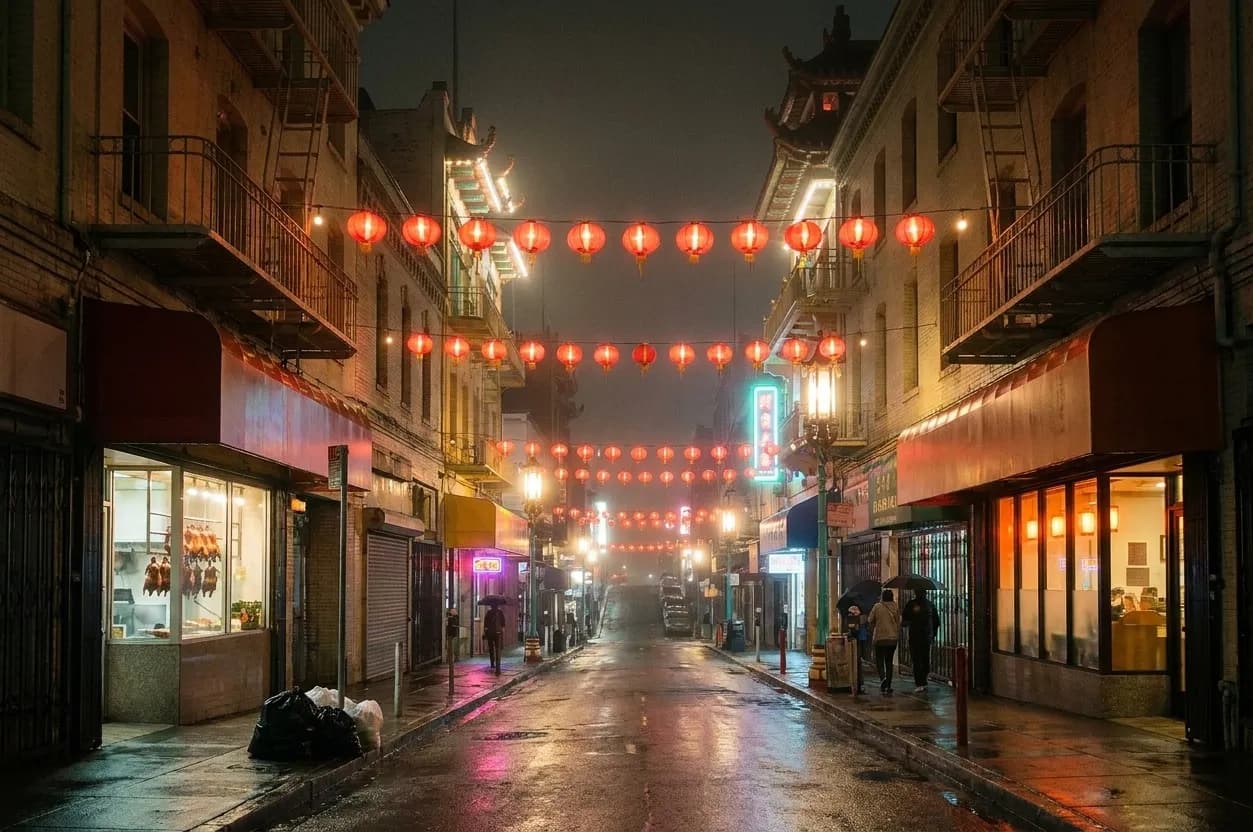
San Francisco's Chinatown is the oldest in North America and one of the few in the country that never became primarily a visitor attraction — people live here, buy their groceries here and eat here, at a density that supports several hundred food businesses in about twenty blocks. For dinner tonight that translates into three specific advantages: you can walk in, you can eat well for very little, and the range is far wider than the tourist-facing storefronts on Grant suggest.
Chinatown eats early and the kitchens close earlier than most of the city, so the window is narrower than it looks. Ask Karpo which rooms near you are still seating and what they are best at before you walk over.
Start by getting off Grant Avenue
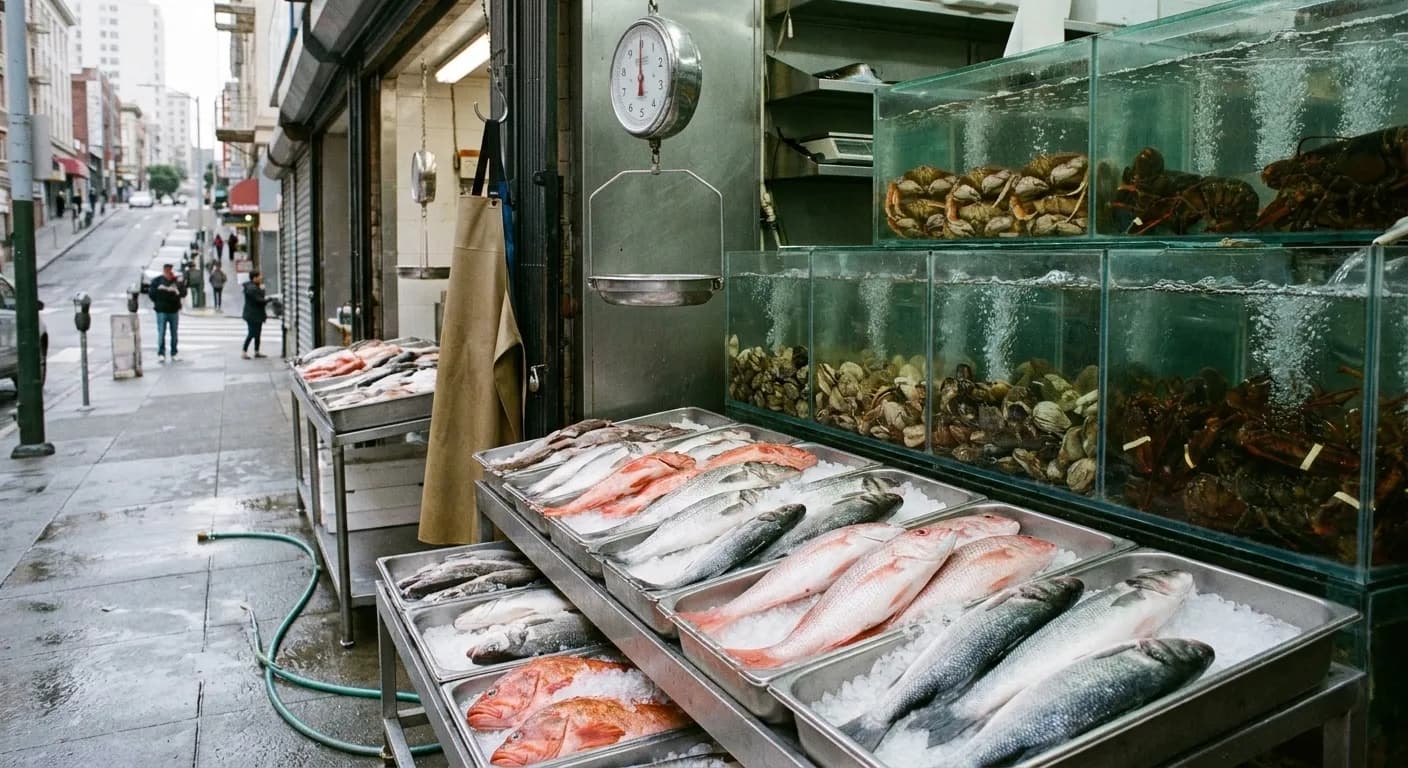
Grant is the postcard street and it has the highest concentration of restaurants aimed at people passing through once. Stockton, one block west, is the neighbourhood's actual main street — markets, butchers, fishmongers, bakeries and the restaurants that feed the people who shop there. Jackson, Washington, Clay and Pacific between them hold most of the rest. As a rule of thumb, the further from Grant and the closer to Stockton, the better the food and the lower the price.
Menus in Chinese with a shorter English version are a good sign rather than a barrier. Ask what the kitchen is known for; every one of these rooms has an answer and most of them are delighted to be asked.
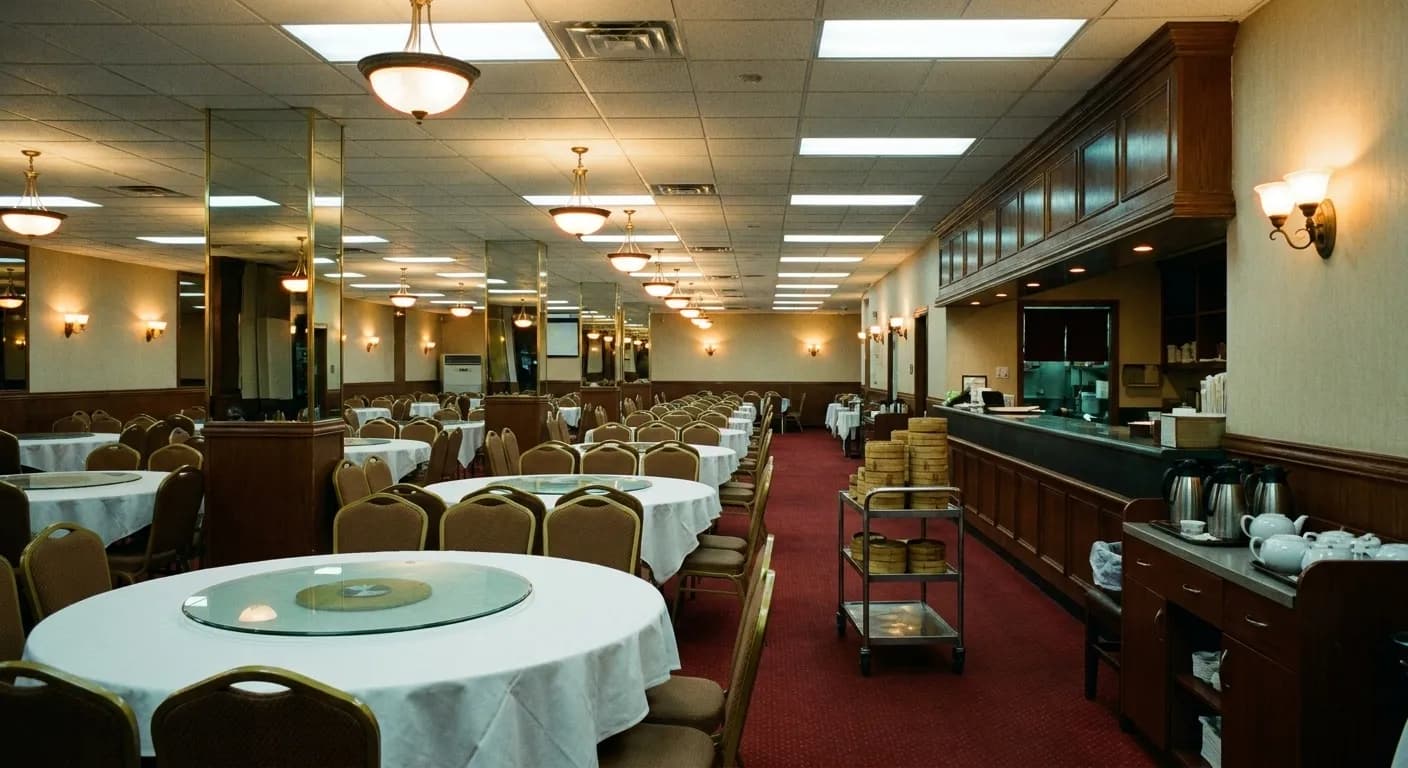
The three formats worth knowing
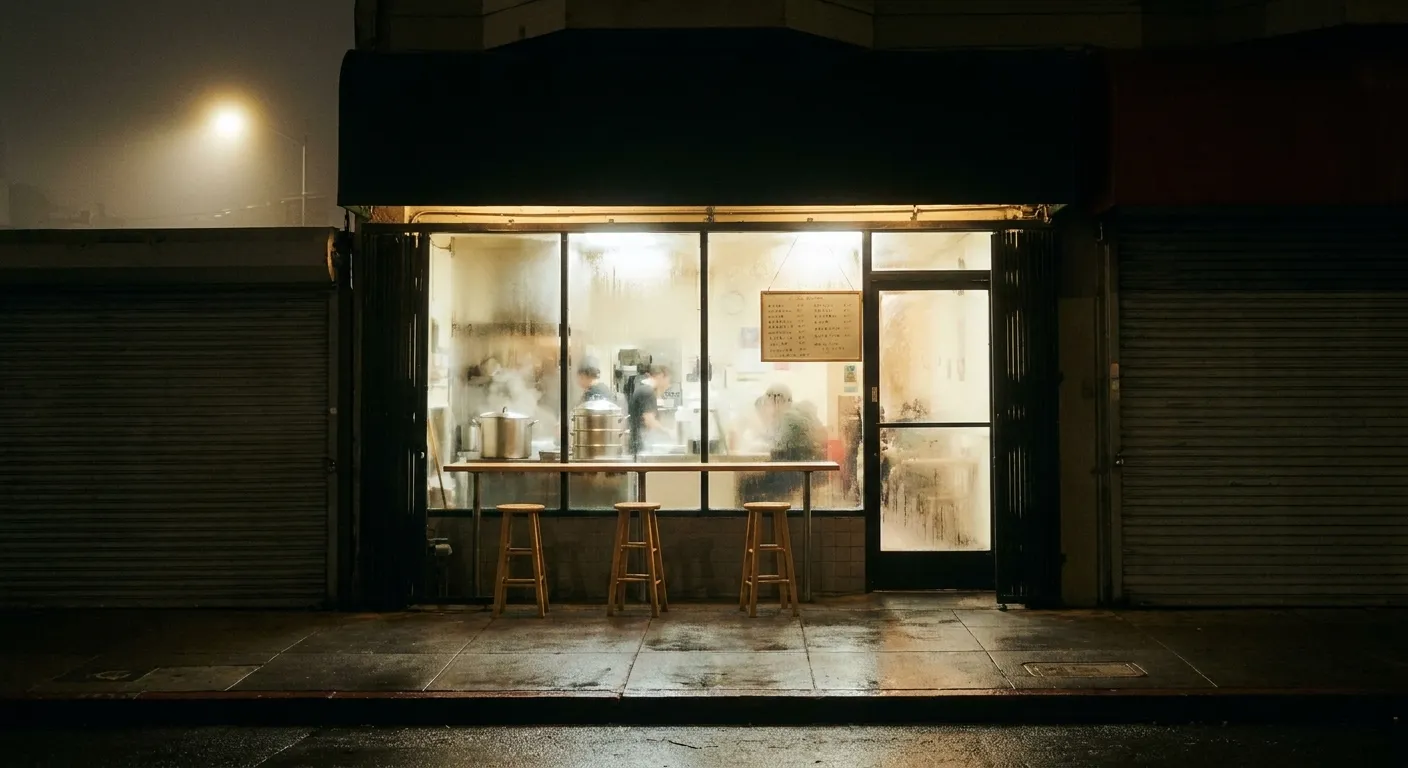
The banquet hall is the big room with round tables and lazy susans, built for family dinners and celebrations. Order for the table — a whole steamed fish, a clay pot, greens with garlic, a plate of roast meat — and it is the best value dinner in the city for four or more people. The rice-plate and noodle shop is the small room with laminated menus, where a single person eats a full meal for the price of a downtown sandwich. And the barbecue counter is takeout: roast duck, char siu and soy chicken chopped to order and sold by weight, which is the fastest good dinner in San Francisco.
What to order if you do not know where to start
Salt and pepper squid, clay pot rice, a whole steamed fish with ginger and scallion, greens — gai lan or pea shoots — with garlic, and a plate of roast duck between two people covers most of what Cantonese cooking does best and comes to less than a single main course in a lot of the city. If you want soup, the winter melon and the watercress versions are the house staples. And congee is dinner as often as it is breakfast here, particularly at the late-running rooms.
Timing: the thing most people get wrong
Chinatown eats early. The busiest dinner hour is between six and seven-thirty, and a lot of the kitchens stop taking orders around nine, with the barbecue counters selling out well before they close. If you turn up at nine-thirty expecting choice you will find the late-night noodle rooms and not much else. Come at six and the neighbourhood is at full capacity, which is also when it is most enjoyable to be in.
Practical notes
Bring cash. A significant number of these places are cash-only or cash-preferred, and several of the barbecue counters have no card terminal at all. Do not drive: the Portsmouth Square garage is the practical option and it fills, while the 30, 45 and 8 run straight through and the Powell cable cars stop at the top. Groups of six or more should call ahead even where reservations are not normally taken, because the round tables are limited. And go upstairs where you see stairs — a lot of the better rooms in this neighbourhood are on the first or second floor rather than at street level.
Ordering for two without over-ordering
Cantonese menus are built for larger tables, which is why two people frequently end up with too much food and the wrong balance. A workable structure for two: one protein, one vegetable, one rice or noodle, and soup if you want it. Add a plate of barbecue meat from a counter on the way in rather than ordering a second main.
Ask for the house special or the seasonal vegetable rather than picking from the printed list. Almost every kitchen in this neighbourhood has a short list of things it does better than the menu suggests, and greens change with what arrived on Stockton Street that morning.
If you are eating alone, the neighbourhood is unusually good at it. Rice-plate and noodle rooms here seat single diners without ceremony, service is fast, and a full meal costs less than a sandwich downtown. Solo dining in a Cantonese banquet hall is harder, mostly because the menu is built for a table — that is when to order from the barbecue counter instead.
Tags: #SanFrancisco #Chinatown #DinnerNearMe #CantoneseFood #StocktonStreet #SFRestaurants #WhereToEatSF #DimSum #SFEats #CheapEatsSF #NeighborhoodGuide #BayArea #FamilyStyle #WalkIn
Sources consulted: sf.gov · sftravel.com · sfmta.com
All trademarks are the property of their respective owners.
Ask Karpo first
Kitchens here close earlier than the rest of the city and the barbecue counters sell out before that. Ask Karpo which Chinatown rooms are still seating tonight, what each one is known for, and whether you need cash.