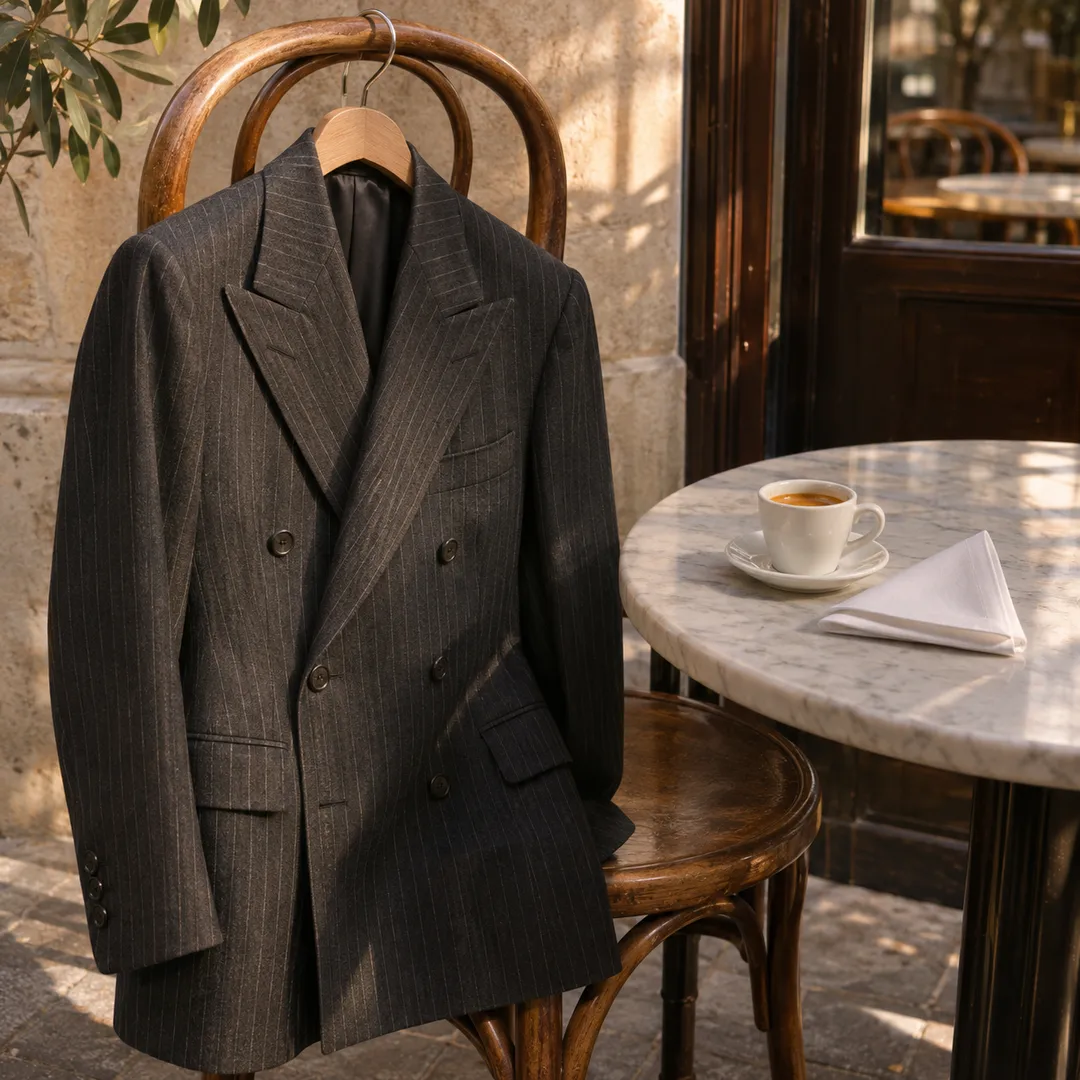
 North Beach Tailor Alteration Shop Finder: Inherited Suits
Neighborhood Guides
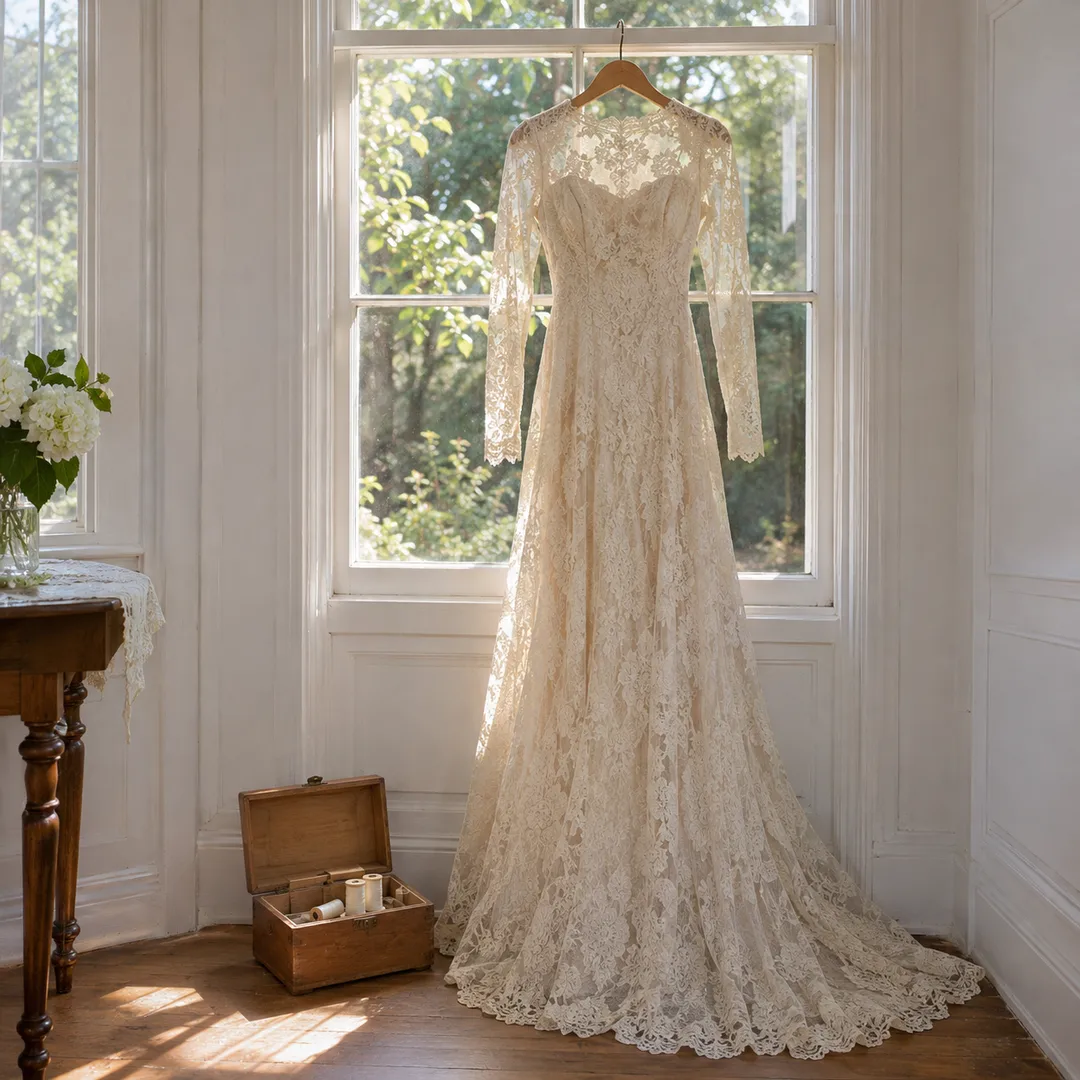
Pac Heights Tailor Alteration Shop Finder for Heirloom Gowns
Wearing a family wedding dress? Find a Pacific Heights tailor who can restyle heirloom lace, rebuild the fit and prepare it for photos on the Lyon Street Steps.
A tailor alteration shop finder becomes a very personal search when the garment in question is your mother's or grandmother's wedding dress. In Pacific Heights, where grand Victorian homes and wide views over the bay have hosted generations of family celebrations, many couples choose to wear a dress that has already walked down an aisle once before. Making that dress fit a new body and a new era takes a patient seamstress with real respect for old fabric.
Why Heirloom Gowns Need a Different Kind of Tailor
A modern wedding dress is built to be altered. Seams have allowance, linings come apart cleanly, and fabrics are fresh and strong. An heirloom gown is a different object entirely. The lace may have yellowed or turned brittle, the seams may be narrow, and the cut reflects the fashion and body ideals of another decade. Every snip carries risk because there is no replacing the original.
That is why the right tailor matters more here than for almost any other job. You need someone who has worked with vintage bridal pieces, who will take the time to examine the dress before suggesting anything, and who is comfortable telling you when a change is not wise. The best results usually come from careful, minimal intervention rather than dramatic reconstruction.
Reading the Dress Before the First Fitting
Before you book anything, look at the dress in good daylight. Check the underarms and waist for sweat stains, the hem for wear and dirt, and the lace for small tears. Note whether there is spare fabric anywhere, such as a deep hem, a train or long sleeves, because that fabric can become precious material for repairs or restyling.
Bring these notes to the first fitting, along with any photos from the original wedding. Many seamstresses love seeing how the dress was first worn, and the photos help them understand how it was meant to drape. It is also a lovely way to bring the earlier wedding into the planning conversation and to decide together what to keep and what to change.
Common Ways to Restyle a Family Gown
The most frequent request is a change of sleeve. Long, puffy or high-necked sleeves from earlier decades can be shortened, slimmed or removed, sometimes leaving delicate cap sleeves made from the trimmed lace. Necklines can be lowered or reshaped, and a high collar can become an open sweetheart line if there is enough fabric to finish the edge cleanly.
Trains can be shortened and bustled for dancing, and full skirts can be slimmed to a softer silhouette. Some couples add a modern element, such as a new sash, a low back or detachable sleeves, while keeping the heart of the original intact. Others want the dress exactly as it was, just fitted. Both are valid choices, and a good seamstress will help you find your balance.
Working With Fragile Lace and Silk
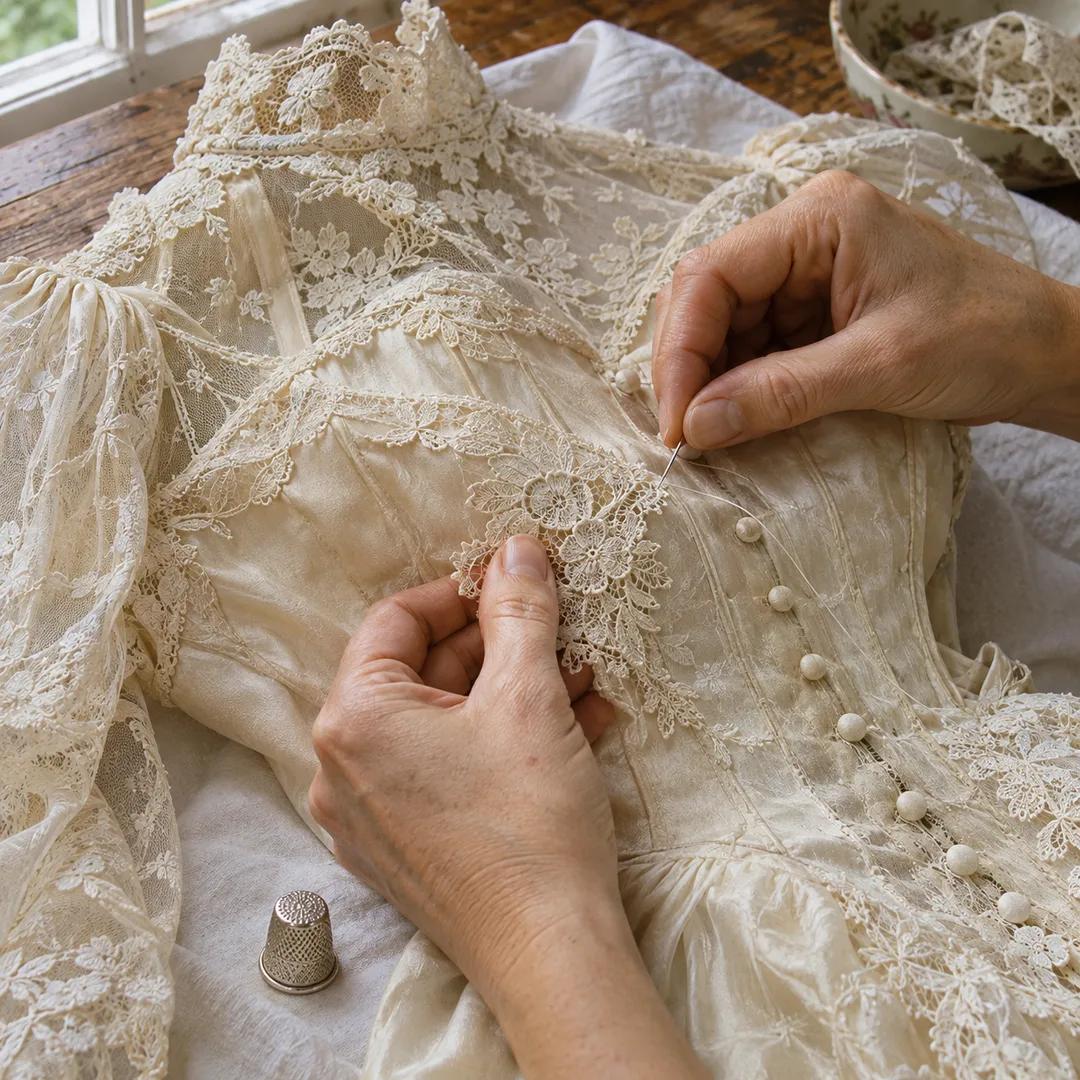
Old lace needs to be handled almost like paper. Seamstresses who know vintage pieces often repair it by hand, laying a fine net behind weak areas and stitching the lace onto it with nearly invisible thread. Missing motifs can sometimes be borrowed from a hidden part of the dress, such as the inside of a hem, and moved to where they will be seen.
Silk and satin from earlier decades can have shattered fibers or water marks. A careful tailor will test any cleaning on a hidden area before touching the visible fabric, and may recommend a specialist cleaner before alterations begin. Ask about this order of work at the start. Cleaning after alterations can sometimes shrink or pucker the new seams.
Choosing a Seamstress in Pacific Heights
Pacific Heights and the neighboring streets along Fillmore have long been home to bridal boutiques, couture alteration studios and quiet seamstresses working from upstairs rooms. Many of them have spent years on special occasion wear and are used to clients bringing in treasured family pieces. Their calm, unhurried studios suit a project that may take months.
When you visit, ask to see examples of vintage restorations, not just modern bridal alterations. Pay attention to how the seamstress handles the dress during the consultation. Someone who lays it on a clean surface, supports the weight of the skirt and looks closely before speaking is a good sign. The Karpo APP can help you find bridal specialists nearby to visit and compare.
A Timeline That Respects the Dress
Heirloom gowns take longer than new ones. Allow extra months for the initial consultation, any cleaning, hand repairs to lace and the usual series of fittings. Starting early also gives you time to change your mind. Many couples begin with ambitious ideas and end up preferring a gentler restyle once they see the dress fitted.
Plan for at least three fittings, with the final one close to the wedding so any changes in your body are taken into account. Bring the shoes, undergarments and any jewelry you plan to wear. If a parent or grandparent who wore the dress can join one fitting, it often becomes one of the most moving moments of the whole wedding season.
Keeping the Story Inside the Dress
Many seamstresses suggest a small gesture to honor the earlier wedding. A scrap of lace trimmed from the sleeves can be sewn into the lining near the heart, or used to wrap the stems of a bouquet. Initials and wedding dates from both generations can be embroidered in a hidden spot on the inner hem.
Fabric removed during alterations can become small keepsakes for the family, such as a handkerchief for the mother of the bride, a ring pillow or a christening bonnet for a future baby. Ask the seamstress to return all trimmings carefully. Even small pieces carry meaning, and they can be useful if the dress ever needs future repairs.
Photos on the Lyon Street Steps and Alta Plaza
Pacific Heights offers some of the loveliest backdrops in the city for wedding portraits. The Lyon Street Steps run down through manicured hedges with the Palace of Fine Arts dome and the bay beyond, and the long staircase shows off a train beautifully. Alta Plaza Park, at the top of the hill, has terraced lawns and wide skyline views.
Before your photo day, ask your seamstress about how to move on stairs and grass in the restyled gown. They can show you how to hold the train, add a wrist loop for carrying it, or make a bustle that is easy for a helper to fasten. Wear the dress for a few minutes at the final fitting walking up and down to practice.
Caring for the Gown After the Wedding
After the celebration, have the dress cleaned soon, before stains set. Then store it flat or loosely folded in acid-free tissue in a breathable box, away from light and damp. Avoid plastic bags, which can trap moisture and yellow the fabric. Many seamstresses can recommend preservation services or explain how to pack it at home.
If you hope to pass the dress on again, keep notes and photos of every change made during the restyle, along with any trimmings. That record makes it much easier for the next seamstress to understand the dress's history, and it becomes part of the family story you are now adding your own chapter to.
A Pacific Heights Walk on Fitting Day
Fitting appointments can be emotional, and a gentle walk afterward helps. Stroll along Fillmore Street, browse the boutiques and bookshops and stop for coffee at a sidewalk table. Head west through the quiet residential streets lined with Victorian and Edwardian homes, many dressed with careful gardens and bay windows that catch the light.
Finish at Alta Plaza or Lafayette Park, where dogs chase balls across the lawns and the view sweeps over the rooftops toward the bay. It is a good place to sit with a parent or friend and talk about the fitting, the changes you want and the family history that the dress carries forward.
Giving an Heirloom a New Wedding Day
Wearing a family wedding dress is a quiet way of inviting earlier generations to your celebration. With the right seamstress, it can feel completely yours while still showing the care of the people who wore it first. Pacific Heights, with its long tradition of family weddings, is a fitting place to begin that process.
Start by sharing the story of the dress at a first consultation and see how the seamstress responds. When you need to find more options or compare specialists in nearby neighborhoods, the Karpo APP can help you find bridal tailors suited to heirloom work, so the dress is in safe hands from the first stitch to the last dance.
Ask Karpo for more information.
Keep reading
- North Beach Tailor Alteration Shop Finder: Inherited Suits
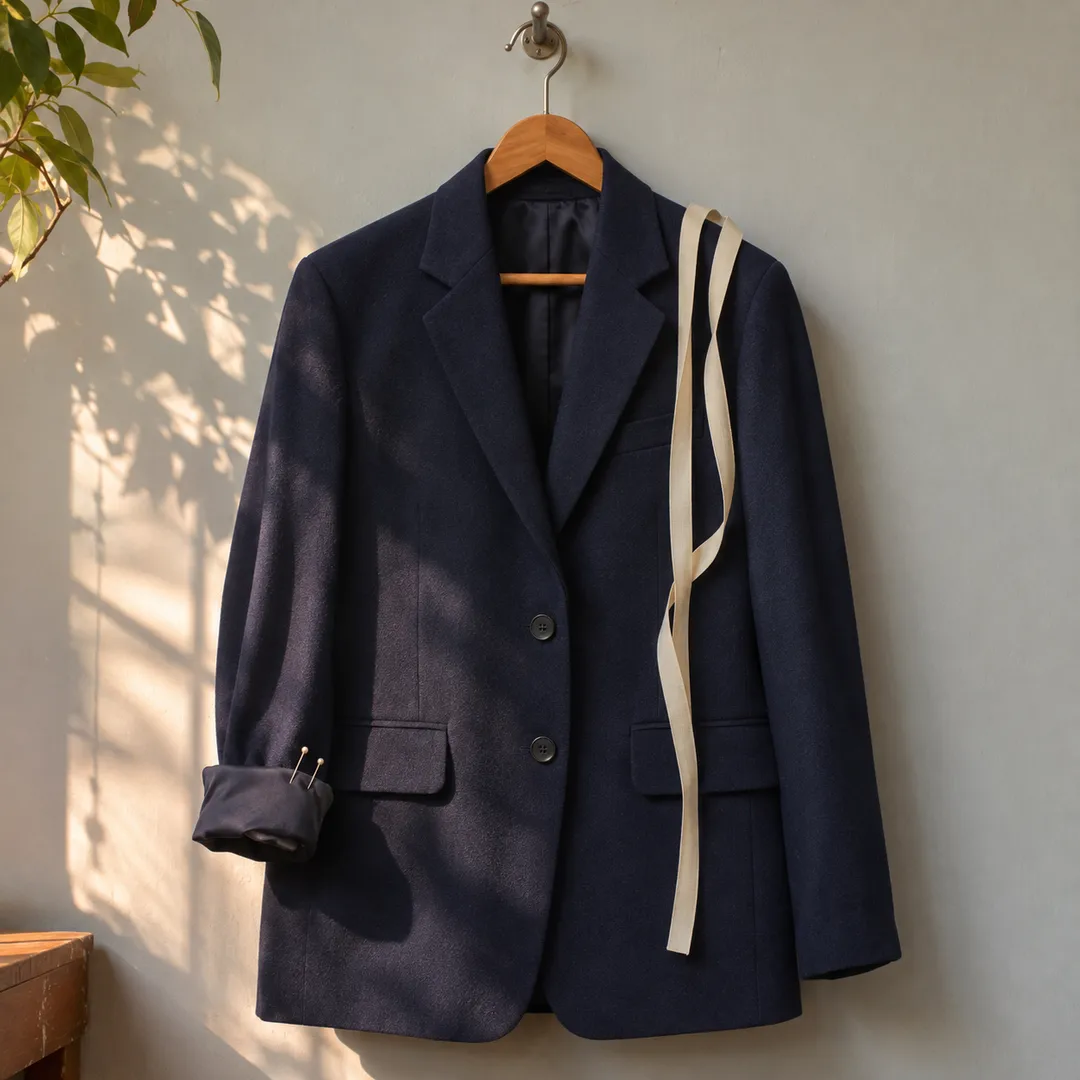 Hayes Valley Tailor Alteration Shop Finder for Boutique Buys
 Inner Sunset Tailor Alteration Shop Finder for Trail Gear