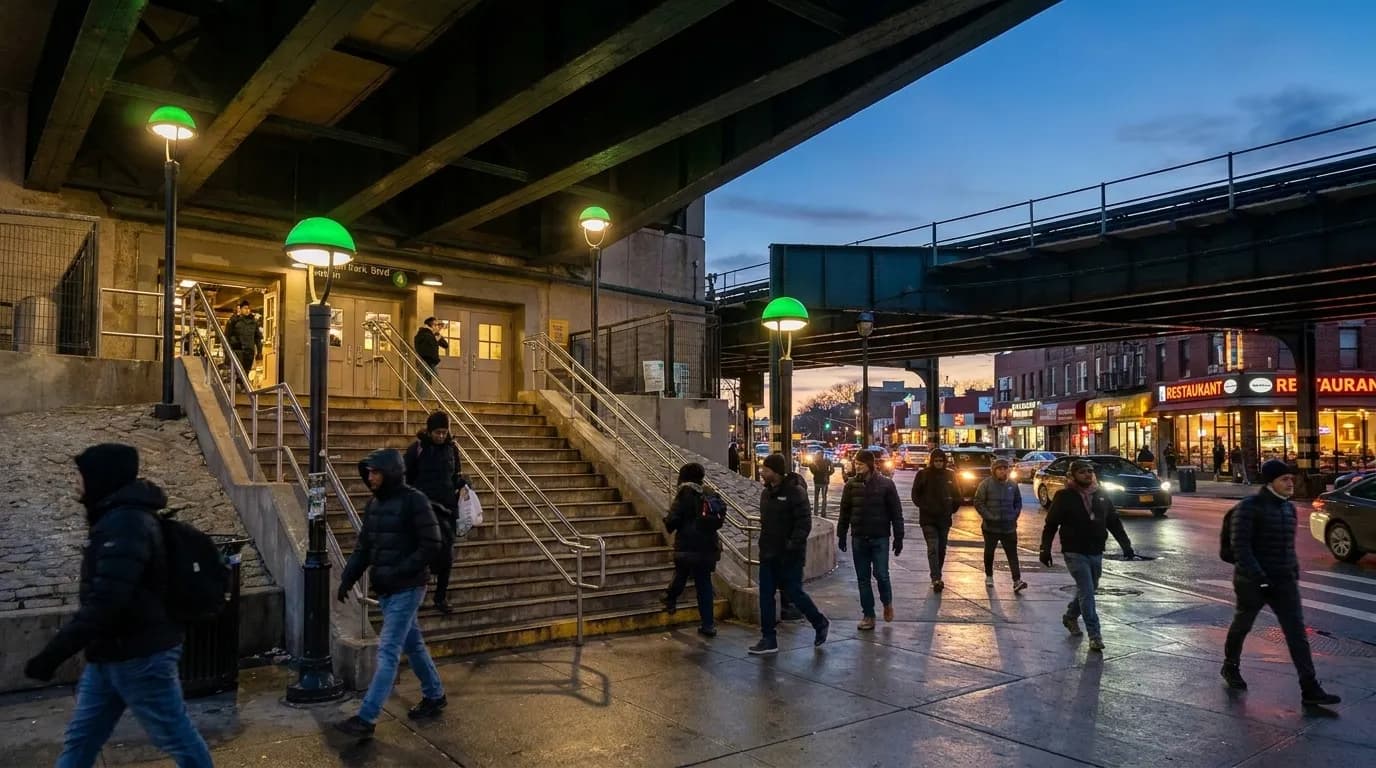
Planning a birthday dinner in New York City involves more than scanning menus and checking Instagram photos. The difference between a night everyone remembers fondly and one that dissolves into frustration often comes down to logistics that have nothing to do with the food. How easily can your group reach the restaurant? What happens when eight people need to get home in different directions at eleven on a Tuesday? Will half your party arrive sweaty and irritated after a transfer gone wrong, or will everyone show up relaxed and ready? These questions shape the actual experience more than whether the cocktails are photogenic. The transportation piece isn't an afterthought—it's the framework that determines whether your celebration flows or fractures.
Text Karpo to start planning your next dinner with real-time group coordination and location suggestions that actually account for how your friends move around the city.

Pick the Restaurant Based on Where Your Group Actually Lives
The first planning mistake is choosing a restaurant you love without mapping where your guests are coming from. If you're inviting friends from Astoria, Bed-Stuy, and the Upper West Side, a restaurant in Williamsburg creates an hour-long journey for two-thirds of your group. That imbalance shows up in energy levels before anyone orders. According to planning guidance, getting to the venue is part of the planning in NYC, and guests should know the closest subway stops or a simple landmark nearby. This isn't about finding a geographic midpoint on a map—it's about identifying a location with multiple subway lines that connect naturally to your group's starting points. A spot near Union Square or Herald Square often works better than a trendy restaurant in a single-train neighborhood, even if the latter has better reviews.
Consider how many transfers each guest faces. One subway change is manageable; two starts to feel like a commitment people resent before they arrive. Check real-time service advisories the day before your dinner. Weekend service changes and evening maintenance can turn a straightforward trip into a forty-minute ordeal. If you're set on a specific restaurant in a less-connected area, acknowledge that in your invitation and suggest rideshare options for groups of three or four who can split the cost. The goal is to make arrival feel easy, not like the first challenge of the evening.
Time Your Reservation Around Transit Realities, Not Just Availability
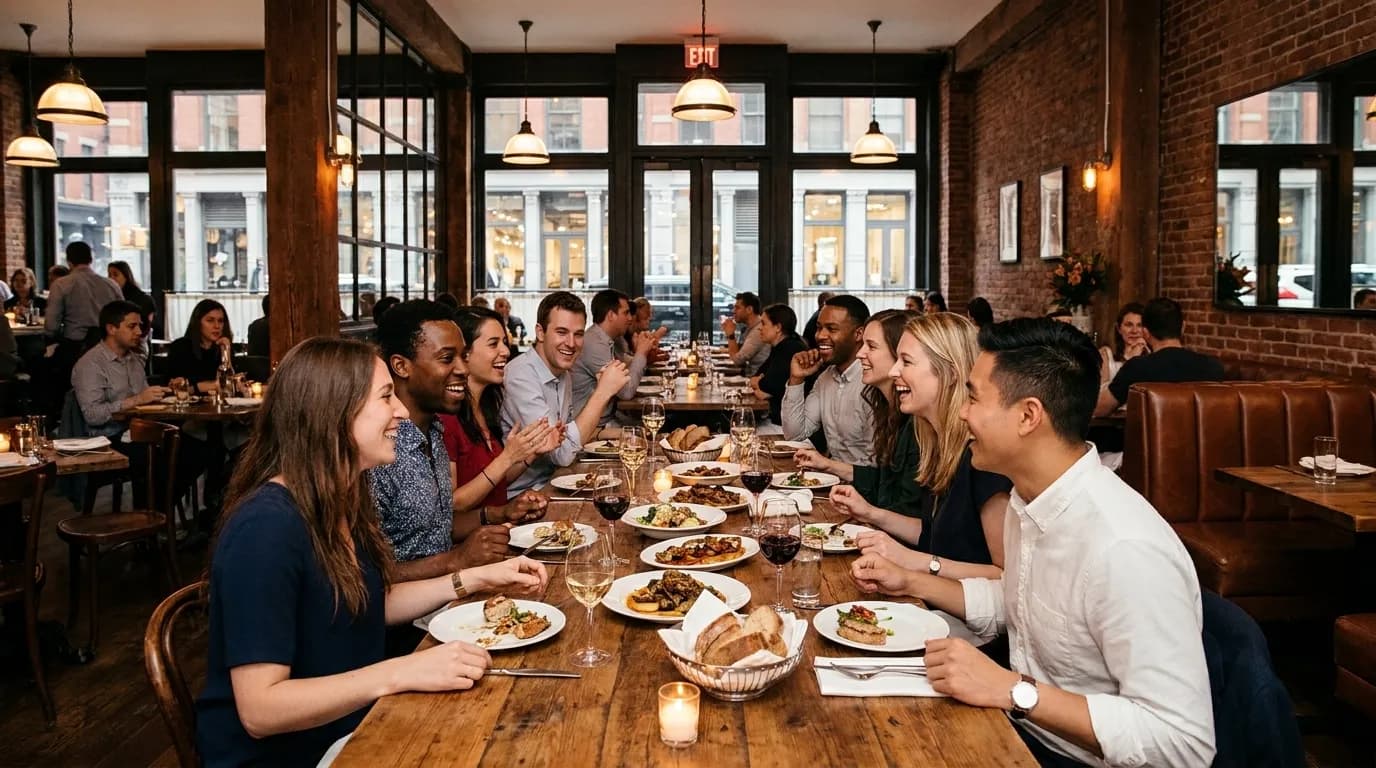
A seven o'clock reservation on a weeknight sounds reasonable until you remember that half your group is coming straight from work in Midtown or downtown offices. That timing forces people to either arrive late or skip the office early, creating stress before the celebration begins. An eight or eight-thirty start gives everyone breathing room to commute without panic. For weekend dinners, consider how late-night subway service runs on your chosen line. If your dinner is likely to stretch past eleven and you've picked a restaurant on a line with reduced weekend frequency, you're setting up a situation where people either leave early or face long platform waits.
Think about the flow after dinner too. Planning resources note that if the event ends later in the evening, it helps to think about ride options and safe, easy ways for the group to head out. If your party includes people who live in outer boroughs with limited late-night service, a nine o'clock reservation makes more sense than one at ten. You're not just booking a table—you're choosing a window that determines whether your group can relax or needs to watch the clock. Check whether the restaurant is in a neighborhood with reliable late-night rideshare availability. Some areas in upper Manhattan or deep Brooklyn can have twenty-minute wait times after ten PM on weeknights.
Plan the Departure Before You Sit Down
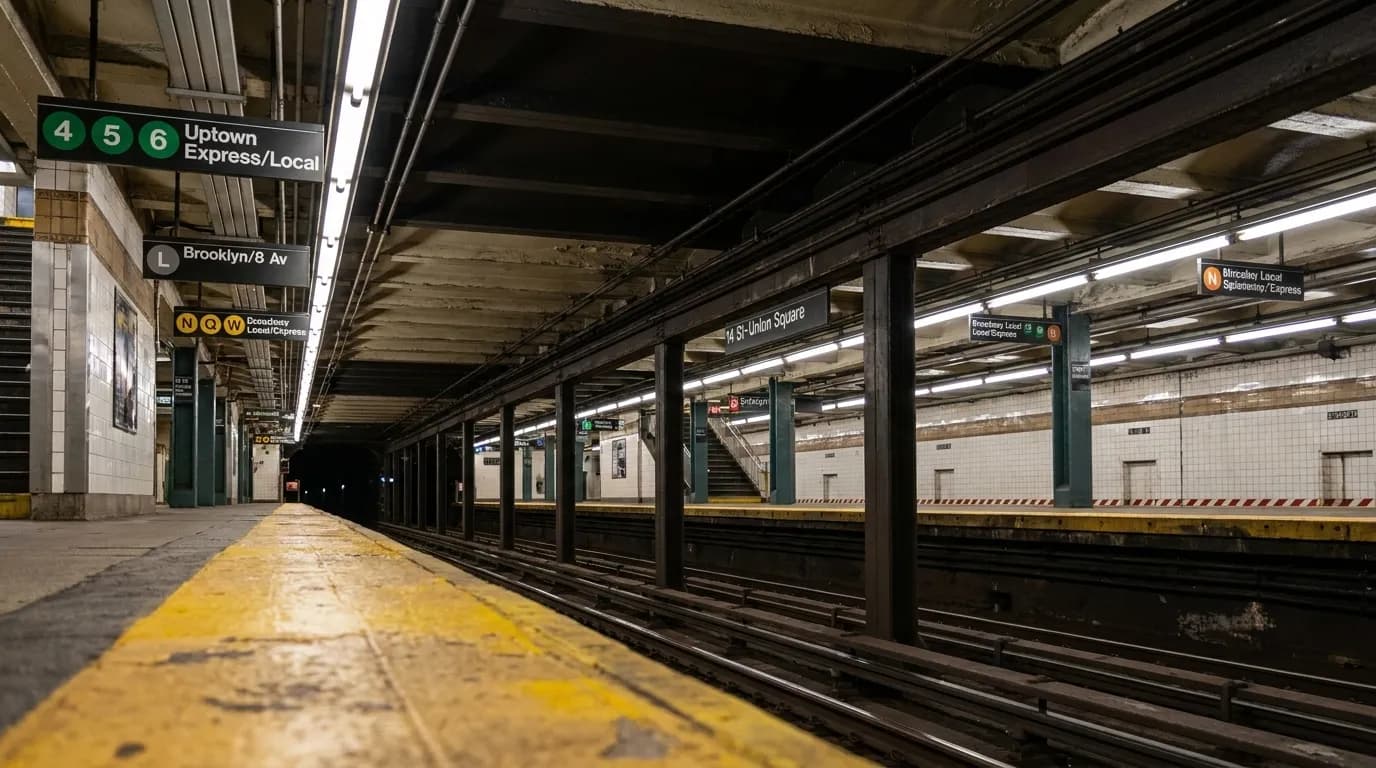
The moment when a birthday dinner actually falls apart isn't during the meal—it's when the check is paid and ten people are standing on the sidewalk trying to figure out what happens next. Half the group wants to keep going, three people need to catch the last express train, and two others are debating whether to walk to a different subway line. This chaos is avoidable with a thirty-second conversation before you make the reservation. Decide whether this is a dinner-only event or whether there's a planned next stop. If it's dinner-only, pick a restaurant near multiple subway lines so people can scatter efficiently. If you're planning to move to a bar or lounge afterward, choose that second location first, then pick a restaurant within a ten-minute walk.
For larger groups, the departure problem multiplies. Guidance on party planning emphasizes that in most small NYC apartments, four to six guests is a safe number, and the same logic applies to restaurant groups and transportation. Beyond eight people, you're managing multiple departure patterns. Some will leave right after dinner, others will want one more drink, and a few will be ready to call it a night by ten. Communicate the expected timeline in your invitation. If you're planning a long dinner that might run until eleven, say so upfront. People can make informed decisions about whether they can join, rather than feeling trapped or guilty about leaving early. Keep a list of nearby subway stations with their lines in your phone, so when someone asks the fastest way to get to Park Slope or Astoria, you have an answer ready.
Build in Weather and Seasonal Contingencies
A birthday dinner in May has different transportation dynamics than one in January. Summer evenings mean people are more willing to walk fifteen minutes from the subway or between venues. Winter weather makes every outdoor transition feel longer and more miserable. If you're planning a December or January dinner, choose a restaurant within two blocks of a subway entrance, not six. The walk matters more when it's twenty degrees and windy. Similarly, summer thunderstorms can flood subway stations or make rideshare wait times spike to thirty minutes. Check the extended forecast three days before your dinner. If heavy rain is likely, pick a restaurant with a covered entrance or one that's directly connected to subway infrastructure.
Seasonal considerations also affect timing. Summer sunlight means people are comfortable traveling until later in the evening. Winter darkness by five PM changes the psychology of movement—people feel the night is later than it actually is and are more inclined to leave earlier. If you're planning a winter birthday dinner and want it to feel leisurely, start earlier rather than later. A seven o'clock reservation gives you three hours before people start thinking about heading home, whereas a nine o'clock start compresses the comfortable window. These aren't dramatic changes, but they shift how the evening feels and whether people remember it as relaxed or rushed.
Practical Notes
- Map your guests' home neighborhoods before choosing a restaurant; prioritize locations with multiple subway lines that connect naturally to where people actually live.
- Check MTA service advisories the day before your dinner for planned weekend or evening maintenance that could add transfers or delays.
- For weeknight dinners, book reservations at eight or eight-thirty to give people time to commute from work without stress.
- Decide whether your dinner includes a second location before you pick the restaurant; if yes, choose the bar or lounge first, then find a restaurant within walking distance.
- For groups larger than eight, communicate the expected timeline and end time in your invitation so people can plan their departures.
- In winter months, choose restaurants within two blocks of subway entrances to minimize outdoor walking time.
- Keep a note in your phone with nearby subway stations and their lines so you can answer routing questions when the group is ready to leave.
The birthday dinners that people remember fondly aren't always the ones at the most acclaimed restaurants—they're the ones where everything flowed easily. Choosing a location your group can reach without drama, timing the reservation so no one feels rushed or stranded, and having a clear plan for how the night ends all matter more than whether the restaurant has a Michelin star. Transportation isn't a boring logistical detail—it's the structure that lets the celebration actually happen. Plan it first, and the rest takes care of itself.
Tags: #nycbirthday #birthdaydinner #nycrestaurants #dinnerplanning #nyctransit #subwayplanning #groupdinner #nycnightlife #birthdayplanning #nyclogistics #restaurantplanning #nycsubway
Sources consulted: How to Plan a Party in NYC: A Step-by-Step Guide | PartyPlace · 20 Ideas for the Best Birthday Dinner in NYC - Tagvenue Blog · What Every NYC Renter Should Know Before Hosting a Dinner Party
All trademarks are the property of their respective owners.


