The walk from the 6 train's last stop carries a visitor through blocks where hand-painted murals wrap around corner buildings and new cafés share sidewalks with bodegas that have held their corners for decades. Soundview sits at the southeastern edge of the Bronx, pressed between the Bronx River and the East River, a neighborhood where the riverfront parks are still taking shape and the rhythms of longtime residents meet the first stirrings of something different. A weekend here means moving between worlds that haven't fully merged yet—the kind of place that rewards those who take the long way home.
Where the Murals Tell the Story
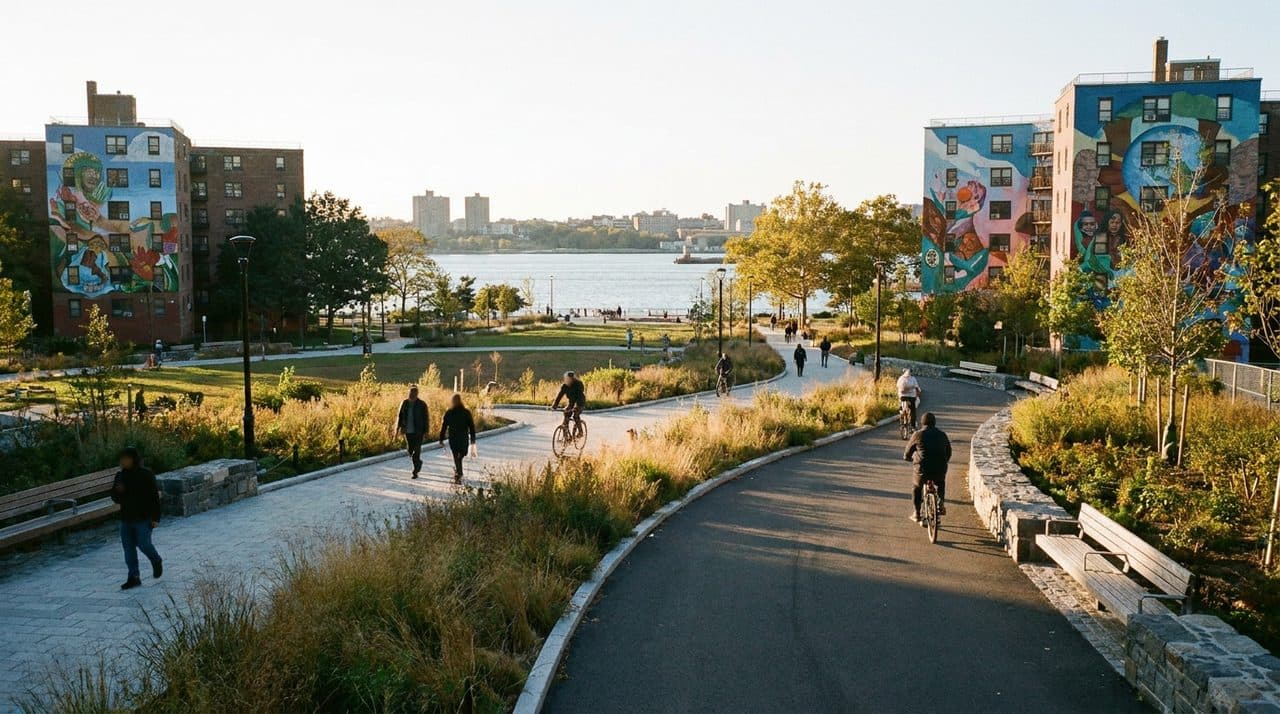
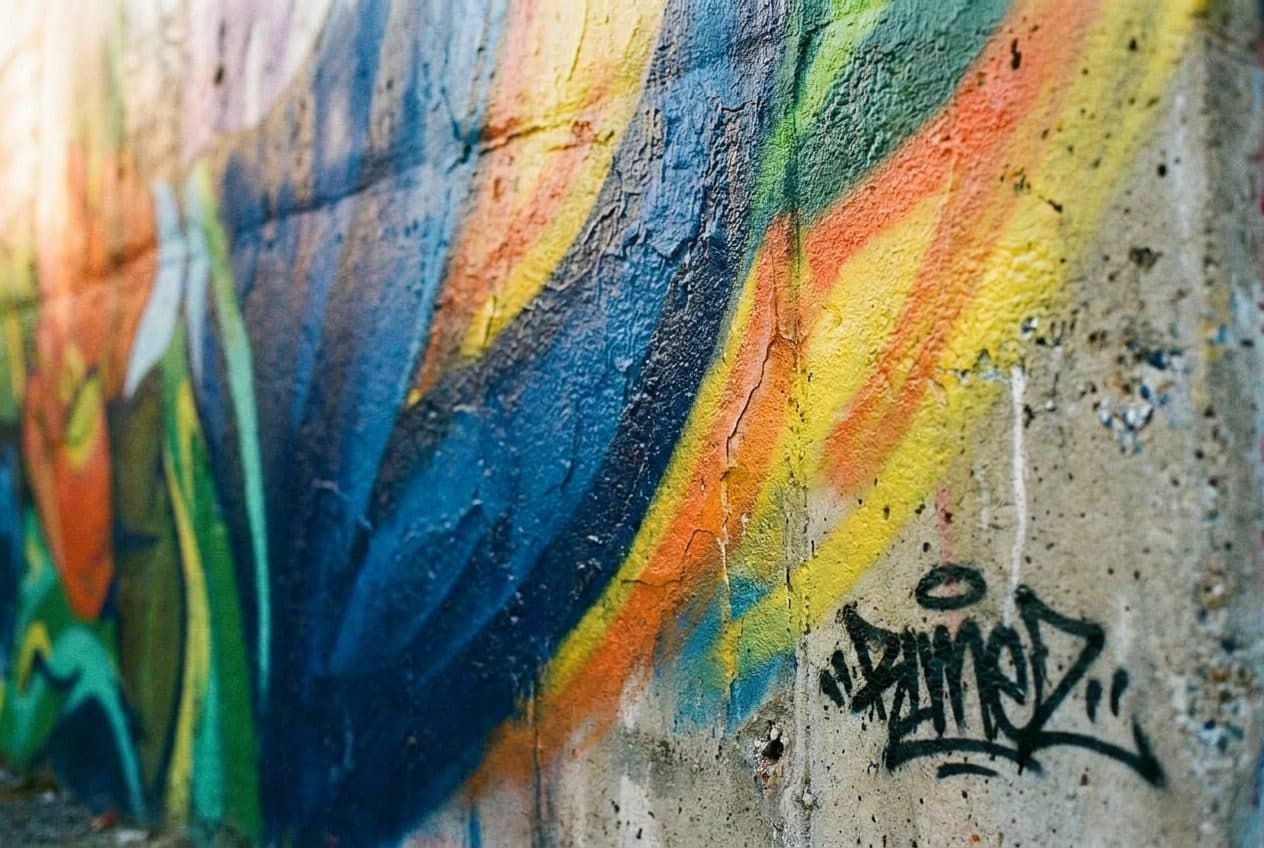
The art climbs three and four stories up brick facades along Westchester Avenue and down the side streets that run toward the water. Some pieces date back years, commissioned by community organizations during earlier waves of neighborhood investment. Others arrived in the past eighteen months, bright geometric patterns and portraits of local figures that catch the afternoon light. The murals aren't clustered in one gallery district—they're scattered, which means discovering them requires walking blocks most visitors skip. A mural of hands reaching across a river covers the side of a laundromat. Another wraps around a community center near the Soundview Houses. The neighborhood uses its walls as a public archive, and the newest pieces sit beside faded ones that have weathered a decade of weather. First-timers often miss the smaller works tucked into alleys or painted above doorways, the kind of details that reveal themselves only to those who wander without a fixed route.
The Coffee Shop That Opened Beside the Bodega
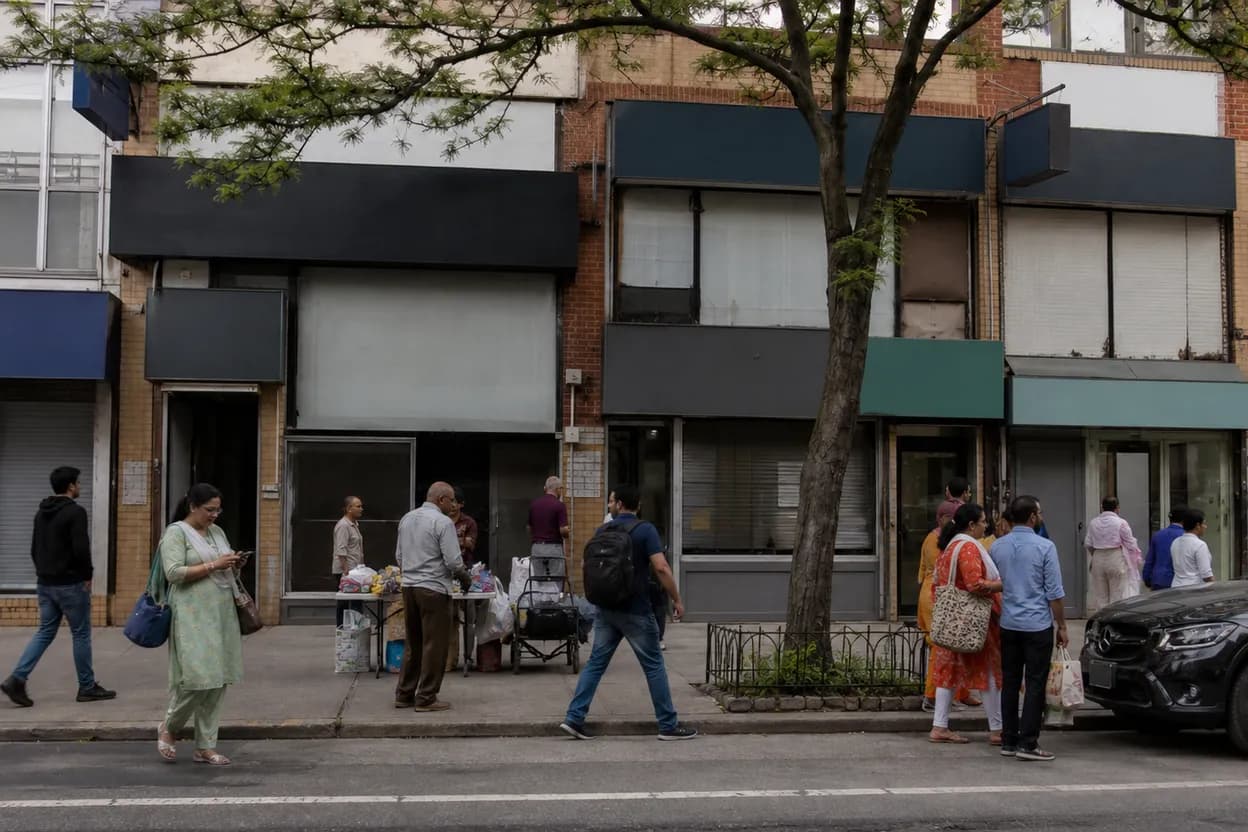
A new café opened last year on a block where the bodega next door has been selling lottery tickets and chopped cheese since the nineties. The café serves cortados and cold brew, has a small pastry case, and closes by early evening. The bodega stays open until midnight. The two establishments share a wall and a sidewalk, and their clientele overlaps more than an outsider might expect. Regulars stop at the bodega first for a bacon-egg-and-cheese, then walk next door for a proper coffee. The café's owner grew up six blocks away and returned after a decade in Manhattan. The interior is minimal—concrete floors, a few tables, a chalkboard menu—but the windows face the street, and the morning light fills the room. By mid-afternoon, the tables fill with students from the nearby high school, laptops open, earbuds in. The rhythm here is unhurried, which feels intentional in a neighborhood where the pace hasn't yet been dictated by outside forces. The café doesn't announce itself with signage visible from a distance; those who find it early tend to keep it to themselves for a while.
The Riverfront Parks Still Under Construction
The parks along the Bronx River and the East River shoreline are a work in progress, some sections open, others still fenced off with construction permits taped to chain-link. The completed portions offer walking paths, benches that face the water, and stretches of newly planted grass that haven't fully taken root. The unfinished sections hint at what's coming—cleared lots, poured foundations for pavilions, signage promising future playgrounds. On weekends, families claim the benches early, setting up for the day with coolers and folding chairs. Joggers loop the available paths, turning back when they hit the fenced-off zones. The parks don't yet connect seamlessly, which means a visitor has to navigate back to the street to reach the next section. The lack of polish is part of the appeal for now—these are parks that still feel like they belong to the people who live within walking distance, not yet discovered by the weekend crowd from other boroughs. The best time to visit is late afternoon when the light softens and the water reflects the changing sky, and the sense of potential feels more tangible than the construction dust.
The Bakery That Opens Before Dawn
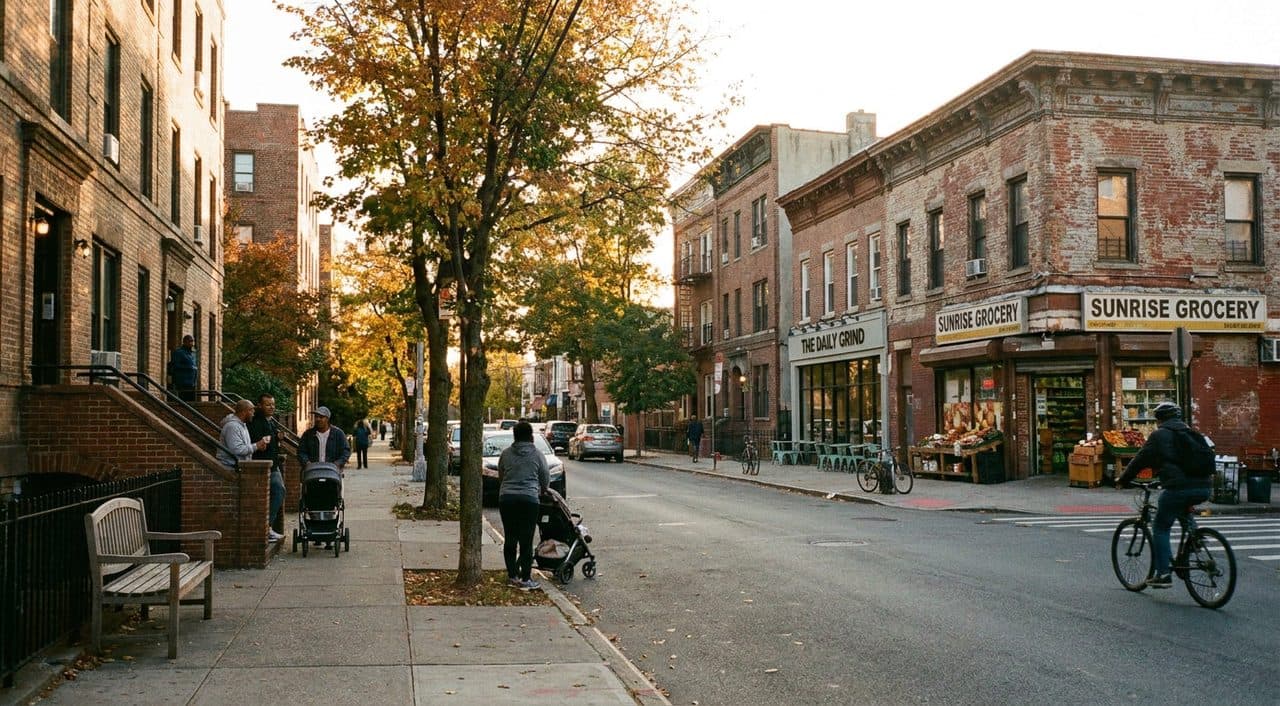
A panadería on Morrison Avenue starts its day at five in the morning, and by the time most of the neighborhood wakes, the first batches of conchas and pan dulce are already cooling on metal racks behind the counter. The bakery has been here for over twenty years, its interior unchanged—fluorescent lights, a glass case running the length of one wall, a register that still prints receipts on thermal paper. The crowd rotates through the day: construction workers grabbing breakfast before their shifts, mothers with strollers mid-morning, teenagers after school. The bakery doesn't take cards, and there's no seating inside, just a narrow counter by the window where a few people stand to eat. The tres leches cake, sold by the slice in clear plastic containers, is the item regulars know to ask for even though it's not always visible in the case. The staff wraps orders in wax paper with a speed that suggests decades of muscle memory. The bakery's presence anchors the block, the kind of place that defines a neighborhood's rhythm more than any new arrival ever could.
The Soccer Matches That Gather the Crowd
On weekends when the diaspora communities have matches to watch, the sports bars and restaurants along Westchester Avenue fill hours before kickoff. The atmosphere shifts depending on which teams are playing—the volume, the languages spoken, the jerseys worn. Some establishments project the games onto exterior walls after dark, and the sidewalks become extensions of the viewing rooms. The crowd spills outside during halftime, smoking and debating calls, then filters back in before the second half starts. These aren't sports bars in the polished sense—they're neighborhood spots that happen to have large screens and a license to serve beer. The kind of places where the bartender knows which regular supports which team and adjusts the channel accordingly when multiple games overlap. First-timers who arrive without knowing the stakes quickly understand the room by reading the tension or celebration that follows each goal. The ritual of gathering for matches is older than the neighborhood's current iteration, carried over from previous waves of residents and adapted by new ones.
The Changing Blocks Between the Train and the Water
The walk from the subway to the riverfront parks covers roughly a mile, and the blocks shift character several times along the way. Near the station, the commercial strip is dense—dollar stores, check-cashing spots, phone repair shops. A few blocks south, the residential streets open up, low-rise apartment buildings with front stoops and small yards. Closer to the water, vacant lots appear, some cleared recently, others overgrown. The changing landscape is visible in real time—a building under renovation beside one that's been boarded up for years, a new playground next to a lot still waiting for development. The blocks that feel most in transition are the ones where the old infrastructure meets the new investment, where a community garden shares a fence line with a construction site. The walk itself becomes a way to read the neighborhood's timeline, to see which parts are being preserved and which are being replaced. Those who take the route regularly notice the small shifts—a mural that appeared overnight, a storefront that changed hands, a fence that came down to reveal a finished park section.
Practical Notes
The 6 train terminates at Pelham Bay Park, but most visitors to Soundview exit at either Elder Avenue or Whitlock Avenue, depending on which section of the neighborhood they're exploring. The walk from the station to the riverfront parks takes fifteen to twenty minutes at a steady pace. The new café keeps morning and early afternoon hours, typically closing by five or six. The panadería opens before dawn and runs until evening, though the best selection is gone by mid-afternoon. The parks along the water are accessible during daylight hours, though lighting in the completed sections allows for early evening visits. Street parking is available but competitive on weekends. Most of the businesses along Westchester Avenue are walk-in only, no reservations needed. The neighborhood is still primarily residential, which means the weekend pace is slower than in more tourist-heavy parts of the Bronx. Those planning a visit should allow time for wandering—the rewards here come from taking detours, not following a fixed itinerary.
Tags: #SoundviewBronx #TheBronxRising #BronxRiverfront #NYCNeighborhoods #TheLongWayHome #EmergingNeighborhoods #NYCMuralArt #BronxCulture #OffTheBeatenPath #NYCWeekendGuide #AuthenticNYC #BronxExploration #NeighborhoodWanderings #NYCParks #LocalNYC
Sources consulted: timeout.com · atlasobscura.com · nycgo.com
All trademarks are the property of their respective owners.
Ask Karpo first
Want to know the best way to explore Soundview and where the locals eat and gather?
Ask Karpo for Soundview walking routes and neighborhood spots before you head out.