haitians: How to Navigate NYC Without Guessing starts with a simple correction: a search spike is not a local confirmation. In New York City, the useful move is to translate curiosity into a public, checkable plan. NYC Tourism frames the city through five boroughs, subway-accessible stories, restaurants, cultural institutions, parks, attractions, nightlife, museums, shopping, and budget activities. That gives you enough structure to plan a real outing without pretending there is a guaranteed event, appearance, affiliation, or insider lead. If your interest is food, culture, a neighborhood walk, or a low-cost day, build the route around official pages, current listings, and a backup you would still enjoy if the first idea falls through.
Want a route that matches your time, borough, and tolerance for crowds? Text Karpo before you leave, and ask for a checked NYC plan with a nearby fallback.

Translate the headline into a neighborhood question
Treat haitians as a prompt, not proof. The practical question is not “Where is something happening?” unless an official source says so. The better question is: “What public NYC activity can I verify today that fits this interest?” NYC Tourism points readers toward things to do, eat and drink, maps and guides, borough pages, annual events, museums and galleries, tours and attractions, events and festivals, shopping, sports, nightlife, and budget activities. Start there because those categories can be checked before you spend time on the train.
For a food-led plan, the official tourism site specifically notes a citywide Caribbean restaurant guide that includes Jamaican, Haitian, and Trinbagonian cuisine across the five boroughs. That is a usable public lead, but it still needs verification. Restaurant participation, hours, reservations, menus, and availability can change. If you see NYC Restaurant Week Summer 2026 mentioned, verify the official details: the extract says it runs July 20–August 16 with 2-course lunches and 3-course dinners across all five boroughs, starting at just $30.
Choose the area by the actual task
Pick the borough by what you are actually trying to do. Manhattan is described by NYC Tourism as full of Broadway, Central Park, the skyline, and high-traffic attractions. Brooklyn is framed around nightlife, cuisine, and activities for all ages. Queens is positioned as a borough where visitors can explore a wide range of old-world cuisines and scenic surf. The Bronx is presented through history, culture, hip-hop, baseball legacy, and its Little Italy. Staten Island is described as having historic attractions, beach views, global dining, and ferry access.
That borough framing matters because “nearby” in NYC is not only distance on a map. A dinner plan, a museum plan, and a waterfront plan should not be routed the same way. If you want cuisine, compare official restaurant listings and the restaurant’s own current page before choosing a borough. If you want culture, check museum, gallery, and institution pages. If you want a low-cost day, use official budget activity and free-museum resources, then confirm the exact day or time on the venue page.
Use transit exits as planning anchors
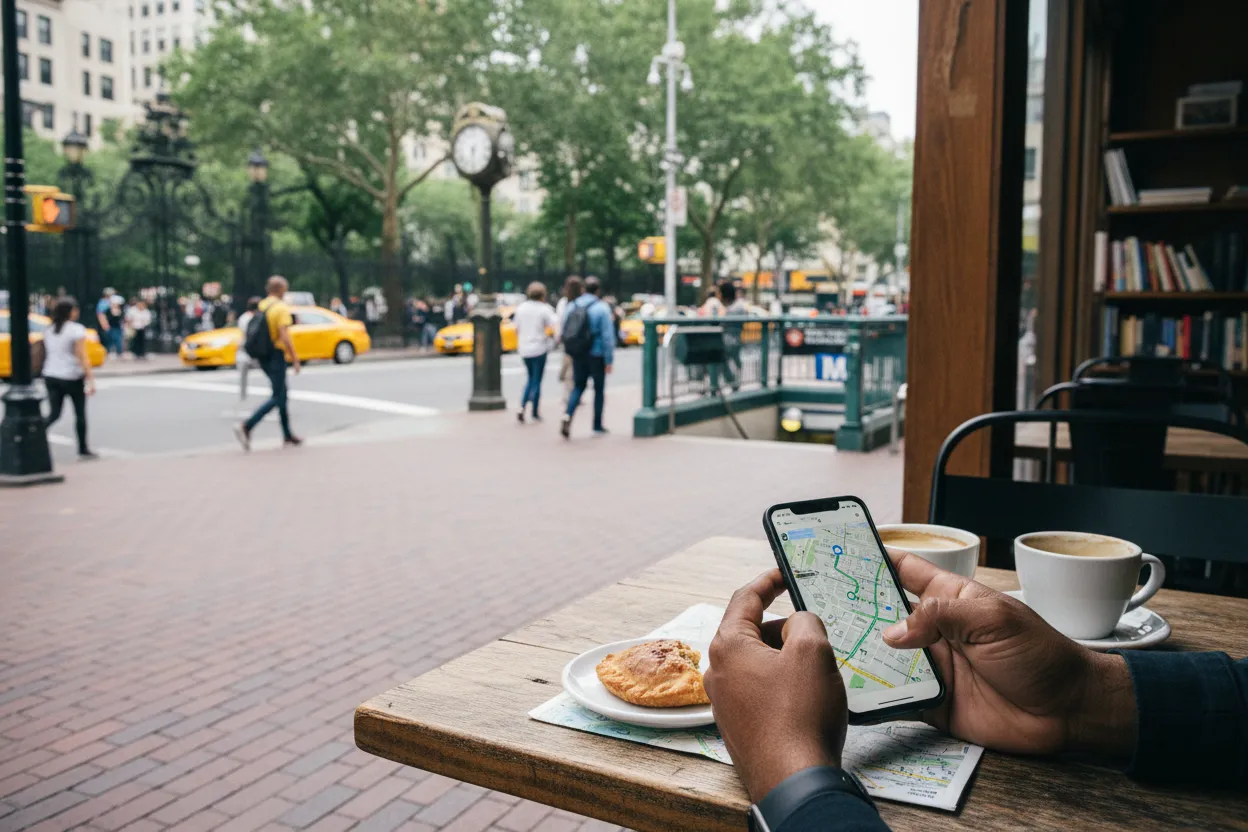
NYC Tourism describes city stories and borough exploration as subway-accessible, which is useful but not specific enough for a same-day plan. Your anchor should be the exit, not just the station name. Before leaving, identify the stop, the exit direction, the first corner you expect to see, and the walking segment after you surface. In dense areas, the wrong exit can turn a five-minute arrival into a confusing detour through crowds.
Do not rely on memory, screenshots, or a friend’s old route. Official transit access can change, and even official pages may be temporarily unavailable or blocked, as reflected by the access-denied and 403 extracts provided for transit and parks sources. That is a reason to check again close to departure, not a reason to guess. If the transit page will not load, use platform signage, station announcements, and a second public routing source before committing to the trip.
Add one indoor and one outdoor backup
A good NYC neighborhood plan has two backups: one indoors and one outdoors. The indoor backup protects you from weather, fatigue, crowding, or a closed restaurant. NYC Tourism’s categories give you several public directions to verify: museums and galleries, Broadway and performing arts, shopping, TV show tapings, nightlife, and restaurants. Do not assume walk-in access; confirm hours, ticketing, age rules, reservation needs, and any free-ticket instructions on the official page.
The outdoor backup should be just as deliberate. NYC Tourism highlights borough features such as Central Park in Manhattan, beach views in Staten Island, scenic surf in Queens, and neighborhood walking tours across the city. Because parks and outdoor access information can change, verify current conditions through the relevant official page when available. If a parks page is blocked or unavailable, avoid building a rigid plan around a single gate, lawn, field, or waterfront segment.
Avoid treating online attention as a local promise
NYC rewards curiosity, but it punishes assumptions. A phrase can be timely online without pointing to a confirmed public event in the city. This guide does not claim a Haitian celebrity appearance, private gathering, endorsement, emergency, festival, or affiliated program. Unless an official venue, city agency, tourism listing, restaurant, museum, or event organizer publishes the detail, treat it as unverified.
That skepticism is especially important for neighborhoods. Do not turn a cultural keyword into a claim about who will be present, what a community is doing, or whether a business is participating in a promotion. Use public listings respectfully: check the restaurant’s own page, confirm the address, verify the hours, and have another choice nearby. If you are visiting because of Caribbean cuisine, the official tourism reference supports that category citywide, but it does not guarantee any individual place will be open or available today.

Verify conditions before crossing the city
Run a final five-minute check before you cross boroughs. Confirm the official listing, the venue page, the address, the open hours, the reservation or ticket requirement, and the transit path. If the plan involves NYC Restaurant Week Summer 2026, verify the participating restaurant and current terms on the official page; the broad program dates and starting price are not a substitute for a confirmed booking or menu.
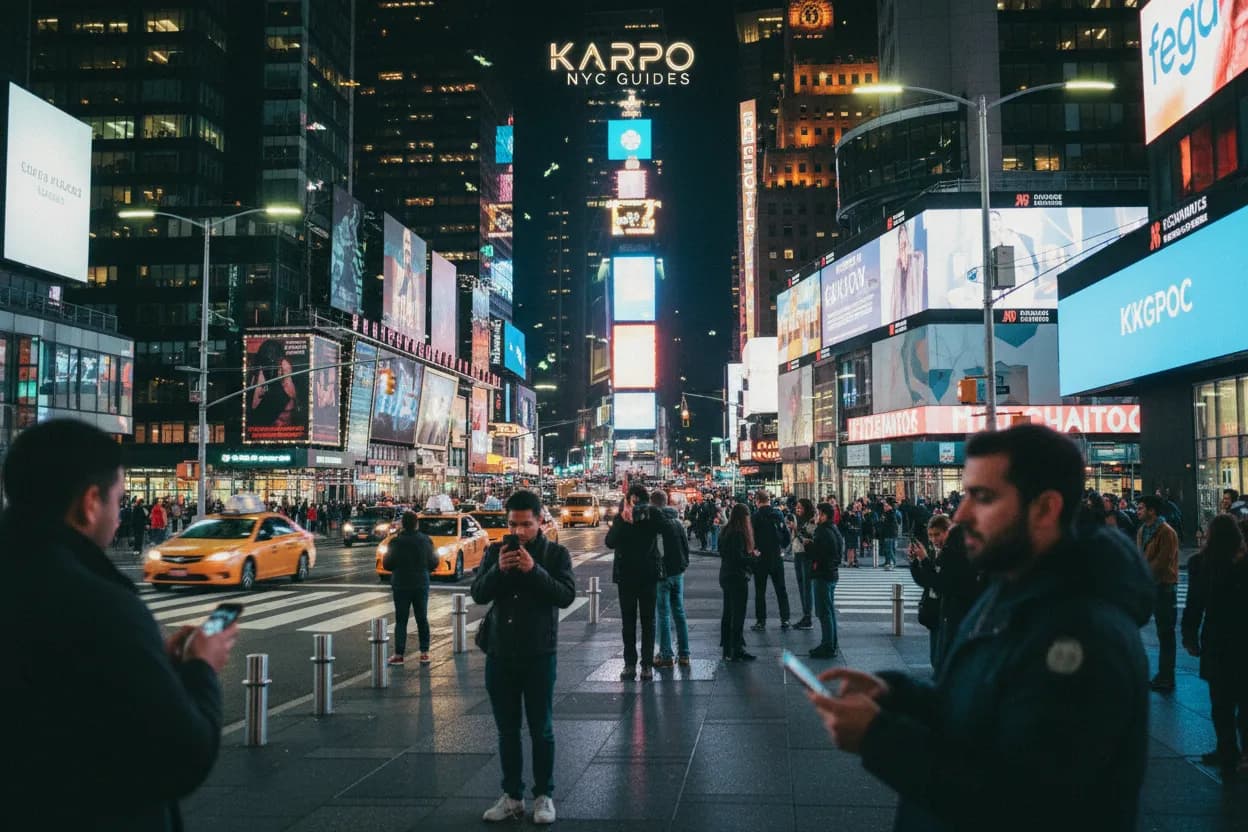
Then assign a crowd-risk rating. Times Square, Broadway areas, major museums, popular dining corridors, waterfronts, and seasonal promotions can draw people even when nothing unusual is happening. If your first choice is likely to be crowded, move your arrival earlier, choose a less compressed route, or switch to the backup. The goal is not to drain the spontaneity out of NYC. It is to keep one broken assumption from wasting your whole afternoon.
Tags: #AskKarpo #BeforeYouGo #NYC #NeighborhoodGuides #Haitians #CaribbeanNYC #NYCFood #NYCTransit #QueensNYC #BrooklynNYC #ManhattanNYC #BronxNYC #StatenIslandNYC #NYCPlanning
Sources consulted: nyctourism.com · new.mta.info · nycgovparks.org
All trademarks are the property of their respective owners.
Ask Karpo first
Ask Karpo first if your NYC plan depends on a rumor, a crowded corridor, or a listing you have not checked today. Send the borough, time window, starting point, and must-do activity, and Karpo can help turn it into a public, verifiable route with a realistic backup.